Explore our top-performing components, optimized for absolute signal integrity, high density, and long-term durability in enterprise environments.
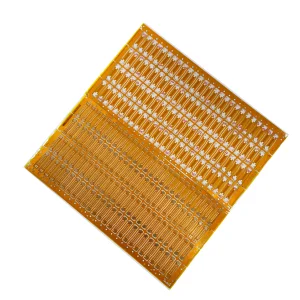
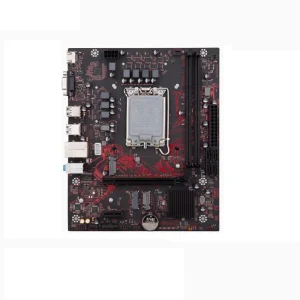
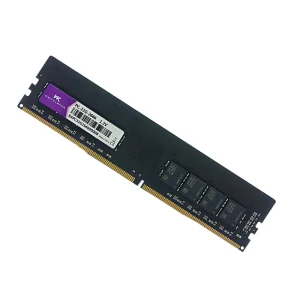
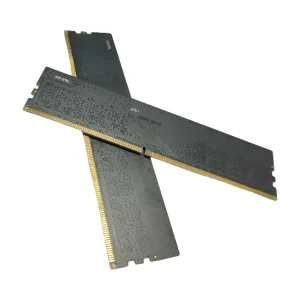
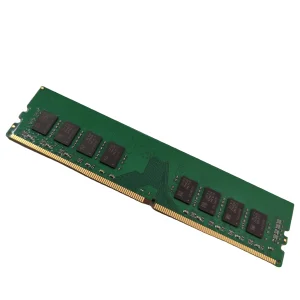
Despite the rapid rise of DDR4 and DDR5 memory technologies, DDR3 SDRAM remains a cornerstone architecture across global industries. From industrial automation systems and telecommunication routers to specialized embedded computing and consumer media boxes, DDR3 RAM modules represent a highly stable, cost-effective, and indispensable technological component.
For global procurement managers, identifying and partnering with the right China DDR3 memory manufacturer is a decision that extends far beyond price per unit. It encompasses engineering capability, component longevity, compliance with global environmental directives (such as RoHS and REACH), and deep integration within the semiconductor supply chain.
This comprehensive industry analysis details how advanced manufacturing ecosystems in China, led by pioneering enterprises like CoreByte Storage Technology Co., Ltd., are safeguarding global operations by engineering and supplying high-durability DDR3, DDR4, and DDR5 solutions optimized for performance, longevity, and severe system workloads.
Established in 2016, CoreByte is a premier memory and DRAM solution provider specializing in high-performance modules for global OEM, enterprise, and data center platforms.
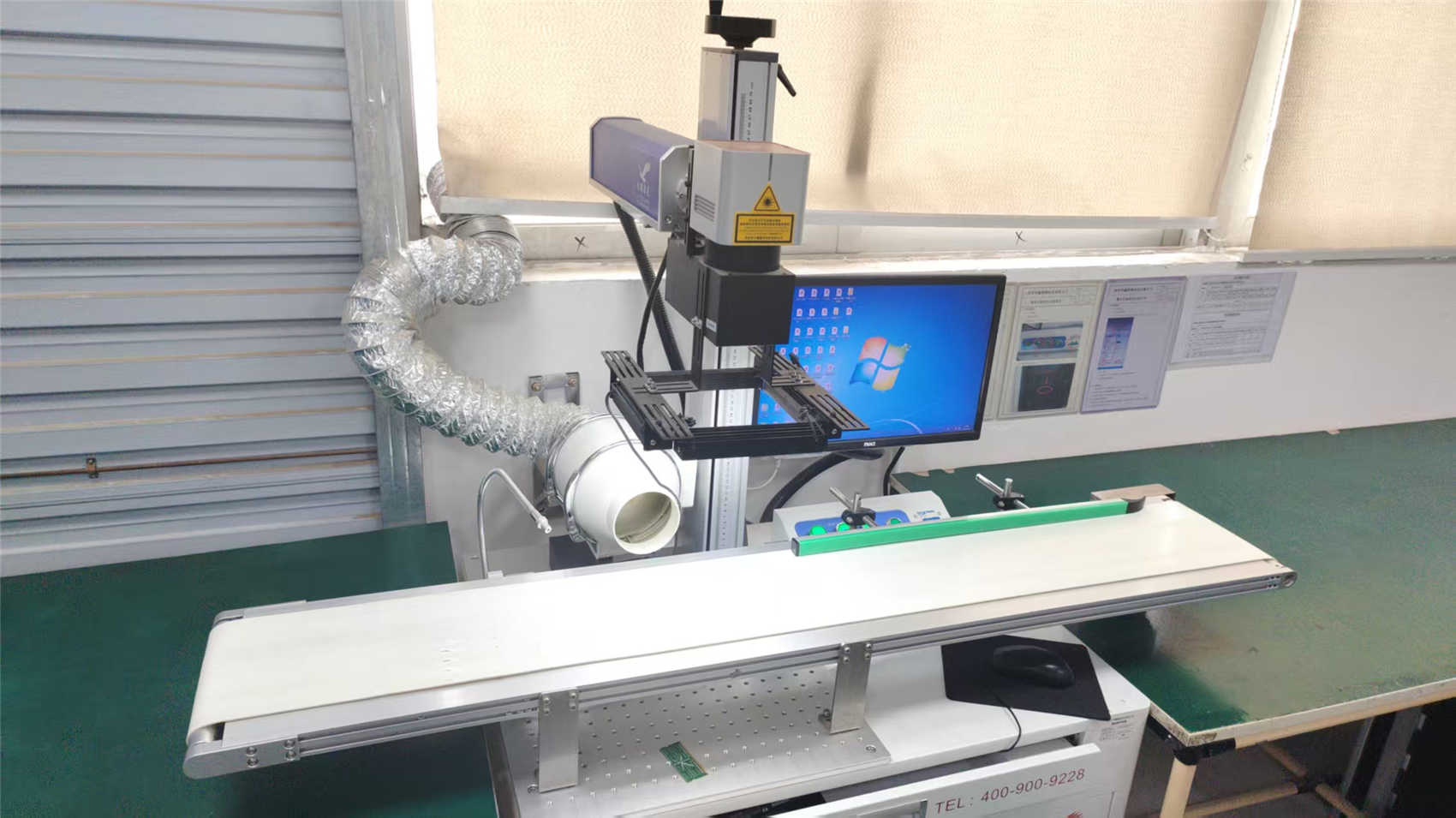
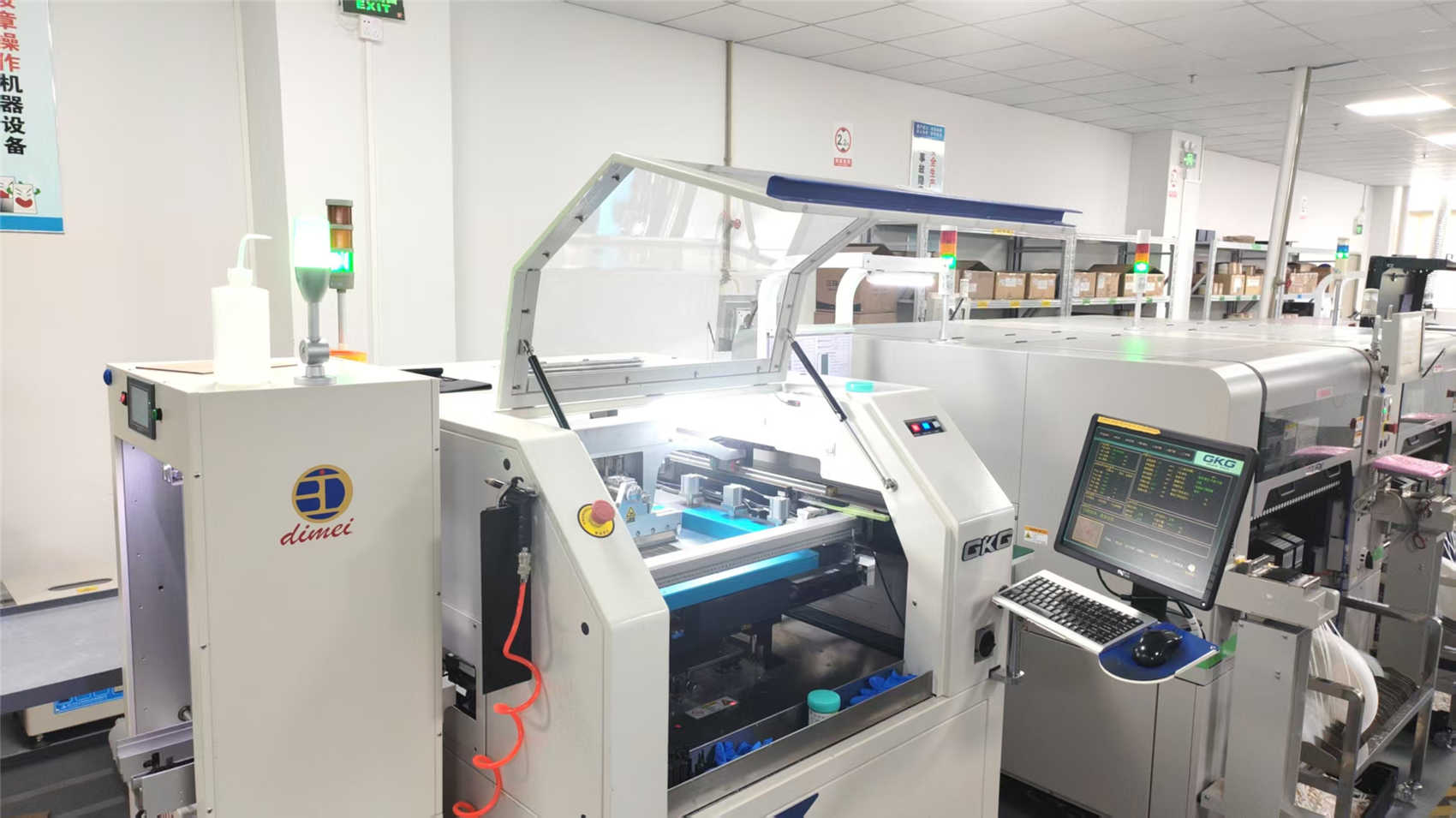
With an annual export revenue of approximately USD 12 million and over 6 years of pure international trade experience, CoreByte has cultivated a robust reputation across North America, Europe, Southeast Asia, and the Middle East. Operating a highly specialized, cleanroom-oriented production facility with a building area of approximately 320㎡, we maximize spatial efficiency through cutting-edge SMT lines, advanced Automated Optical Inspection (AOI) machines, and high-temperature aging chambers.
CoreByte does not merely build hardware; we engineer comprehensive memory systems. Backed by 85 R&D engineers, we launch approximately 120 new product models annually, responding to changes in AI computing, cloud database workloads, embedded IoT applications, and legacy hardware compatibility requirements.
The logistical and technical advantages that allow Chinese manufacturers to sustain global DDR3 supply security.
China's industrial regions host a complete microelectronics ecosystem. From raw PCB substrates and lead-free solder pastes to advanced DRAM packaging, testing facilities, and heat sink manufacturing, everything is localized to dramatically reduce freight lag and control product costs.
While tier-1 DRAM wafer fabs shift their capital expenditure almost entirely to DDR5 and high-bandwidth memory (HBM), China's top factories maintain dedicated legacy packaging programs. This ensures a stable, multi-year supply of DDR3 components for long-term industrial projects.
Every motherboard design has distinct trace impedance parameters and BIOS configurations. China's top manufacturers, including CoreByte, provide bespoke Serial Presence Detect (SPD) programming and trace routing adjustments to guarantee 100% plug-and-play platform compatibility.
Many legacy industrial motherboards based on H81 or older chipsets fail to boot when using modern high-density DDR3 modules. This is due to the bit configuration (e.g., 512Mx8 vs. 1Gx8). Chinese manufacturers with strong R&D engineering can customize the module's IC density layout to match legacy chipset registers, avoiding expensive system hardware redesigns.
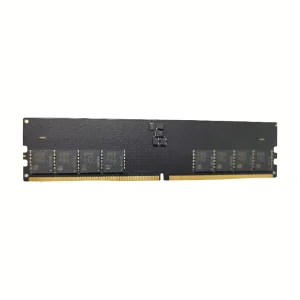
Understanding the fundamental electrical and logical parameters of memory modules is vital for designing high-uptime infrastructures. Although DDR3 is a legacy standard, it features low access latency, simpler point-to-point topologies, and high electrical resilience.
| Memory Generation | Data Rate (MT/s) | Operating Voltage | Pin Count (UDIMM) | Typical Industrial Applications |
|---|---|---|---|---|
| DDR3 / DDR3L | 800 - 1866 | 1.5V / 1.35V | 240-Pin | Embedded Systems, Medical Instruments, Legacy Servers, Network Appliances |
| DDR4 | 1600 - 3200 | 1.2V | 288-Pin | Industrial IPC, Entry-level Cloud Infrastructure, POS Systems, Digital Signage |
| DDR5 | 4800 - 8400+ | 1.1V | 288-Pin | AI Compute Clusters, Next-gen Servers, Edge Computing Databases, Advanced Gaming |
At CoreByte, stability is our primary performance metric. We enforce a zero-defect quality system to ensure every module shipped stands up to long-term usage.
Every single SMT-soldered memory module undergoes high-speed, high-resolution optical inspection. This verifies component alignment, solder fillet quality, and identifies potential bridging or voiding defects before functional testing begins.
To eliminate early component failures, memory modules undergo high-temperature testing. By subjecting DRAM dies to thermal workloads under constant read/write cycles, we isolate and discard substandard chips.
We test our memory modules on legacy and modern platforms (Intel H61/H81/B760, AMD, and server-grade CPU architectures). Our testing library contains thousands of motherboard models to ensure compatibility.
Quality control is not an afterthought; it is integrated throughout the manufacturing process at CoreByte. Our 45-inspector quality assurance team oversees every step, from incoming material inspection (IQC) and in-process quality control (IPQC) to final outgoing inspections (OQA).
Our quality system is based on the ISO9001 standard, allowing us to keep customer returns (RMA) below 0.1%. When you procure DDR3 modules, motherboard components, or custom PCBA designs from CoreByte, you are choosing field-proven, enterprise-ready reliability.
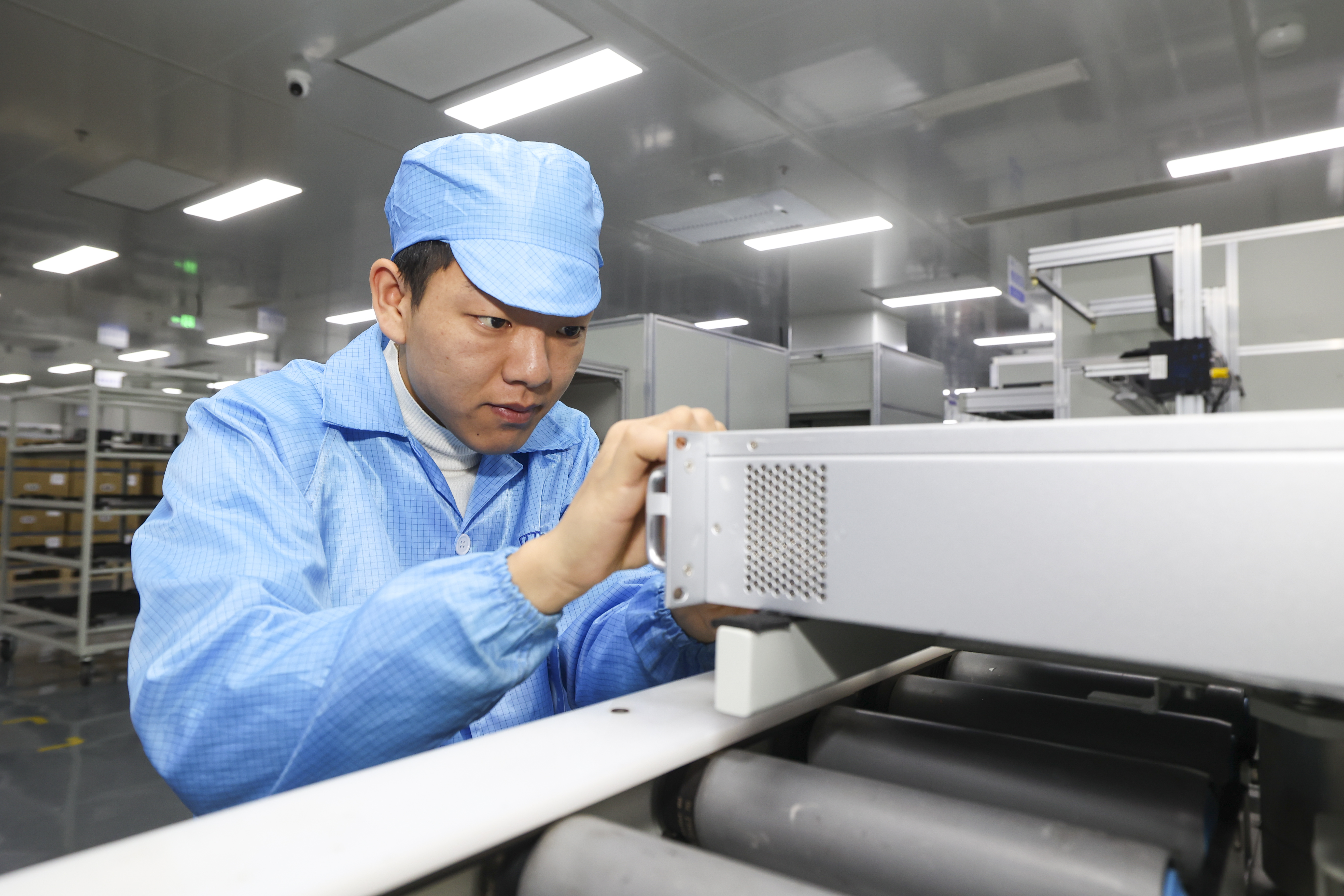
Our industrial applications range from customized server nodes and network security devices to precision medical instruments.
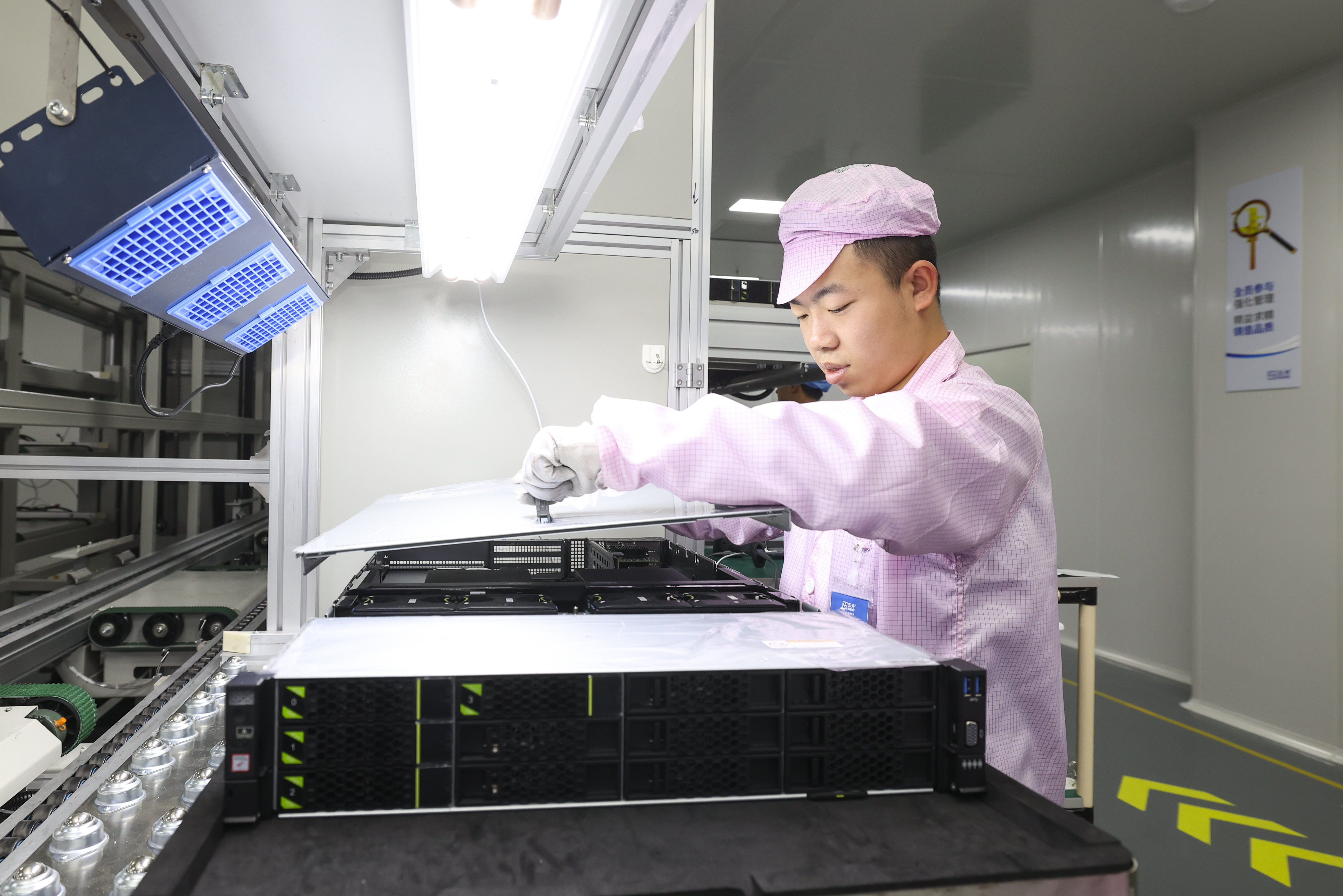
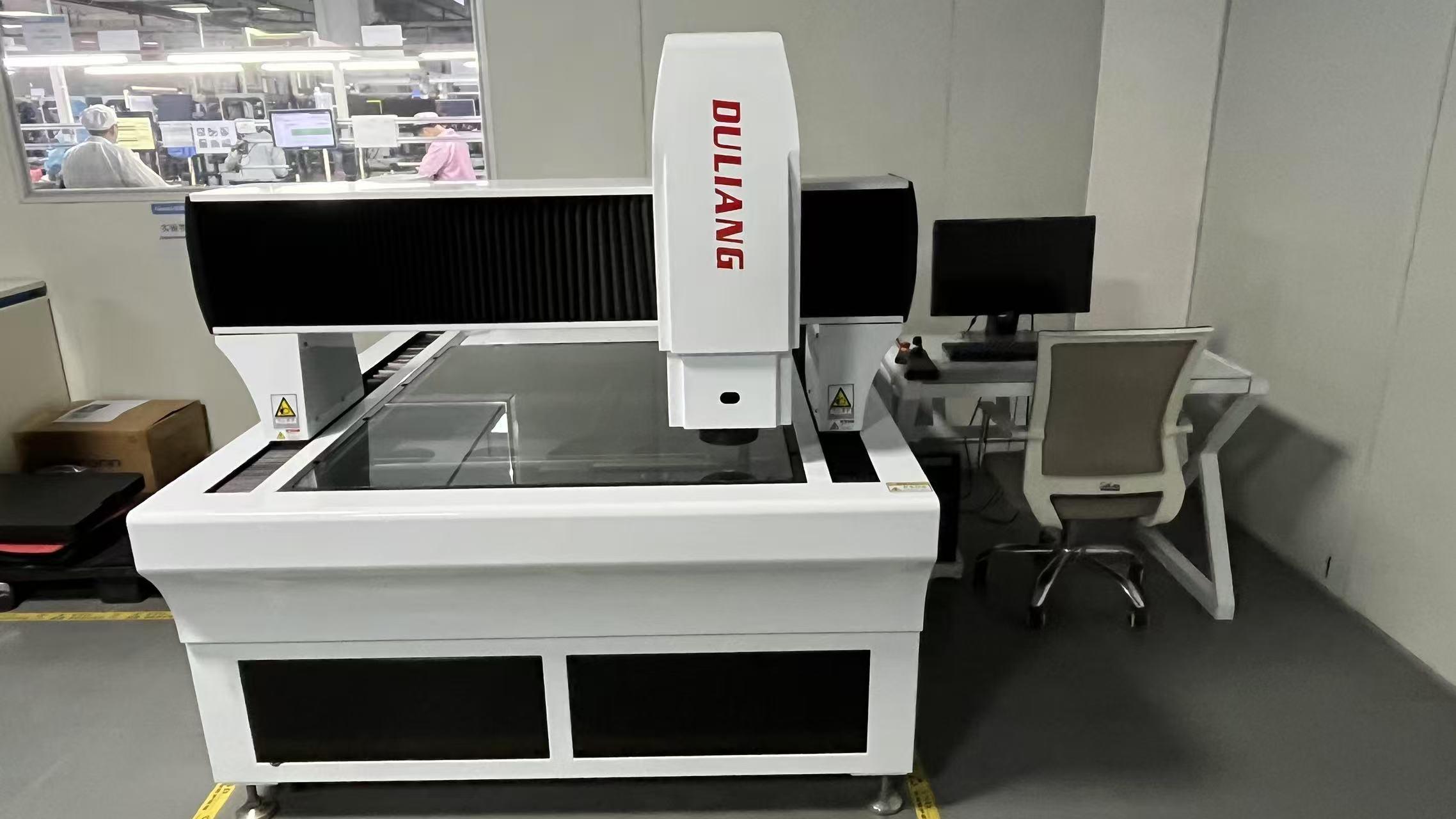
At CoreByte, we recognize that memory is only one part of the wider system ecosystem. System performance relies on the interaction between PCBs, thermal units, and processor platforms. For example, high-power server chipsets require robust thermal management to avoid thermal throttling and prevent early component degradation.
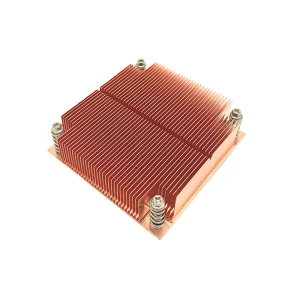
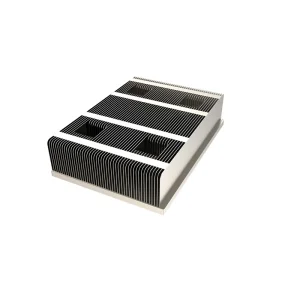
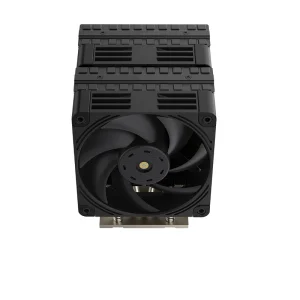
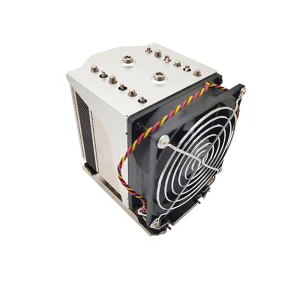
CoreByte offers tailored solutions that pair our memory with advanced motherboards, passive heat pipes, and high-performance server coolers (such as LGA2011 or SP3 heatsinks). This comprehensive system focus prevents compatibility bottlenecks, simplifies sourcing, and speeds up time-to-market for system integrators and OEMs.
Get authoritative answers to technical and procurement questions about China DDR3 RAM manufacturing.
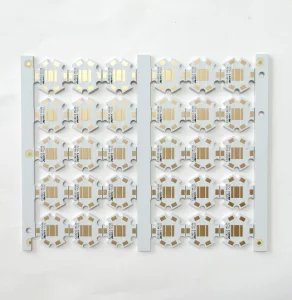
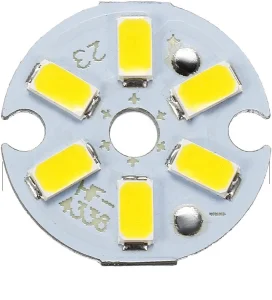
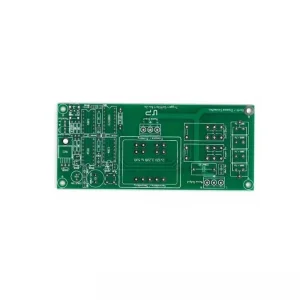
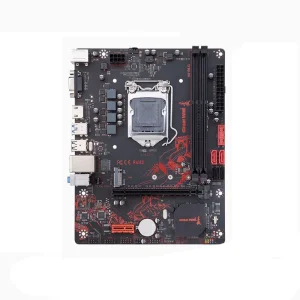
Browse our related line of server motherboards, multi-layer PCBs, and advanced cooling systems designed to optimize hardware performance.
 CoreByte