Explore our premium high-speed components, high-density PCBs, and advanced server thermal interfaces.
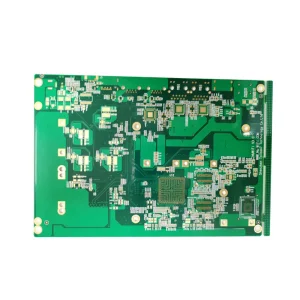
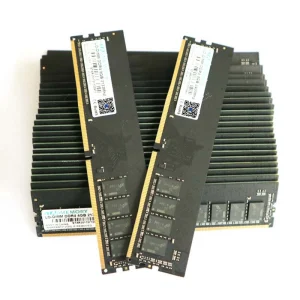
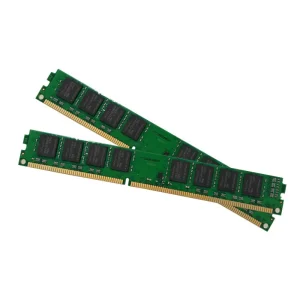
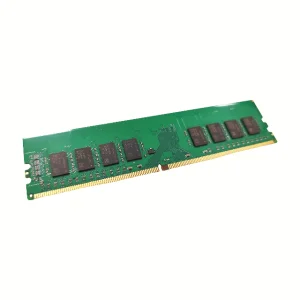
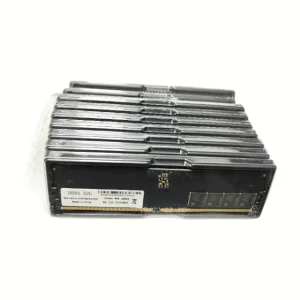
Pioneering High-Frequency, Multi-Layer PCB Integration for Global Data Architectures
CoreByte Storage Technology Co., Ltd. is a leading DDR5 memory and high-performance DRAM solution manufacturer, specializing in the precision fabrication of multi-layer printed circuit boards (PCBs) for global OEM, enterprise, and data center operations. We understand that in the era of artificial intelligence and cloud computing, the physical PCB layer stackup is the foundation of electrical reliability, signaling integrity, and thermal stability.
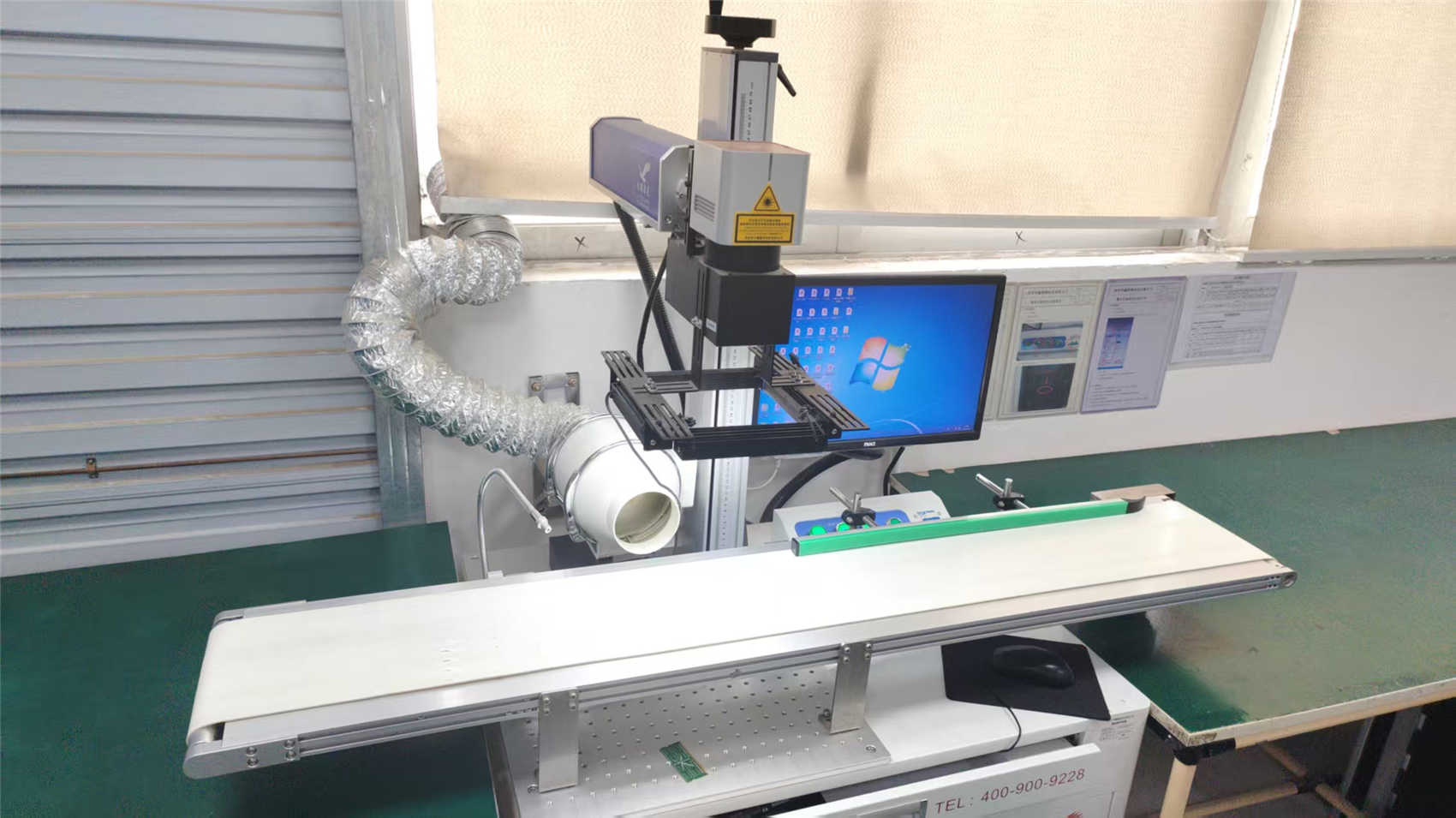
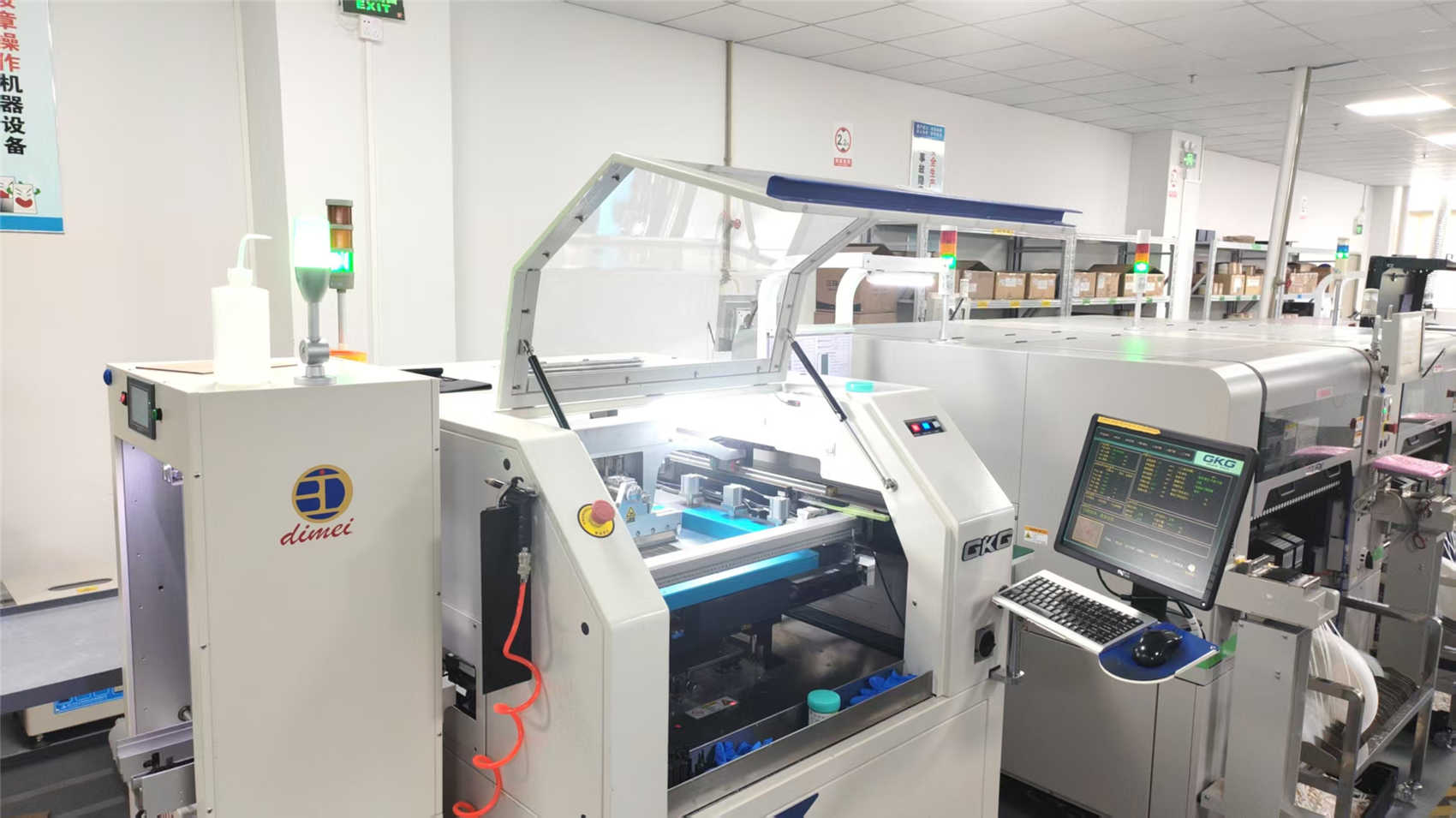
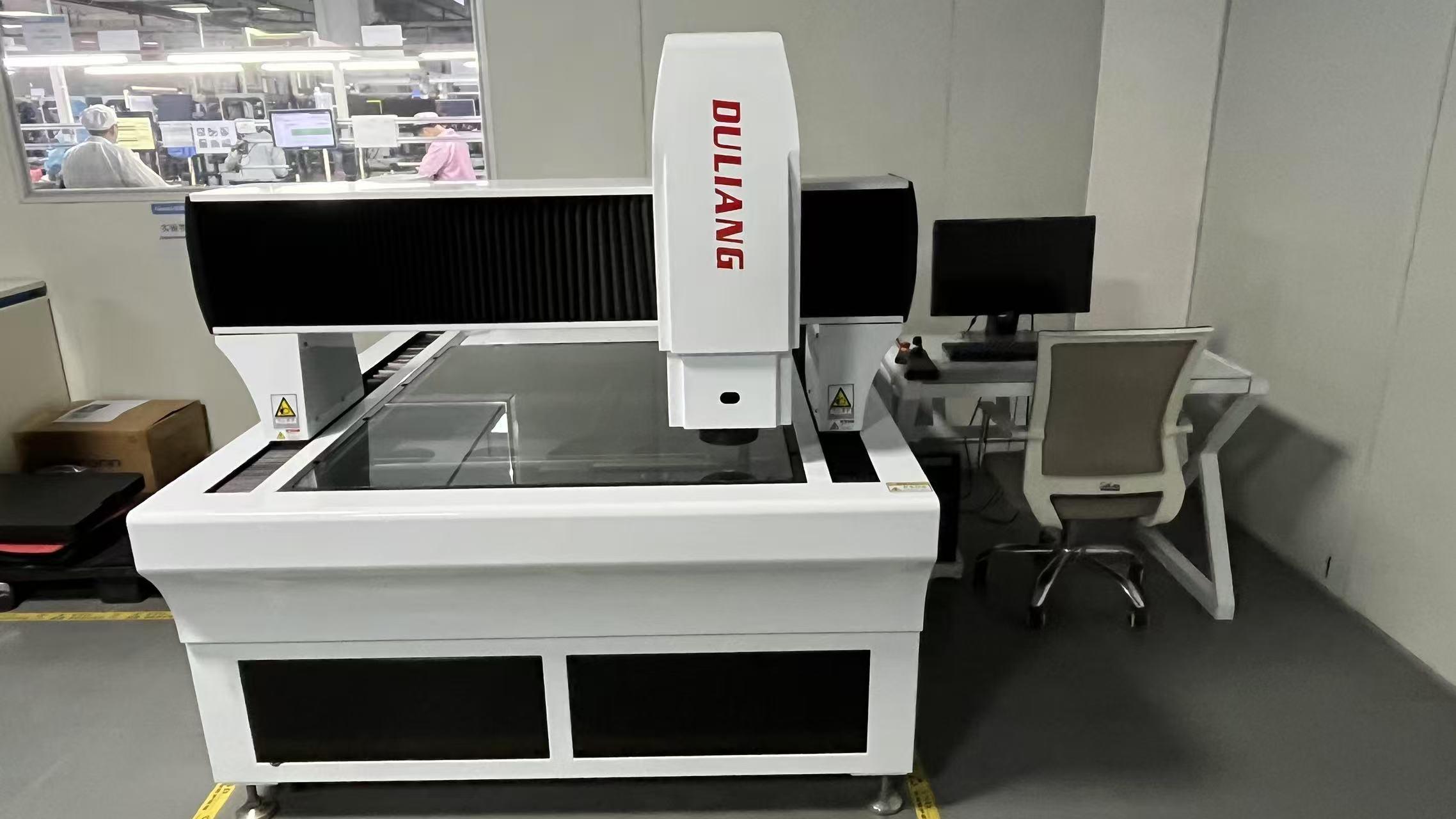
Our infrastructure supports multi-layer PCB design optimization, frequency tuning, high-efficiency thermal solution integration, and custom branding architectures. Operating a modern manufacturing and testing space optimized for advanced surface mount technology (SMT) and automated visual inspection, we scale production from rapid prototypes to high-volume commercial runs.
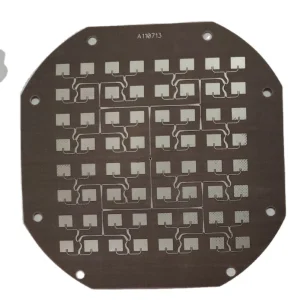
Modern telecommunication, high-frequency radar, server motherboards, and power systems demand multilayer designs that reduce electromagnetic interference (EMI) and insertion losses. CoreByte addresses these needs through comprehensive circuit layout design, using advanced materials like Taconic TLY-5, high-Tg FR-4, and specialized metal substrates (aluminum-backed PCBs) to secure consistent heat transfer and electrical characteristics.
We work in tandem with regional OEMs and global server companies to build robust boards optimized for high-power environments, such as welding machine inverters, custom Wi-Fi control modules, and DDR5 memory modules executing at up to 6800 MHz. By minimizing signal degradation across multiple conductive planes, our boards enable next-generation computing systems to perform reliably under continuous heavy loads.
Analyzing high-layer count PCB supply chains, materials compliance, and market demands.
Enterprise and defense industries require strict compliance with IPC Class 3 standards, RoHS directives, and REACH regulations. The demand centers around high-reliability boards featuring blind and buried vias, minimal signal distortion, and high dimensional stability under extreme operating ranges.
With the decentralization of manufacturing networks, Southeast Asia has emerged as a key center for consumer electronics and power system assembly. Our logistical framework bridges these regions to maintain a reliable, continuous flow of high-quality multilayer substrates.
Modern server platforms (such as LGA4189 and SP5 sockets) necessitate dense circuit tracing and micro-vias. This technology minimizes copper path lengths, allowing high-frequency operations without risking signal reflection or cross-talk.
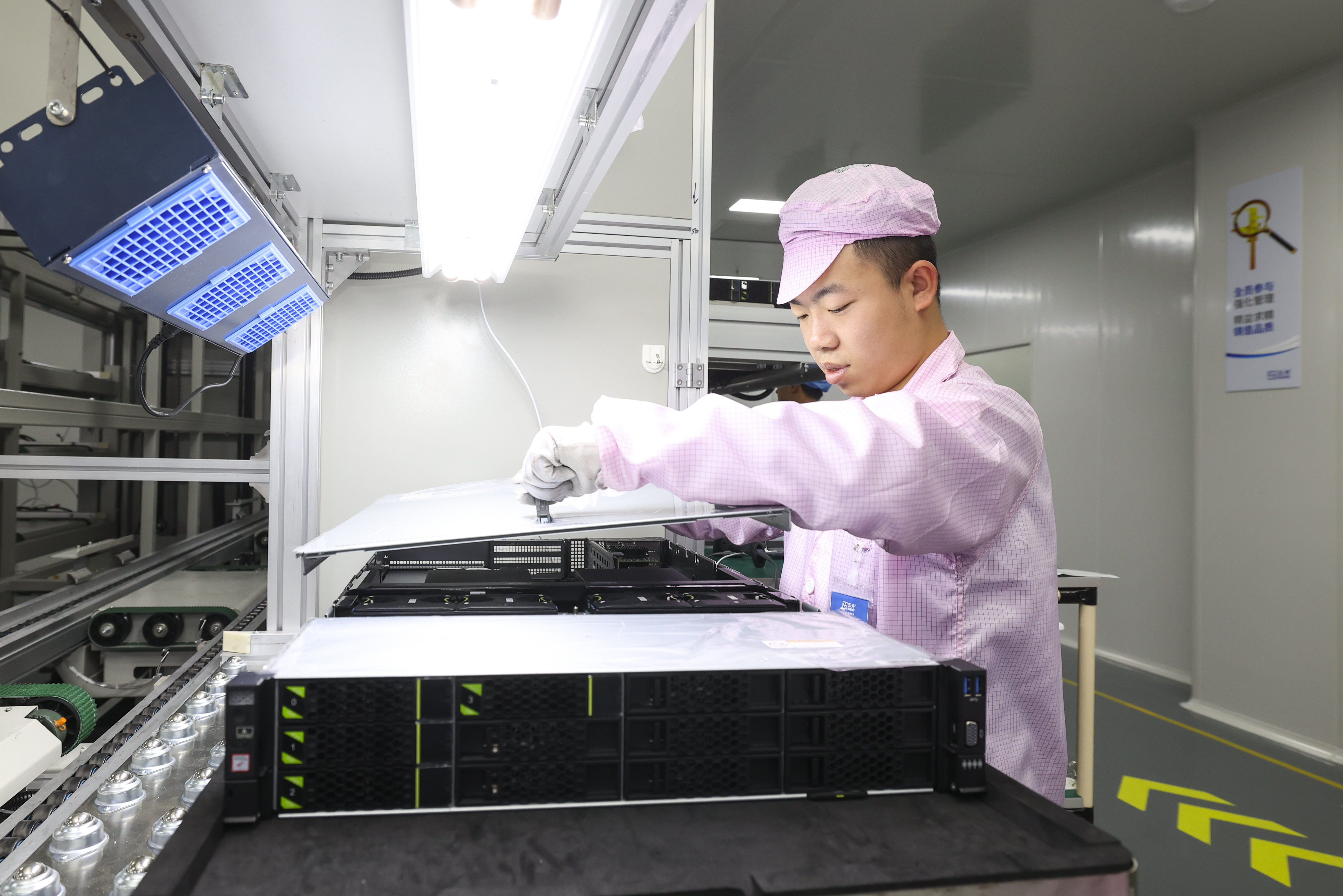
The global semiconductor and memory landscape is transitioning towards tighter pitch structures, requiring multi-layer circuit board factories to invest heavily in precision machinery. From automated dry-film lamination to direct laser imaging (LDI), maintaining high yield rates demands cleanroom conditions and experienced engineers. CoreByte meets these demands by running a 45-person inspection team dedicated to verifying physical and electrical properties across every layer before shipment.
Deep-dive specifications comparing substrate performance, layer metrics, and impedance parameters.
| PCB Substrate Type | Layer Count Range | Dielectric Constant (Dk) | Thermal Conductivity | Primary Industrial Applications |
|---|---|---|---|---|
| Standard FR-4 High Tg | 4 - 32 Layers | 3.8 - 4.5 | 0.35 - 0.4 W/m·K | Desktop memory modules, consumer motherboards, control circuits. |
| Aluminum Substrate (Metal Core) | 1 - 4 Layers | Variable (polymer dependent) | 1.5 - 3.0 W/m·K | Power LED modules, welding inverters, industrial power converters. |
| Taconic TLY-5 (PTFE Fiberglass) | 2 - 12 Layers | 2.20 ± 0.02 | 0.22 W/m·K | High-frequency RF, microwave systems, radar communications. |
| HDI Stackups (1+N+1 to arbitrary) | 8 - 24 Layers | 3.5 - 4.2 | 0.4 - 0.5 W/m·K | Enterprise servers, AI acceleration cards, high-speed RAM. |
To prevent losses when transmitting data at gigabit speeds (e.g., DDR5 RAM operating at 6000MHz or PCIe Gen5 protocols), physical design rules must be calculated down to the micrometer. Line width, trace spacing, and the thickness of the dielectric layer directly dictate the characteristic impedance. We offer multi-layer layouts that keep impedance fluctuations under ±5%, ensuring reliable performance across broad frequency ranges.
Securing cross-border compliance, certified materials, and customized engineering integration.
Exporting high-technology goods globally demands a thorough understanding of localized regulatory environments. Our PCB designs comply with UL 94V-0 flammability ratings, IPC-A-600 quality standards, and European CE/RoHS requirements. To guarantee long-term performance under demanding operating conditions, CoreByte implements rigorous testing protocols:
We work closely with localized design houses and system integrators to resolve PCB performance issues before layout commitment. Whether adjusting layer spacing to meet target impedance, configuring thermal copper planes, or specifying copper weights up to 4oz, our engineering division supports clients through detailed design-for-manufacturability (DFM) reviews. This proactive approach saves development time and prevents costly layout revisions.
Analyzing how multi-layer boards integrate with high-performance cooling systems, server memory, and industrial control nodes.
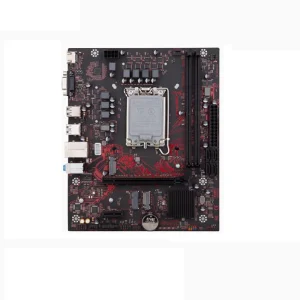
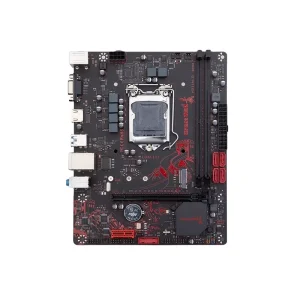
Utilizing server platforms like the LGA1700 or LGA3647 requires robust multi-layer motherboards capable of handling dense DDR5 bus structures and PCIe routing. The board layout must maintain stable signal integrity across high-pin-count sockets while withstanding the physical stress of heavy CPU heatsinks.
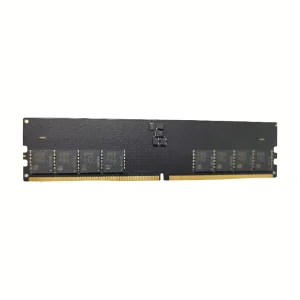
Modern memory modules, including high-performance DDR4 and DDR5 RAM, rely on optimized 8-layer or 10-layer PCB stackups. These configurations must support fast clock speeds up to 6800MHz, using thin dielectric layers and precise copper spacing to control crosstalk.
For applications like welding inverters and high-power power bank PCBs, boards must handle high current density. This requires thick copper layers, heavy-duty thermal designs, and specialized metal substrates (like aluminum PCBs) to manage heat dissipation effectively.
Complete your system integration with our high-speed RAM modules, server coolers, and specialized PCBs.
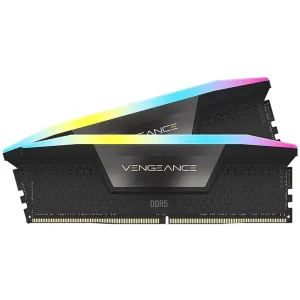
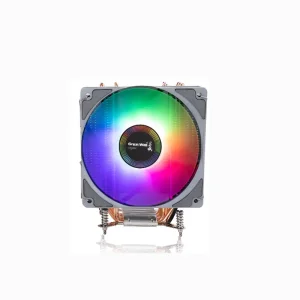
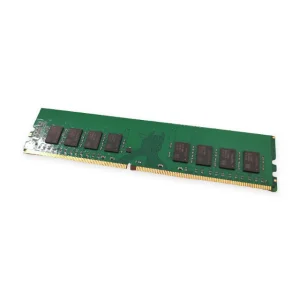
Leading the next generation of HDI substrates, embedded component packaging, and advanced substrate technologies.
As semiconductor lithography nodes scale down, motherboards and memory modules must transition to tighter pitches, narrower trace lines, and smaller micro-vias. Our design team is currently developing high-aspect-ratio blind/buried via configurations that support stable trace designs down to 30 microns. This enables high pin-count memory modules (such as DDR5 running above 6800MHz) to achieve robust electrical paths without risking crosstalk.
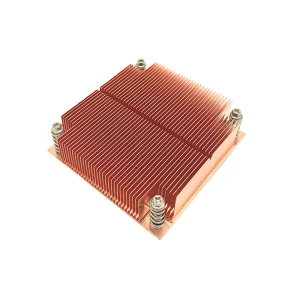
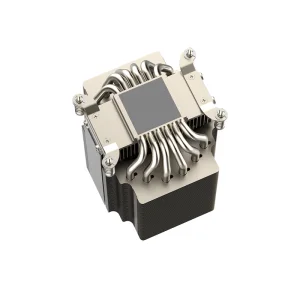
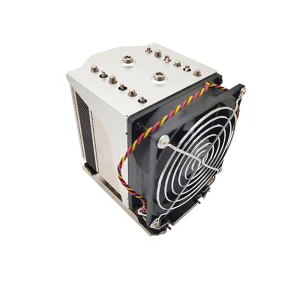
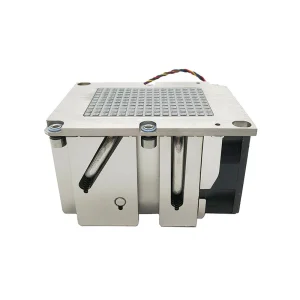
Managing heat in compact enclosures requires advanced thermal design. The integration of high-conductivity metal core bases, direct-thermal-path copper coins, and high-performance server heatsinks (like the 320W LGA4189-N96) ensures stable operating temperatures. Our future roadmap prioritizes combining ultra-thin dielectric layers with metal cores to maximize heat transfer away from high-power components.

Industry-specific answers detailing multilayer PCB design, high-frequency performance, thermal management, and production capabilities.
 CoreByte