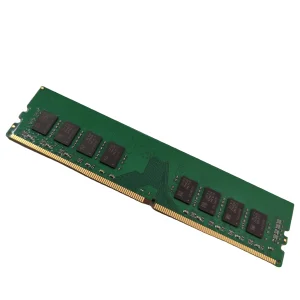
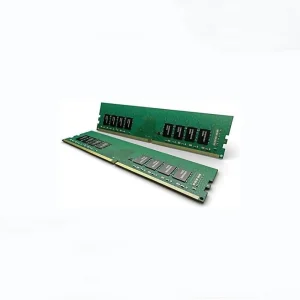
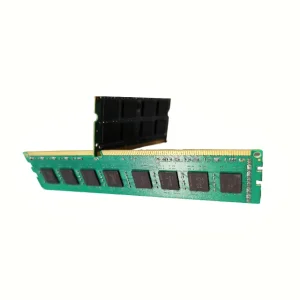
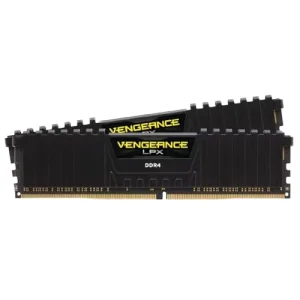
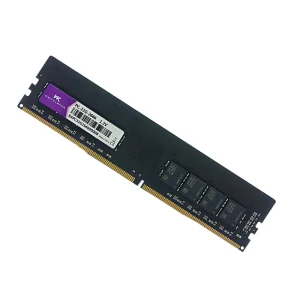
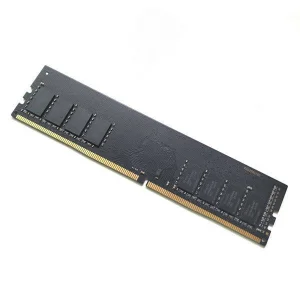
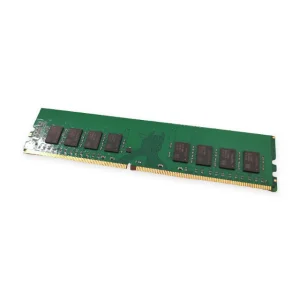
Explore our core selection of enterprise and desktop-grade DDR4 memory modules, ready for global volume distribution.
A Comprehensive Technical Evaluation of DDR4 RAM Performance, Architecture, Sourcing Dynamics, and Legacy System Longevity.
In today's fast-changing computing world, the emergence of DDR5 might seem to shift focus away from older technologies. However, data center operations, industrial automation, and enterprise procurement data reveal a different reality. DDR4 RAM memory remains a fundamental pillar of the global IT infrastructure. As an established technology, DDR4 provides a level of cost efficiency, operating reliability, and low power usage that newer memory configurations often struggle to match immediately.
For systems that require high uptime—such as network switches, enterprise server stacks, and embedded edge systems—the premium cost of migrating to DDR5 does not always align with clear ROI benefits. Hardware designers and procurement officers know that choosing DDR4 is not a compromise. It is a calculated, cost-effective decision to maximize system stability. This whitepaper analyzes the key components of DDR4 architecture, China's manufacturing advantages, and CoreByte Storage Technology's commitment to maintaining a robust supply of high-grade DRAM modules.
DDR4 operates at high data rates (up to 3200MHz and 3600MHz) with lower voltage demands (1.2V), significantly reducing power needs compared to older legacy standards.
Advanced Error-Correcting Code (ECC) technology detects and repairs single-bit errors in real-time, preventing crashes and system downtime for critical servers.
By retaining a reliable supply of DDR4 components, manufacturers can sustain infrastructure lifetimes for 7 to 10 years without requiring expensive motherboard overhauls.
How localized production hubs and strong partner networks ensure reliable supply chains and consistent product quality.
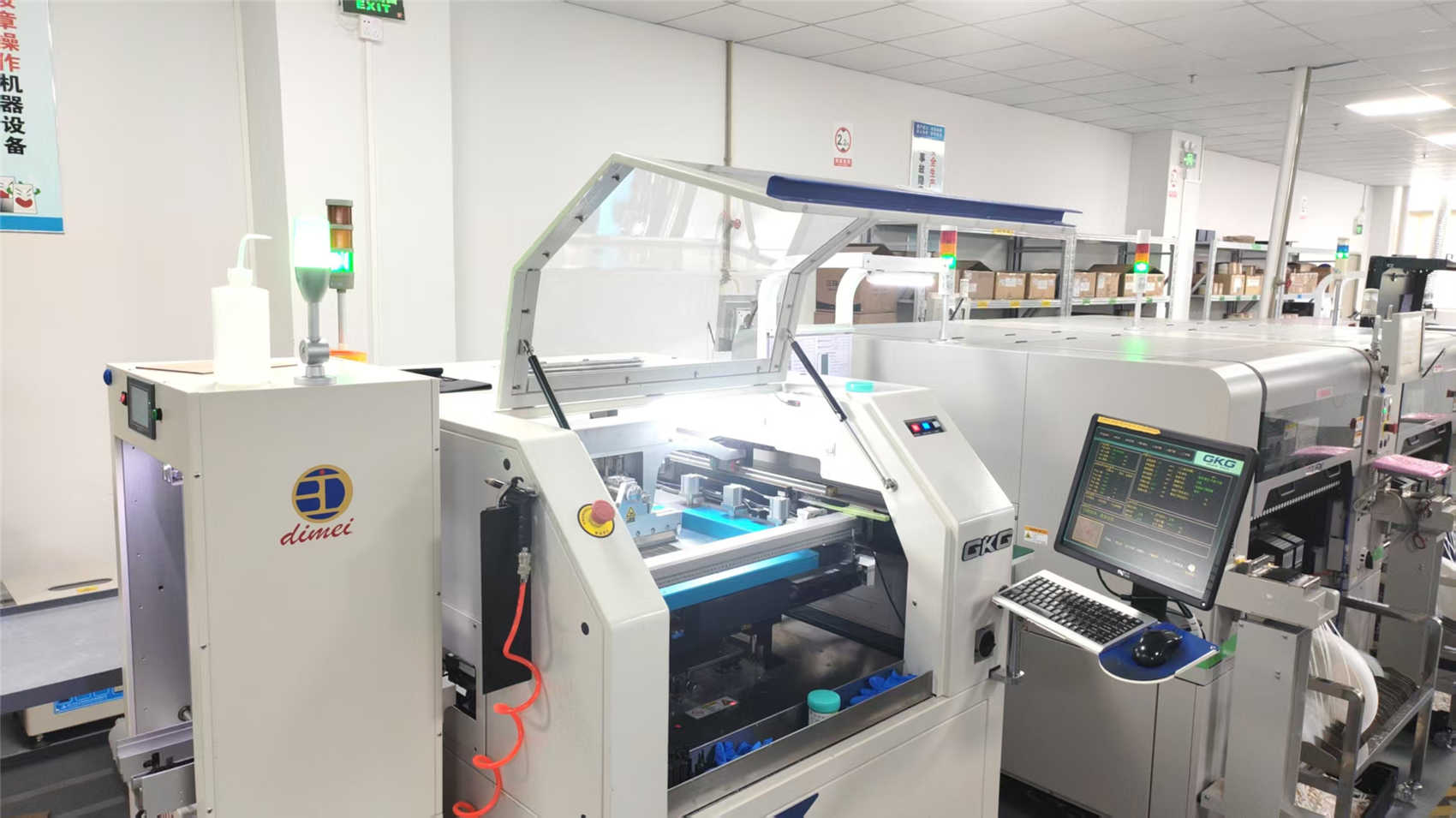
The manufacturing process for high-density DRAM modules requires strong partnerships, reliable raw material access, and advanced assembly tools. By situating our facilities in China's key tech manufacturing regions, CoreByte accesses a deep network of component suppliers and packaging experts. This positioning helps resolve the supply chain issues common in high-demand markets.
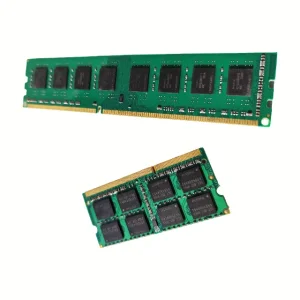
Understanding the balance between UDIMM, SODIMM, ECC, and Non-ECC options for different project applications.
Large enterprise projects need to balance costs with performance. Buyers should not just look at unit price; they need to evaluate hardware compatibility, power budgets, and long-term hardware support. Below, we break down how to choose the right RAM configuration for standard corporate projects:
Designed for multi-socket servers, Registered DIMMs (RDIMMs) add a register between the system's memory controller and the DRAM modules to reduce signal load and support larger memory capacities.
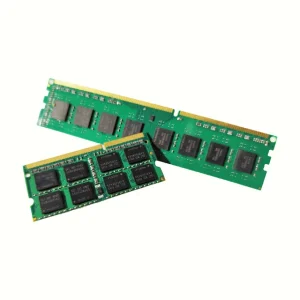
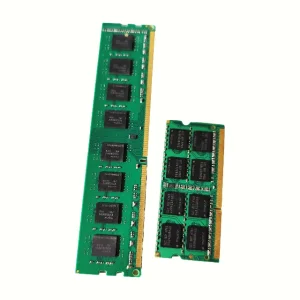
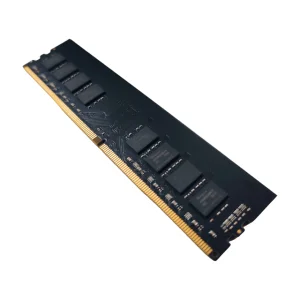
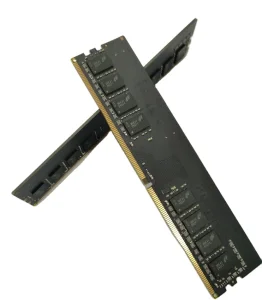
Unbuffered DIMMs (UDIMMs) are ideal for office computers, CAD workstations, and regular business setups, offering low latency and direct signal paths.
Small Outline DIMMs (SODIMMs) are perfect for space-constrained builds, including office laptops, industrial mini-PCs, and compact networking hubs.
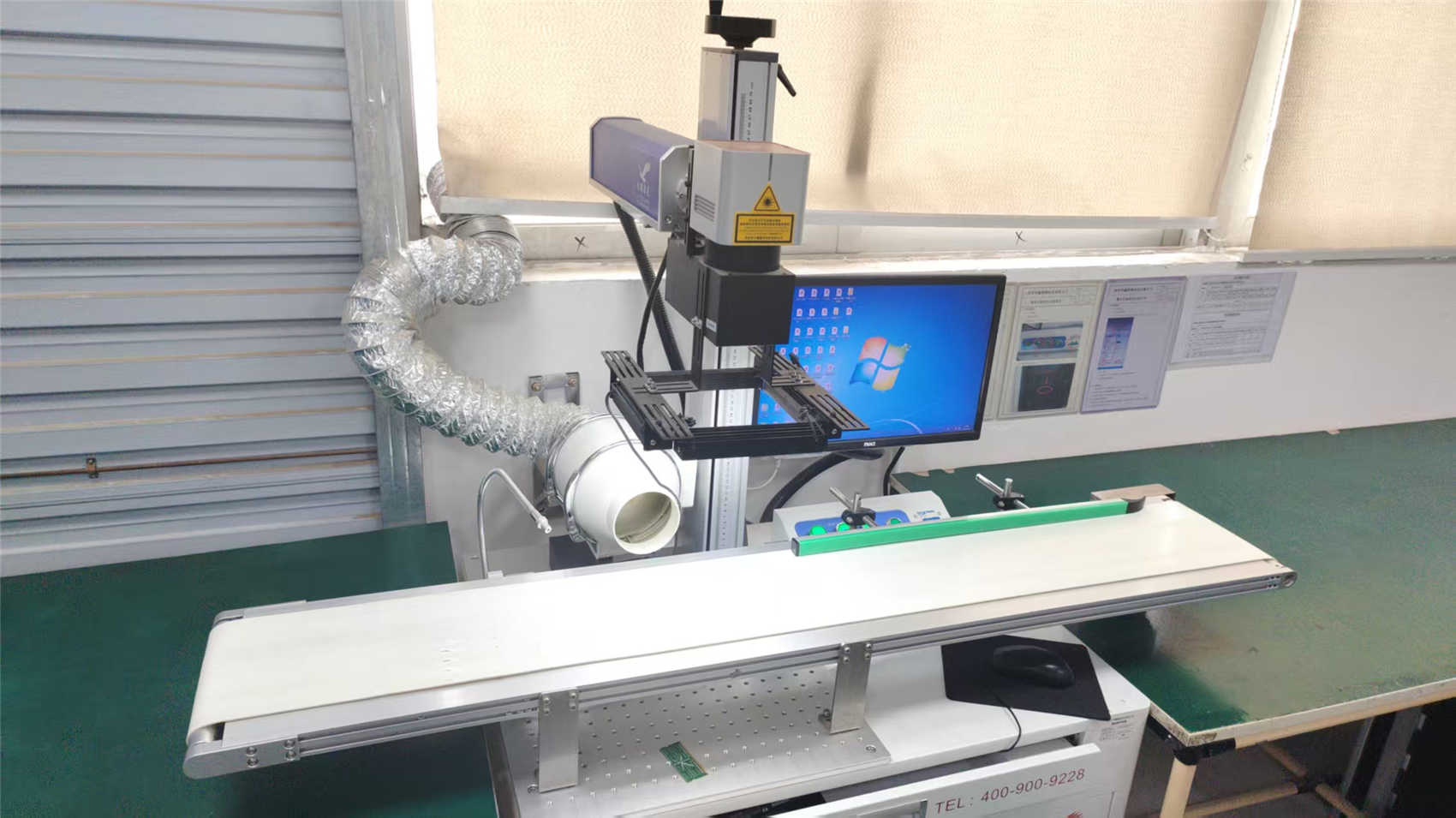
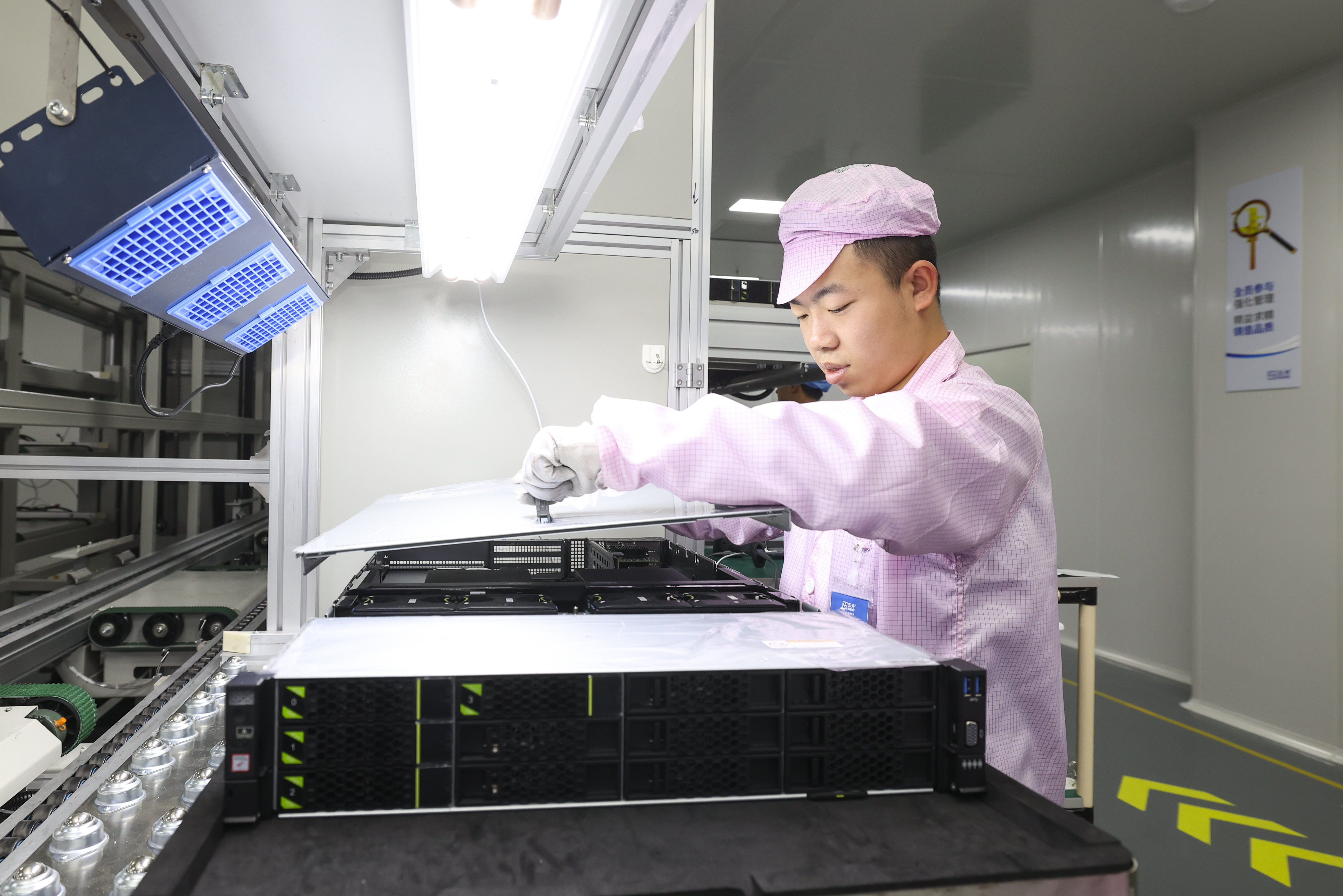
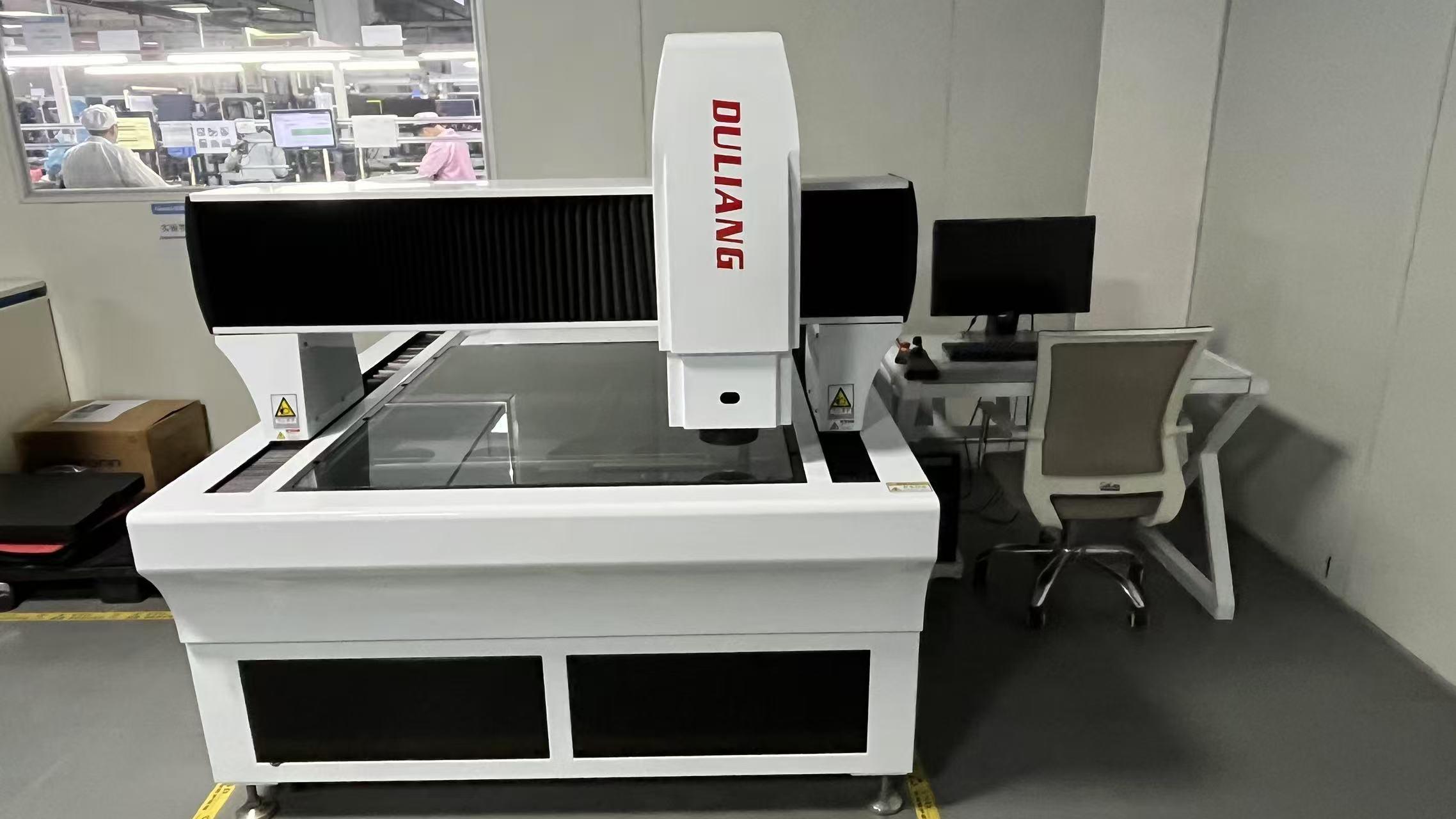
Underpinned by ISO9001 frameworks, Automated Optical Inspection (AOI), and high-temperature stress tests.
At CoreByte Storage Technology, product quality is our primary focus. Memory failure can lead to data loss, corrupted files, and system downtime. To ensure high reliability, we implement strict, multi-phase validation testing across all stages of production:
A trusted global memory manufacturer specializing in reliable, high-performance DRAM solutions.
Established in 2016, CoreByte Storage Technology Co., Ltd. specializes in design, manufacturing, and distribution of high-performance DRAM memory modules. With over 9 years of industry experience and 6 years of export expertise, we deliver reliable solutions to OEMs, system integrators, and distributors worldwide. Our annual export business reaches approximately USD 12 million, serving key markets across North America, Europe, Southeast Asia, and the Middle East.
Our facility features advanced production tools, testing equipment, and cleanrooms designed to maintain strict quality standards. Our quality assurance team includes 45 dedicated inspectors who monitor every production run. In addition, our 85 R&D engineers design and launch around 120 new product models annually, helping us stay aligned with changing technologies in computing, cloud storage, and gaming hardware.
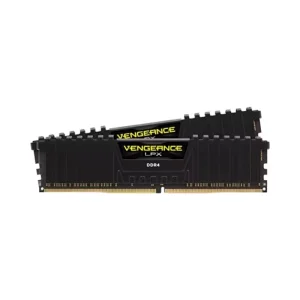
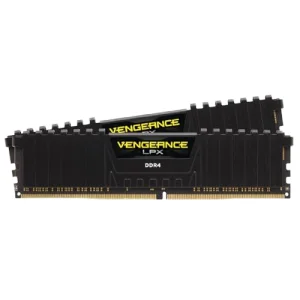
We provide comprehensive OEM and ODM customization options, including specialized PCB layouts, optimized operating speeds, custom thermal shields, and custom packaging. This support helps our customers create tailored solutions for their specific markets.

DDR4 memory continues to power a wide range of devices across modern business and industrial sectors.
Industrial computing setups face challenging conditions, including variable temperatures and dust. Our DDR4 modules are designed to maintain reliability in these rugged environments.
With data demands increasing, local NAS setups rely on ECC memory to manage traffic without data loss, helping protect database assets.
Maintaining older systems allows businesses to run operational setups longer, deferring the significant costs of major hardware upgrades.
Practical technical insights to help guide your purchasing and integration decisions.
ECC (Error-Correcting Code) memory includes an extra data chip that allows the system to detect and correct single-bit errors in real-time. This helps prevent system crashes and data loss. Non-ECC memory is better suited for regular office desktops and consumer setups where cost-efficiency is more important than absolute, continuous uptime.
We run compatibility checks on every batch using major motherboards from brands like Intel, AMD, ASUS, Gigabyte, and MSI. Our modules are designed to follow standard JEDEC specifications, ensuring plug-and-play operation with standard system setups.
We use a multi-step quality control system. First, Automated Optical Inspection (AOI) verifies the physical assembly of all parts on the PCB. Next, the modules undergo high-temperature aging and burn-in testing to check stability under heavy workloads. Finally, we run full software test routines to verify write and read performance.
Yes. We offer complete OEM and ODM customization. Our 85 R&D engineers can design custom PCB layouts, adjust operating speeds and latency settings, add custom heat spreaders, and design custom packaging to meet your project's specific requirements.
All our memory products are built in accordance with ISO9001 quality management guidelines. They comply with CE, FCC, RoHS, and REACH standards, ensuring they meet the environmental and safety regulations of major international markets.
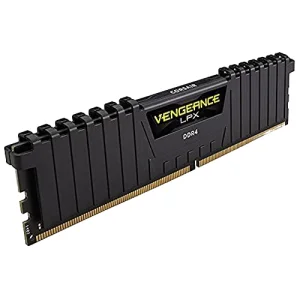
High-quality memory modules optimized for desktop computers, corporate servers, and mobile workstations.
 CoreByte