Premium Circuit Substrates, Custom Assemblies, and Prototype Fabrication Services
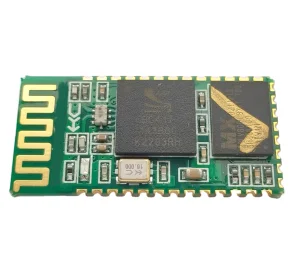
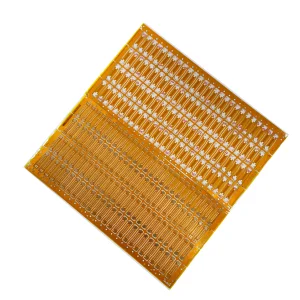
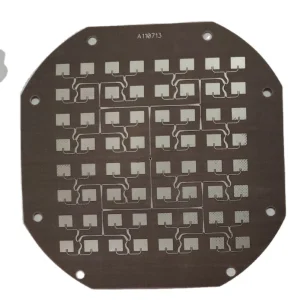
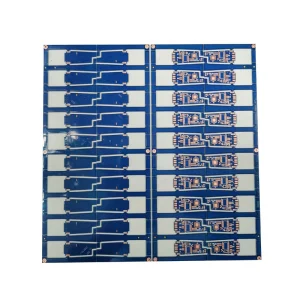
Analyzing market dynamics, supply chain fluctuations, and key macro factors influencing hardware engineering
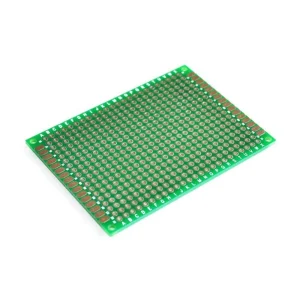
In the rapidly changing electronics industry, Single-Sided and Double-Sided Printed Circuit Boards (PCBs) remain the foundational building blocks of global hardware ecosystems. While multilayer and high-density interconnect (HDI) boards dominate advanced computing and smartphones, single and double-sided boards represent the highest volume segments globally. They serve as cost-effective, thermally stable, and reliable solutions for automotive systems, power converters, smart grids, LED lighting, and consumer home appliances.
Industrial data indicates that over 40% of the world's functional board volume consists of single or double-sided designs. This enduring market share is due to the balance of simplicity and reliability. High-power components require thicker copper layers and specialized substrates, such as aluminum-clad laminates, to handle heat dissipation. In these cases, single-sided or double-sided PCBs are preferred over complex, expensive multi-layer designs. Global procurement managers recognize that optimization at this level directly affects product durability and cost efficiency.
We utilize advanced substrates like Taconic TLY-5 and high-grade FR-4 to maintain a stable dielectric constant (Dk) in harsh conditions.
Our aluminum base boards provide thermal conductivity up to 3.0 W/m-K, preventing thermal runaway in power components.
Engineered trace geometries and balanced copper distribution minimize cross-talk and preserve signal integrity.
Why domestic manufacturers offer distinct advantages in lead time, material sourcing, and precision engineering
The manufacturing ecosystem in China provides significant efficiency advantages for single and double-sided PCB production. Through supply chain clustering, raw materials like copper-clad laminates (CCL), glass fiber fabrics, epoxy resins, and dry film resists are sourced locally. This reduces transit times and buffers production from global logistics delays. Facilities like CoreByte Storage Technology Co., Ltd. utilize this localized network of over 1,200 partners to maintain continuous production and fast delivery.
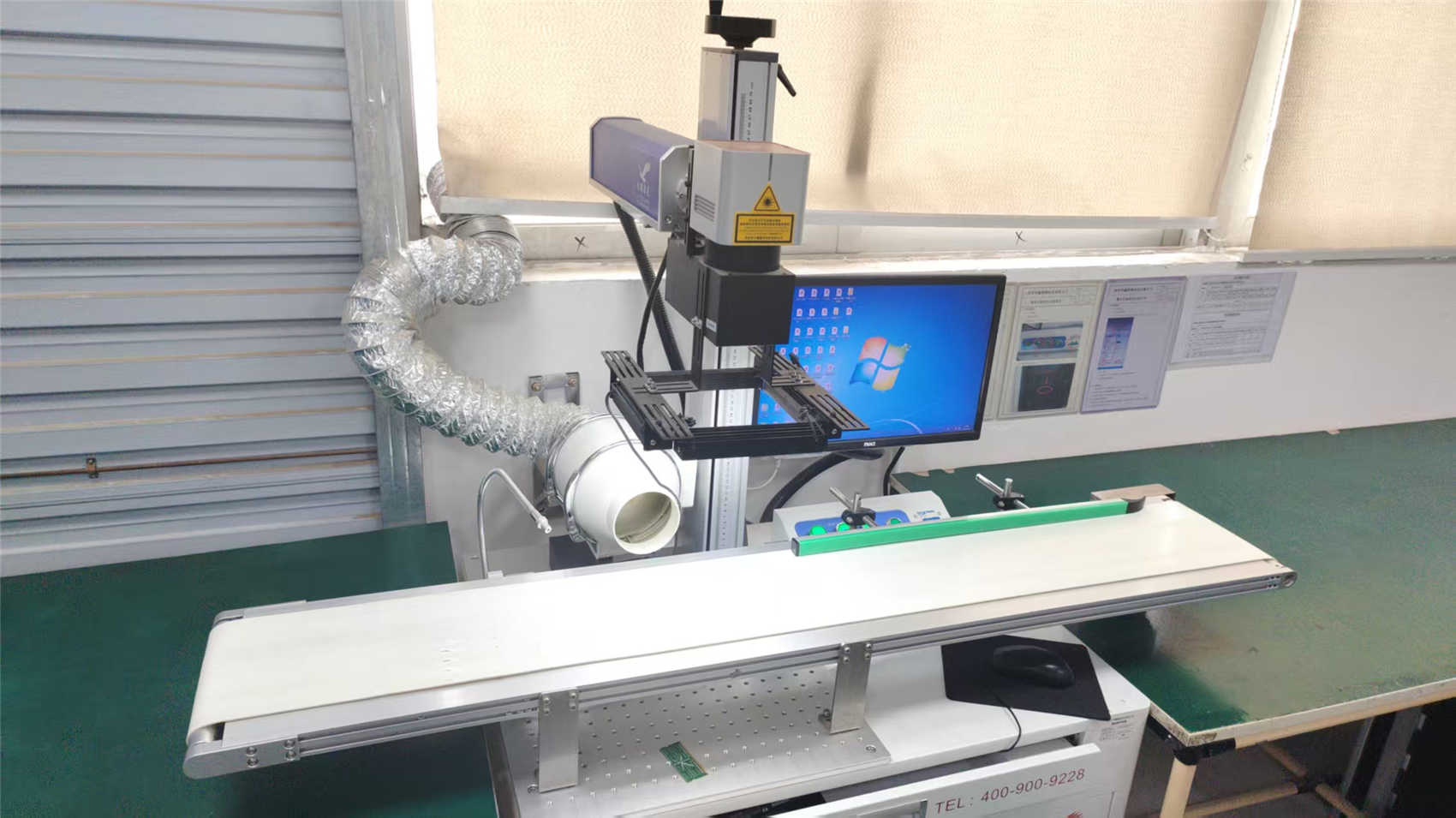
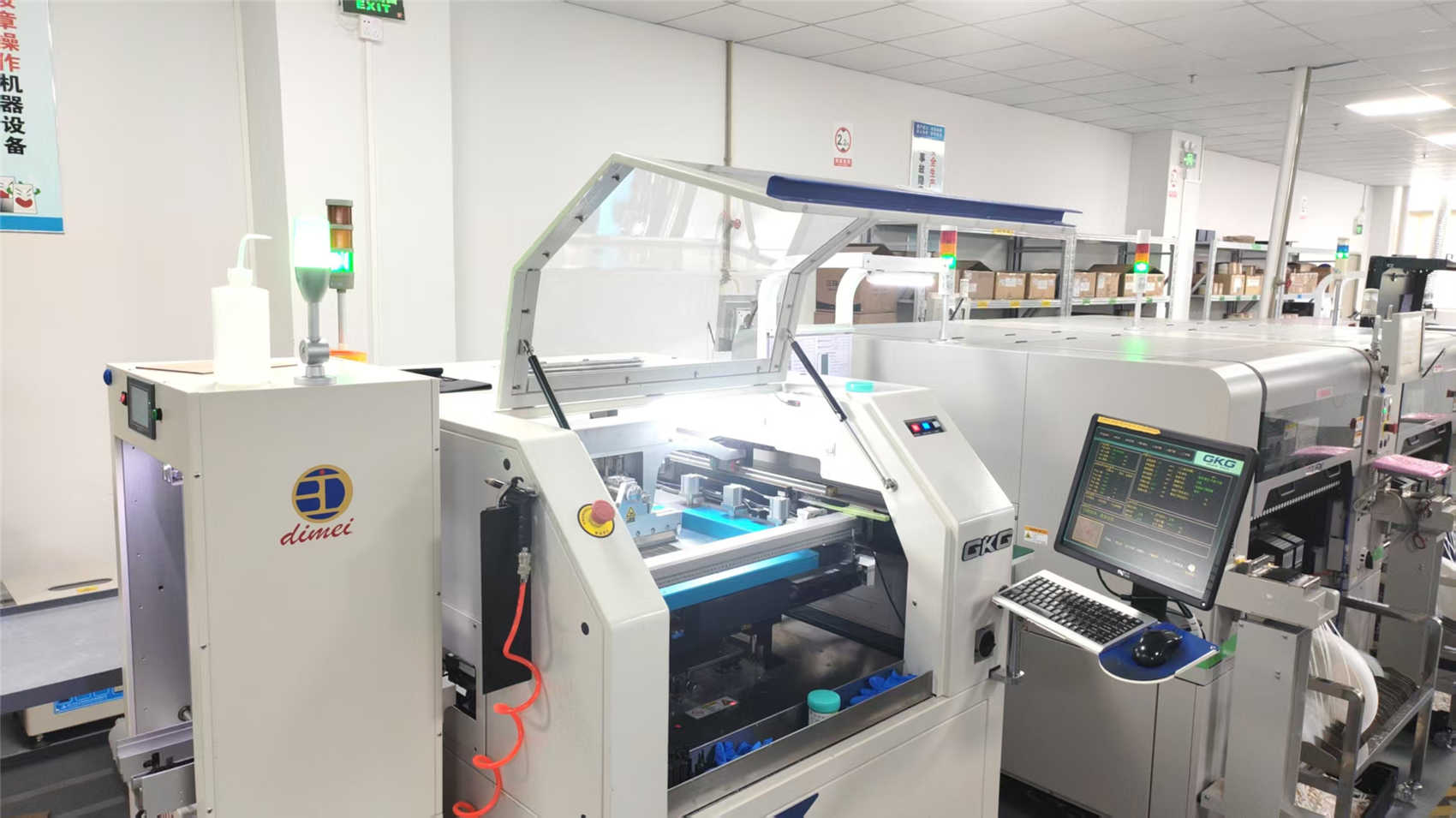
In addition, Chinese factories feature advanced automation. High-speed CNC drilling machines, automated copper plating lines, automated optical inspection (AOI) stations, and direct imaging exposure setups ensure high precision. While custom design and prototyping once required weeks of tooling, Chinese manufacturers now use automated setups to ship double-sided prototypes within 24 to 48 hours. By standardizing process flows and scaling production, these facilities reduce per-unit costs, helping global buyers optimize their supply chains.
Material Engineering, Impedance Calibration, and Substrate Dynamics
Selecting the correct substrate is a critical step in hardware engineering. Single-sided PCBs are typical for designs where trace isolation is straightforward and component density is low. They avoid the need for plated through-holes (PTH), simplifying fabrication. Double-sided PCBs, by contrast, use plated through-holes to link the top and bottom copper layers. This configuration allows for complex circuit designs, shielding layers, and ground planes on a single board.
For high-frequency and high-power applications, standard FR-4 (dielectric constant ~4.4) may introduce signal loss or thermal issues. High-frequency designs often require materials like Taconic TLY-5, which features a low, stable dielectric constant of 2.2 and a dissipation factor (Df) of 0.0009. This makes it suitable for RF interfaces, aerospace transceivers, and radar sensors. For power electronics, such as LED arrays or industrial drivers, aluminum substrates use a thin, thermally conductive dielectric layer laminated between the copper foil and an aluminum base. This design rapidly transfers heat away from active components, preserving circuit performance.
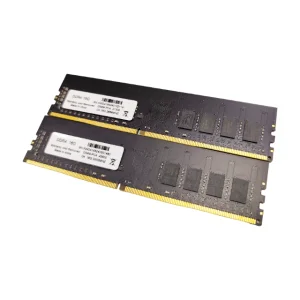
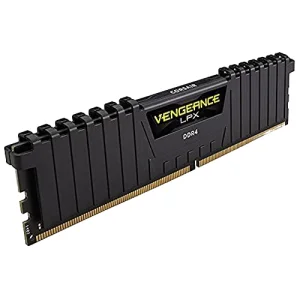
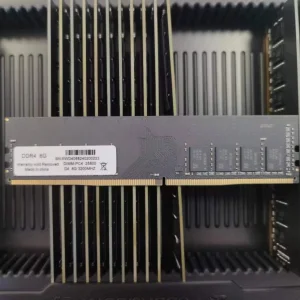
Impedance matching is also critical for high-speed signal routing on double-sided boards. For example, DDR4 and DDR5 memory modules (including CoreByte's 3200MHz RAM architectures) rely on controlled trace geometry, reference plane distances, and dielectric properties to maintain a 50Ω single-ended and 100Ω differential impedance. Our engineers use electromagnetic field solvers to simulate and adjust stackup profiles before manufacturing, reducing signal reflections and electromagnetic interference (EMI).
From industrial automation and energy systems to consumer device architectures
Used in environments like mining and exploration, where high-sensitivity circuits (such as gold metal detector systems) require stable ground planes and isolated sensor traces to reduce noise.
High-brightness LED systems, automotive headlights, and power converters use aluminum-backed PCBs to manage thermal loads, ensuring reliability and extending device life.
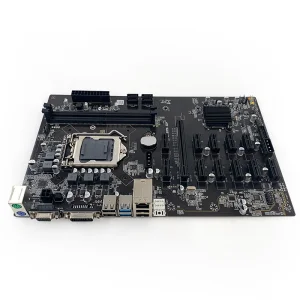
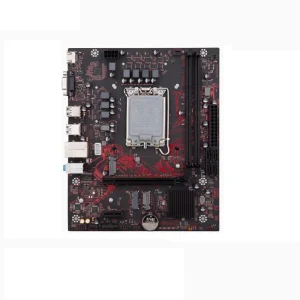
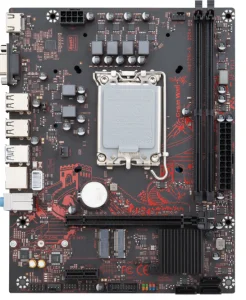
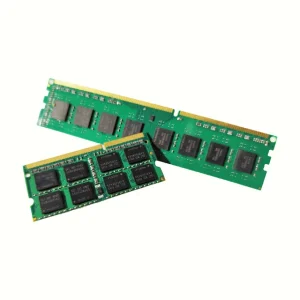
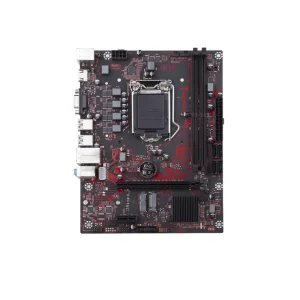
Found in high-density RAM modules (DDR4/DDR5) and processor motherboards, where double-sided layouts with impedance-controlled traces are necessary to support high-frequency data signals.
Key industry trends show growing demand for eco-friendly materials and thin, flexible form factors. Halogen-free laminates are increasingly specified to meet environmental standards, while ultra-thin options (such as 0.254mm Taconic layers) allow for compact, lightweight assemblies in aerospace and mobile devices. These developments enable manufacturers to design smaller electronics without sacrificing signal speed or thermal performance.
A systematic framework for quality assurance, risk mitigation, and lead-time optimization
Procuring circuit boards on a global scale requires careful evaluation of technical capabilities and quality management systems. Buyers must ensure that suppliers maintain rigorous inspection protocols rather than relying on visual checks alone. A standard B2B procurement framework should include:
Working with partners that combine component sourcing with board fabrication helps reduce assembly delays. By sourcing memory chips, passive components, and custom hardware through unified supply chains, companies can streamline their logistics and accelerate time-to-market.
CoreByte Storage Technology Co., Ltd. — Professional DRAM and High-Performance Board Assembly Systems
CoreByte Storage Technology Co., Ltd. is a professional DDR5 memory and DRAM solution manufacturer specializing in high-performance memory modules for global OEM, enterprise, and data center applications. Established in 2016, the company has developed strong capabilities in R&D, production, and international trade, focusing on stable, high-speed, and energy-efficient memory products.
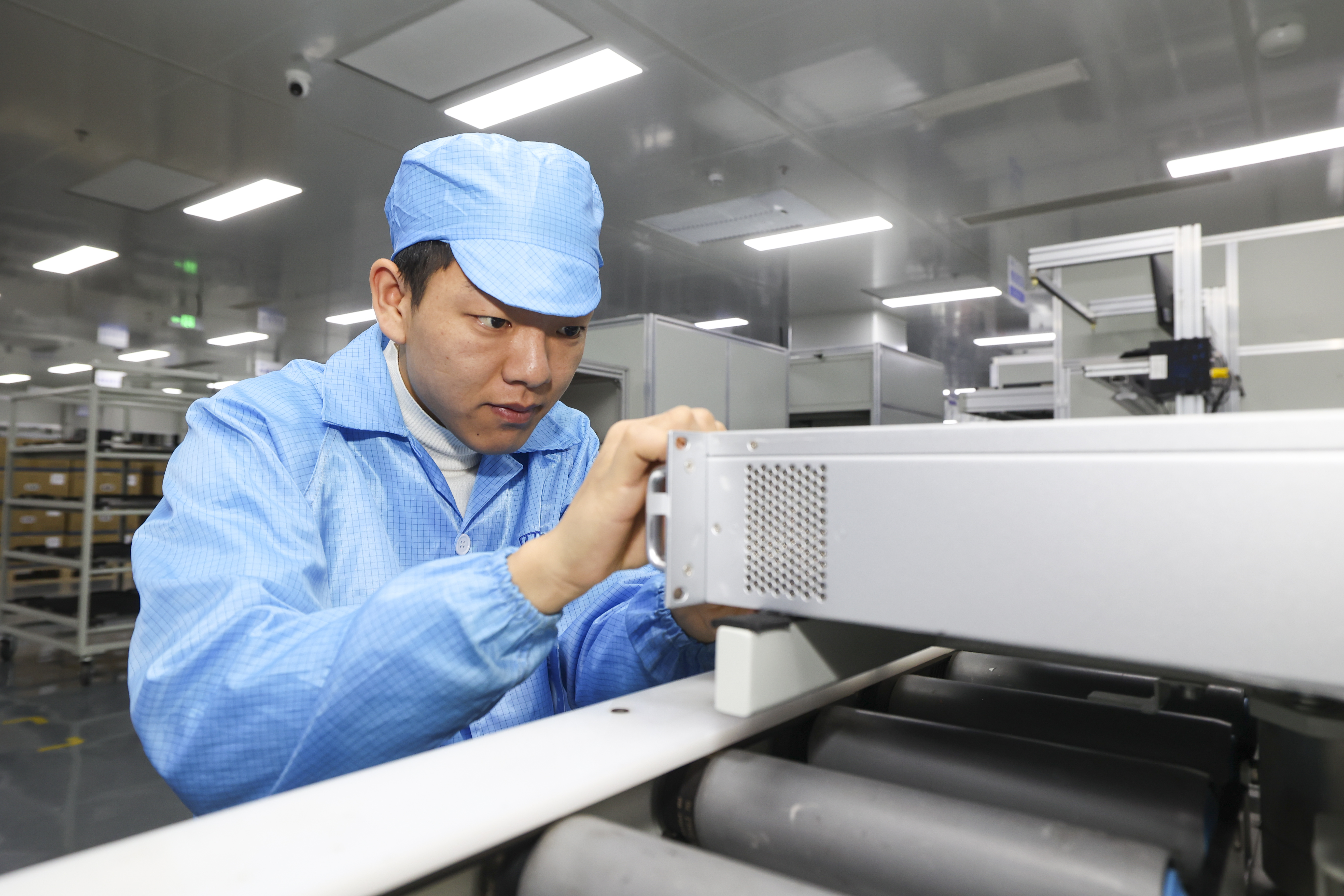
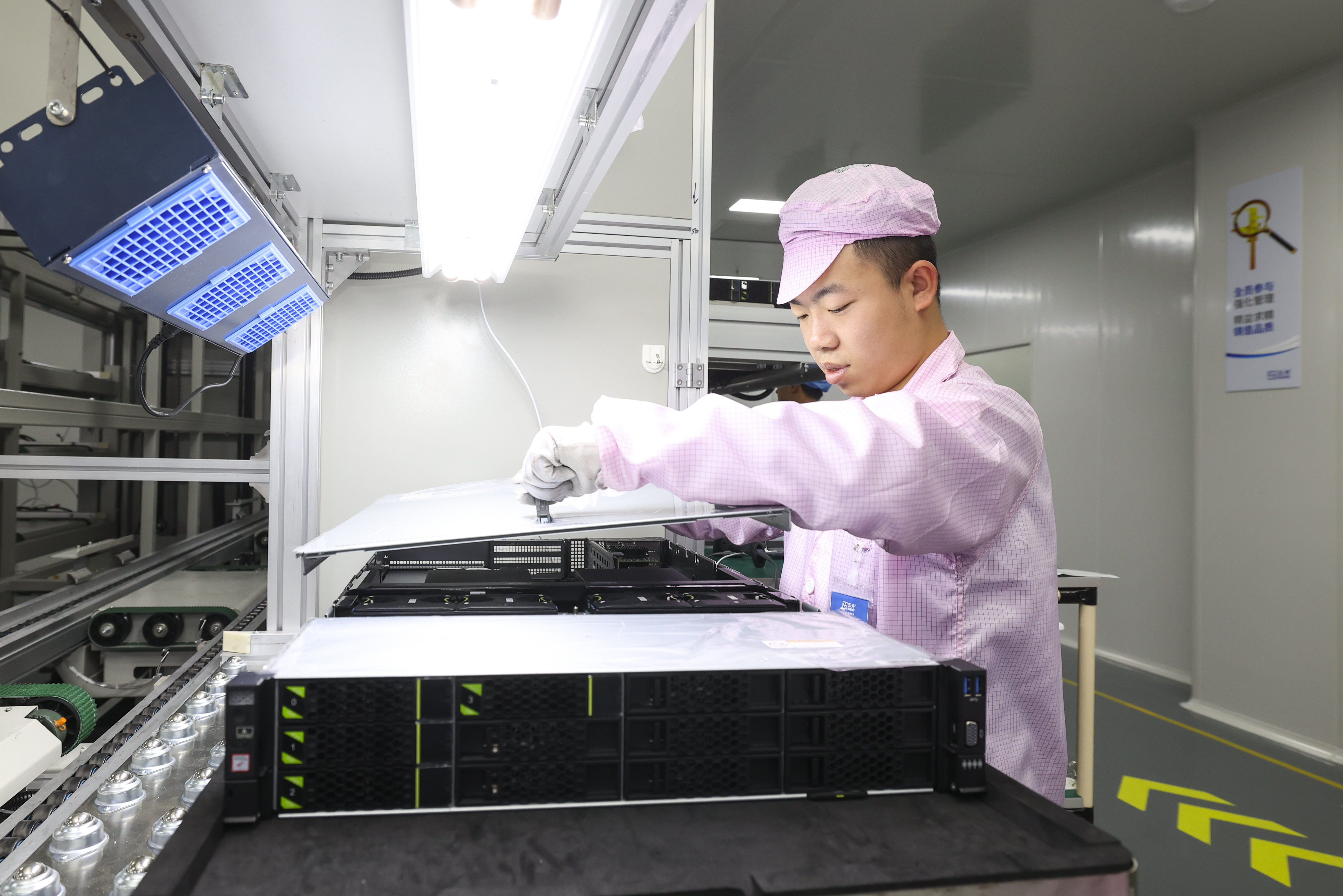
The company operates a modern manufacturing facility with a total building area of approximately 320㎡, equipped with advanced production and testing equipment to ensure strict quality control standards. CoreByte has an annual export revenue of around USD 12 million, with 6 years of export experience and over 9 years of industry experience in memory and semiconductor-related solutions.
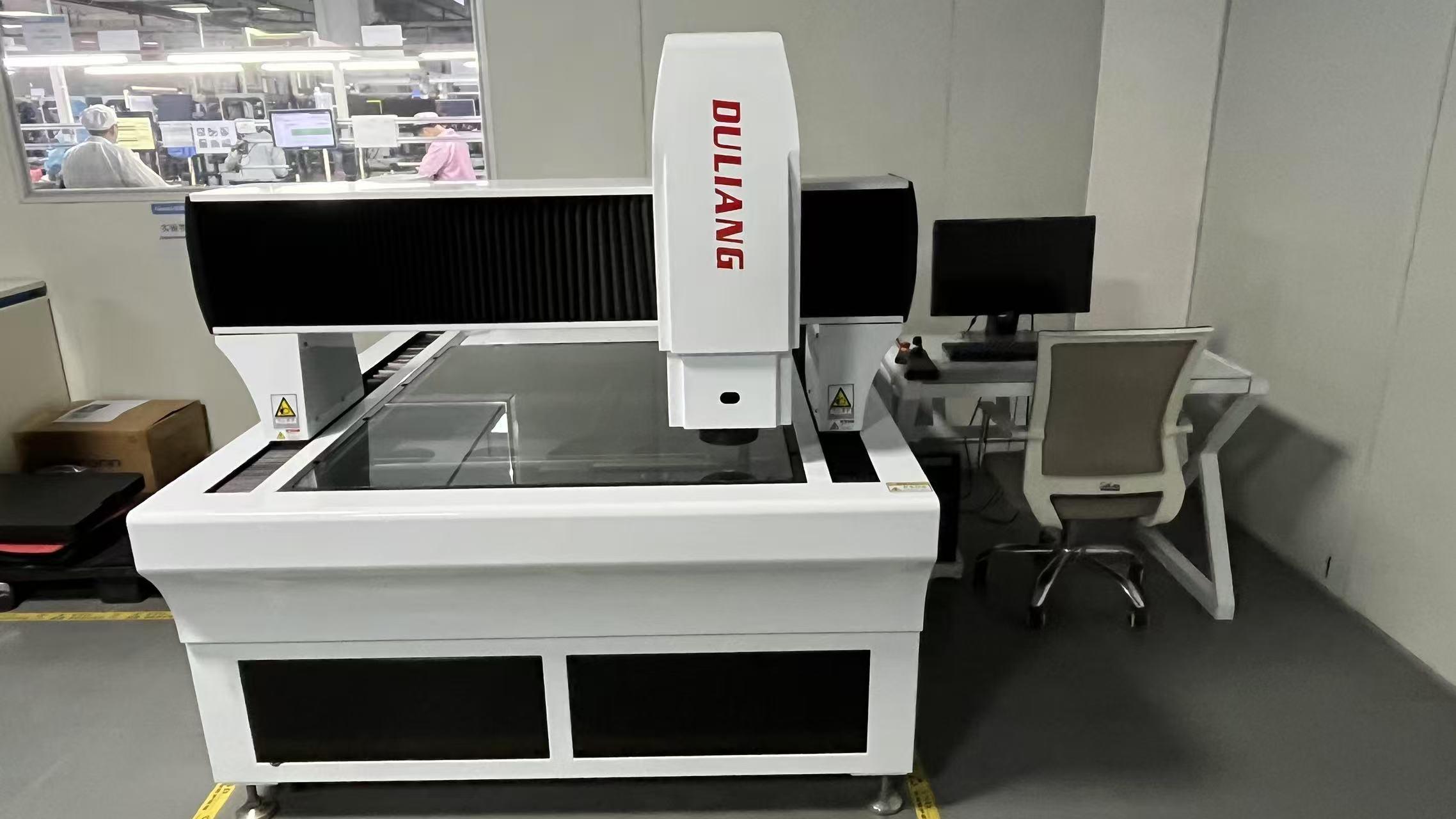
Quality assurance is a core priority at CoreByte. The company implements ISO9001-based quality management systems, combined with automated optical inspection (AOI) and high-temperature aging tests to ensure product stability and compatibility. The quality control team consists of 45 dedicated inspectors, ensuring every batch meets international performance standards.
CoreByte maintains a strong trade-oriented business background, serving key markets including North America, Europe, Southeast Asia, and the Middle East. The company has established a reliable global supply chain network with more than 1,200 supply chain partners, supporting stable production and fast delivery.
Its primary customers include OEM system integrators, server manufacturers, industrial computer brands, and data center solution providers. With strong engineering capabilities, CoreByte offers advanced customization services, including PCB design optimization, frequency tuning, thermal solution adjustment, and branding customization.
The company invests heavily in innovation, with 85 R&D engineers and launching approximately 120 new product models annually to meet evolving market demands in AI computing, cloud infrastructure, and high-performance gaming systems. CoreByte continues to strengthen its position as a trusted global DDR5 memory supplier, committed to delivering reliable, high-speed, and cost-effective memory solutions to customers worldwide.
Addressing key engineering questions regarding single-sided and double-sided PCB production
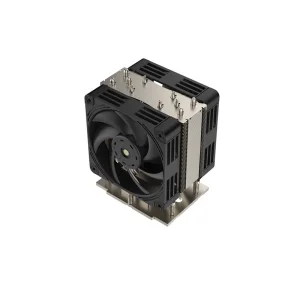
Complete your layout integration with our high-reliability computing assemblies
 CoreByte