Premium PCBs, Multi-layer Modules, High-efficiency Coolers, and Professional Memory Solutions
The Technological Infrastructure Behind Enterprise Multimedia Ecosystems
The global demand for high-fidelity audio and ultra-high-definition video hardware is scaling at an unprecedented rate. Driven by advancements in smart environments, digital broadcasting, edge computing, and AI-assisted multimedia rendering, the underlying Printed Circuit Board Assembly (PCBA) technology has evolved from static trace boards to highly complex, multi-layered signal pathways. Professional audio-visual (AV) factories are no longer merely assembling parts; they are solving critical electromagnetic compatibility (EMC), thermal dissipation, and high-frequency signal retention challenges.
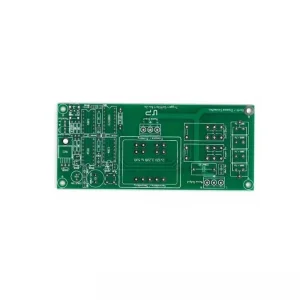
In modern commercial applications, clean audio and video signal conversion is paramount. A single error in PCB trace layout can introduce digital jitter, RF interference, or ground loops that degrade sound quality in high-power amplifiers or cause frame dropouts in ultra-HD video matrix systems. Consequently, state-of-the-art factories employ specialized substrate materials, notably high-TG (glass transition temperature) FR4 laminates, copper-clad laminates (CCL), and specialized impedance-controlled manufacturing processes to ensure that signal path decay remains below minimal tolerance thresholds.
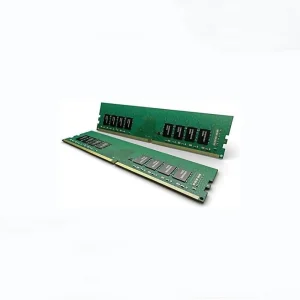
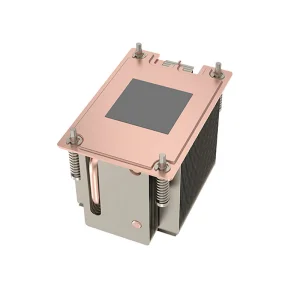
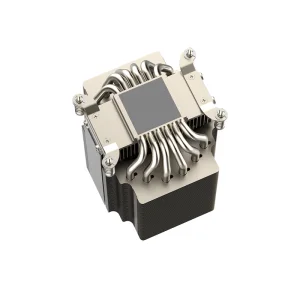
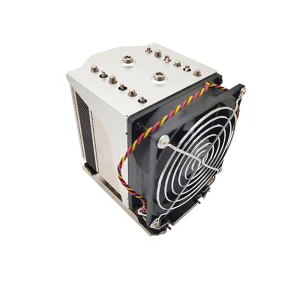
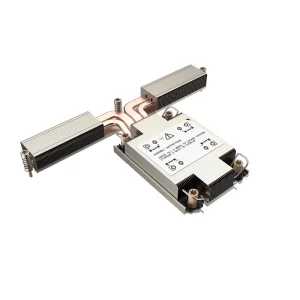
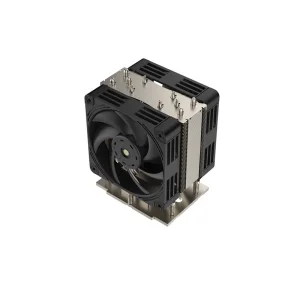
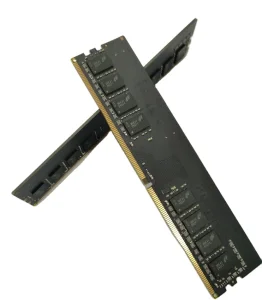
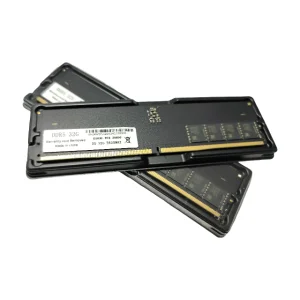
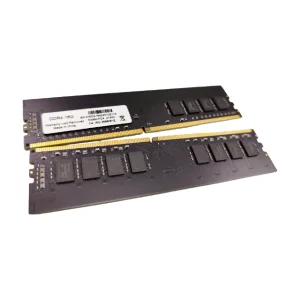
Furthermore, the convergence of AI processing and audio-visual engineering requires specialized computing hardware integrated directly into AV ecosystems. From high-capacity, low-latency DRAM and DDR5 memory modules used for real-time video frame buffering to specialized server heatsinks managing thermal loads of 400W processors, the entire manufacturing architecture must run concurrently to support high-throughput applications.
Why Global Enterprises Choose Southern China for Advanced Electronic Hardware Production
From copper foil fabrication and component sourcing to multi-layer SMT (Surface Mount Technology) assembly and testing, every stage occurs within a tight-knit ecosystem, reducing transport times to near zero.
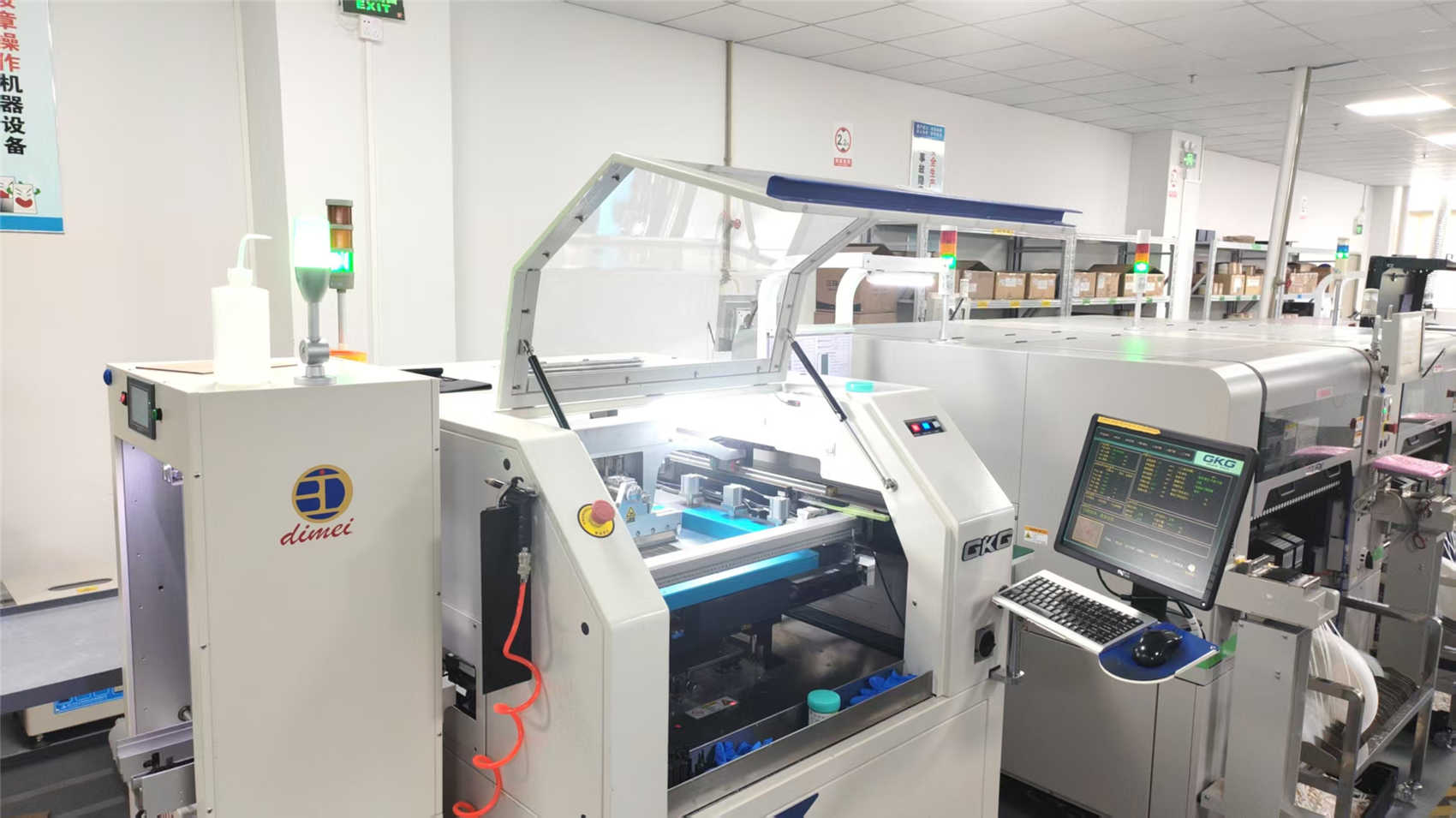
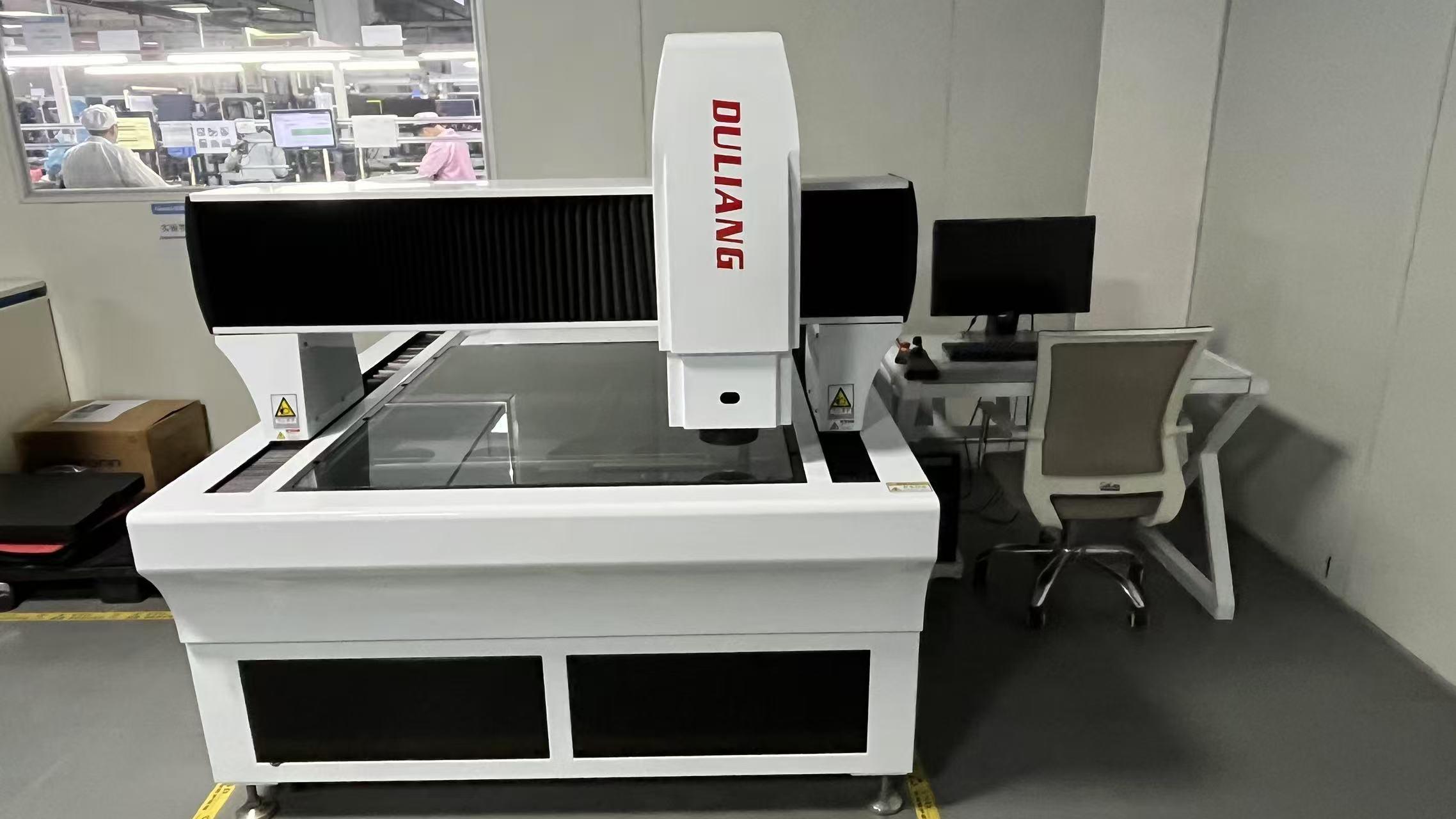
Top-tier Chinese factories utilize automated optical inspection (AOI), X-ray thickness gauge systems, and automated in-circuit tests (ICT) coupled with 100% high-temperature burn-in testing to guarantee Zero-Defect rates.
With engineering teams scaling up to dozens of specialists, Chinese factories quickly iterate custom Gerber file alterations, optimize impedance layout, and deliver custom tooling prototypes in record time.
China's manufacturing powerhouse, particularly within the Pearl River Delta, has established a standard of cost-efficiency and technical agility that is difficult to replicate globally. For instance, when designing high-speed printed circuits such as an FR4 1.6mm audio decoder circuit assembly, the procurement of resistors, digital-to-analog converters (DACs), operational amplifiers, and low-dropout (LDO) regulators is managed through locally established suppliers. This eliminates custom clearing bottlenecks and reduces lead times from several months to a matter of days.
In addition, the integration of automation machinery—such as high-speed pick-and-place systems capable of mounting 100,000 components per hour—keeps overall assembly labor costs competitive. When backed by high-capacity R&D investments, factories can offer low minimum order quantities (MOQs) for specialized, customized designs while scaling up rapidly to high-volume manufacturing batches without sacrificing product quality.
Deploying High-Fidelity Signal Integrity and Computational Hardware in Real-world Sectors
Understanding user intent requires us to bridge the gap between simple component production and real-world implementation. The hardware manufactured inside advanced PCB and audio-video factories is deployed in several distinct professional environments:
High-Performance Memory & DRAM Solution Manufacturer
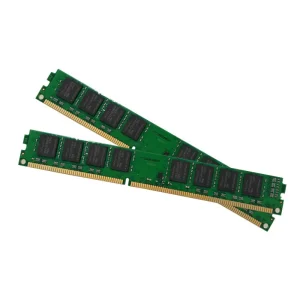
CoreByte Storage Technology Co., Ltd. is a professional DDR5 memory and DRAM solution manufacturer specializing in high-performance memory modules for global OEM, enterprise, and data center applications. Established in 2016, the company has developed strong capabilities in R&D, production, and international trade, focusing on stable, high-speed, and energy-efficient memory products.
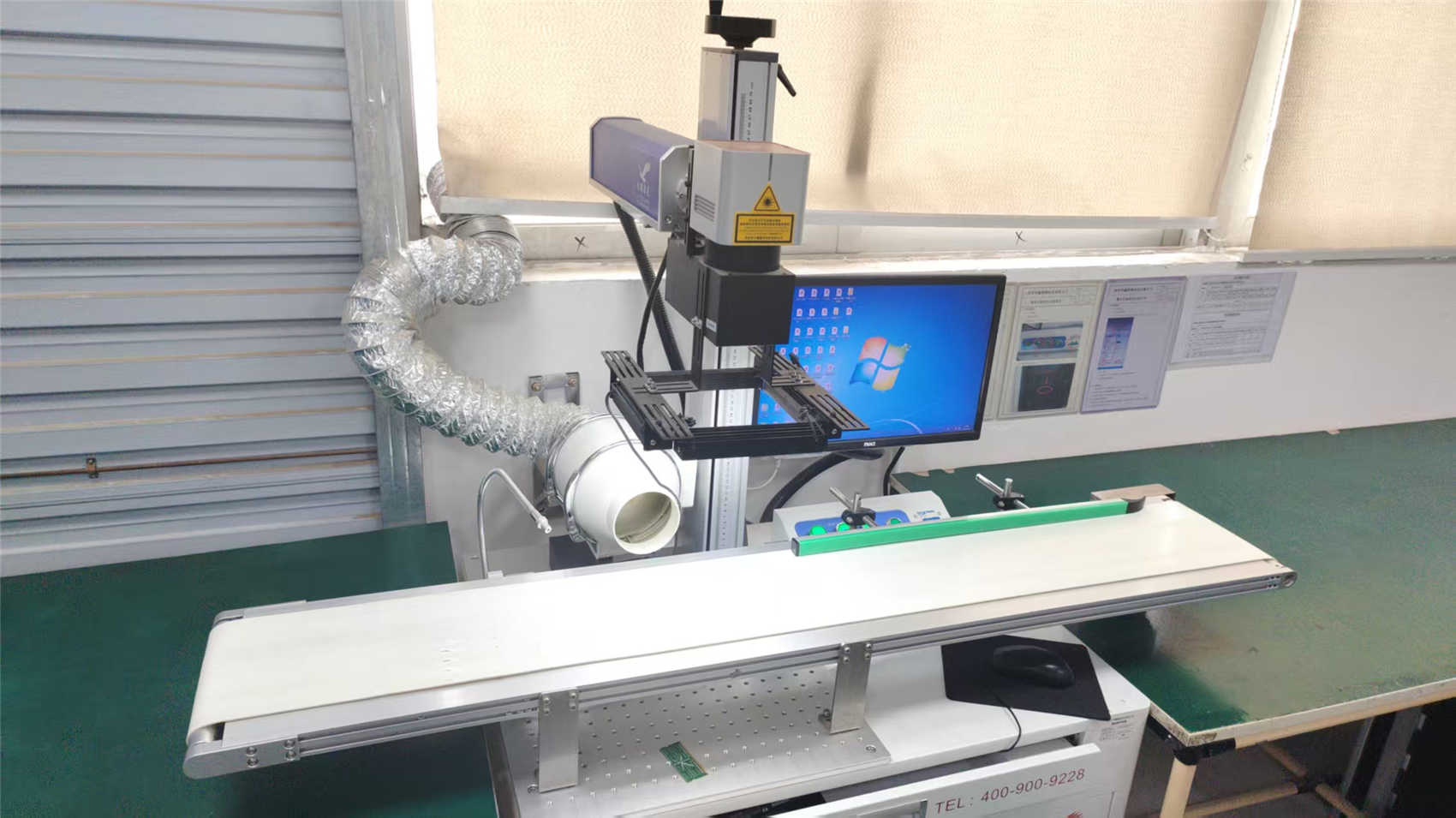
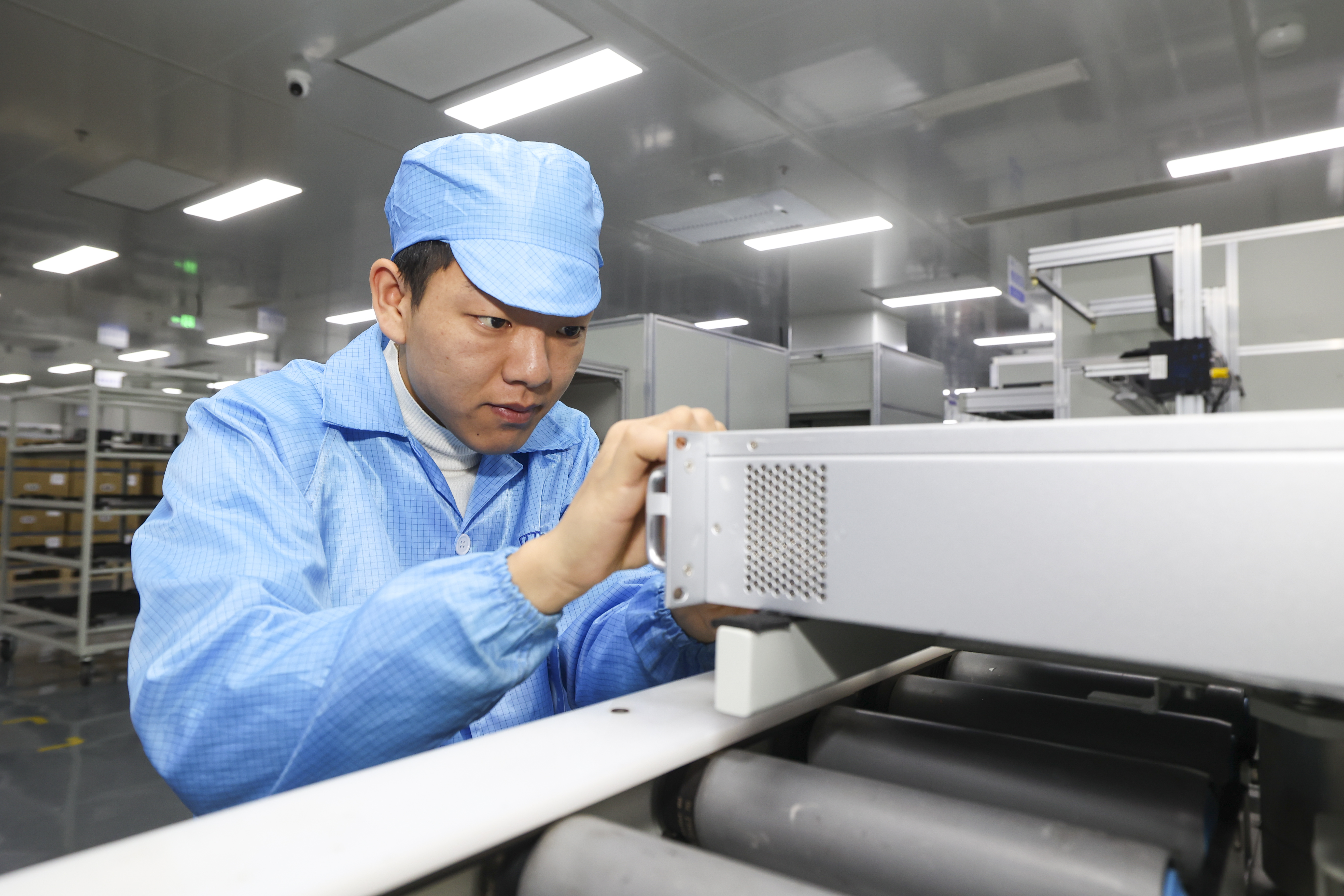
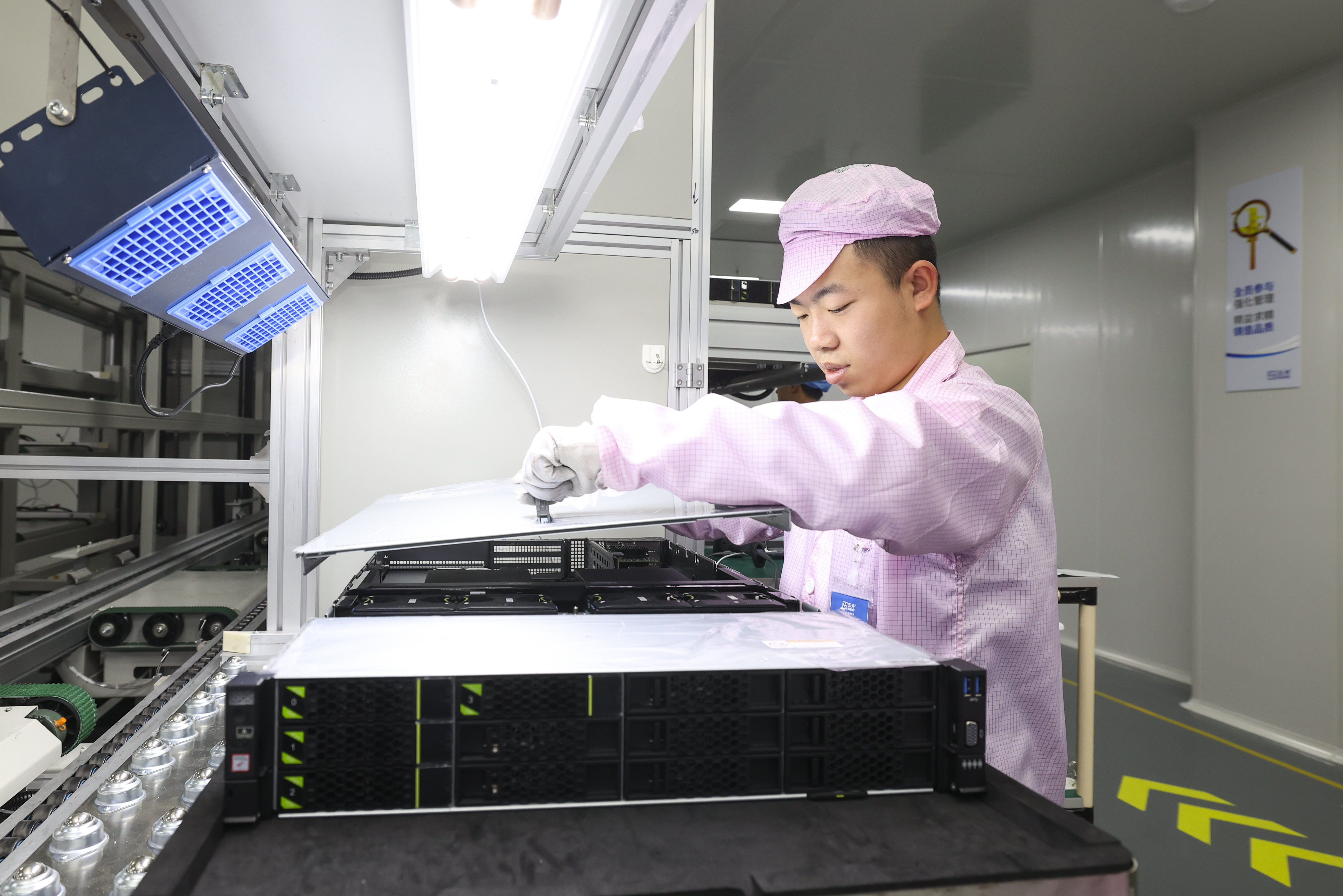
The company operates a modern manufacturing facility with a total building area of approximately 320㎡, equipped with advanced production and testing equipment to ensure strict quality control standards. CoreByte has an annual export revenue of around USD 12 million, with 6 years of export experience and over 9 years of industry experience in memory and semiconductor-related solutions.
Quality assurance is a core priority at CoreByte. The company implements ISO9001-based quality management systems, combined with automated optical inspection (AOI) and high-temperature aging tests to ensure product stability and compatibility. The quality control team consists of 45 dedicated inspectors, ensuring every batch meets international performance standards.
CoreByte maintains a strong trade-oriented business background, serving key markets including North America, Europe, Southeast Asia, and the Middle East. The company has established a reliable global supply chain network with more than 1,200 supply chain partners, supporting stable production and fast delivery.
Customization Services & Innovative R&D:
Its primary customers include OEM system integrators, server manufacturers, industrial computer brands, and data center solution providers. With strong engineering capabilities, CoreByte offers advanced customization services, including PCB design optimization, frequency tuning, thermal solution adjustment, and branding customization.
The company invests heavily in innovation, with 85 R&D engineers and launching approximately 120 new product models annually to meet evolving market demands in AI computing, cloud infrastructure, and high-performance gaming systems.
Keeping Pace with High-Frequency, Low-Loss, and Intelligent Design Demands
The landscape of PCB design and manufacturing is undergoing critical shifts to meet modern technological milestones:
Actionable Insights for Sourcing Managers to Mitigate Supply Risk and Ensure High Quality
Procuring electronic components on a global scale requires strong coordination and risk management. Enterprise sourcing teams should prioritize factories with proven qualifications:
1. Verify ISO 9001 and IATF 16949 Certifications: These compliance standards assure buyers that production lines follow strict quality processes. A quality control department containing dedicated inspectors (such as the 45-person inspection team at CoreByte) represents a strong signal of manufacturing reliability.
2. Conduct BOM (Bill of Materials) Audits: Work closely with engineers during Gerber file submission to identify end-of-life (EOL) components. Partnering with factories that have robust supply chains (such as CoreByte's 1,200+ partner network) guarantees long-term supply stability and provides access to replacement components at competitive prices.
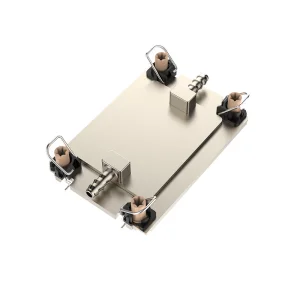
3. Implement Thermal Simulation Validation: Ensure your manufacturer can supply custom heat sink designs, copper fin air-coolers, or water cooling integration to guarantee stable operating temperatures in compact enclosures.
Direct Answers from Engineering Leads to Sourcing and Hardware Engineers
Enterprise Servers, Custom Cooling, and Multilayer PCB Solutions
 CoreByte