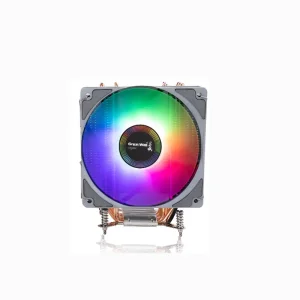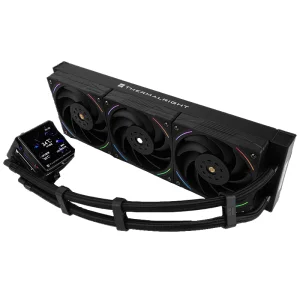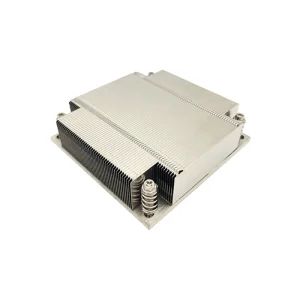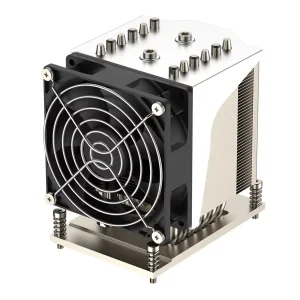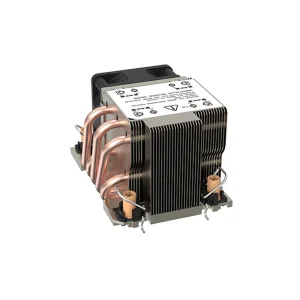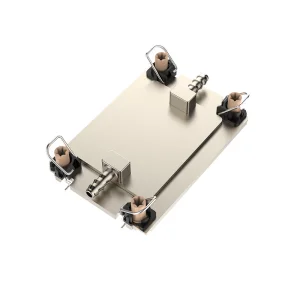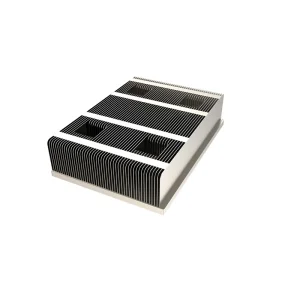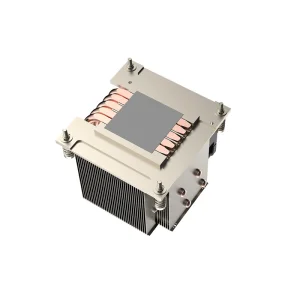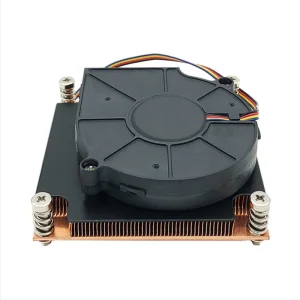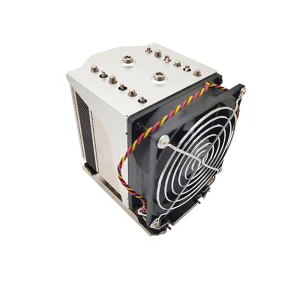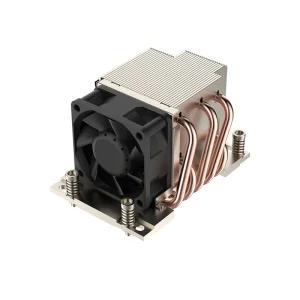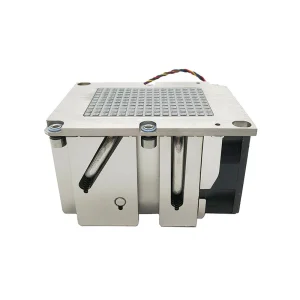
In modern high-performance computing (HPC), cloud hyperscaling, and AI workloads, thermal management has transitioned from a supporting engineering challenge to a core design constraint. As server microprocessors operate at increased Thermal Design Power (TDP) thresholds—often exceeding 350W for server CPUs and reaching up to 700W+ for advanced AI accelerators—the demand for highly engineered, reliable Server Radiator Factories has reached unprecedented levels. Modern computing architectures cannot achieve sustained performance levels without state-of-the-art dissipation configurations.
A professional server radiator factory does not simply compile generic raw components; it is an integrated engineering facility where thermodynamics, metallurgy, structural design, and precision manufacturing converge. To survive the rigorous operational environment of data center racks, where cooling downtime equates to catastrophic financial loss, components must satisfy strict requirements. Our analysis highlights how advanced factories leverage custom material compositions, micro-structural improvements, and advanced fluid simulations to optimize performance.
Thermal management architectures designed for processors running up to 350W+ (air-cooled) and 400W+ (liquid-cooled). Precision calculated for Intel Xeon and AMD EPYC sockets.
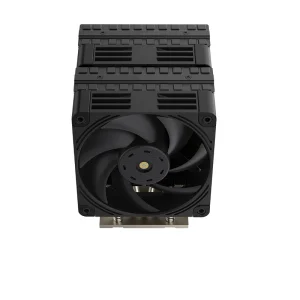
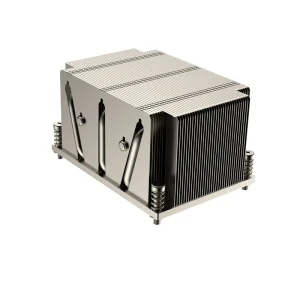
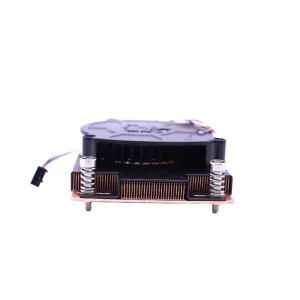
Skiving fin and zipper fin technology optimized for high-density, low-airflow data center environments. Advanced airflow dynamics modeling prevents static backpressure buildup.
Dual ball bearings and automated leak-detection interfaces engineered to run continuously for up to 100,000 operational hours in high-temperature, high-humidity deployment environments.
A server radiator is designed around basic principles of thermodynamic conduction, convection, and radiation. However, to execute this within a compact 1U, 2U, or 4U rack chassis requires complex materials science. High-density servers leave little room for generic heatsink layouts. Instead, optimized radiator structures rely on three critical engineering vectors:
Traditional solid metal blocks are no longer sufficient to manage high thermal density. Standard designs often integrate copper vapor chambers (comprising internal capillary wick structures and distilled water working fluid) directly at the processor contact base. This facilitates rapid, uniform heat spreading across the surface area, preventing localized hot spots. Sintered powder heat pipes are then vacuum brazed to the chamber to channel thermal energy up into the fin arrays with minimal thermal resistance.
A radiator's efficiency depends heavily on its surface area. Skiving Fin technology uses precision industrial blades to shave thin fins from a solid block of copper or aluminum. This creates continuous metal structures with zero joint resistance. In zipper-fin assemblies, individual stamped metal fins are interlocked using alignment tabs. This allows engineering of thin, tightly packed fin structures optimized for forced-induction chassis fans.
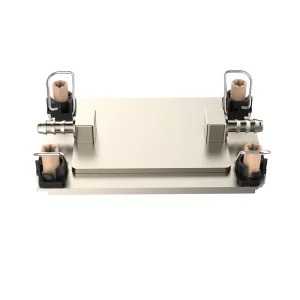
For high-capacity deployments, hybrid systems use direct-to-chip liquid cooling blocks. Featuring internal micro-channel bases (often with channel spacing under 0.2mm), these blocks transfer heat directly to liquid loops. These loops connect to larger radiator modules, facilitating heat dissipation outside the primary server chassis. This allows configurations to handle extreme computing demands.
Thermal management is highly context-dependent. The mechanical and thermodynamic design of a server radiator must adapt to its physical, environmental, and regional deployment parameters. Professional radiator manufacturers analyze these constraints to construct tailored cooling systems.
Optimized for low Power Usage Effectiveness (PUE). Radiators deployed here must support dense configurations (1U/2U server nodes) and have low airflow resistance to minimize overall datacenter fan power consumption.
Deployed in remote, unconditioned environments like telecom base stations and smart factories. Design priorities shift toward dust-proofing, anti-corrosion finishes, passive convection cooling, and high tolerance for ambient thermal fluctuations.
Environments utilizing high-density GPU nodes. These require custom water block manifolds and multi-heatpipe active radiators capable of continuous operation under heavy computational loads.
Established in 2016, CoreByte Storage Technology Co., Ltd. is a manufacturer of high-performance memory modules and thermal management hardware for global OEM, enterprise, and data center applications. Leveraging over 9 years of industry experience in semiconductor and server architecture, the company has built robust capabilities in R&D, precision manufacturing, and international trade.
Operating a modernized manufacturing facility with advanced assembly and validation instrumentation, CoreByte maintains strict quality standards. The facility uses automated optical inspection (AOI) and rigorous high-temperature aging chambers to verify component stability under demanding workloads. The QA framework is managed by a team of 45 quality control inspectors, ensuring compliance with international benchmarks.
Supported by a global supply chain network of over 1,200 partners, CoreByte delivers thermal and memory components to clients in North America, Europe, Southeast Asia, and the Middle East. Annual export revenues reach approximately USD 12 million. CoreByte offers custom engineering services, including custom PCB design, frequency optimization, and thermal layout design, serving server manufacturers and system integrators worldwide.
CoreByte integrates memory solutions and thermal architectures to optimize heat transfer pathways inside high-performance server chassis.
ISO9001 quality systems are supported by AOI testing, X-ray solder inspection, and simulated chamber thermal stress testing.
Our team of 85 R&D engineers provides rapid prototyping services, developing custom solutions for complex server projects within weeks.
The global server market operates on tight timelines. China's manufacturing clusters, particularly in South China, offer significant logistics, sourcing, and fabrication advantages for complex server radiators. These benefits extend beyond simple assembly costs:
Skived fins are machined from a single copper block, avoiding interface resistance between the fins and the base. This design is highly effective for localized, high-heat fluxes. Zipper fins, while having a slight contact interface resistance at the solder joint, allow for thinner fins, tighter pitches, and hybrid material structures (such as copper bases with aluminum fins). This makes them lighter and more cost-effective for large-volume designs.
The transition typically occurs when processor thermal design power (TDP) exceeds 350W, or when rack power density limits the effectiveness of air cooling. While air cooling remains cost-effective up to 250W-300W in 2U/4U setups, high-density AI nodes (using GPUs with TDPs over 500W) generally require direct-to-chip liquid cooling block arrays to prevent thermal throttling.
Reliability is verified through several standardized testing stages. These include helium leak testing for vapor chambers and liquid blocks, thermal cycling tests from -40°C to 150°C to evaluate solder integrity, vibration testing to simulate shipping and operational environments, and high-pressure burst testing on liquid cooling lines.
Nickel plating provides a thin protective layer that prevents copper oxidation in humid or corrosive environments. It also provides a stable surface for solder joints and thermal interface materials (TIMs), helping to maintain thermal conductivity over the operational lifespan of the hardware.
Modern server processors feature large contact areas (e.g., LGA4677, LGA4189). Any surface deviation or curvature on the contact base can lead to uneven pressure and microscopic air gaps, increasing thermal resistance. Factories machine the contact plates to micro-level flatness (often <0.05mm) to ensure uniform contact across the processor surface.
CoreByte leverages its engineering resources to design customized heat sink configurations, run computational fluid dynamics (CFD) thermal simulations, adjust structural dimensions for non-standard motherboard layouts, and optimize fin materials for specific airflow conditions, matching both memory and CPU power characteristics.
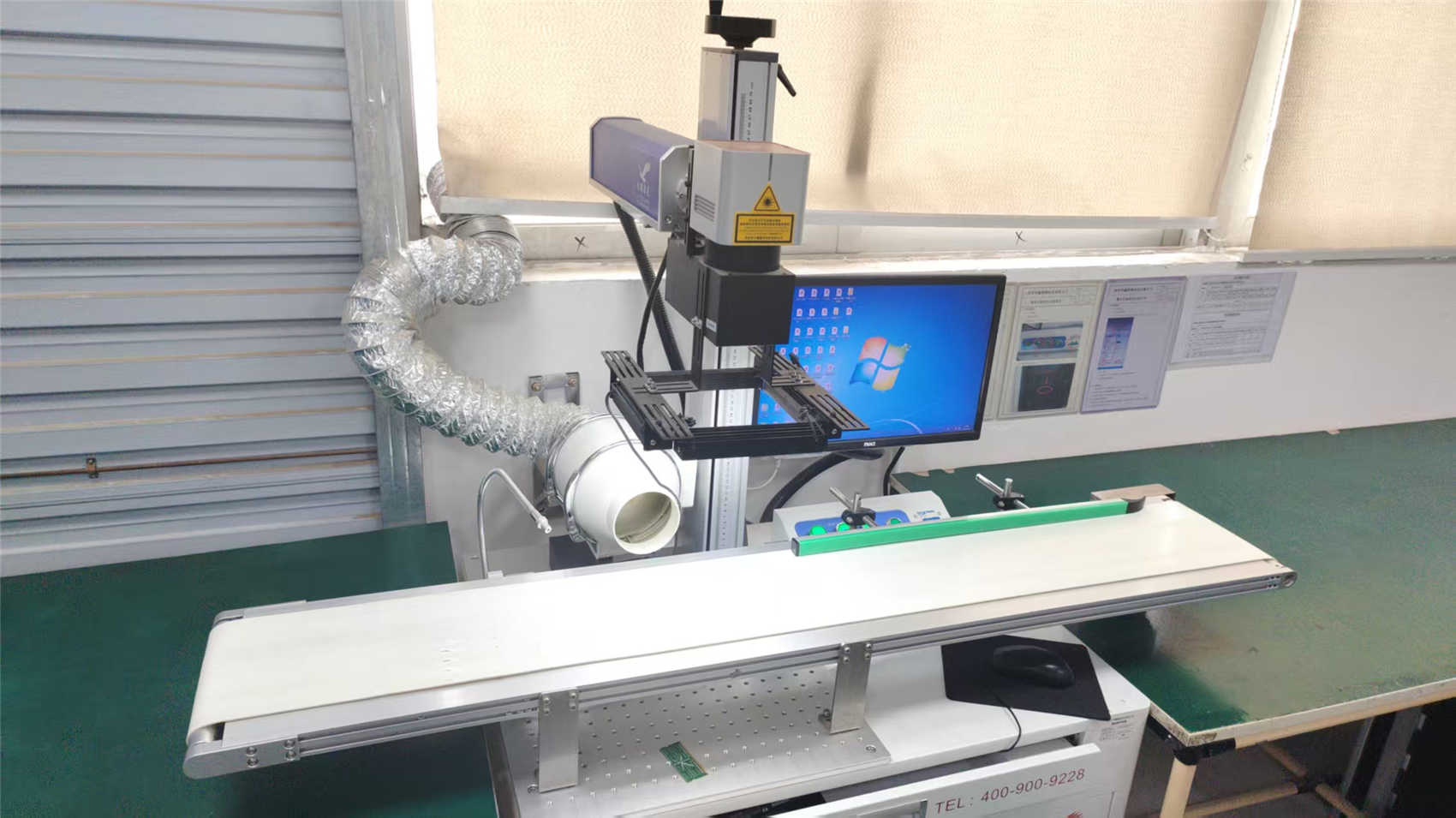
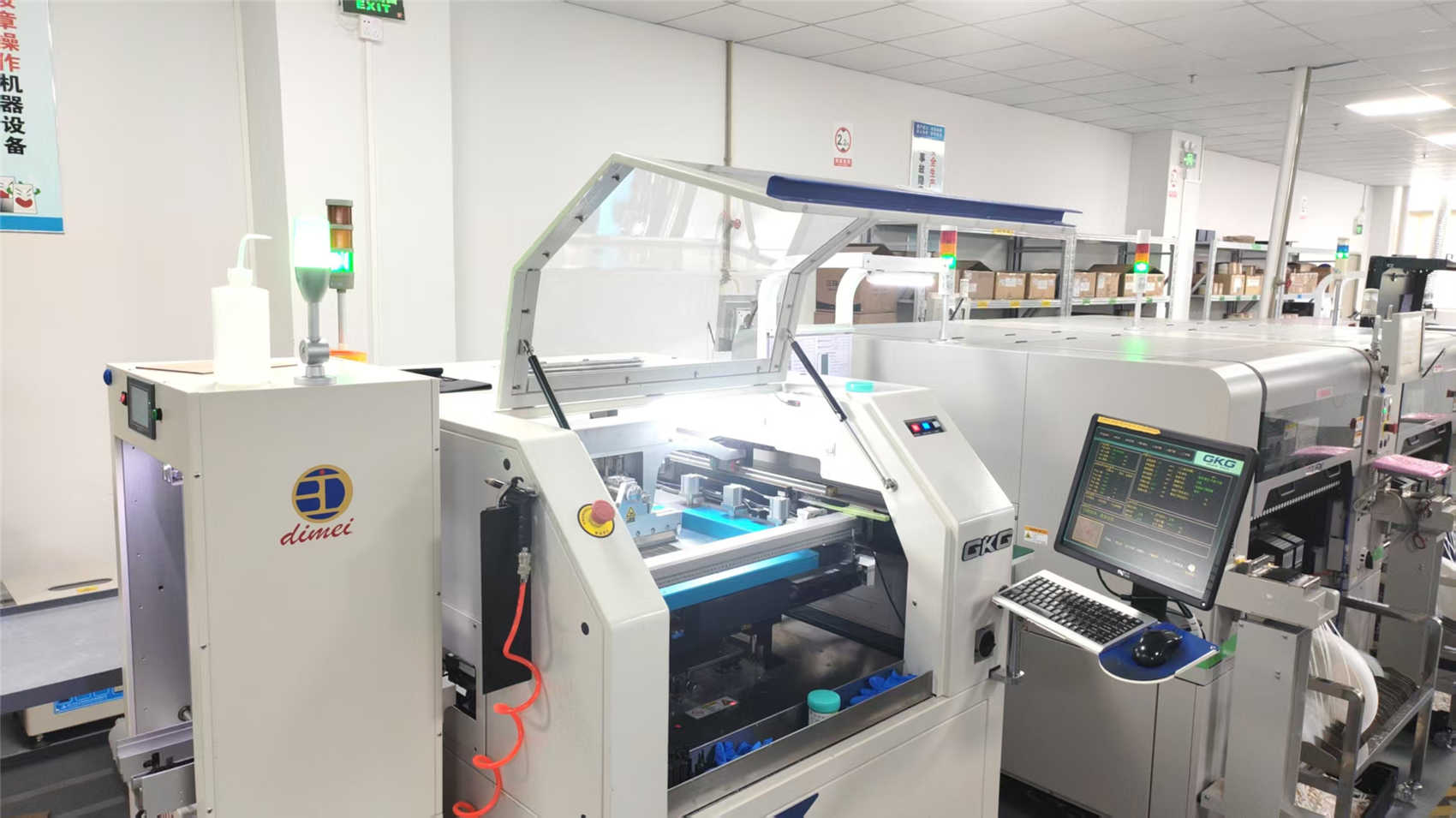
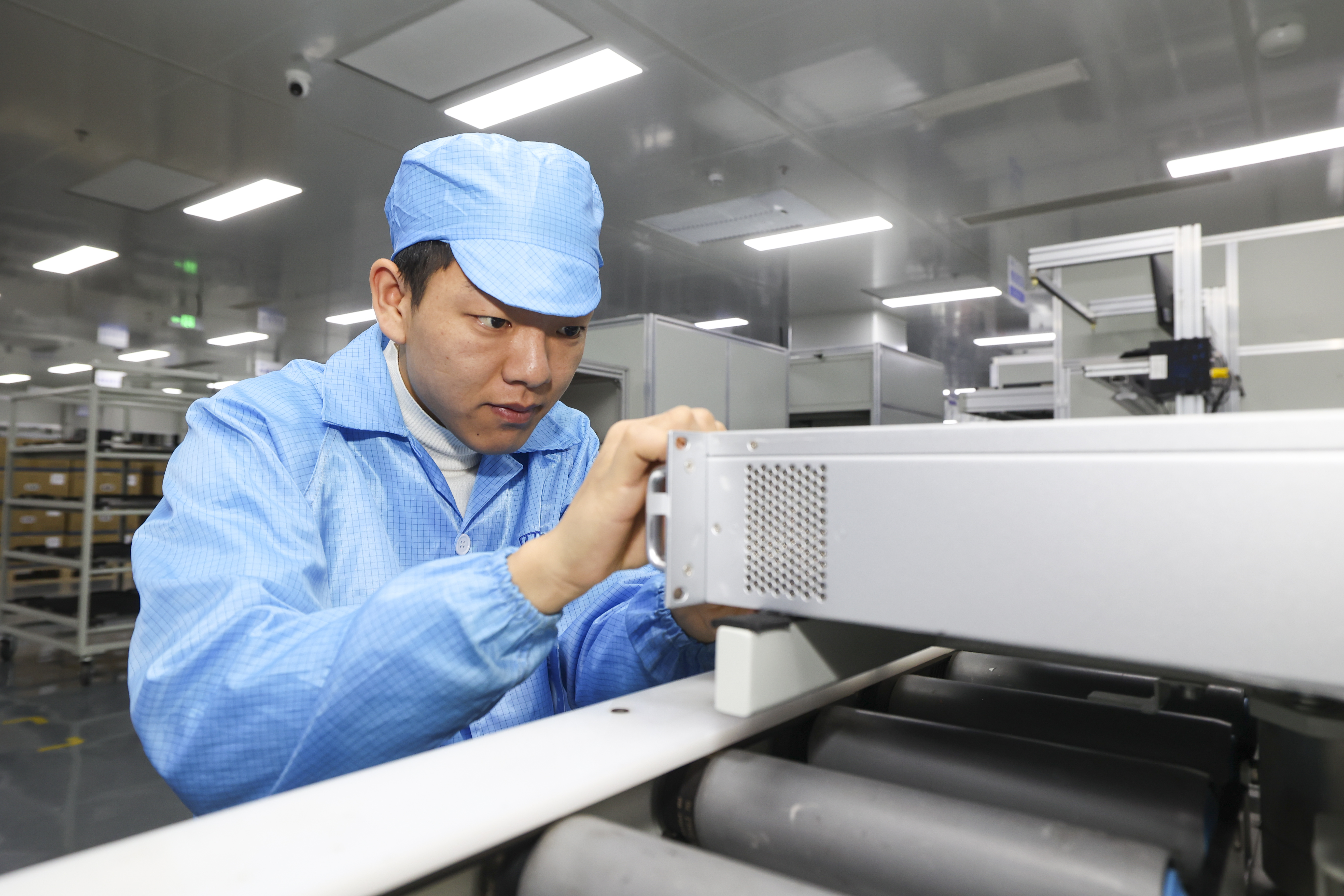
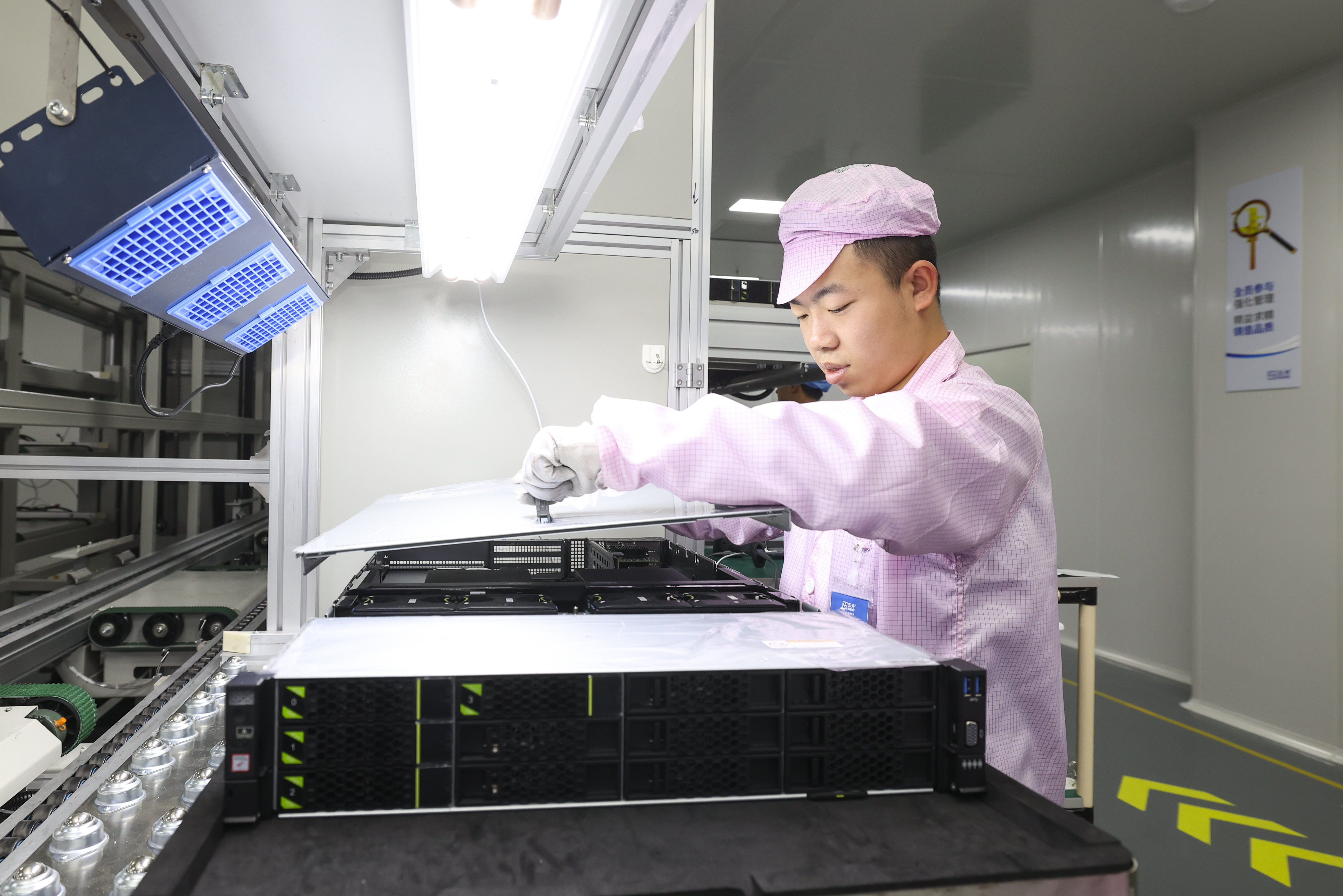
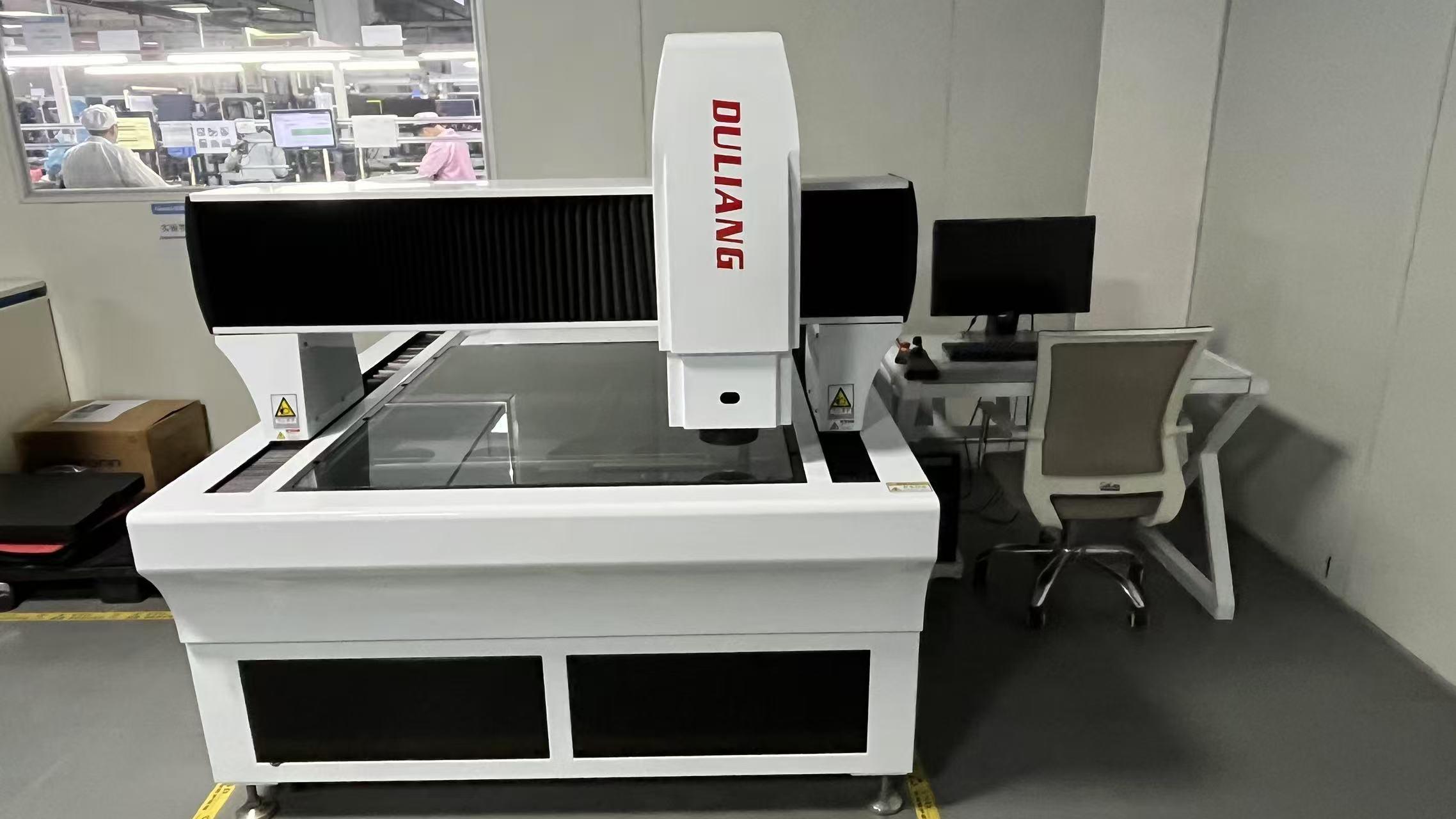
Our operations prioritize quality control and production consistency. Below are views of our production facilities, showing our cleanrooms, automated assembly systems, and testing setups.
 CoreByte