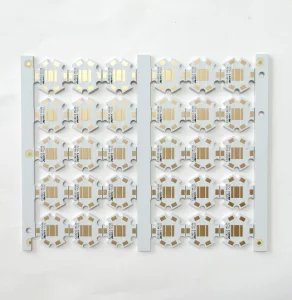
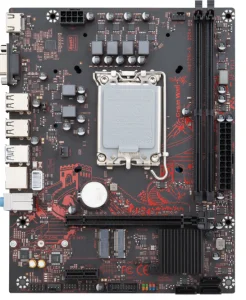
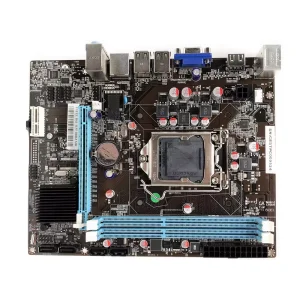
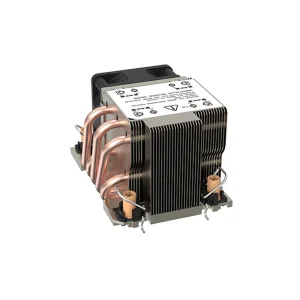
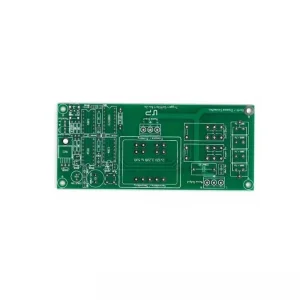
As a premier manufacturer and supplier of aluminum-based PCBs (MCPCB), CoreByte Storage Technology Co., Ltd. integrates advanced thermal management science with high-precision electronics manufacturing. In the era of high-power electronics—ranging from automotive lighting and EV charging systems to industrial power inverters—the structural integrity and thermal dissipation capabilities of a PCB are paramount.
Expertise: With 9+ years in semiconductor solutions, we specialize in dielectric layer optimization, ensuring thermal conductivity exceeds industry benchmarks.
Authority: Our ISO9001-certified processes and 85+ R&D engineers define us as a trusted partner for OEMs and data center providers.
The future of Aluminum PCB (Al-PCB) technology is moving towards ultra-high thermal conductivity dielectrics. We are currently researching thin-layer insulation materials that allow for tighter circuit density while maintaining the same thermal resistance (Rth). As AI computing and high-density LED arrays demand cooler operating environments, our roadmap includes:
Modern manufacturing is not just about equipment; it’s about data. Our "Factory 4.0" initiative employs Automated Optical Inspection (AOI) and IoT-enabled thermal aging testers. By integrating digital twin technology in our production line, we provide:
Established in 2016, CoreByte has grown from a boutique memory specialist to a diversified electronics manufacturing powerhouse. With a 320㎡ modern facility, our focus remains on providing stable, energy-efficient solutions for OEM integrators. We are backed by a robust supply chain network of 1,200+ partners, ensuring that even during global supply shortages, your production lines keep running.
Q: What makes Aluminum PCB superior for heat dissipation?
A: Unlike standard FR4, Aluminum PCBs utilize a metal base layer (Al) that conducts heat away from components significantly faster, preventing degradation in high-power systems.
Q: Can you customize PCB designs for specific thermal requirements?
A: Absolutely. Our engineering team provides thermal simulation and board layout optimization, including frequency tuning and thermal solution adjustment.
Q: What is your typical lead time for new product development?
A: With our internal R&D agile workflow, we can prototype and launch new models rapidly. Exact timelines depend on design complexity but generally follow a 2-4 week development cycle.
 CoreByte