Electronic infrastructure deployed in the Middle East—and specifically across Kuwait's intensive petrochemical, industrial automation, and expanding telecommunication sectors—encounters physical challenges unlike those of almost any other global marketplace. Ambient temperatures routinely exceeding 50°C (122°F), combined with high localized humidity and intense dust loading, force standard-grade computing hardware and standard glass transition temperature (TG) printed circuit boards into rapid degradation. When standard FR-4 substrates (featuring a typical glass transition temperature of 130°C to 140°C) operate inside unconditioned industrial housings or subsea monitoring units, the cumulative thermal stress triggers board warping, trace delamination, vias cracking, and impedance anomalies.
For Kuwait’s engineering teams, operations directors, and international system integrators, transitioning to High-TG PCBs (where the glass transition temperature exceeds 170°C, and ideally reaches 180°C or higher) is no longer a luxury choice; it is a critical engineering requirement. By using advanced substrates designed to withstand sustained high thermal dissipation and rapid temperature cycling, organizations protect their capital investments, eliminate catastrophic downtime, and maintain high transmission speeds for mission-critical DRAM, computing blocks, and sensor modules.
"High Glass Transition Temperature (High-TG) describes the specific thermal threshold at which a PCB's base polymer resin transitions from a rigid, glass-like state to a flexible, rubbery state. Maintaining operations safely below this transition zone ensures absolute physical and electrical stability."
Ensures structural strength under ambient desert temperatures and internal heat loads, preventing resin softening and board delamination.
Sustains minimal Z-axis expansion during thermal transitions, preserving the integrity of micro-vias and multi-layer plating pathways.
Delivers stable signal speeds and low signal loss across high-frequency applications, matching the needs of modern 5G and AI systems.
Kuwait's industrial strategy, supported by the national development objectives of *Kuwait Vision 2035*, emphasizes high-end technological upgrades across chemical refineries, desalinization complexes, transport lines, and telecommunication networks. In these settings, electrical systems must withstand harsh outdoor conditions. In the oilfields of northern Kuwait and the refineries along the coast (such as Mina Al-Ahmadi), control systems must operate continuously. A failure in a drilling control panel or an offshore pipeline telemetry system can cause massive losses.
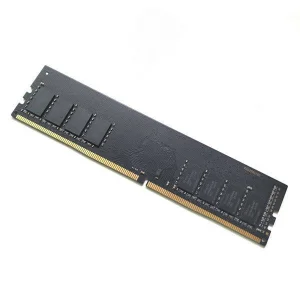
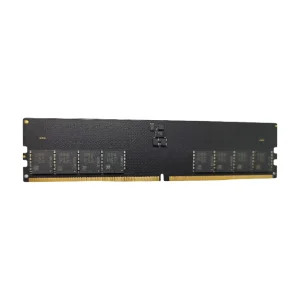
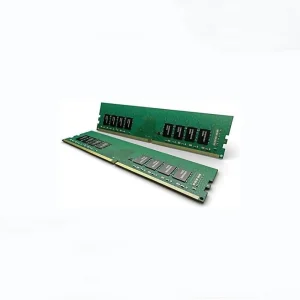
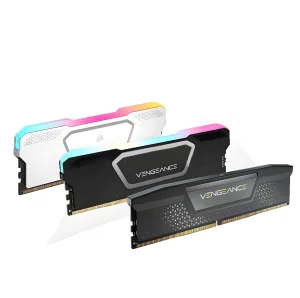
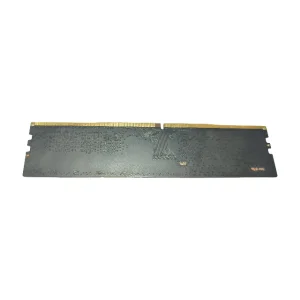
High-TG printed circuit boards solve this vulnerability by offering a high safety margin. By pairing these PCBs with high-grade, high-temperature memory modules (such as DDR4 and DDR5 memory modules featuring industrial-temperature-rated ICs), companies can protect their computing systems from environmental failure. These hardware stacks are used in deepwell logging modules, pump control systems, and localized edge servers that manage high-frequency operations near the extraction point.
At the same time, Kuwait's urban centers and data hubs are investing heavily in AI integration, smart power grids, and nationwide 5G systems. High-TG materials ensure the structural strength and signal stability of high-speed servers and routers, preventing signal degradation in the region's hot climate.
Discuss Your Project RequirementsDesigned for continuous operation in temperatures exceeding +85°C within non-ventilated field enclosures across Kuwait.
Designing a high-reliability system for harsh climates requires optimizing the entire material stack-up. Selecting a high-temperature glass substrate involves balancing thermal properties (like the glass transition temperature, decomposition temperature, and Z-axis expansion) with electrical requirements (such as dielectric constant and dissipation factor).
| Parameter | Standard FR-4 | High-TG FR-4 (TG170+) | Engineering Benefit for Kuwait |
|---|---|---|---|
| Glass Transition (TG) | 130°C - 140°C | 170°C - 180°C+ | Prevents board softening under extreme system heat loads. |
| Decomposition Temp (TD) | ≤ 320°C | ≥ 340°C | Resists chemical breakdown during lead-free soldering and operation. |
| Z-Axis Expansion (50-260°C) | 3.0% - 4.0% | 2.2% - 2.8% | Protects small copper vias from stress fractures and connection failures. |
| T260 / T288 Delamination Time | 5 min / 0 min | > 30 min / > 15 min | Prevents layer separation under rapid environmental temperature swings. |
A lower coefficient of thermal expansion (CTE) in the Z-axis is critical for high-density interconnect (HDI) designs. As multi-layer counts rise to accommodate complex routing paths for processors, high-speed DRAM modules, and server-grade chips, even slight Z-axis movement can stress micro-vias and barrel plating. Standard boards can develop intermittent connection errors that are difficult to diagnose in field installations. Selecting a High-TG substrate ensures the board's layers expand at a similar rate, keeping connections stable and reducing maintenance costs.
CoreByte Storage Technology Co., Ltd. is a developer and manufacturer of high-performance DDR5 memory, advanced DRAM solutions, and integrated thermal technologies. Established in 2016, we specialize in high-reliability components for OEM, enterprise, and data center applications worldwide, with a strong focus on markets across North America, Europe, Southeast Asia, and the Middle East.
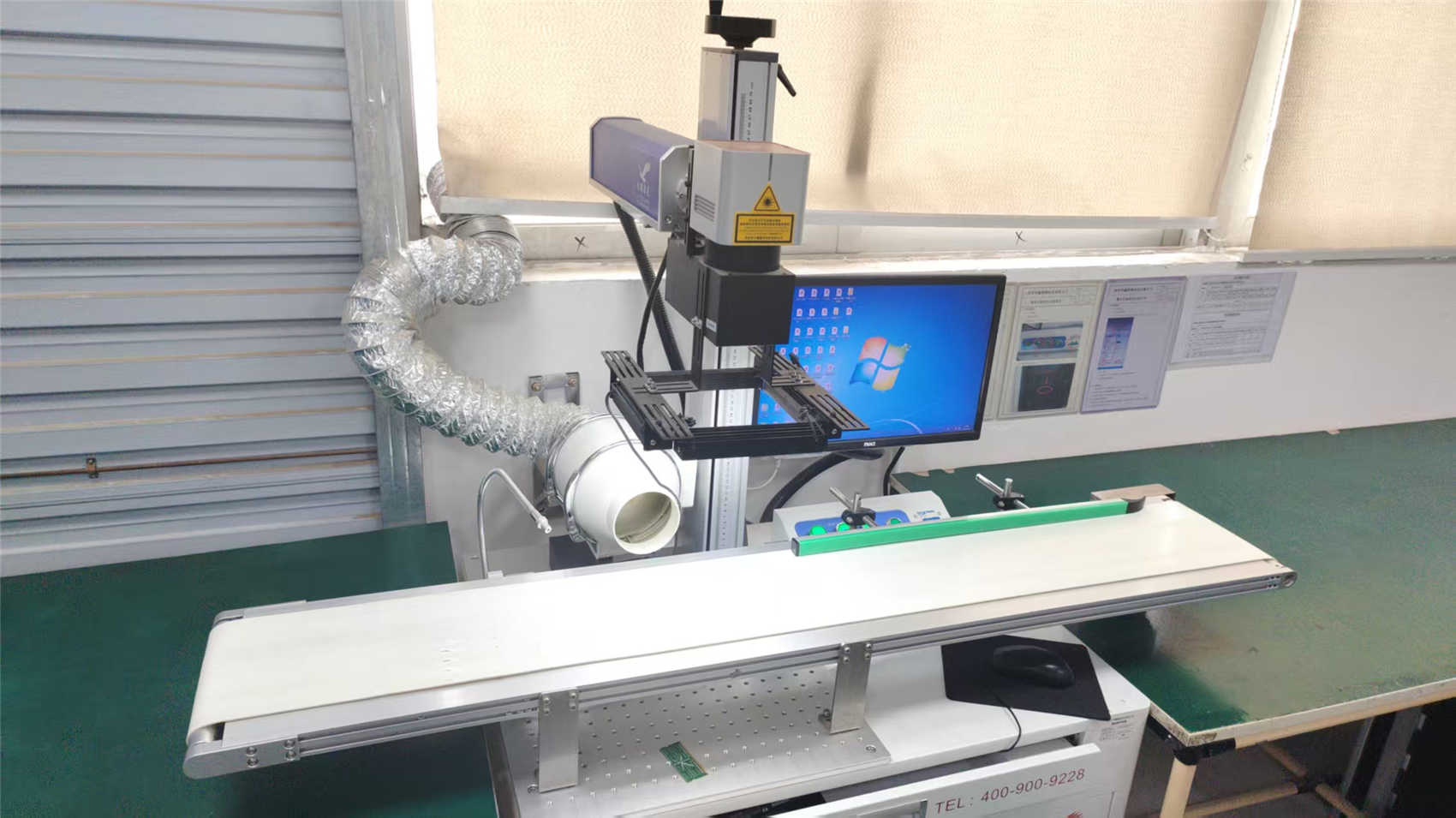
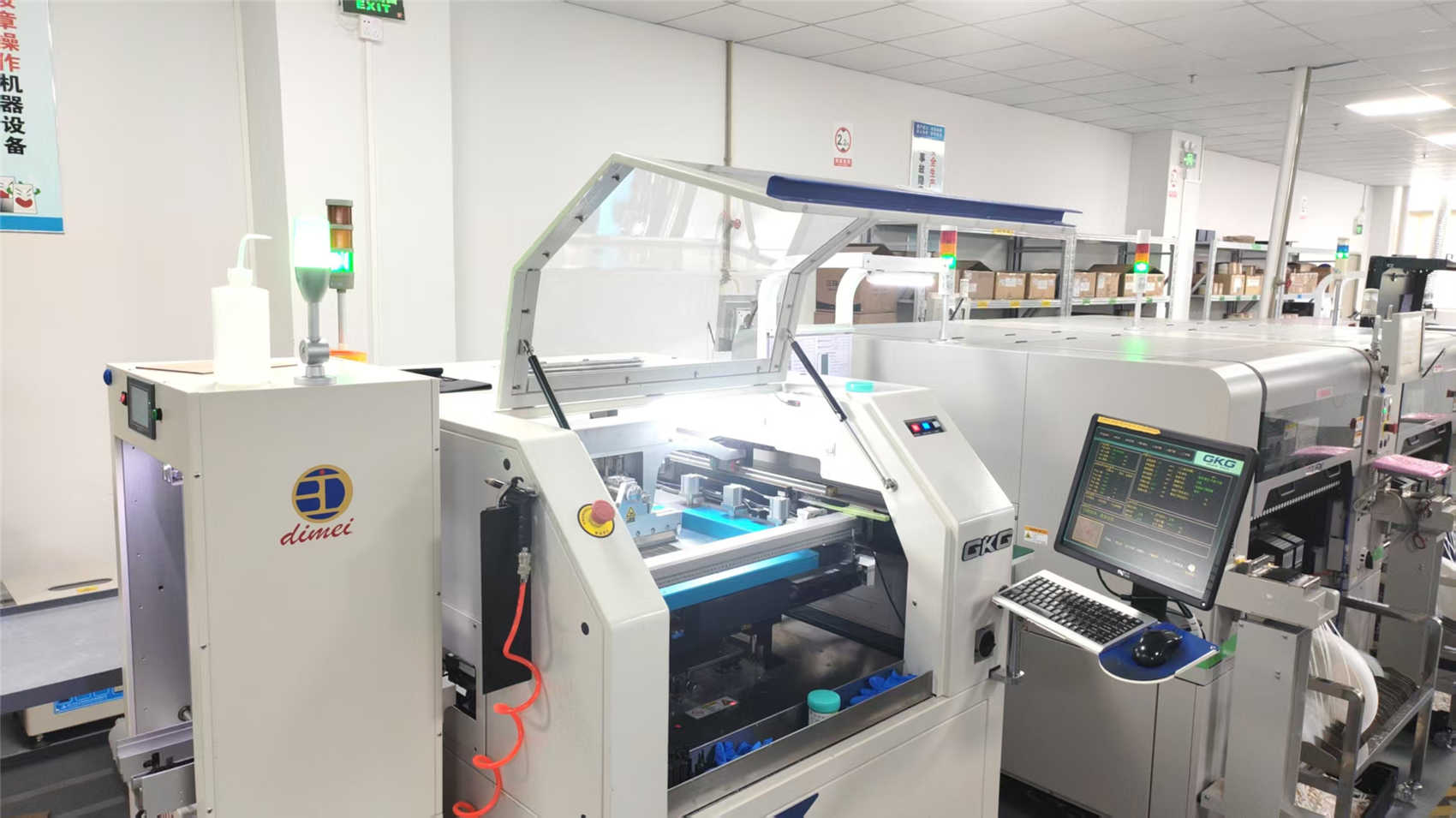
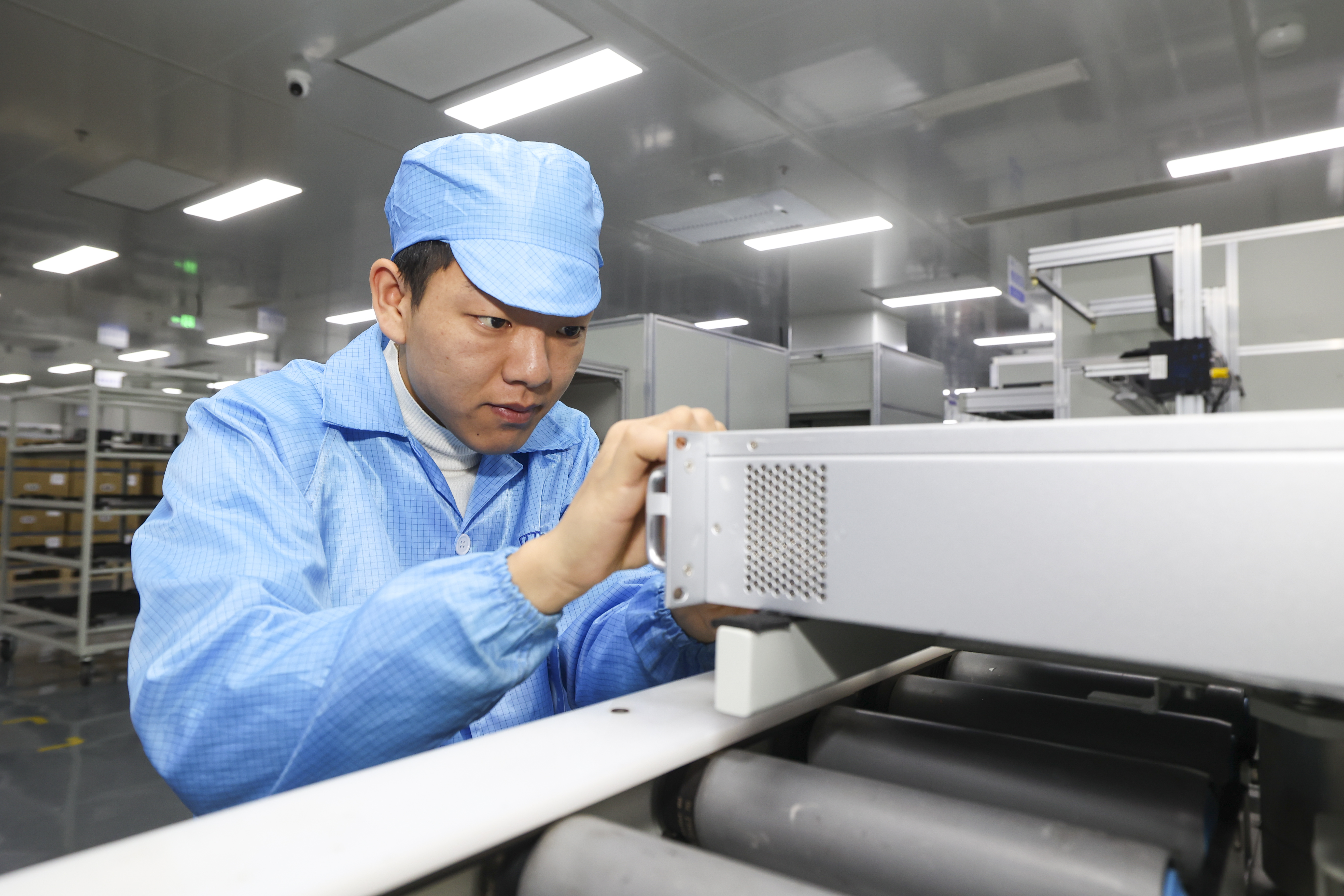
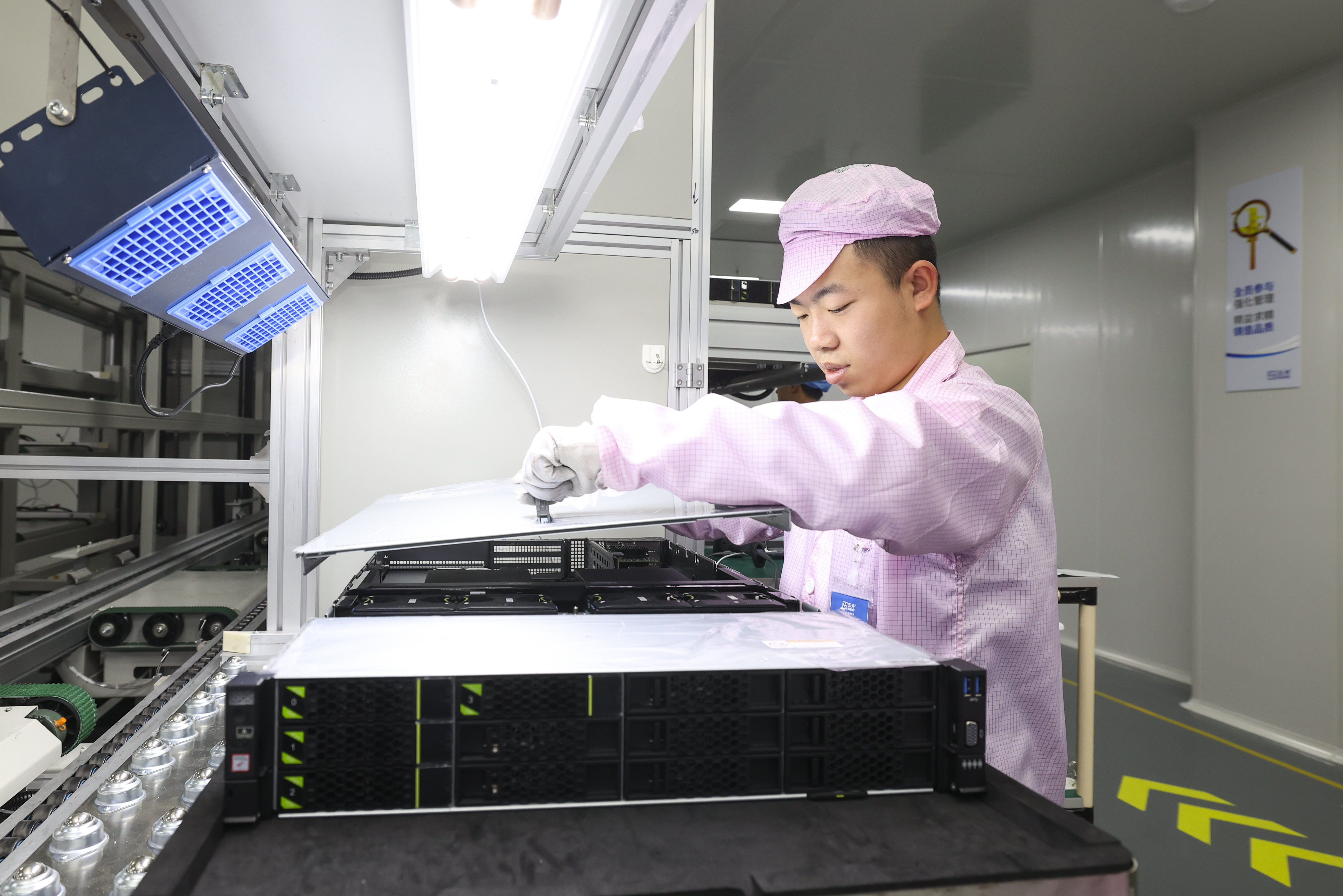
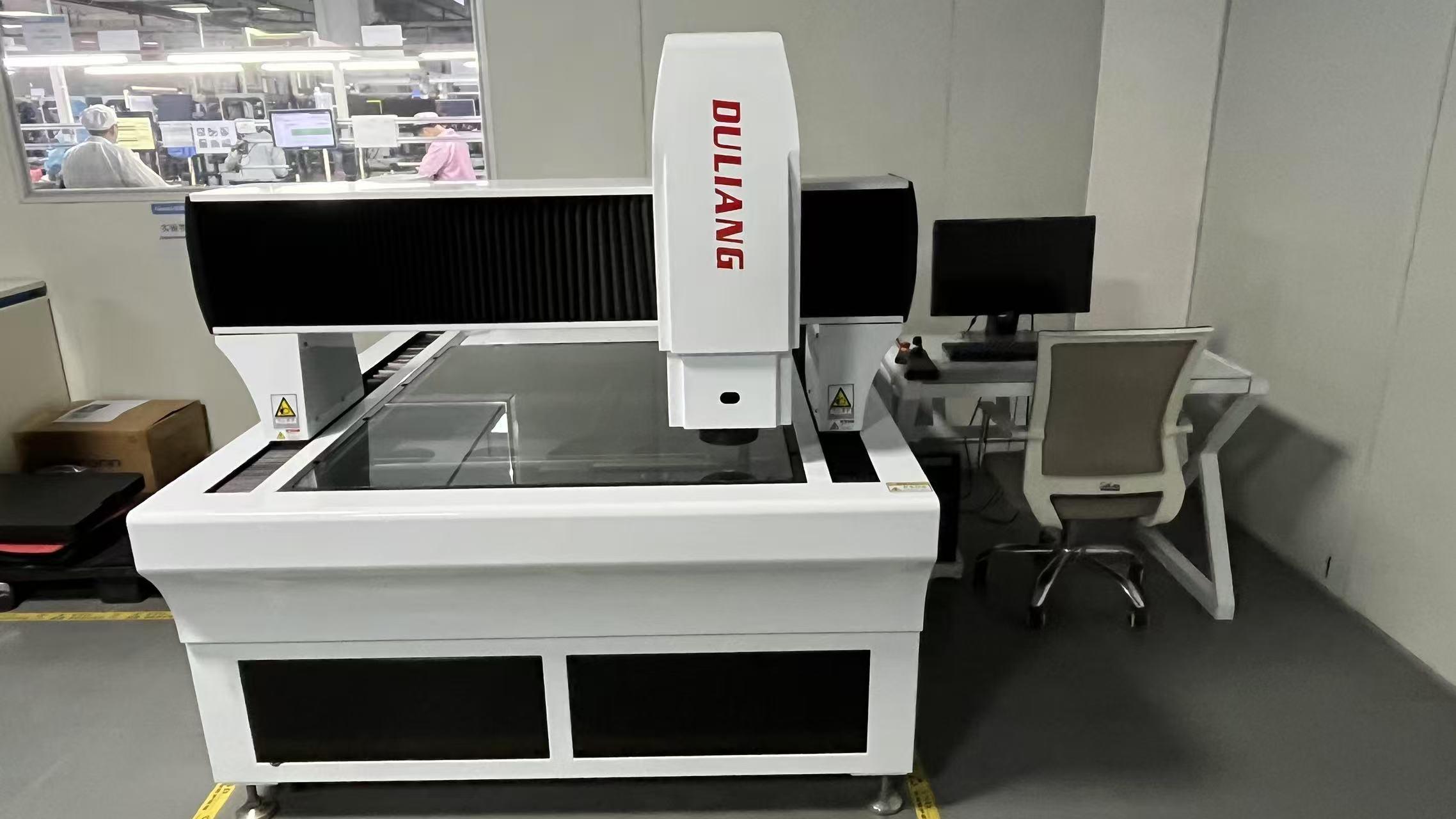
Operating a modern production facility, CoreByte applies advanced engineering and strict quality standards to all memory modules and thermal assemblies. We implement an ISO9001-based quality management system, using Automated Optical Inspection (AOI) and high-temperature aging tests. These tests ensure our DRAM products remain stable when operating alongside High-TG PCBs in warm climates.
Supported by 85 R&D engineers and introducing about 120 new product models annually, CoreByte delivers tailored solutions for cloud computing, high-frequency industrial control, and AI infrastructure. With over 1,200 supply chain partners, we ensure reliable deliveries and custom designs for the Middle East market.
Procuring raw materials and components for heavy industrial electronics requires careful supply chain oversight and compliance with regional standards. Industrial systems in Kuwait must satisfy strict requirements, including the Kuwait Conformity Assurance Scheme (KUCAS) and standards set by the Ministry of Electricity & Water (MEW). These regulations ensure electronic systems are built for long-term safety, flame retardancy, and electromagnetic compatibility.
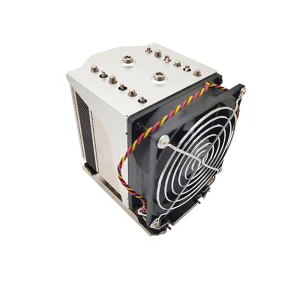
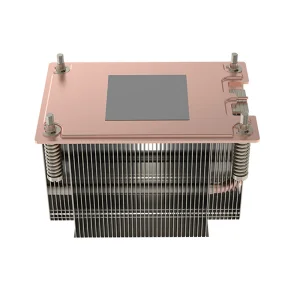
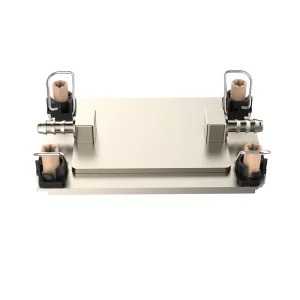
CoreByte assists procurement teams by providing comprehensive compliance support. All materials, including substrates, memory chips, and custom cooling blocks, carry full material certification sheets (such as UL 94-V0 flammability ratings and RoHS compliances). Our design engineers work closely with local teams in Kuwait, analyzing layout paths, calculating heat dissipation, and conducting simulation testing to verify that final assemblies meet local criteria.
Our logistical network ensures timely delivery to industrial hubs in Al-Ahmadi, Shuwaikh, and the Shuaiba Industrial Area. By managing parts inventory and maintaining relationships with major component producers, we help minimize supply chain delays, keeping your development schedules on track.
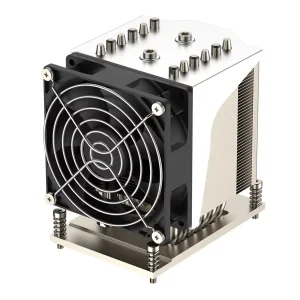
Contact our engineering and sales teams to request a quote, schedule a thermal analysis, or discuss layout optimization for your project.
Send Inquiry Now CoreByte