Engineered to meet the precise technical requirements of the Aichi Prefecture's leading manufacturing enterprises.
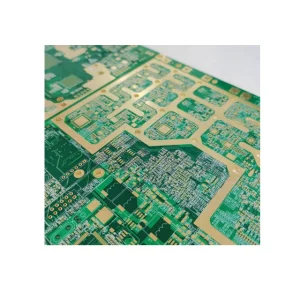
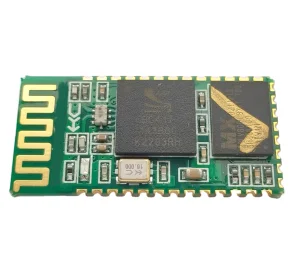

Nagoya, the capital of Japan’s Aichi Prefecture, stands as one of the world's most formidable manufacturing clusters. Known globally as the cradle of Toyota Motor Corporation and home to a vast network of aerospace giants (such as Mitsubishi Heavy Industries and Kawasaki Heavy Industries), Nagoya is currently undergoing a massive structural shift toward electrification, automated driving systems (ADAS), IoT, and robotics. This industrial transformation has catalyzed an unprecedented demand for advanced High-Frequency PCBs (Printed Circuit Boards) that can reliably process data in the millimeter-wave spectrum with near-zero signal loss.
High-frequency PCBs, engineered with specialized substrates like Rogers and high-performance thermoset hydrocarbon laminates, are key to supporting the complex radar systems, high-speed telecom modems, and edge computing architectures deployed in Nagoya's factories. As autonomous vehicles transition from Level 2 to Level 4/5 capabilities, vehicle sensors rely heavily on 77GHz–79GHz millimeter-wave radar modules. These modules demand tight control over dielectric constants (Dk) and dissipation factors (Df) across wide temperature profiles, rendering standard FR-4 materials obsolete for primary RF paths.
"In the Nagoya market, precision is not a preference; it is an absolute requirement. A variance of even 0.05 in a dielectric constant can degrade radar sensitivity, directly impacting vehicle safety systems." — Chief R&D Engineer, CoreByte Allied PCB Division.
Engineers in Nagoya's automotive hubs are increasingly choosing Rogers 4000 series (such as RO4003C and RO4350B) mixed-pressure stackups with Shengyi FR4 High TG170. This hybrid approach delivers the mechanical rigidity and thermal dissipation of FR-4 alongside the superior electrical qualities of PTFE or ceramic-filled thermoset laminates at the RF layer, optimizing the cost-to-performance ratio for mass production.
Combining robust manufacturing efficiencies, specialized high-frequency materials, and strict regulatory compliance.
We configure hybrid multilayer boards combining low-loss Rogers layers with high-Tg FR-4, mitigating insertion loss while ensuring mechanical stability under thermal stresses up to 288°C.
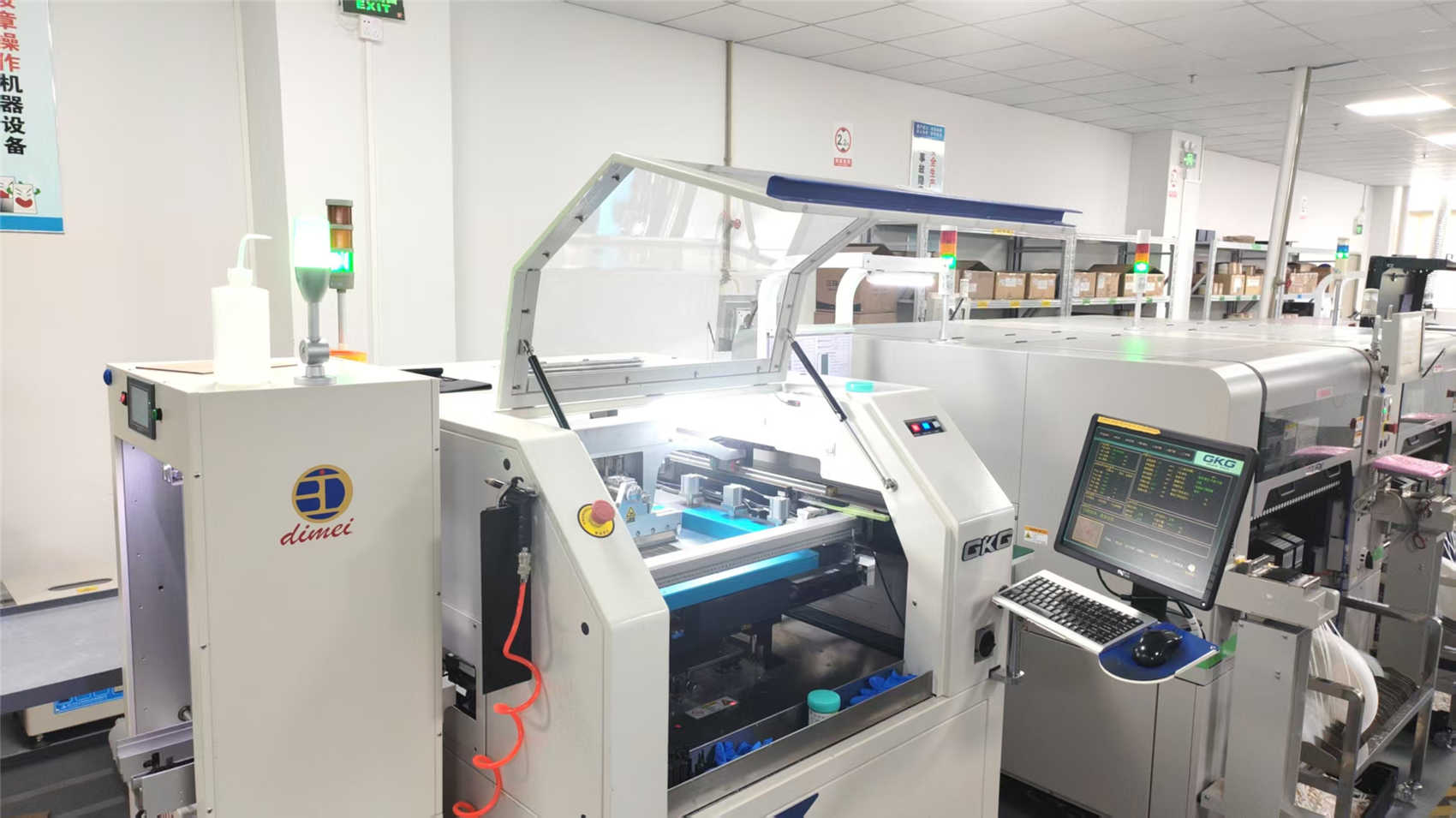
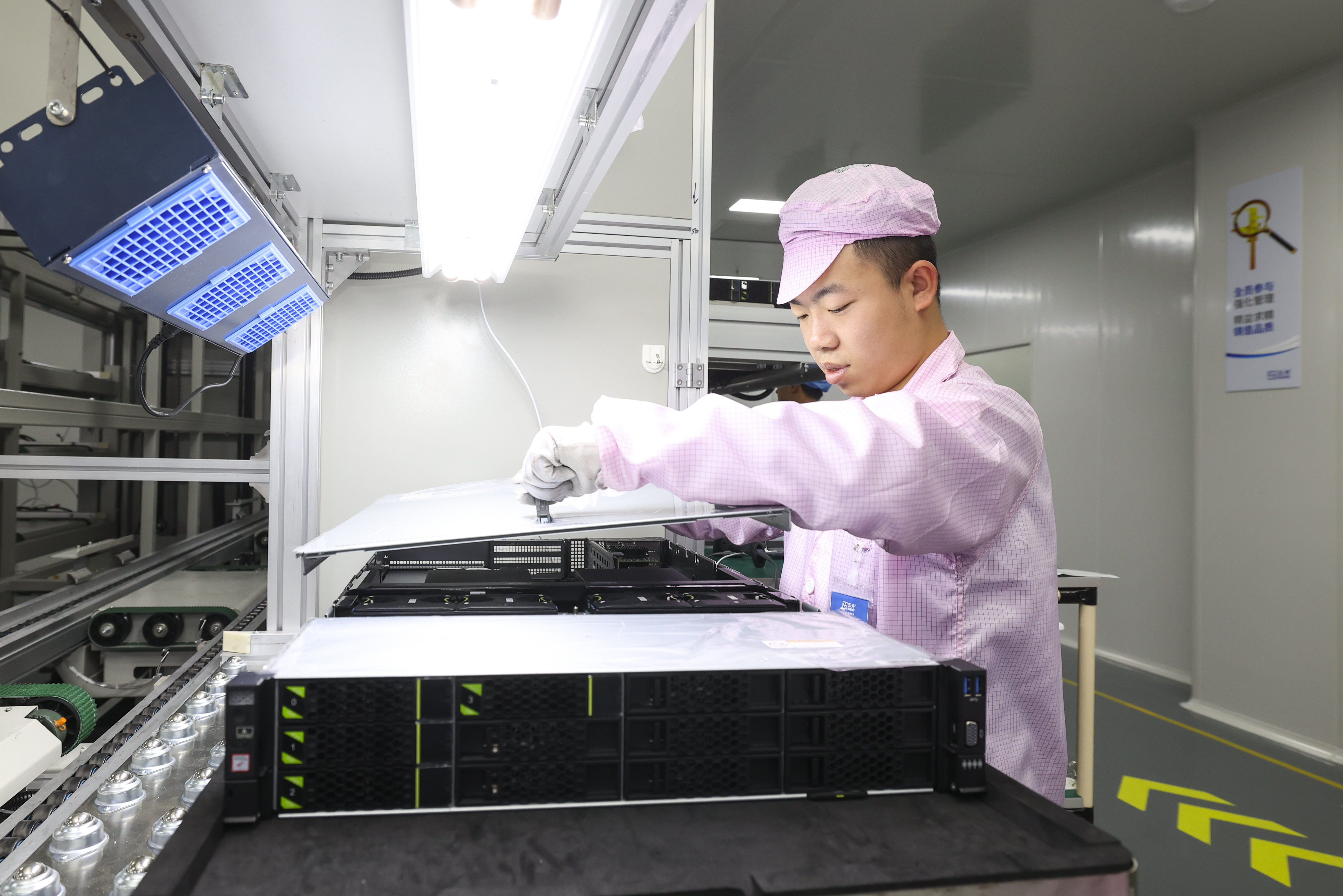
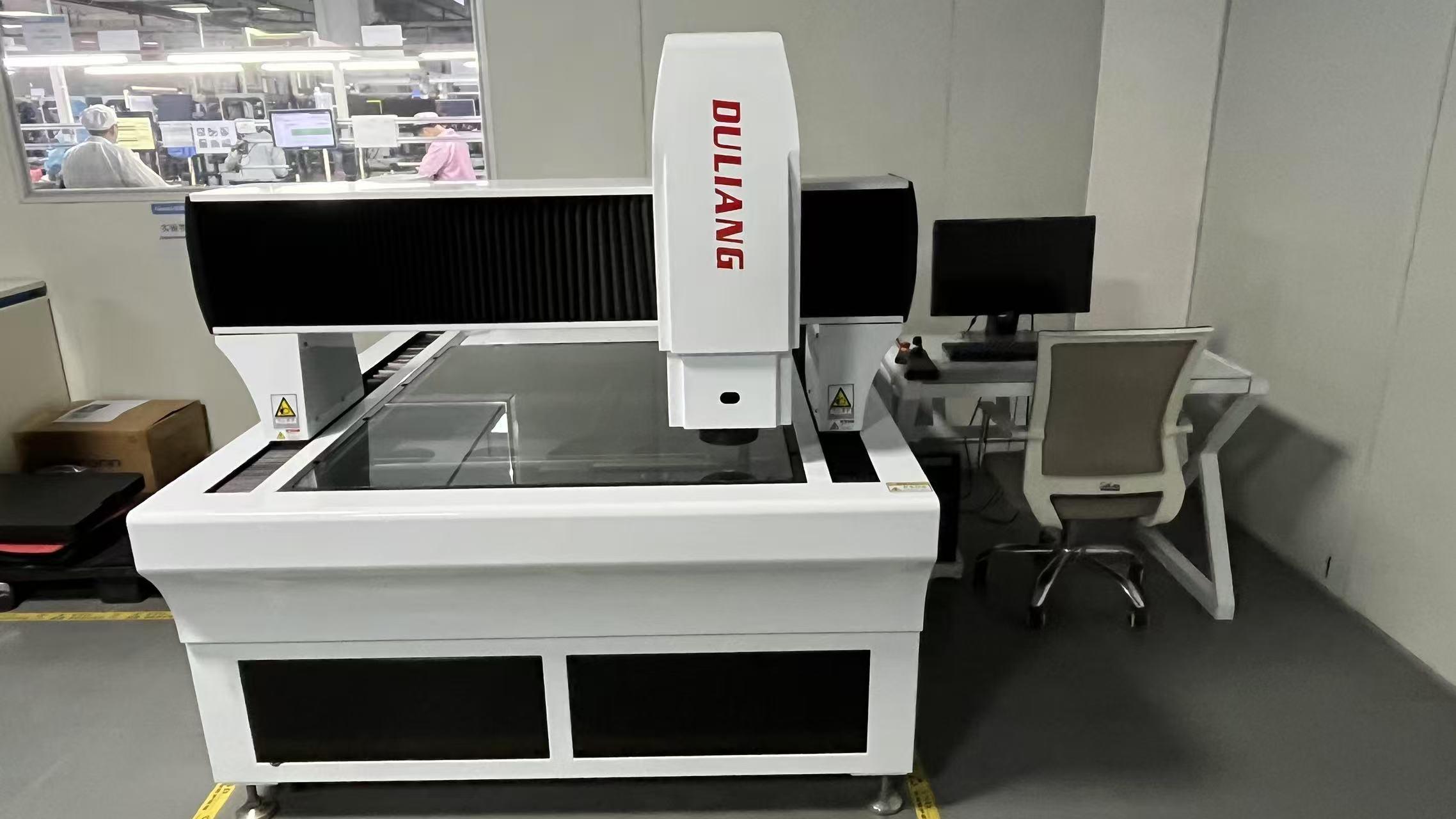
With 45 dedicated inspectors and fully automated optical inspection (AOI) lines, every batch undergoes thermal shock, micro-sectioning, and impedance testing to achieve military-grade yields.
Leveraging raw material partnerships with local laminate producers enables us to secure premium high-frequency substrates at reduced lead times and highly competitive pricing.
Founded in 2016, CoreByte Storage Technology Co., Ltd. has established itself as an innovative force in high-speed hardware architecture. Initially specializing in high-performance DDR5 memory modules and DRAM solutions for enterprise servers and AI clusters, CoreByte has scaled its operations to address the interlinked demands of modern high-frequency electronic packaging.
High-frequency signal routing doesn’t stop at the PCB substrate level. Modern telecom systems and compute nodes in Nagoya require a seamless interface between high-frequency transmission lines, high-speed DRAM modules (like DDR5 operating at 6000MHz), and robust thermal management assemblies. Recognizing this engineering reality, CoreByte leverages its 85-strong R&D engineering team to design cohesive solutions. By analyzing signal integrity challenges at both the motherboard level and the memory-bus interface, we ensure that high-frequency PCBs and high-speed memory systems function together without crosstalk or impedance mismatches.
Operating from our modern facilities, we combine a robust quality control framework with over 1,200 supply chain partners to support rapid prototyping and bulk exports to North America, Europe, and the Asia-Pacific region, yielding an annual export value exceeding USD 12 million.
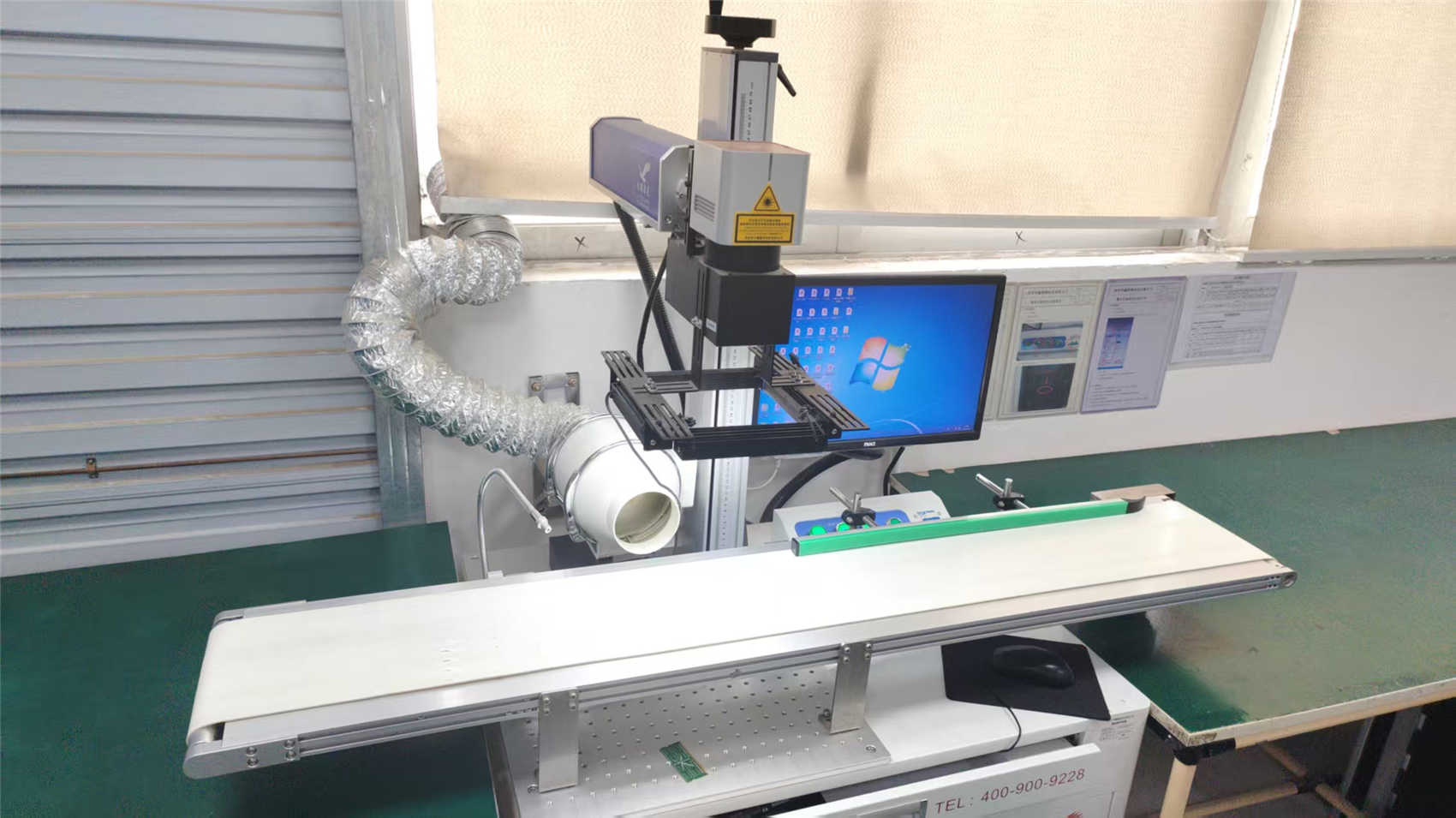

As frequency increases into the gigahertz spectrum, electron flow is restricted to the outer boundary of a conductor (the skin effect). This phenomenon dramatically increases the resistance of copper traces, turning copper surface roughness into a primary factor for signal loss. Our manufacturing processes utilize Low-Profile (LP) and Very-Low-Profile (VLP) copper foils with surface roughness ($R_z$) of less than 2.0 μm, preventing phase distortion in high-frequency transmission lines.
Furthermore, standard glass-epoxy laminates exhibit relative permittivity (dielectric constant, $D_k$) variations that fluctuate with temperature and moisture absorption. For Nagoya's automotive clients, whose radar modules must perform consistently from sub-zero winter temperatures in mountainous Gifu to high engine-bay heat, choosing materials with a low thermal coefficient of dielectric constant ($TCD_k$) is critical. Ceramic-filled PTFE substrates like Rogers 3000 and 4000 series exhibit a $TCD_k$ of less than 40 ppm/°C, ensuring frequency stability across extreme operational profiles.
For modern artificial intelligence (AI) nodes and industrial control interfaces, processing gigabits of sensor data in real-time requires short, optimized traces between the RF transceivers, CPU motherboards, and memory modules. CoreByte's background in designing DDR5 memory modules (operating with high clock frequencies up to 6800MHz) allows us to offer system-level layout suggestions. This minimizes trace reflections, controls differential impedance to ±5% tolerances, and implements robust copper planes to shield sensitive analog lines from high-speed digital switching noise.
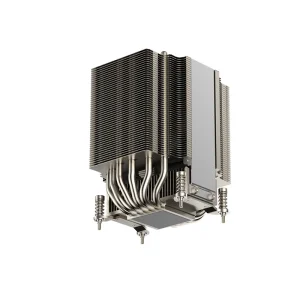
Thermal management is another core component of high-frequency system reliability. High RF power amplification generates significant heat. In response, our layout services incorporate advanced copper-invar-copper cores, thick copper backplanes, and direct thermal vias. These vias link heat-generating components to custom-designed server heatsinks or passive radiator assemblies, maximizing system uptime and extending component lifespans.
Consult with our R&D engineering team today to review your Gerber files and material requirements.
Send Inquiry NowAddressing critical engineering, logistics, and quality questions for the Nagoya and global procurement markets.
For automotive radar applications operating at 77GHz to 79GHz, we recommend PTFE-based substrates or ceramic-filled thermoset laminates such as Rogers RO3003, RO4835, or Shengyi's specialized high-frequency materials. These materials provide a stable dielectric constant (typically around 3.0) and an exceptionally low dissipation factor (under 0.0013 at 10GHz) to prevent signal degradation in ADAS systems.
Hybrid stackups use Rogers material for the top RF microstrip layer and lower-cost High-Tg FR-4 for the remaining digital routing, control, and ground planes. During pre-preg lamination, we closely match the Coefficient of Thermal Expansion (CTE) of the selected FR-4 and Rogers layers. This prevents delamination, board warping, and stress-related micro-cracking in the plated through-holes (PTH) during assembly and reflow.
Our high-frequency PCBs undergo rigorous testing, including Automated Optical Inspection (AOI), Time-Domain Reflectometry (TDR) testing for characteristic impedance control (standard target: 50Ω/100Ω ±5%), flying probe electrical tests, micro-sectioning analysis to inspect copper plating thickness within vias, and high-temperature aging tests to ensure long-term stability.
We offer direct shipping lanes to Nagoya's industrial centers. Standard express shipments are dispatched via air transport through Chubu Centrair International Airport (NGO) for rapid prototyping needs. Bulk production shipments are routinely coordinated via Nagoya Port, with full customs clearance support, conforming to Japanese environmental standards (RoHS and REACH compliance).
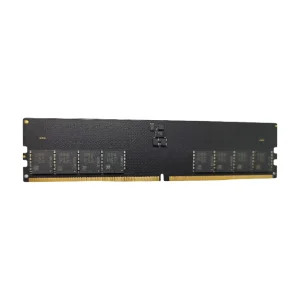
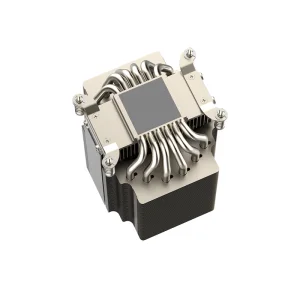
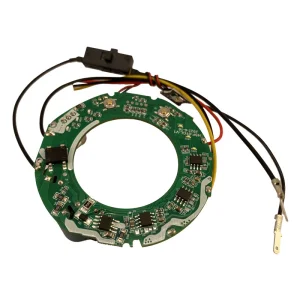
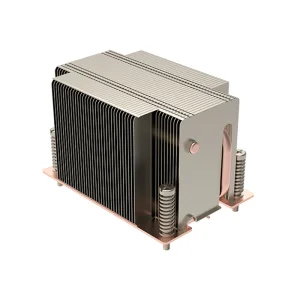
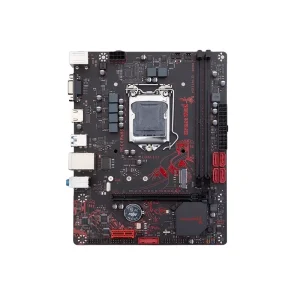
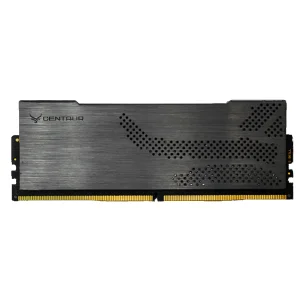
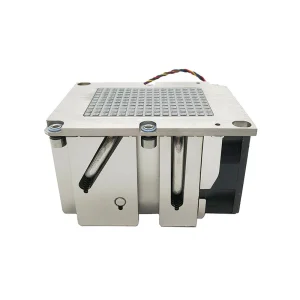
Explore our integrated range of high-frequency computer motherboards, DDR5 memory modules, and server thermal management components.
 CoreByte