Premium Core Substrates & Server Radiators Optimized for Heavy Industrial and High-Density Optical Infrastructures
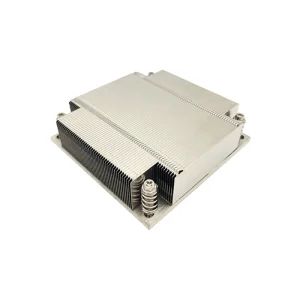
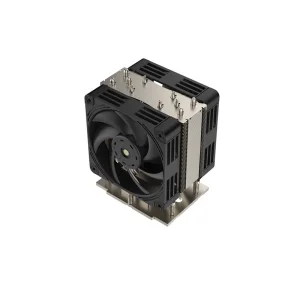
South Korea stands at the forefront of global technological innovation, anchoring multi-billion dollar ecosystems in semiconductor fabrication, automotive electrification, high-power LED installations, and high-performance computing (HPC). As electronics continue to shrink while power densities surge, the critical point of system failure centers around thermal management.
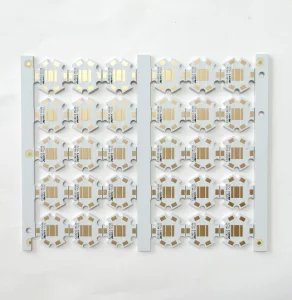
From the smart automotive clusters in Gyeonggi-do to the heavy industrial zones of Ulsan and the cutting-edge AI server architectures in Pangyo Techno Valley, Korean hardware developers are increasingly turning to Insulated Metal Substrates (IMS), commonly known as Aluminum PCBs. These substrates replace traditional FR-4 materials in high-heat applications, providing heat dissipation rates up to 10 times higher and ensuring that critical semiconductors, LEDs, and power transistors operate well within safe temperature thresholds.
"For Korean tier-1 automotive suppliers and LED luminaire manufacturers, mechanical stability and thermal integrity are non-negotiable. Our T6 Aluminum Substrates offer the precise thermal expansion coefficient (CTE) and dielectric strength required to excel under South Korea's strict industrial and environmental standards."
By using premium aluminum alloys (such as 1060, 5052, and 6061) paired with custom high-thermal conductivity dielectric prepregs, we bridge the gap between premium performance and cost efficiency. For Korea's fast-paced electronics market, our agile prototyping and rapid production capabilities enable local brands to dramatically reduce time-to-market.
A Comprehensive Structural Comparison for Korean Engineers & Sourcing Managers
Standard FR-4 PCBs have a thermal conductivity of roughly 0.25 W/m·K, causing thermal bottlenecks in high-power systems. In contrast, our custom Aluminum PCBs (MCPCBs) incorporate a highly filled ceramic polymer dielectric layer on top of a heavy metal base, providing thermal transfer values that scale from 1.0 W/m·K up to 8.0 W/m·K. Below is a breakdown of the key structural components that drive this performance:
Utilizes premium, high-purity electrolytic copper foil ranging from 1oz to 6oz. This ensures low electrical resistance, excellent high-frequency current transport, and reliable trace adhesion under extreme thermal cycles.
The core proprietary element consisting of a polymer matrix loaded with ceramic particles. This specialized layer provides high dielectric breakdown voltage (up to 6kV AC) while keeping thermal resistance to an absolute minimum.
Typically 5052 or 6061 T6 Aluminum alloy, offering high tensile strength, ease of mechanical drilling/V-scoring, and exceptional thermal conductivity. Standard thicknesses range from 0.8mm to 2.0mm to fit space-constrained devices.
Deploying Metal Clad PCB Solutions in Key Regional Hubs and Regulatory Systems
We supply custom Aluminum PCBs to meet the specific requirements of South Korea's primary technology and manufacturing hubs:
Entering the Korean market requires strict adherence to local quality controls and safety standards. Our manufacturing processes are fully optimized to support your compliance needs:
How CoreByte Integrates Thermal Substrates with High-Speed Computing Components
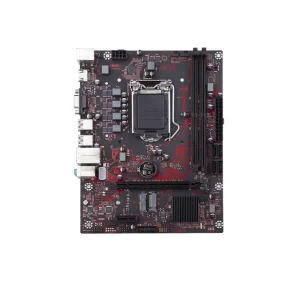
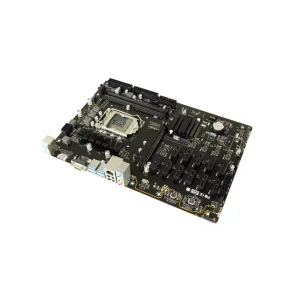
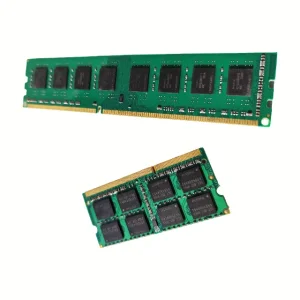
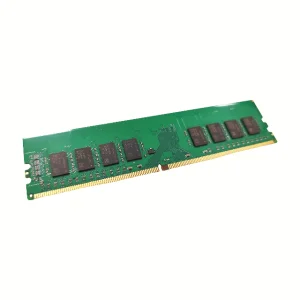
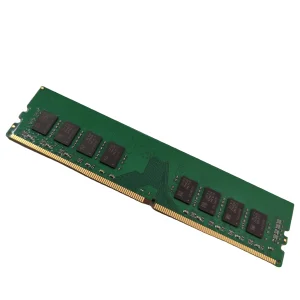
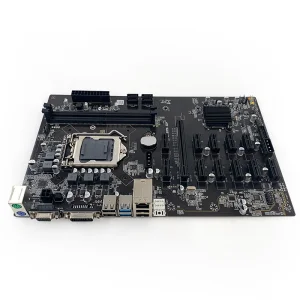
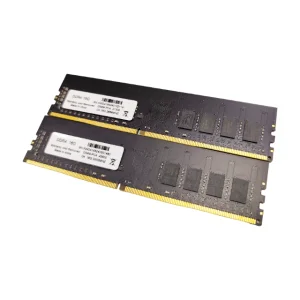
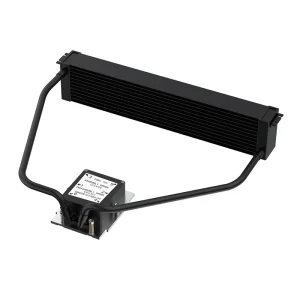
At CoreByte Storage Technology Co., Ltd., we approach thermal management from a holistic perspective. Our years of experience manufacturing high-performance DRAM memory, server motherboards, and active air-cooled radiators give us a deep understanding of the challenges that Korean OEMs face. High-frequency memory modules and dense CPU clusters generate intense localized heat, requiring a combination of active heatsinks and high-thermal-conductivity PCBs to prevent performance throttling.
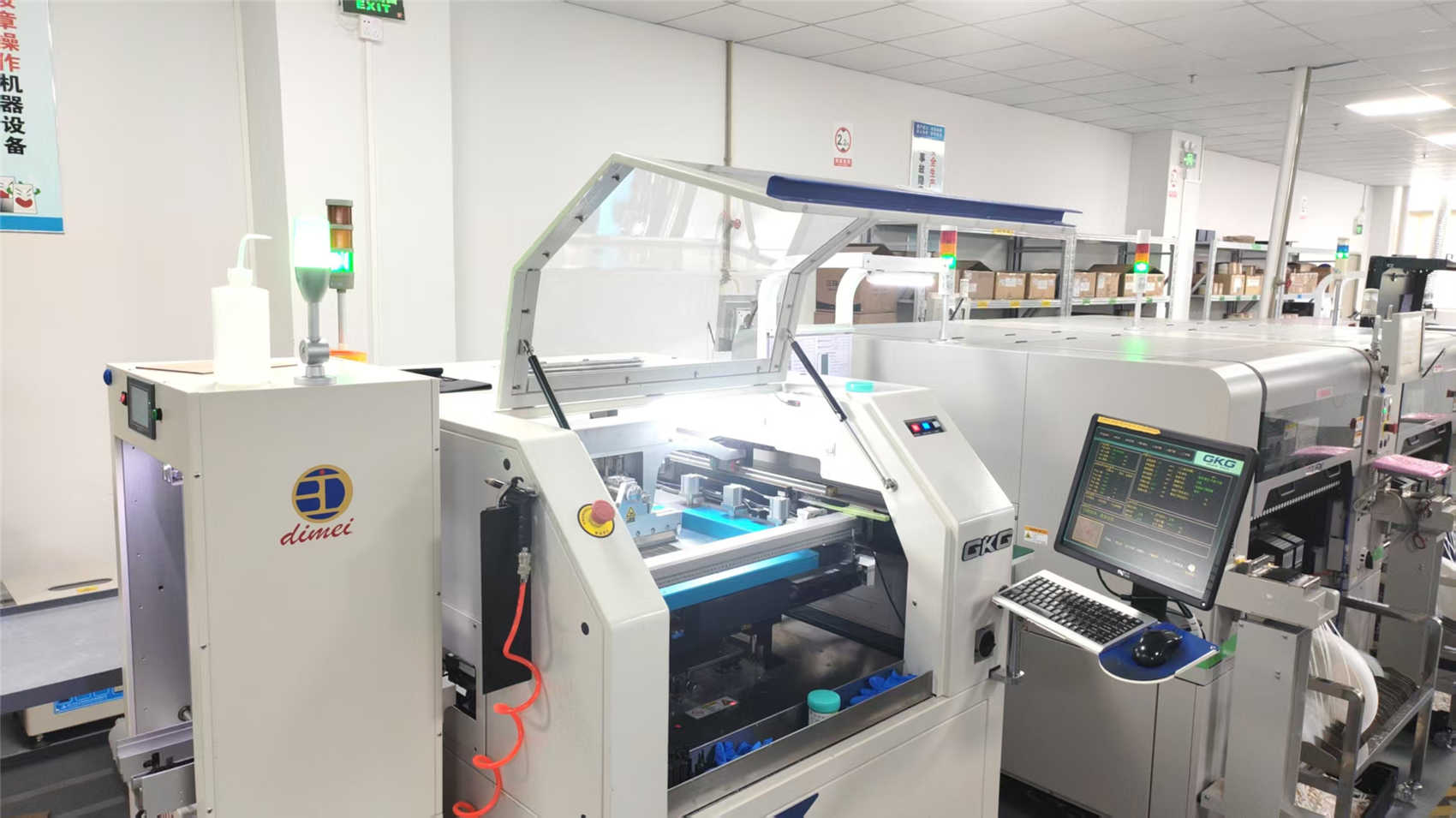
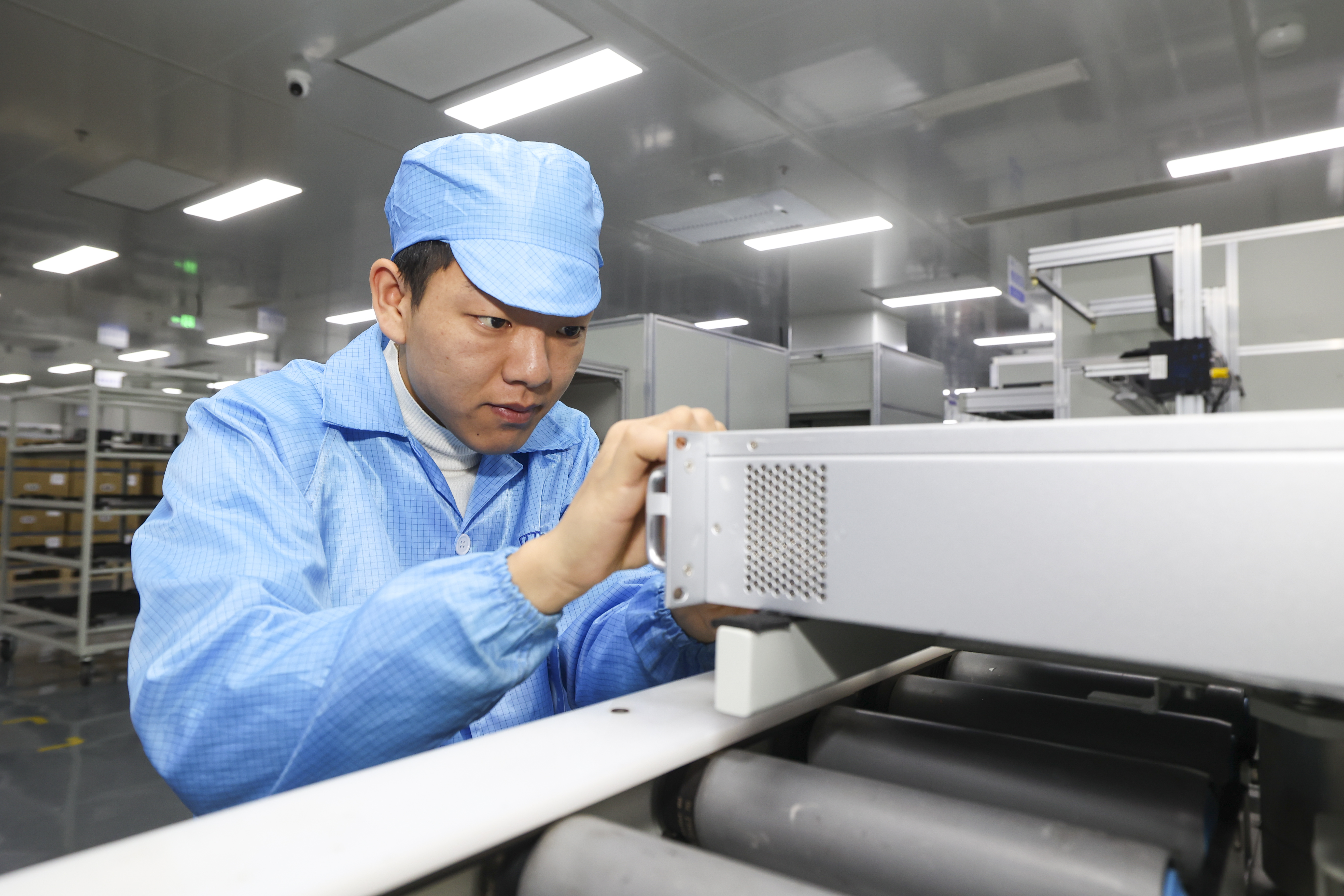
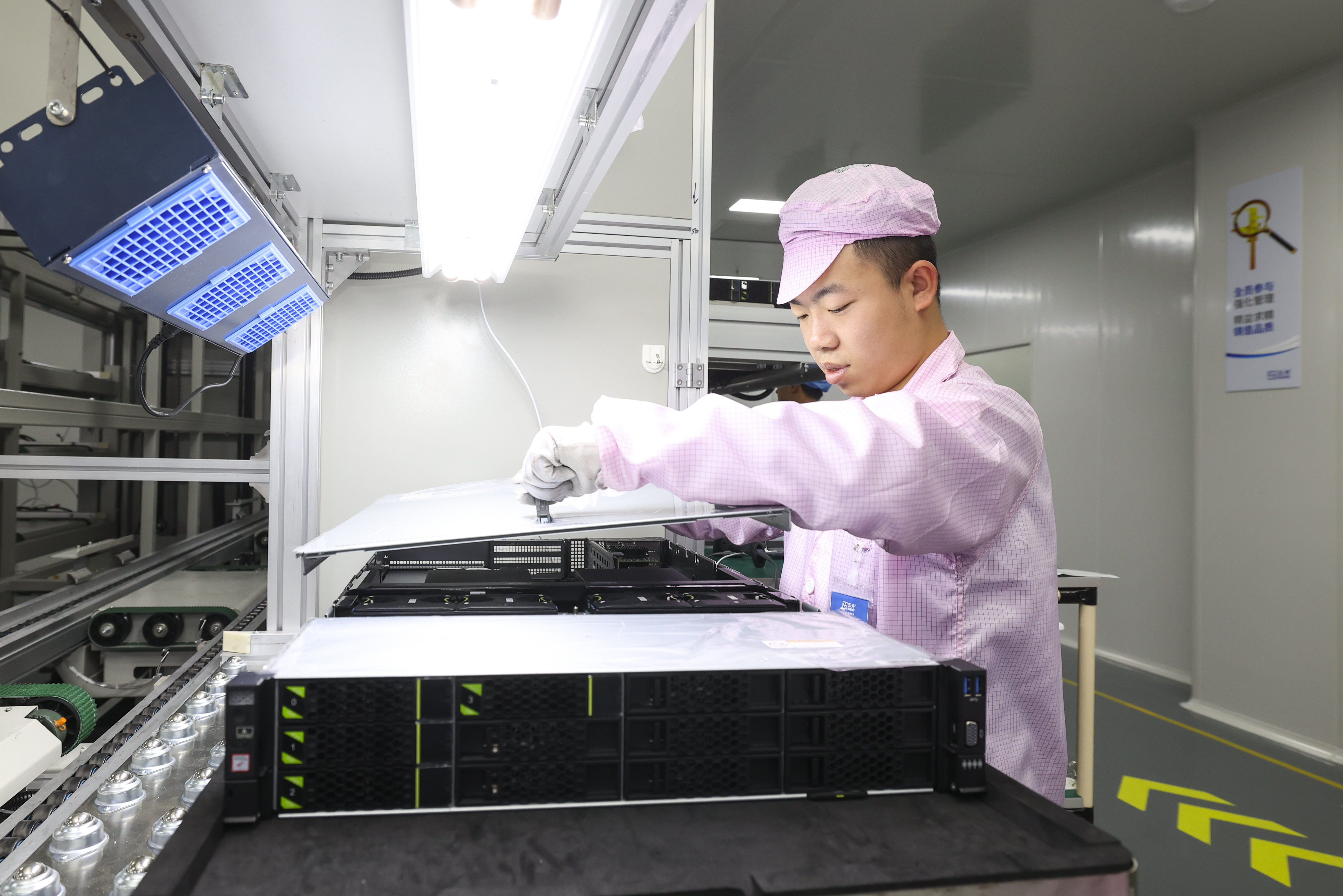
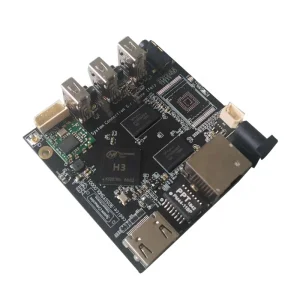
By leveraging our specialized R&D team and ISO9001-certified factory, we offer high-yield SMT (Surface Mount Technology) assembly capabilities. Whether you are building smart set-top boxes, industrial control boards, or high-density server configurations, our engineering team ensures that the board layout, substrate choice, and active cooling solutions work together seamlessly.
Established Year
Annual Export Value
R&D Engineers
Supply Chain Partners
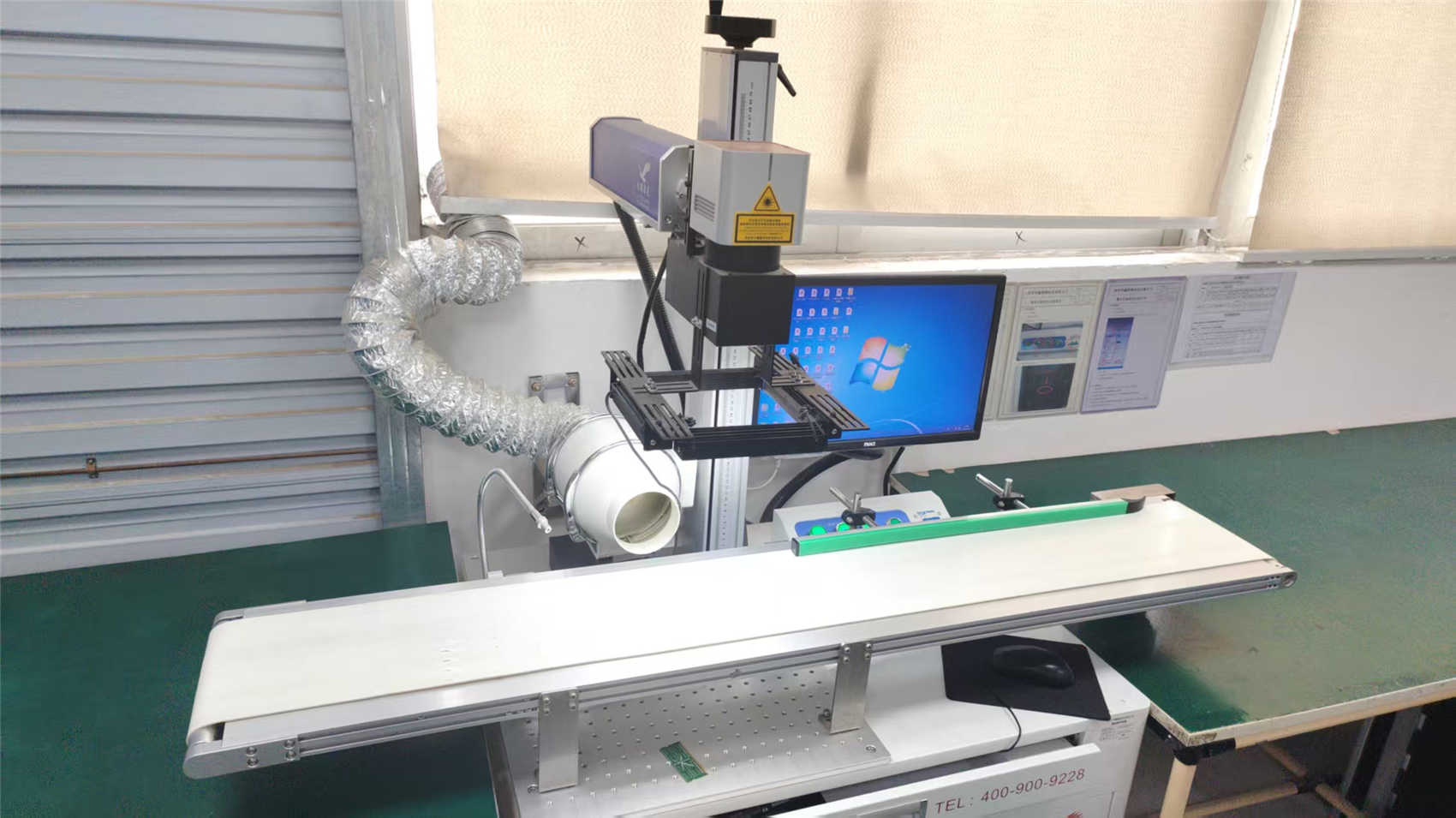
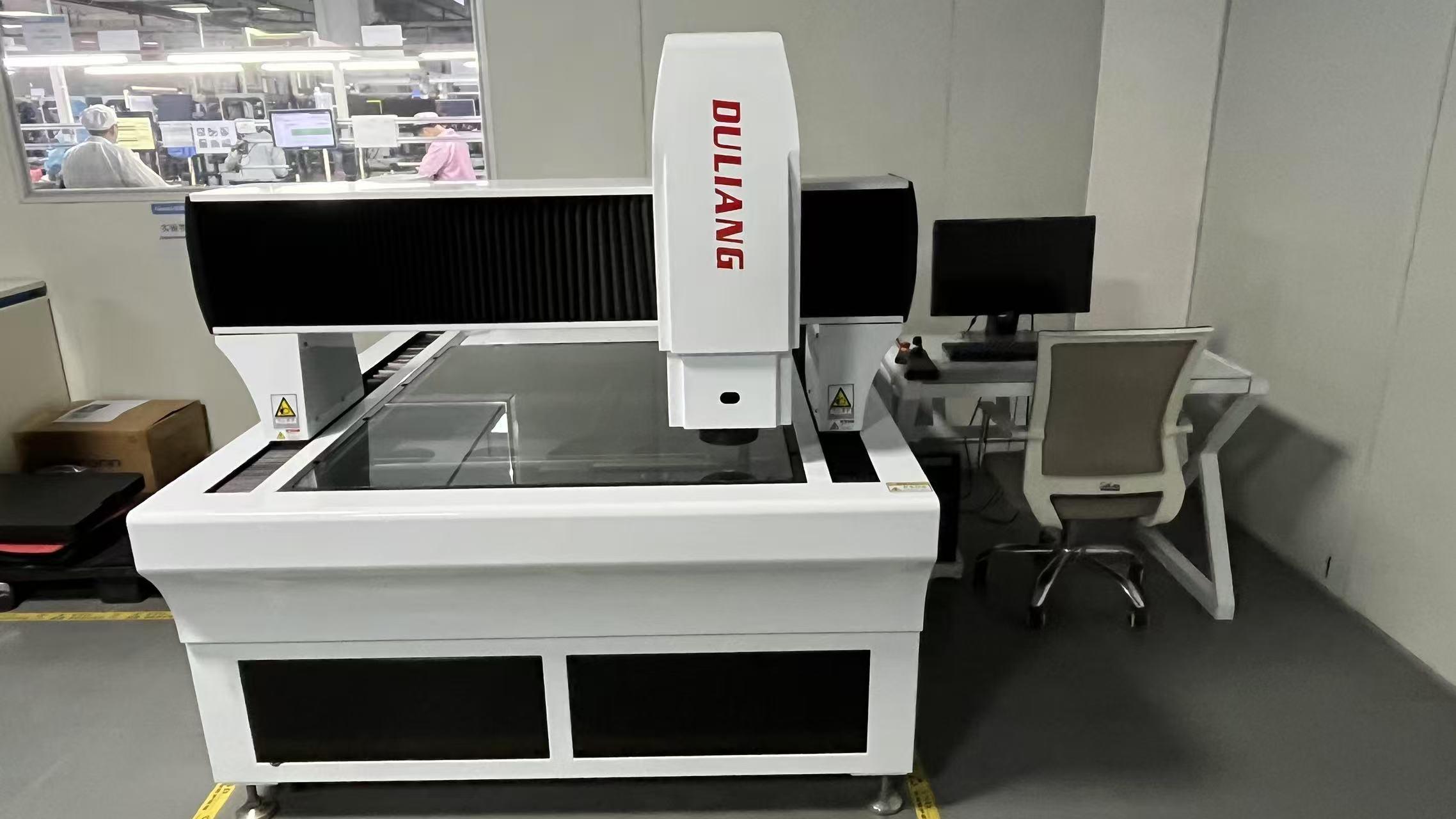
Our manufacturing and quality assurance workflows are built around reliability. Every production run undergoes automated optical inspections (AOI) and high-temperature aging chambers to verify dielectric integrity and solder joint longevity. With an annual launch of over 120 new product models, we continue to lead in performance, compatibility, and durability.
Answers to Common Technical Questions from Korean Sourcing and Design Teams
Explore Our Extended Range of Motherboards, Memory Upgrades, Active Coolers, and PCB Assembly Services
 CoreByte