Explore our elite collection of engineered hardware. These modules represent the core components for server, enterprise, and industrial computing infrastructures.
How Global OEM, Enterprise, and Data Center Buyers Select Reliable Semiconductors and DRAM Memory Partners
In the modern electronic manufacturing matrix, active components (such as memory modules, integrated circuits, microprocessors, and active logic elements) form the brain of any computational system. Unlike passive elements, active components control the flow of electricity through digital gate structures, requiring strict thermal oversight, precise signal routing, and flawless silicon quality. Sourcing these units demands choosing an organization that provides substantial information gain: deep transparency into silicon batch codes, automated optical inspections, and structured testing methodologies.
As systems move towards AI computing, edge intelligence, and DDR5 interfaces, global purchasers need more than a generic distributor list. They require a partner rooted in deep semiconductor industry experience, validated by rigorous quality systems and active supply chain ecosystems.
As a leading active memory module supplier, CoreByte Storage Technology Co., Ltd. exemplifies the standards required for enterprise and OEM applications. Specializing in high-performance DDR5 memory and custom DRAM solutions, CoreByte supports critical IT and system integration infrastructure. The company maintains a focused 320㎡ high-precision laboratory and cleanroom R&D space, designed for advanced circuit validation and thermal layout planning. Backed by 9 years of industry experience in high-speed computing solutions and 6 years of export experience, CoreByte delivers solutions to North America, Europe, Southeast Asia, and the Middle East.
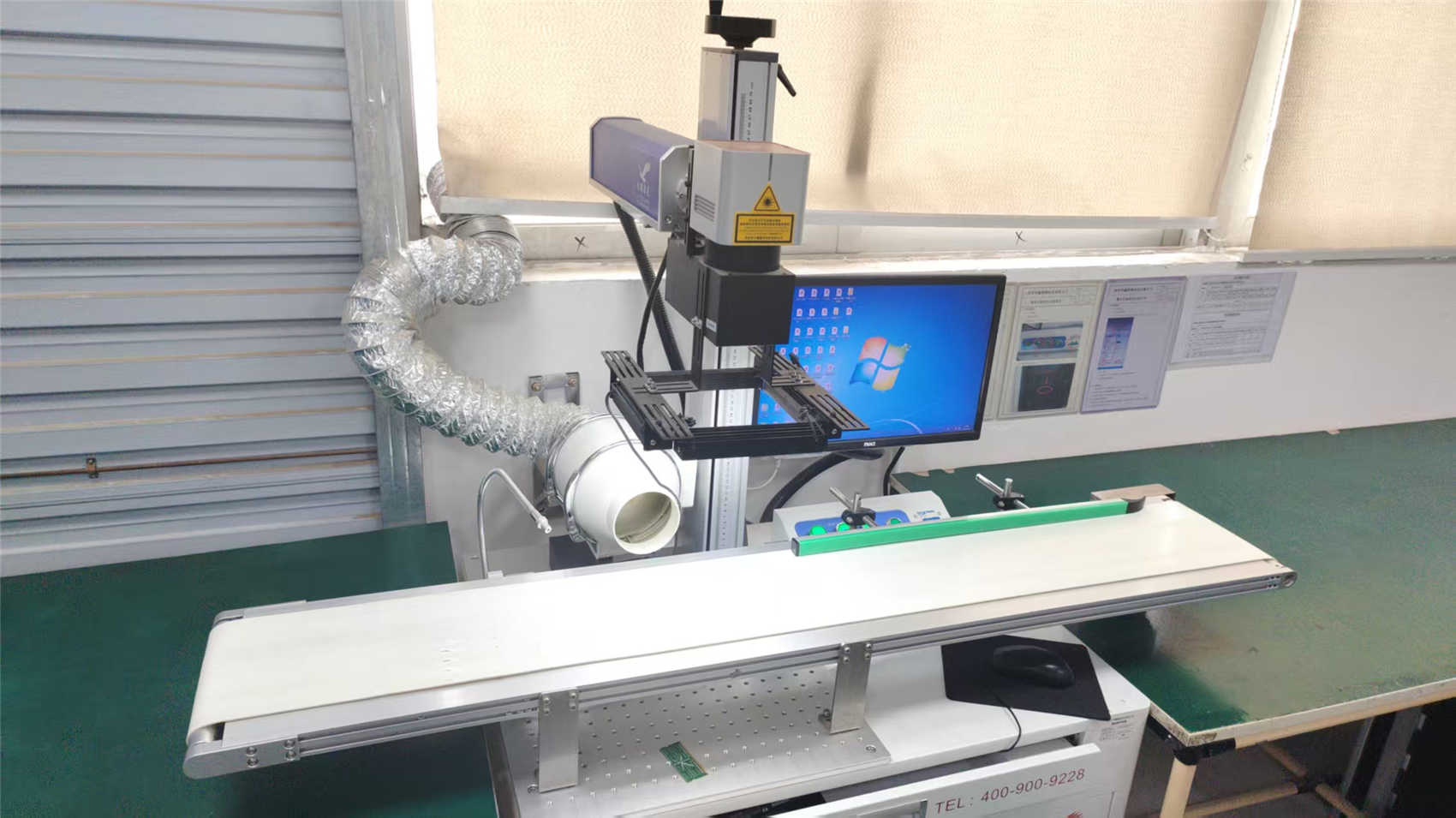
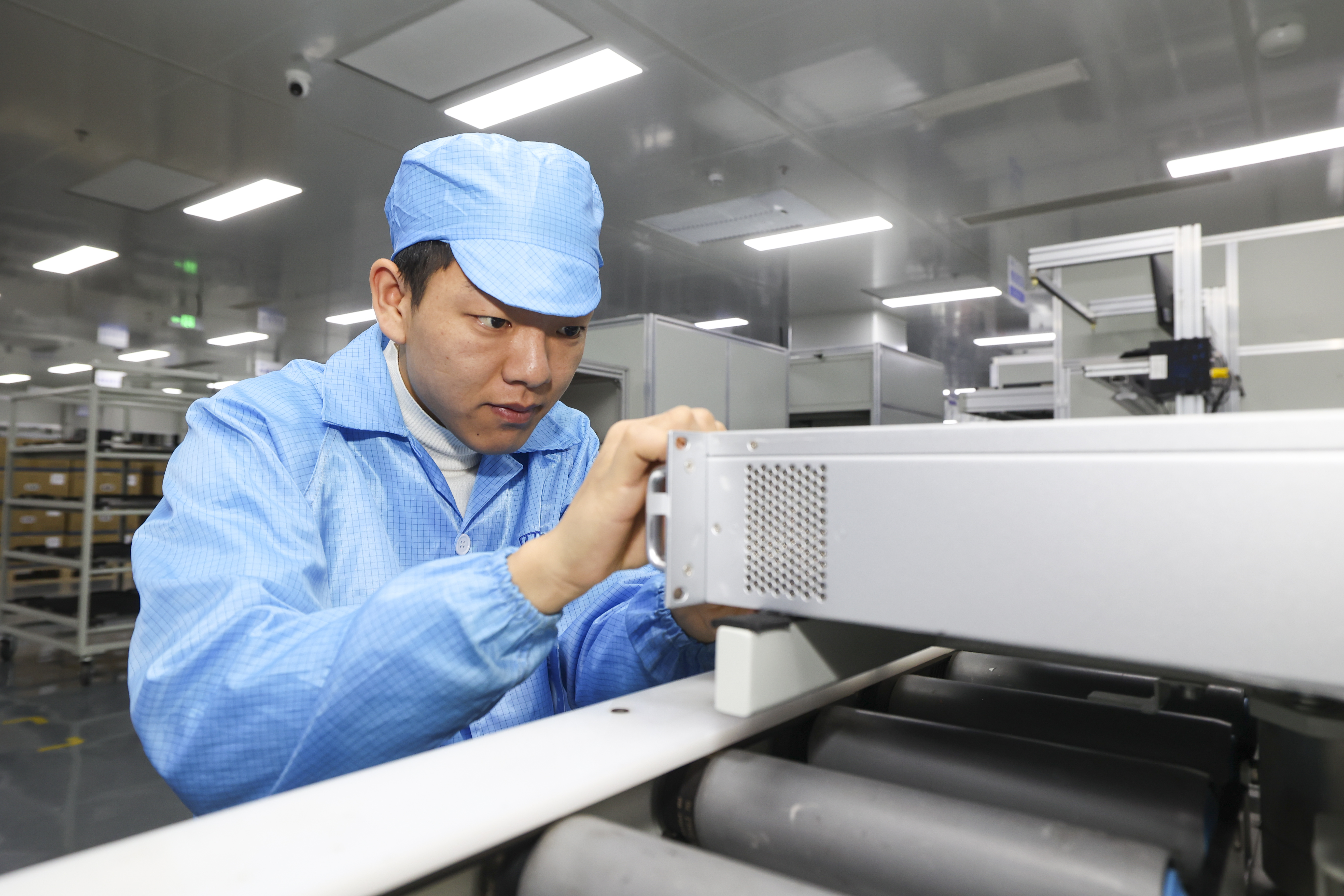
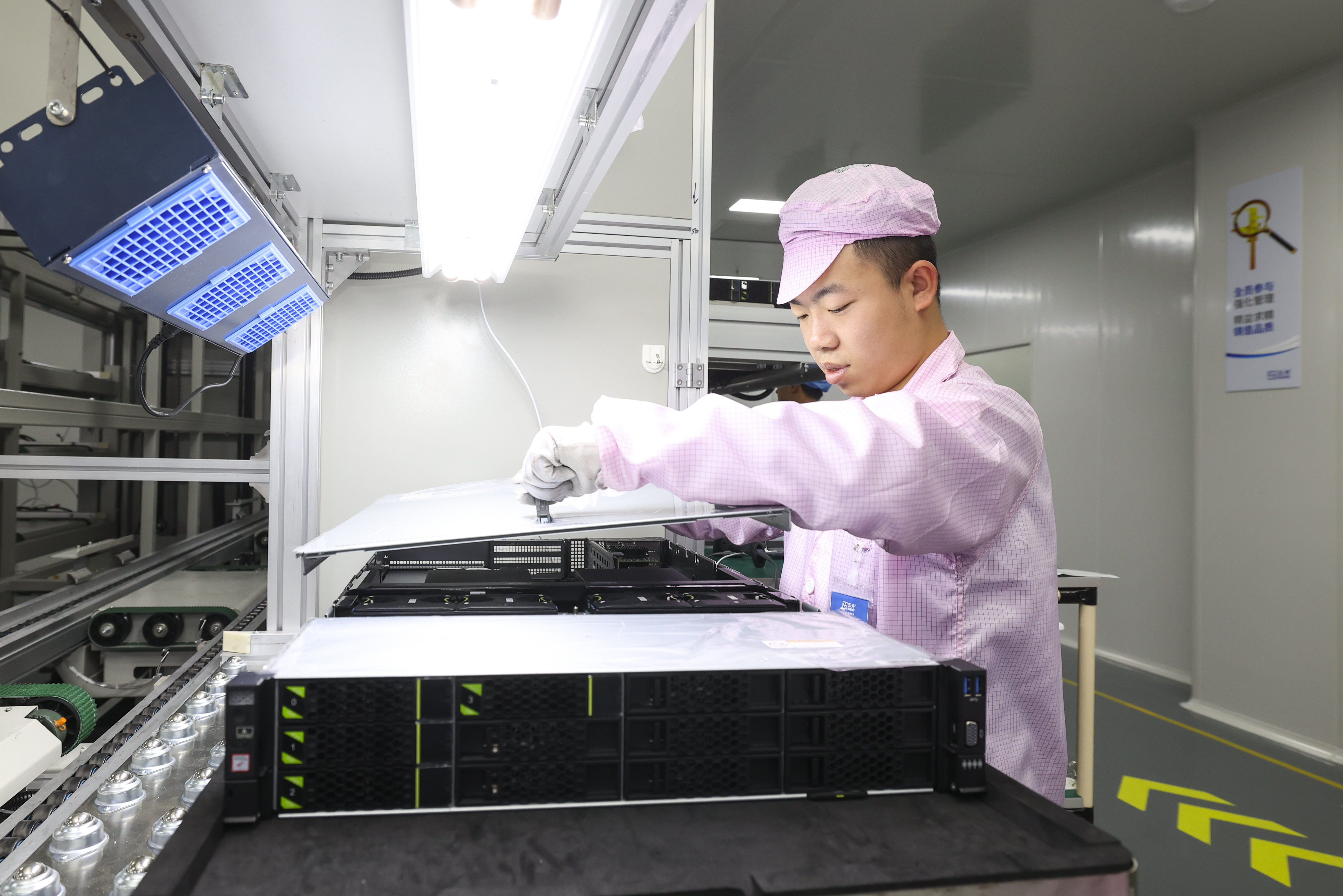
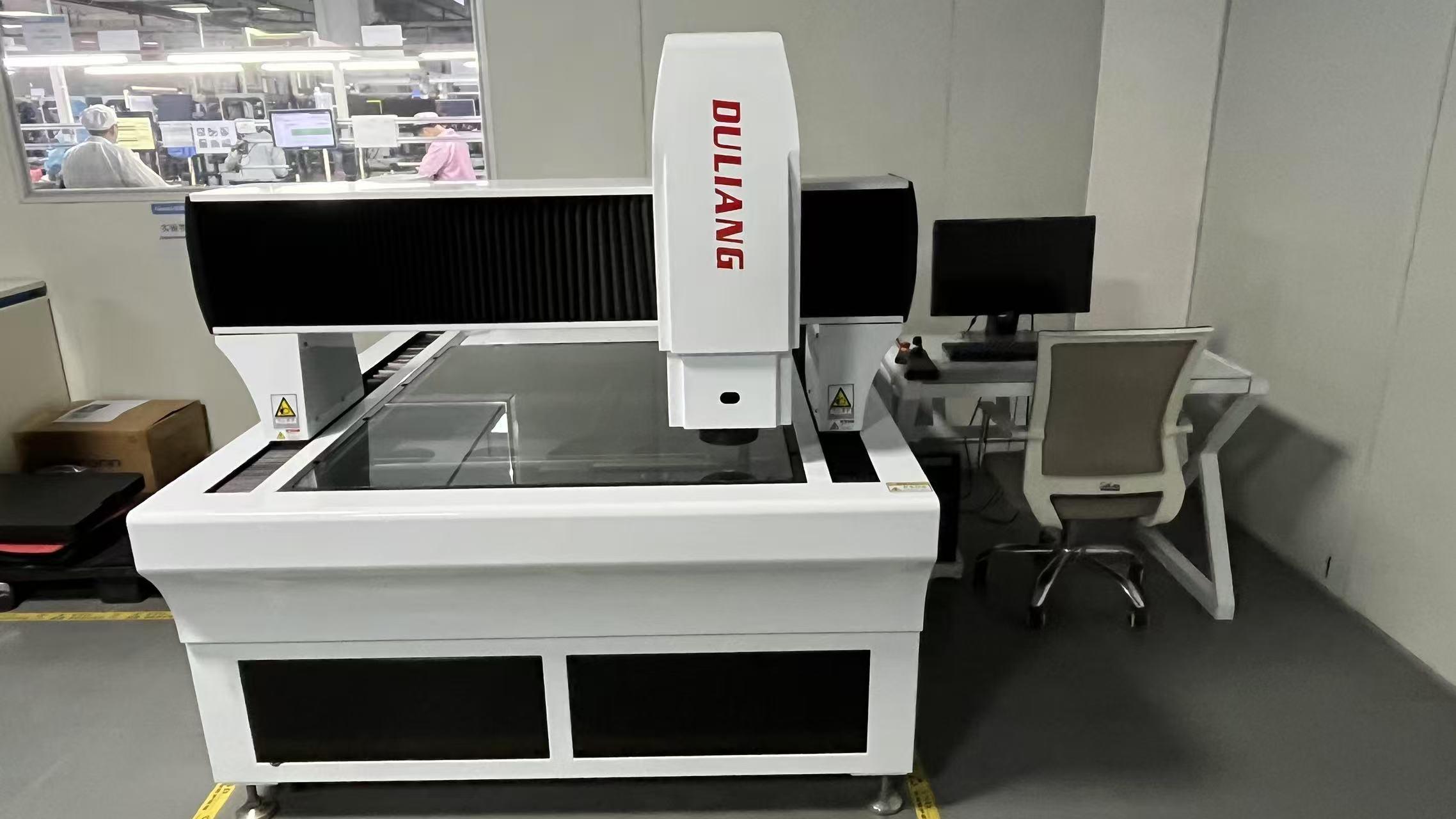
Quality control at CoreByte is built directly into the process. The factory operates on an ISO9001-based quality management structure, implementing automated optical inspection (AOI) and high-temperature stress tests for all dynamic RAM components. Backed by 45 specialized quality inspectors, each production batch meets international standards, ensuring stability under heavy computing workloads.
Adapting to regional operating environments and upcoming hardware generations
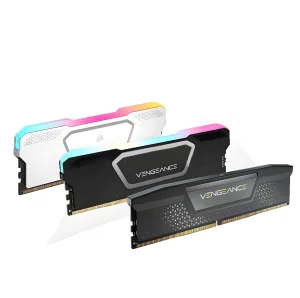
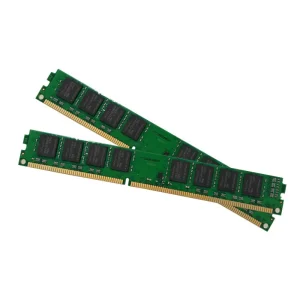
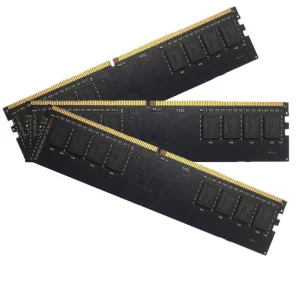
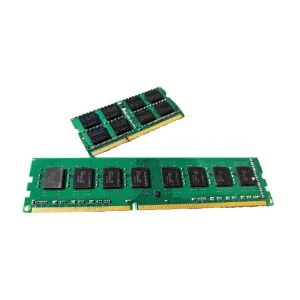
The migration from DDR4 to DDR5 marks a shift with on-die ECC (Error Correcting Code) and integrated Power Management ICs (PMICs) directly on the module. CoreByte's R&D department launches approximately 120 new product models annually, ensuring clients have early access to high-frequency DDR5 profiles (up to 5200MHz and beyond) that meet specifications for server systems.
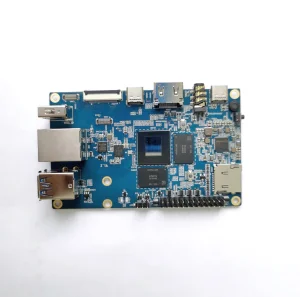
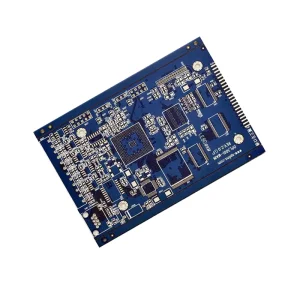
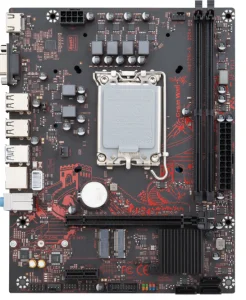
Edge AI systems require highly integrated processing platforms. Single-board computer motherboards leveraging the Rockchip RK3588S SoC (featuring built-in NPUs up to 6 TOPS) demand robust local memory configurations (4GB/8GB/16GB). Ensuring low-latency memory paths is critical for real-time video processing, robotics, and local automation hubs.
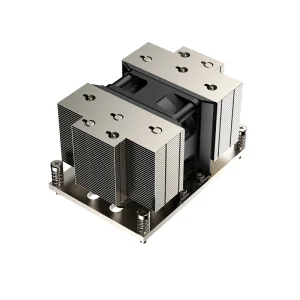
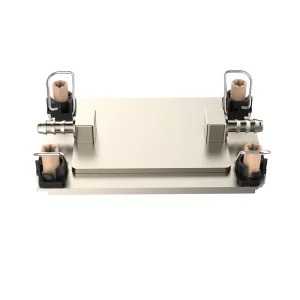
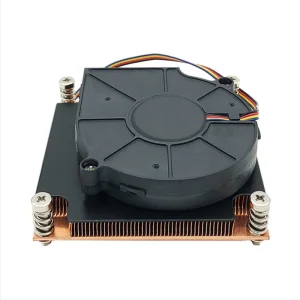
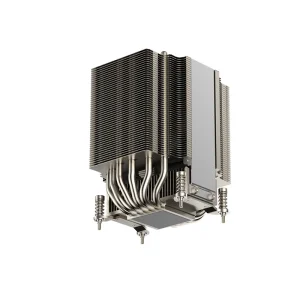
As server processor densities increase (e.g., LGA4677 and AMD SP5 platforms exceeding 350W-400W TDP), passive air cooling is no longer sufficient. Modern layouts require copper water cooler blocks, advanced heat sinks, and PWM fans to prevent thermal throttling on critical memory banks and CPUs.
| Active Component Category | Primary Industrial Application | Typical Interface / Architecture | Key Quality Metric & Inspection Method |
|---|---|---|---|
| DDR5 RGB & CMK Memory Modules | Enterprise Servers, High-Performance Compute, Gaming | DRAM / 288-Pin DIMM (5200MHz) | On-Die ECC, Automated Optical Inspection (AOI), Heat Chamber Burn-in |
| Industrial SoC Motherboards (RK3588S) | Edge Compute, Smart Vision, Robotics | ARM / Rockchip Octa-core with NPU | Functional Signal Testing, 24-Hour Continuous Workload Loop |
| LGA4677 / SP5 Liquid Cooling Blocks | High-Density Datacenters, Server Rack Systems | 1U Copper Water Loop Block (400W) | Hydrostatic Pressure Leak Test, Copper Thermal Conductivity Mapping |
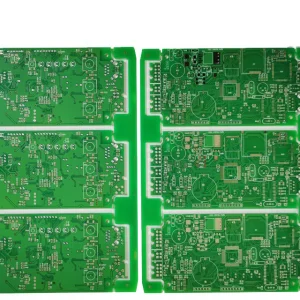
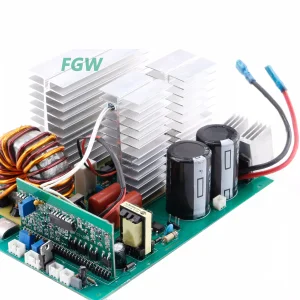
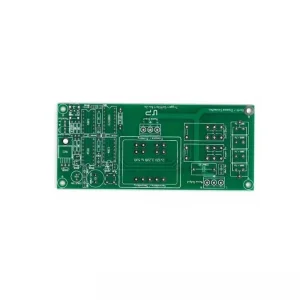
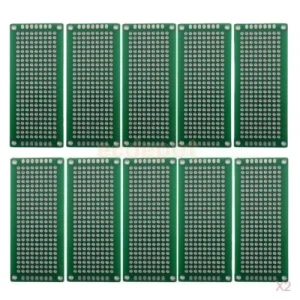
| Multilayer FR4 PCB & SMT Assembly | Power Conversion, Smart Meters, Control Logic | Multilayer Impedance Controlled Circuits | Flying Probe Test, X-Ray Solder Joint Analysis, Lead-Free HASL |
The strategic importance of integrated cluster manufacturing and flexible SMT production lines
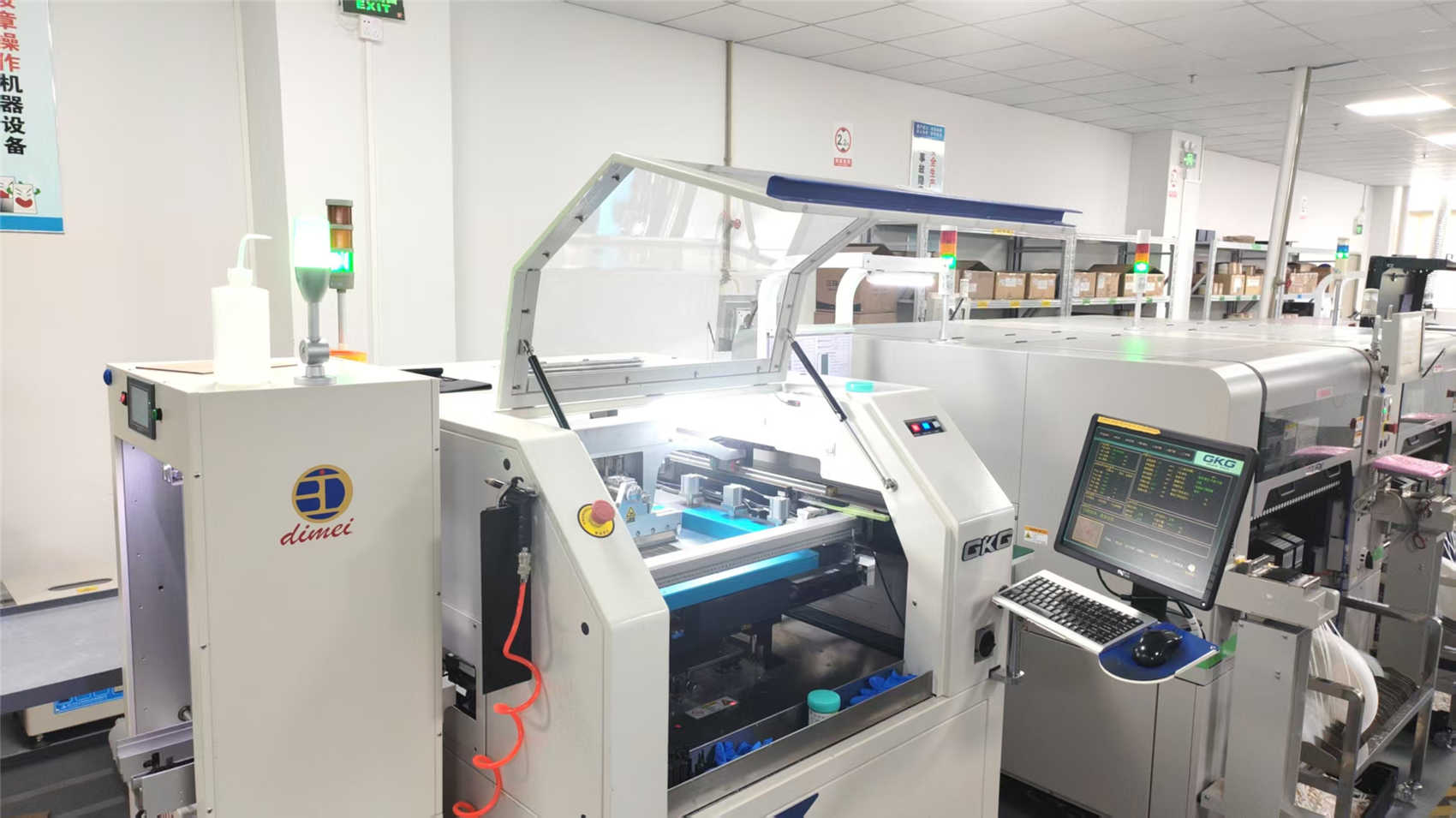
Our partners' high-speed surface mount technology (SMT) lines process complex layouts, placing components like microcontrollers, BGA memory chips, and passive components with precision.
Located near major manufacturing and transport hubs, CoreByte manages a network of over 1,200 supply chain partners, coordinating component sourcing and distribution.
OEM system integrators can utilize customization services, covering PCB routing revisions, custom heat spreader layouts, and specialty frequency tuning.
All operations adhere to international compliance guidelines, including lead-free HASL processes, CE certifications, and RoHS directives, supporting cross-border trade.
Answering the primary operational and quality questions raised by global technology buyers
Active components rely on an external power source to manipulate electrical signals (e.g., microprocessors, RAM chips, transistors, and diodes). Passive components, such as resistors, capacitors, and inductors, store or dissipate energy without requiring power. Sourcing active components requires rigorous verification of silicon reliability, component validation, and traceability, as their performance directly impacts the processing capabilities of the circuit.
CoreByte employs a structured multi-phase validation system. This includes utilizing automated optical inspection (AOI) to verify structural alignment, followed by high-temperature aging chambers to test components under thermal stress. This process minimizes field failure rates, making their modules suitable for server systems, high-speed gaming rigs, and industrial PCs.
Modern enterprise processors generate significant thermal output, often exceeding 350W TDP. Copper water cooling blocks feature micro-channel structures that transfer heat away from the processor die much faster than air-cooled heatsinks. This keeps the processor within its optimal thermal range, preventing throttling and protecting surrounding components like DDR5 memory channels from thermal degradation.
Through partners like CoreByte, custom services include altering PCB layouts, optimizing layer stacks (e.g., 4-layer, 8-layer, or higher), matching signal line impedances for high-frequency operations, and adjusting heatsink dimensions. OEM buyers can also specify component brands, frequency profiles (e.g., 2666MHz DDR4 up to 5200MHz DDR5), and custom branding and packaging.
Browse our selection of system controllers, cooling accessories, and custom PCB assemblies
 CoreByte