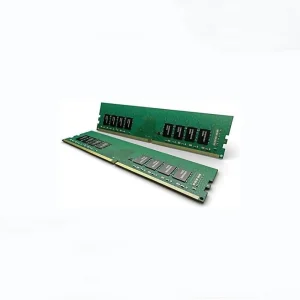
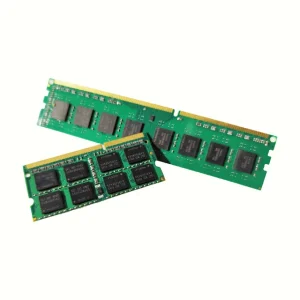
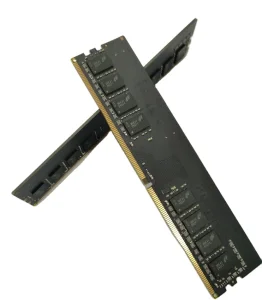
High-Capacity DDR5/DDR4 DRAM Modules, Custom Signal-Integrity PCBs, and Specialized Thermal Engineering Solutions for Enterprise-Scale Compute Clusters & Simulation Factories
Explore our industrial-grade components designed to drive intensive CAD, CAE, and computational fluid dynamics solver matrices. These high-bandwidth modules provide the performance and hardware reliability essential for simulation factories worldwide.
Industrial simulation software—ranging from Finite Element Analysis (FEA) and Computational Fluid Dynamics (CFD) to real-time digital twins and Electronic Design Automation (EDA)—demands massive, uninterrupted computational throughput. For engineering departments, global OEMs, and data centers running simulations (such as ANSYS, MATLAB, or Siemens Simcenter), CPU speed is only half of the equation.
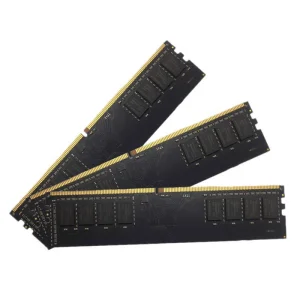
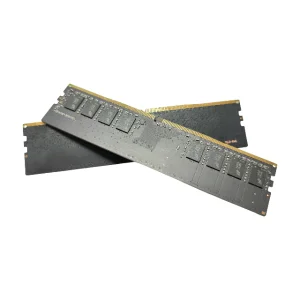
The physical limiting factor in simulation throughput is frequently the memory bandwidth and sub-system latency. As multi-core CPUs execute billions of complex floating-point operations simultaneously, they encounter a "memory wall." Without high-capacity, low-latency, and ECC-supported (Error-Correcting Code) DRAM, computational threads sit idle waiting for data packets. CoreByte Storage Technology bridges this critical performance gap. By design-optimizing custom DDR5 and DDR4 memory modules, fabricating ultra-reliable multi-layer PCBs, and developing targeted thermal solutions, we enable global simulation suppliers to unlock the full potential of their software solvers.
"From structural dynamics to complex thermodynamic modeling, the rate of simulation execution is directly proportional to system-level memory bandwidth and signal integrity."
Enterprise-scale simulation hardware procurement differs significantly from generic consumer or standard office IT procurement. Hardware engineers and system architects operating in simulation environments look for specialized characteristics to guarantee 24/7 reliability and processing accuracy:
Large-scale simulation runs can execute for days or even weeks. A single bit-flip due to cosmic rays or electromagnetic interference can corrupt the entire numerical matrix, costing companies hundreds of thousands of dollars in lost simulation progress. ECC DRAM is a mandatory operational baseline to detect and correct single-bit errors in real-time.
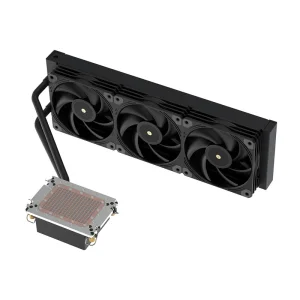
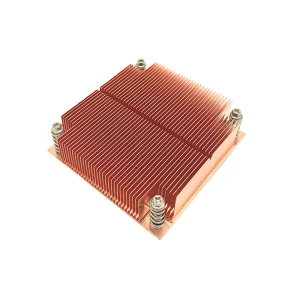
When servers run continuous finite-element calculations, the DRAM chips and processors generate sustained heat. We design custom aluminum heat spreaders and collaborate on liquid/air-cooled server chassis to ensure that thermal throttling never caps the performance of memory chips during intense numerical loops.
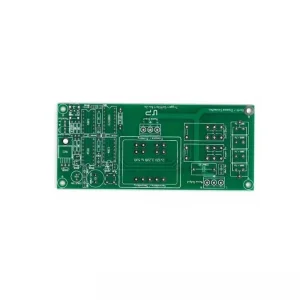
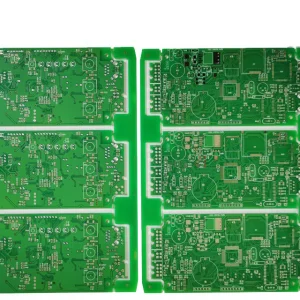
OEM motherboard trace routes and impedance matching must be exact to support high speeds (e.g., DDR5 6000MHz+). Our custom multi-layer FR4 boards minimize cross-talk and maximize signal margins, ensuring that critical data pipelines between the storage nodes and processors remain rock solid.
CoreByte Storage Technology Co., Ltd. is a world-class, professional DDR5 memory and DRAM solution manufacturer. We specialize in custom R&D, advanced fabrication, and global distribution of high-performance memory modules for OEM, enterprise, and high-performance data center applications. Established in 2016, our engineering department focuses on resolving systemic memory bottlenecks in advanced software and industrial compute infrastructure.
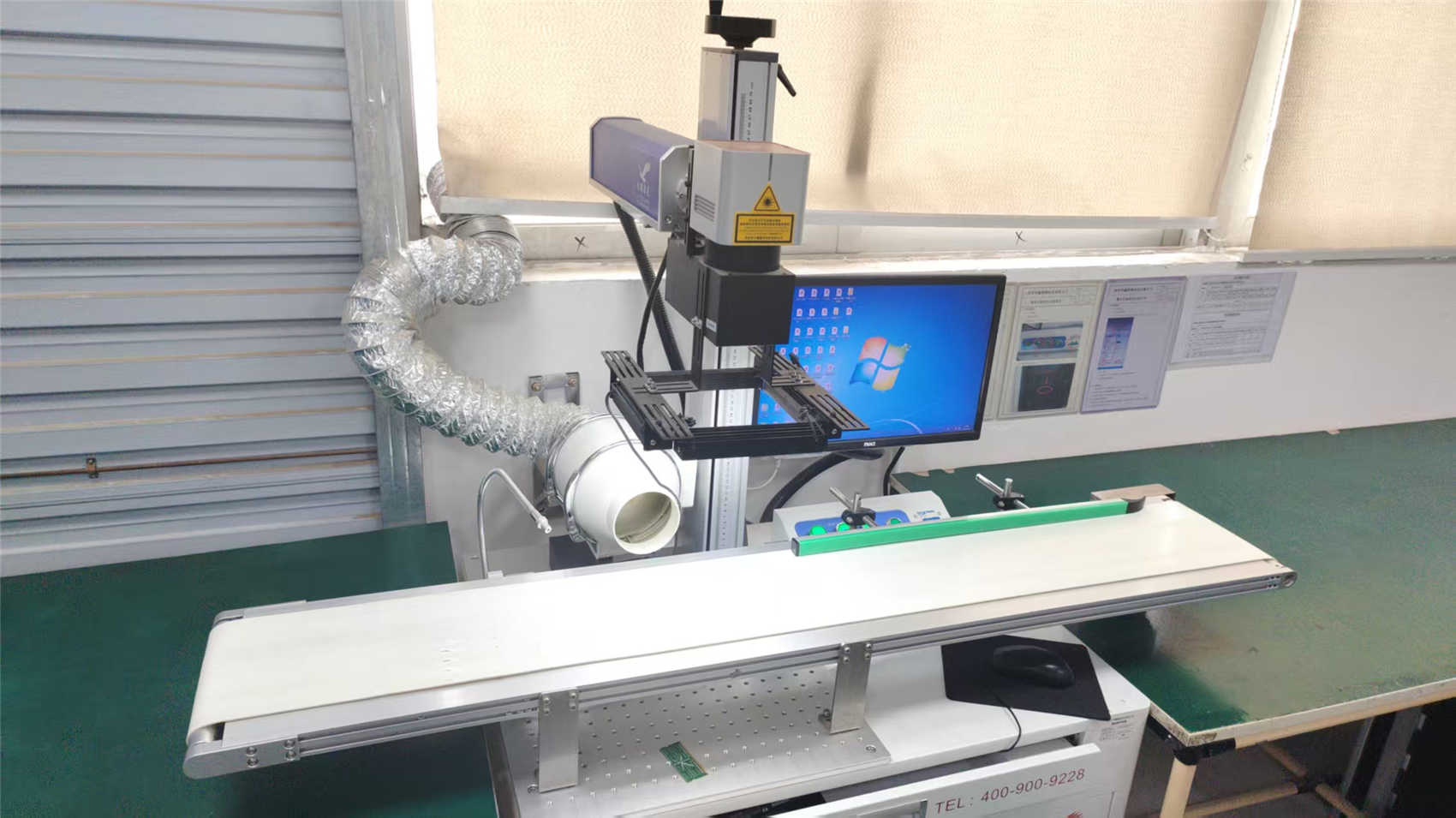
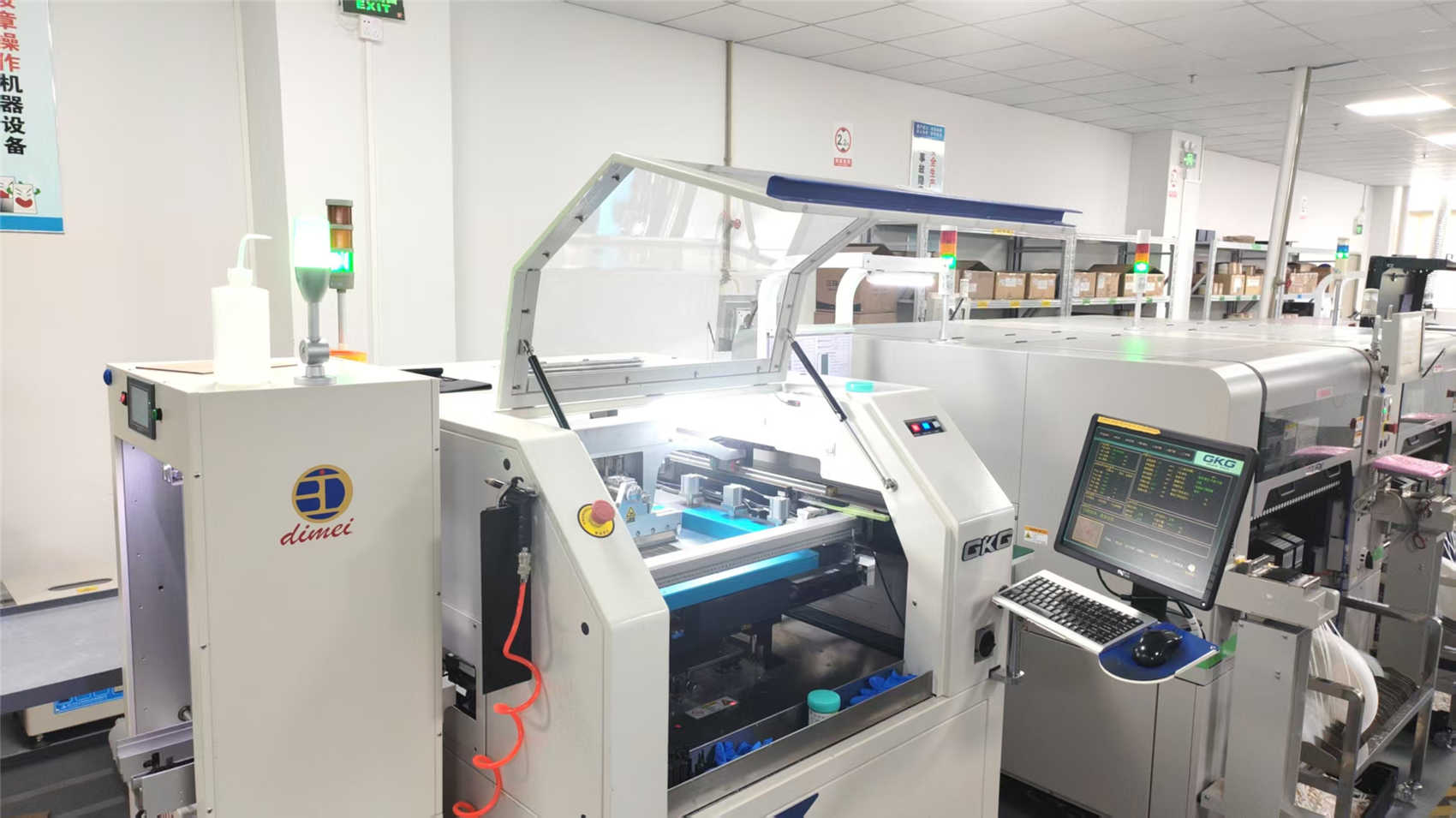
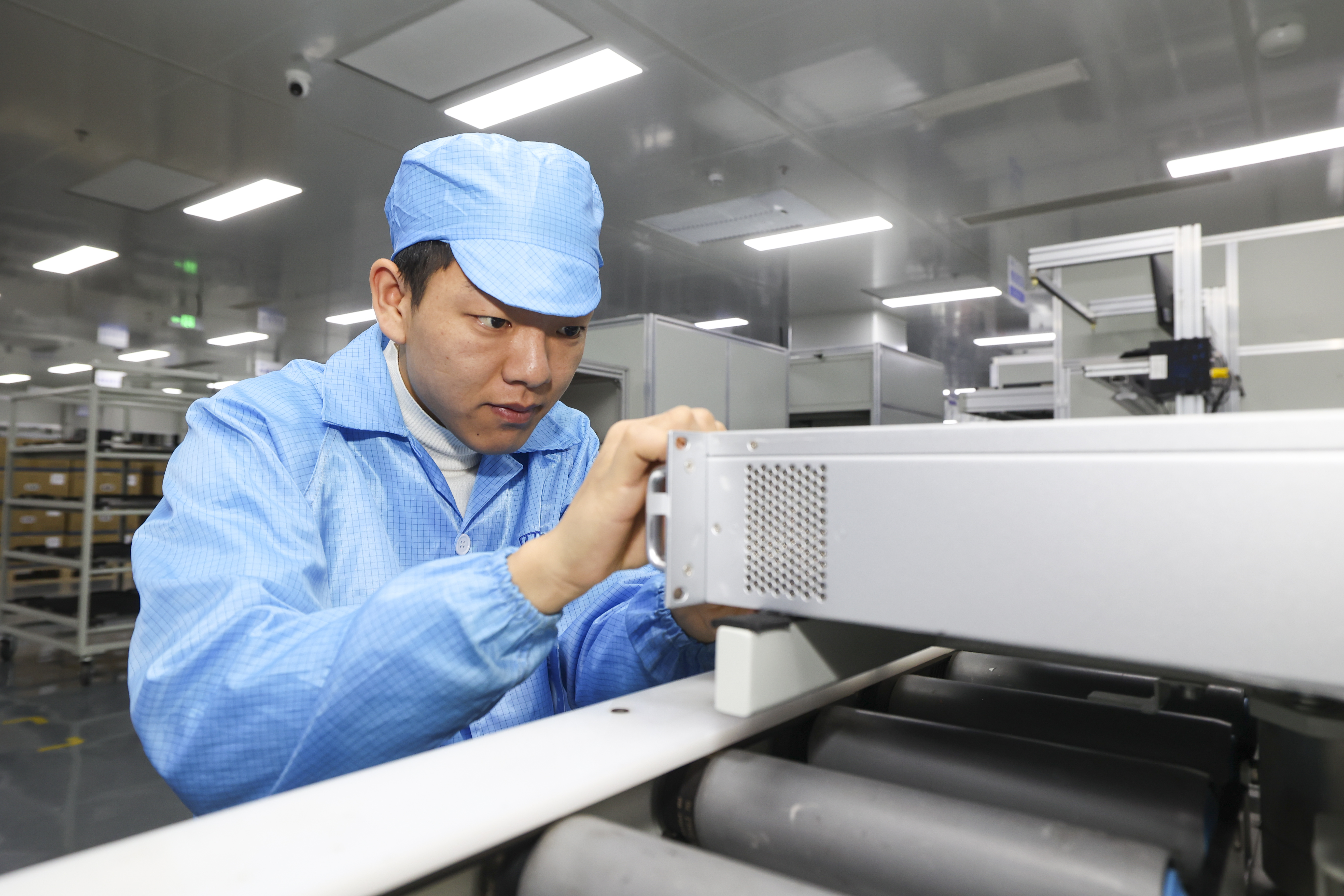
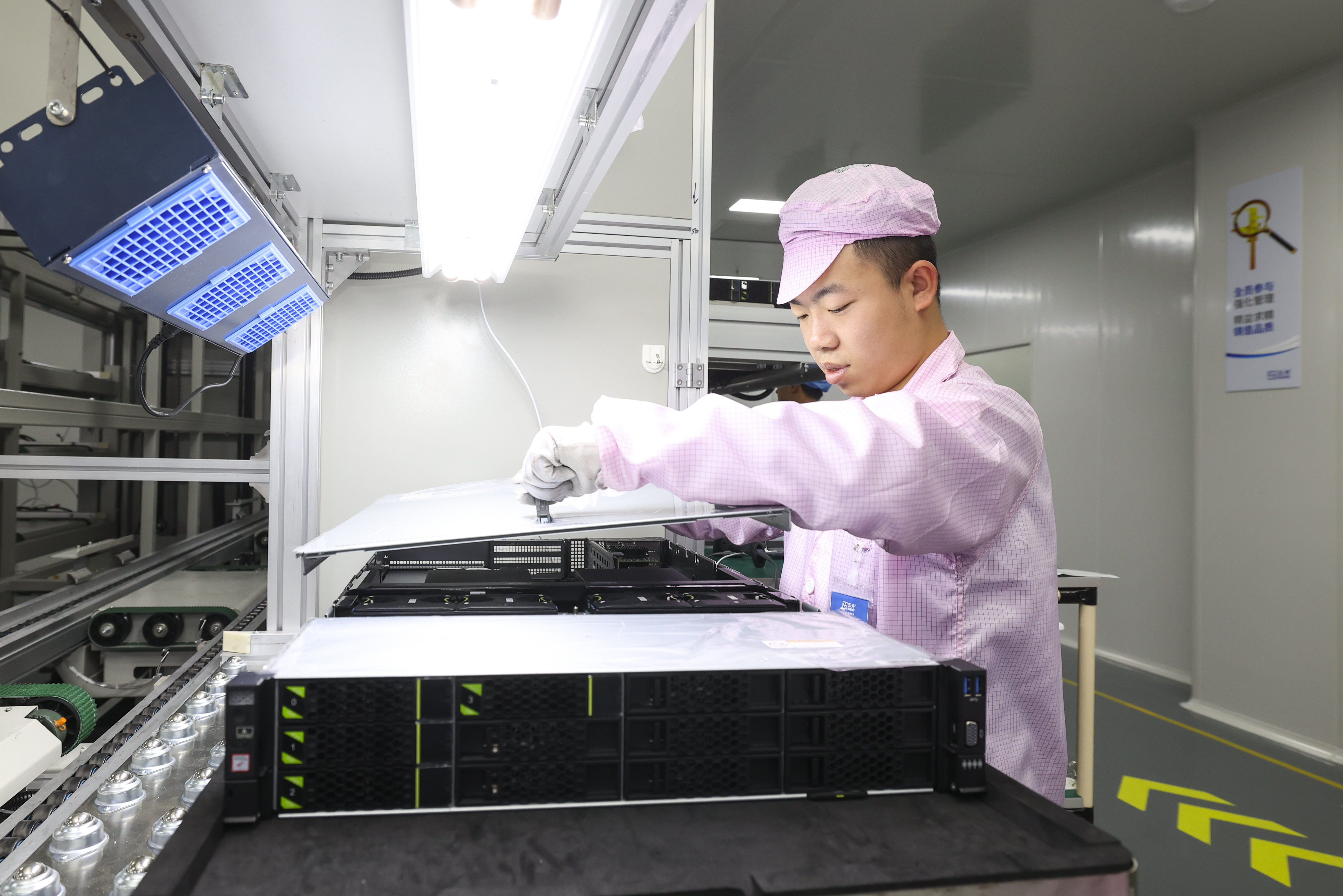
Operating out of a modern manufacturing facility with a specialized building area of approximately 320㎡, we optimize every square meter for high-precision validation testing. Quality control is maintained by 45 dedicated inspectors utilizing ISO9001-based quality management systems. Our facility is equipped with automated optical inspection (AOI) stations and high-temperature aging chambers to test memory modules under continuous load, simulating real-world server stress.
With over 6 years of export experience and more than 9 years of industry experience, CoreByte delivers solutions to North America, Europe, Southeast Asia, and the Middle East. We launch approximately 120 new product models annually, ensuring our clients stay at the cutting edge of AI, cloud architecture, and computational engineering. We offer end-to-end design, custom frequency profiles (XMP/EXPO), custom PCBs, and high-performance server thermal configurations.
Simulation software runs on diverse architectures across multiple industrial verticals. CoreByte customizes DRAM architectures to match the distinct computational profiles of these critical sectors:
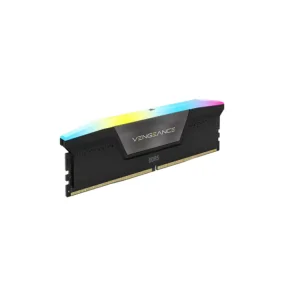
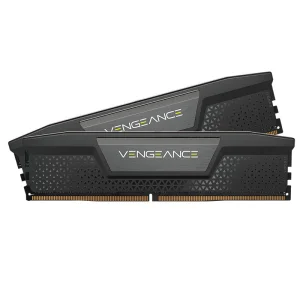
Aerospace solvers calculate aerodynamics across billions of cells in virtual wind tunnels. These workloads are characterized by intense data-hopping across memory registers. CoreByte's low-latency DDR5 modules operating at 6000MHz+ provide the necessary bandwidth to prevent computational stalls.
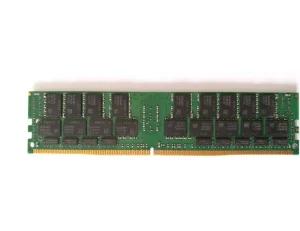
EDA tools analyze microchips containing billions of transistors. Compiling and simulating these silicon structures requires extreme memory footprints. We deliver high-capacity LRDIMMs and server-grade ECC modules, enabling engineers to fit entire chip layouts directly into physical memory to bypass slow NVMe paging.
Digital twins connect real-world IoT sensor data with continuous architectural simulations. Our custom system boards, paired with integrated water-cooling or advanced heat pipes, keep processing loops stable 24 hours a day, mitigating thermal stress and ensuring continuous uptime.
As simulation software models grow increasingly detailed, hardware architectures must evolve to prevent processing bottlenecks. CoreByte maintains an active research pipeline to support these next-generation requirements:
Transitioning primary server builds from standard speeds to 6400MHz and 6800MHz options. This increase in native bus speeds offers direct performance scaling for simulation runs limited by memory access times.
Developing memory expansion and pooling systems using CXL protocols. This architecture enables simulation host systems to access dynamically allocated memory pools with low-latency performance.
Applying vapor chambers and localized liquid-cooling blocks to high-density DDR5 server modules. This keeps memory operating temperatures within optimal limits under heavy computational loads.
CoreByte ensures that all custom memory designs and electronic assemblies comply with major international environmental and quality regulations:
Our products meet international certification standards, including CE, FCC, RoHS, and WEEE requirements. Our ISO9001-certified processes guarantee that every production run—from initial raw silicon testing to final assembly packaging—is fully documented and traceable.
Backed by a network of over 1,200 verified partners, we secure allocations of high-quality DRAM ICs directly from major global semiconductor foundries. This stable supply chain lets us offer consistent pricing and shipping timelines to OEMs, system integrators, and software development factories even during times of market volatility.
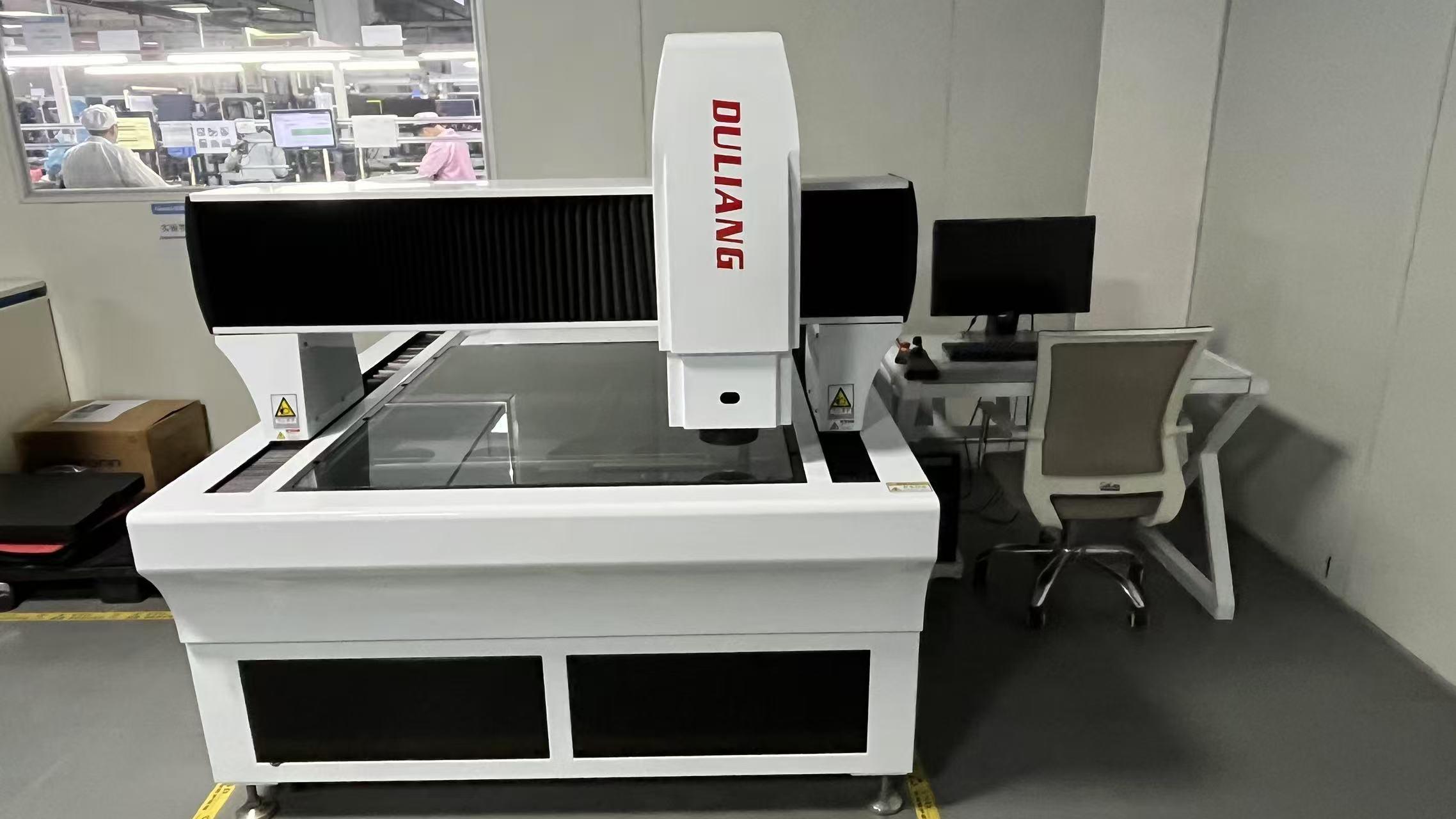
Below, our R&D engineering department answers common technical and configuration questions from system design engineers:
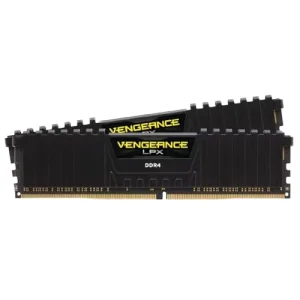
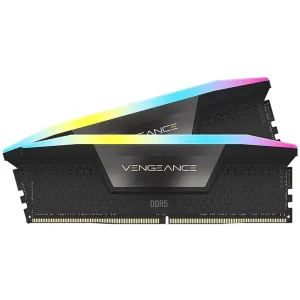
Upgrade your simulation nodes and server clusters with our verified high-density hardware. Explore our selection of high-frequency DDR5, high-efficiency DDR4 ECC modules, and hardware accessories:
 CoreByte