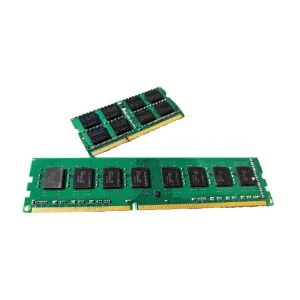
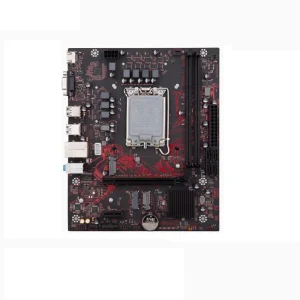
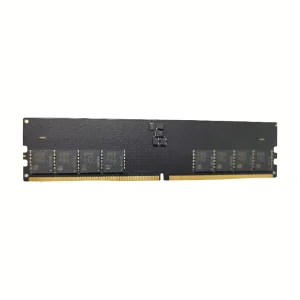
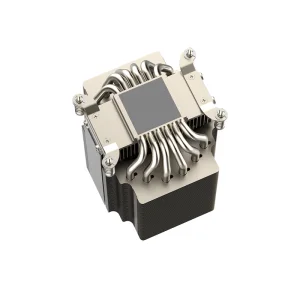
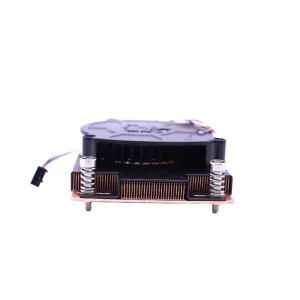
OEM/ODM Printed Circuit Board Assembly Manufacturer & Factories

Providing High-Density Enterprise Memory Module Integration, Critical Computing PCBAs, Advanced Thermal Dissipation Systems, and End-to-End Semiconductor Manufacturing Services.

Corporate Strategy & Design Excellence

CoreByte Storage Technology Co., Ltd. is a world-class semiconductor and customized board solution provider, empowering cloud data centers and consumer systems globally.

Custom OEM/ODM Engineering

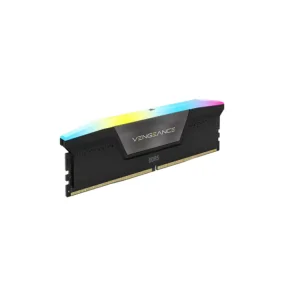
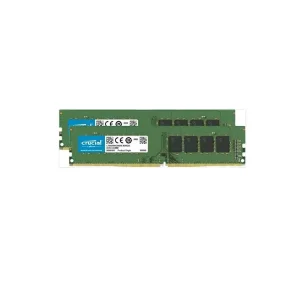
We specialized in high-performance memory modules for global OEM, enterprise, and data center applications. Offering deep-level PCB schematic designs, frequency calibration, thermal profile matching, and comprehensive system testing protocols.

Advanced Technical R&D

Supported by 85 professional R&D engineers, we release approximately 120 new product models annually. This enables us to maintain industry leadership across evolving technical standards such as DDR5 memory ecosystems.

Strict Quality Control

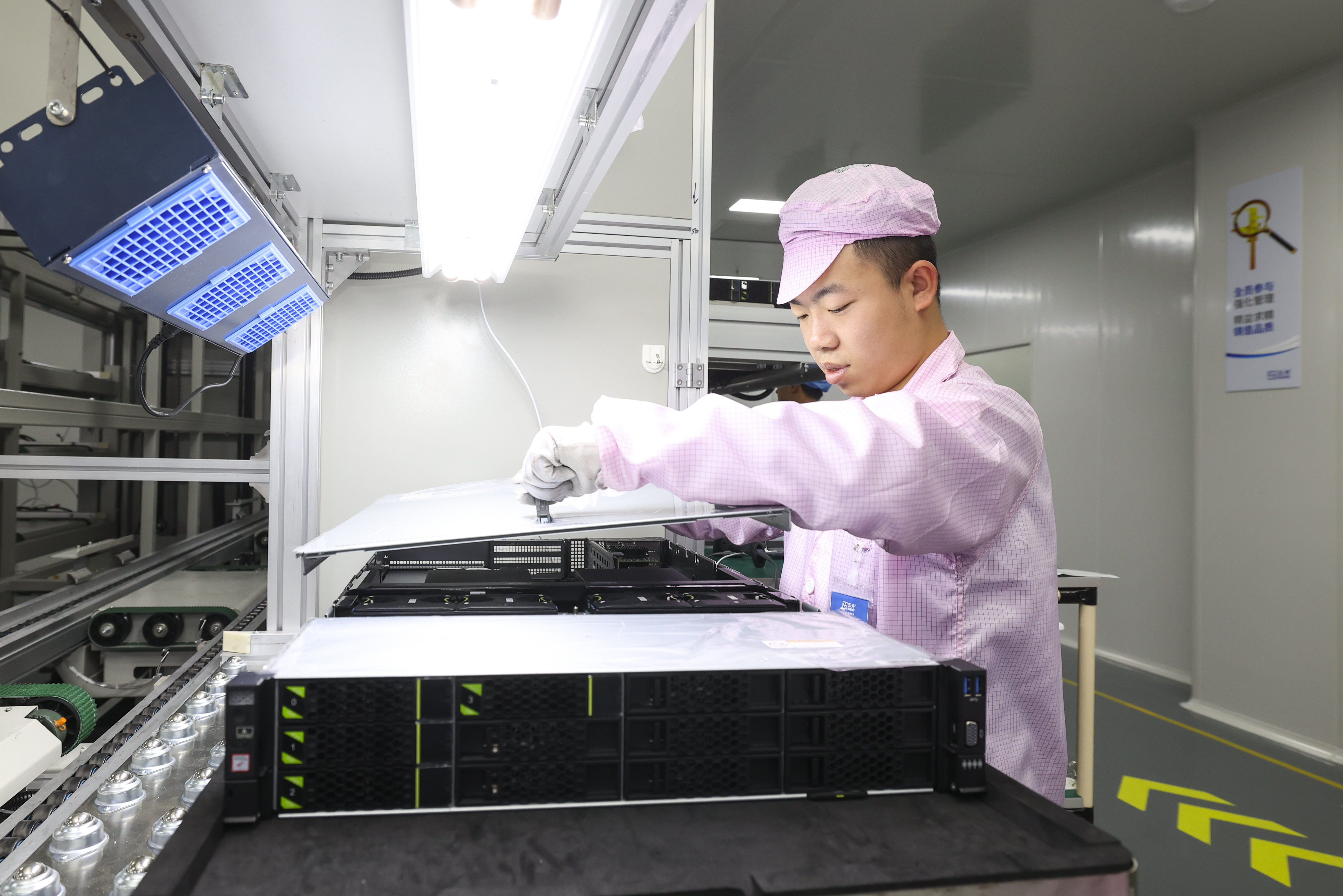
Implementing ISO9001-based quality management systems alongside Automated Optical Inspection (AOI) and high-temperature aging chambers. Governed by 45 inspectors, ensuring memory compatibility and trace consistency.

2016
Year Established
Over 9 years of advanced memory & semiconductor expertise.
USD 12M
Annual Export Value
Serving North America, Europe, Southeast Asia & the Middle East.
85
R&D Engineers
Active design optimization, high-frequency simulation, and testing.
1,200+
Supply Partners
Establishing stable raw material supply chains for continuous production.

White Paper: High-Density Signal Integrity & Thermal System Architecture in Modern PCBA

In the era of hyper-scale cloud data centers, high-performance edge computing, and artificial intelligence (AI) inferencing workloads, the demands placed on Printed Circuit Board Assembly (PCBA) have evolved exponentially. No longer are system boards simple interconnect structures; they have transitioned into complex high-frequency, thermal-critical systems. As a dominant OEM/ODM Printed Circuit Board Assembly Manufacturer, CoreByte Storage Technology Co., Ltd. presents this analytical review detailing technical trends, production requirements, and validation standards driving current hardware architectures.

1. Global Trends in High-Performance PCBA & Memory Module Manufacturing

The shift from DDR4 to DDR5 platforms represents more than just a speed increment; it requires a radical redesign of electrical PCB parameters. DDR5 operates with data rates hitting 4800MHz to 6400MHz and beyond. With this speed increase, signal attenuation, crosstalk, and power distribution network (PDN) impedance become extremely tight.

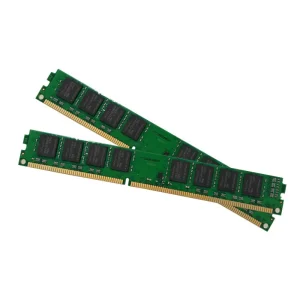
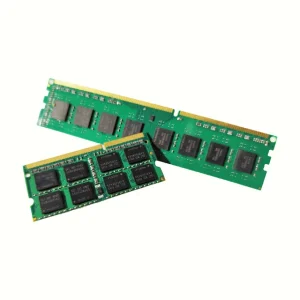
  • On-Die and Sideband Power Management: Unlike DDR4, which relies on power routing from the motherboard, DDR5 utilizes on-module Power Management ICs (PMICs) directly integrated onto the memory PCBA. This minimizes supply noise but increases the thermal density of the substrate, necessitating precise copper pour architectures and multi-layer thermal vias.
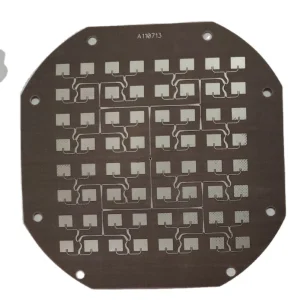
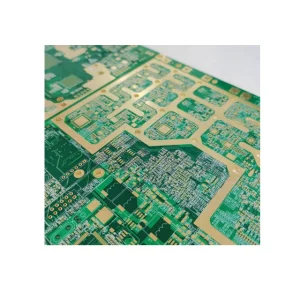
  • Impedance Contol & Material Selection: To support high data rates, manufacturers utilize advanced high-Tg (Glass Transition Temperature) substrates, such as Shengyi TG170 and Rogers 4000 series, which maintain mechanical and electrical stability at elevated operating temperatures.
  • Fine-Pitch SMT Precision: The shrinking pitches of advanced Ball Grid Arrays (BGAs) and passive chips require Automated Solder Paste Inspection (SPI) to prevent micro-bridging or voiding during structural reflow.

2. Global Procurement Demands: Reliability, Traceability, and Agile Sourcing

Industrial computer brands, system integrators, and data center designers operate in high-risk operating environments where downtime translates to massive financial losses. Procurement pipelines must satisfy three critical pillars:

01

Strict Component Traceability & BOM Compliance

Every active component, DRAM die, and capacitor must have a verified origin to avoid counterfeit components. Our established base of 1,200+ partners ensures genuine component sourcing.

02

Comprehensive Design Validation & Environmental Testing

PCBA design must undergo Thermal Cycling, High-Temperature Aging Tests, and Electromagnetic Compatibility (EMC) pre-compliance testing before releasing to mass production.

03

Agile Prototyping & Customization Pipelines

Deploying personalized SPD (Serial Presence Detect) programming, customized heat spreaders, and specific frequency profiles ensures seamless integration into legacy and proprietary server platforms.

3. Macro Industry Solutions: Resolving Core Compute Thermal Limits

As thermal design power (TDP) for enterprise processors scales beyond 350W and 400W, traditional heat dissipation structures face physical limits. CoreByte integrates micro-engineered thermal management directly with PCB configurations:

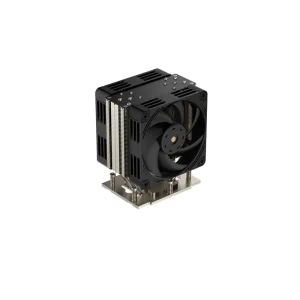
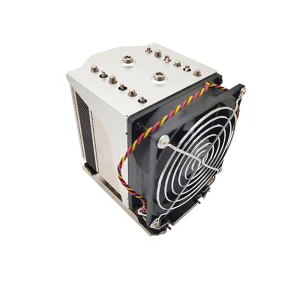
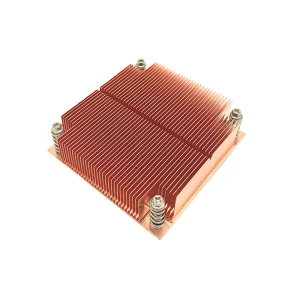
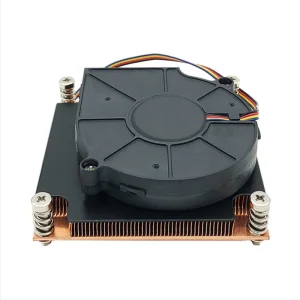
For instance, cooling server processors like the AMD EPYC SP5 socket running at 400W requires active/passive hybrid systems. Integrators utilize custom copper-skived fin heatsinks coupled with high-speed 9025 fans or integrated water-cooling blocks. Standard aluminum backing plates are combined with High-TG and Rogers substrates to handle mechanical stress under pressure without bending the board or causing BGA solder joint cracking.

4. Technical Process Flow in Our High-End PCBA Plant

Ensuring zero-defect manufacturing across thousands of product units requires a systematic, automated pipeline. The diagrammatic stages of our manufacturing process include:

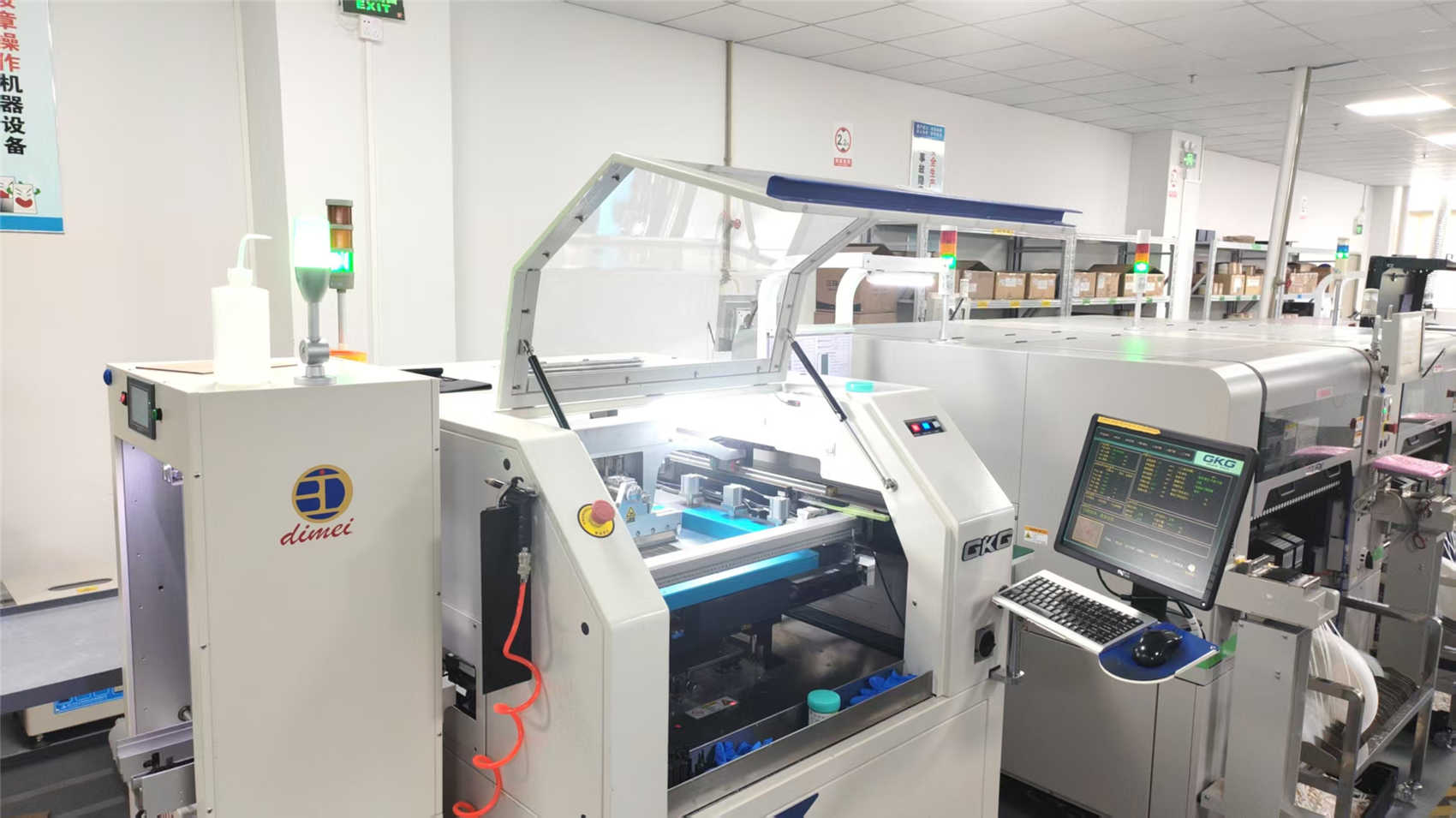
  • Step A: Paste Deposition and 3D SPI: Precision solder stenciling followed by 3D Solder Paste Inspection to measure paste volume, alignment, and height.
  • Step B: Ultra-High-Speed Surface Mount (SMT): High-precision placement machines mount DRAM components, PMICs, passives, and thermal ICs onto the multi-layer boards.
  • Step C: Controlled-Atmosphere Reflow Soldering: Multi-zone nitrogen reflow ovens bake the assemblies under strict thermal curves, minimizing residual stress.
  • Step D: 3D AOI & X-Ray (AXI) Defect Screening: Automated systems inspect all joints, checking BGA pins for voids, cold joints, or misalignments.
  • Step E: In-Circuit Test (ICT) & Functional Burn-In: Programmed arrays are run under elevated temperatures to screen out early failures before final packing.

5. Technological Roadmap & The Future of High-Frequency Substrates

As we approach the era of DDR6, Compute Express Link (CXL), and PCIe Gen 6/7, signal frequencies will double again. The manufacturing roadmap pivots towards:

  • Low-Loss Material Adoption: Utilizing PTFE-based substrates with extremely low dielectric constants (Dk of 2.2 - 3.0) to maintain signal strength across long traces.
  • Embedded Actives and Component Cavities: Placing passive decoupling capacitors within the inner layers of the PCB to shorten the return path and minimize EMI loops.
  • Direct Liquid Coolant Contact: Structuring PCB boards to survive immersion cooling environments, requiring materials that do not degrade when exposed to dielectric fluids over years of service.

Expert Q&A: Addressing Core Technical Inquiries

Get professional insights into PCB layout parameters, thermal performance, and server compatibility optimization.

How does CoreByte solve signal integrity issues in high-frequency DDR5 memory module manufacturing?
We use controlled impedance design backed by electromagnetic field simulations (using tools like HFSS). By managing trace widths, trace spacing, and utilizing ground-reference plane shielding, we minimize cross-talk and reflection. We also utilize high-end Shengyi FR4 TG170 and Rogers hybrid material boards to maintain a consistent dielectric constant across high frequencies.
What testing procedures are applied to verify 400W CPU cooling structures before volume deployment?
Each batch of thermal systems, such as our SP5 N99 heatsink, undergoes thermal resistance simulation under simulated maximum TDP loads. We verify surface flatness down to micron levels to maximize contact area, utilize high-grade thermal grease compatibility verification, and run reliability testing in vibration tables and high-temp aging cabinets to simulate data center conditions.
Why is PMIC integration directly on the DDR5 PCB beneficial, and what are the assembly requirements?
Moving power management directly onto the module PCB reduces power distribution complexity on the motherboard and allows for finer voltage adjustments. However, PMICs generate heat. To prevent local hotspots, CoreByte utilizes thermal vias under the PMIC pads to sink heat into the internal ground plane layers and coordinates with customized aluminum heat spreaders.
Does CoreByte support low-volume high-mix (LVHM) custom orders?
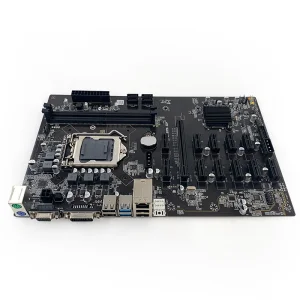
Yes, our R&D layout engineering team is set up to support rapid prototyping and quick-turn custom designs. Whether you need customized server motherboards, specialized memory modules, or custom thermal plates, we can handle the process from schematic design to high-volume manufacturing using our robust supply chain network of 1,200+ partners.
What testing standard defines the reliability of CoreByte's PCB assemblies?
Our manufacturing processes conform to IPC-A-610 Class 2 and Class 3 quality criteria. We implement ISO9001-based quality control structures, employing 45 dedicated inspectors and advanced automated optical inspection equipment, which ensures zero defects reach packaging.

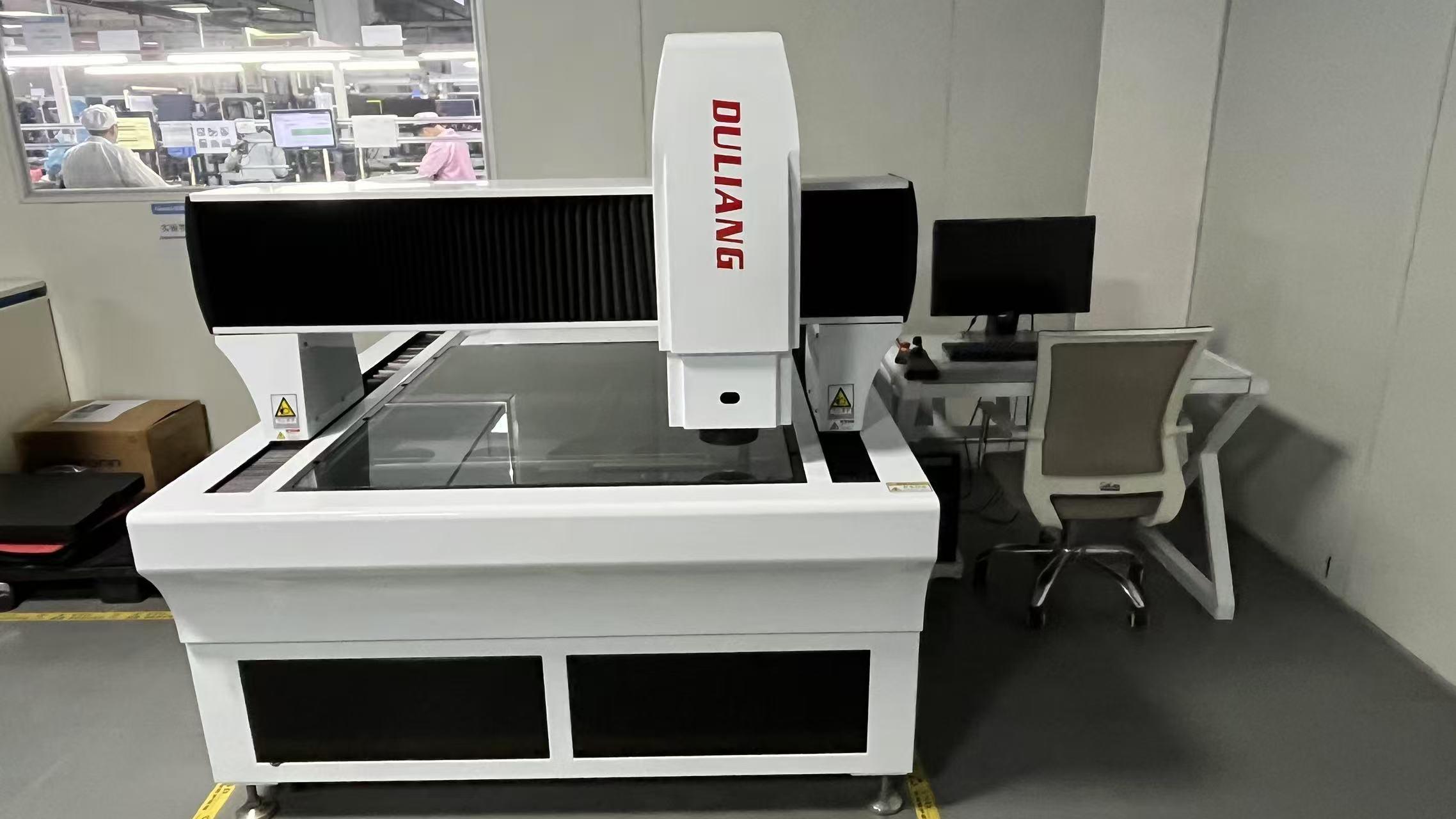
Manufacturing Infrastructure & Visual Tour

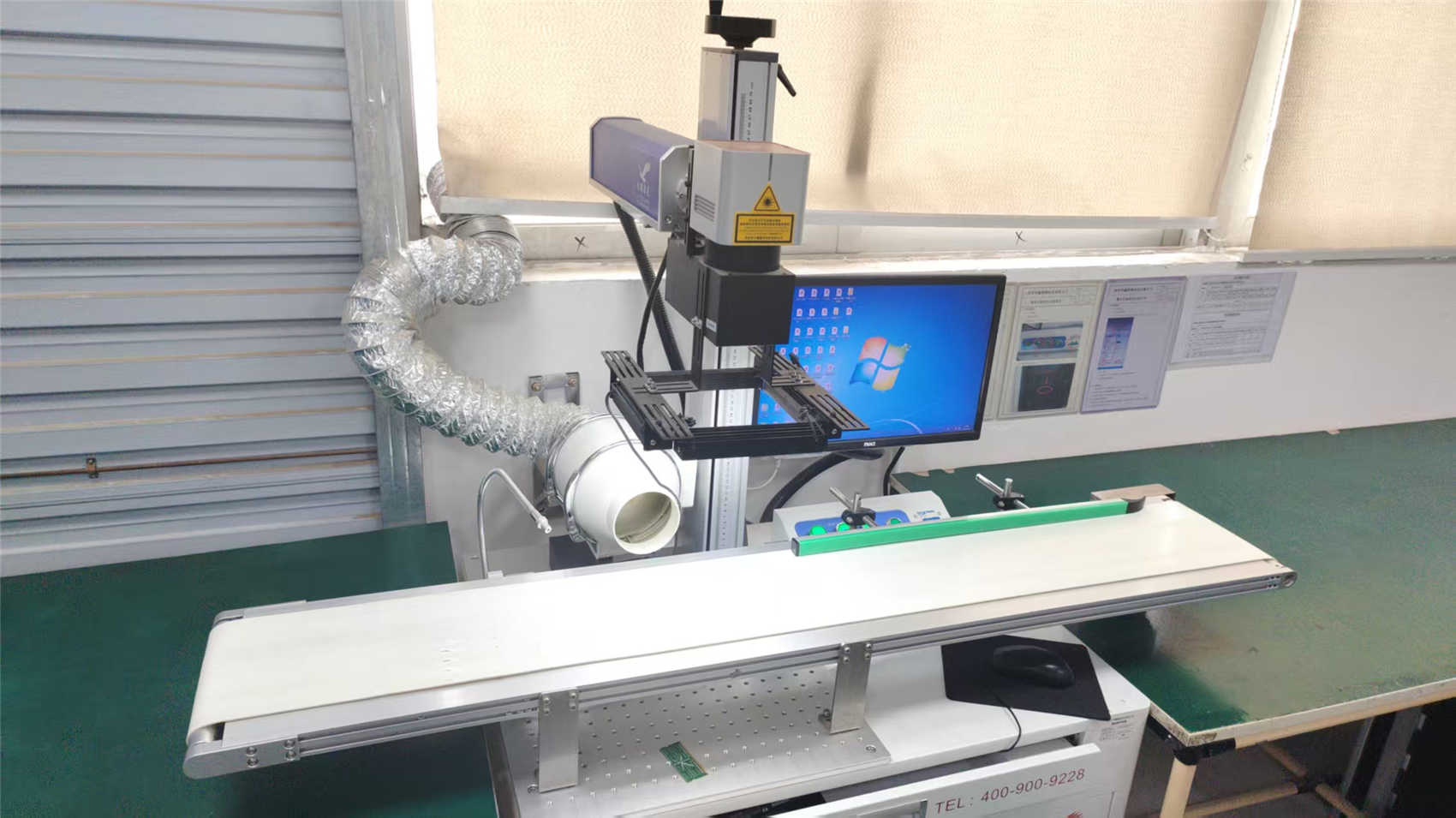
Take a look inside CoreByte's modern testing facilities and precision production environments.