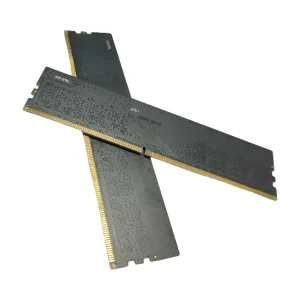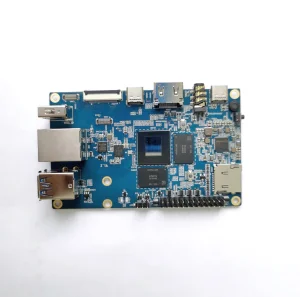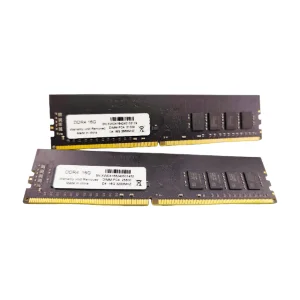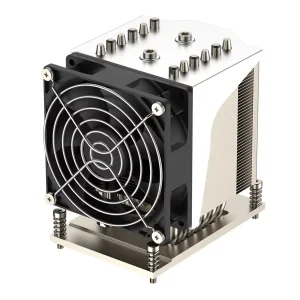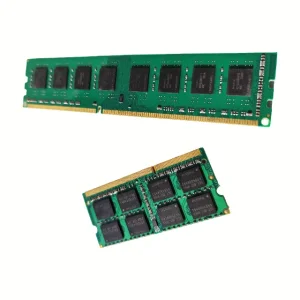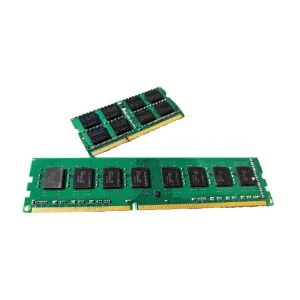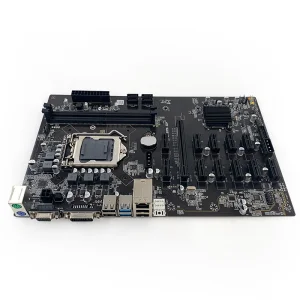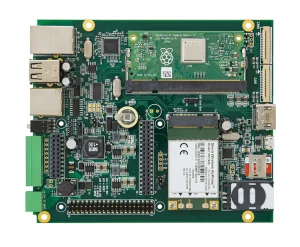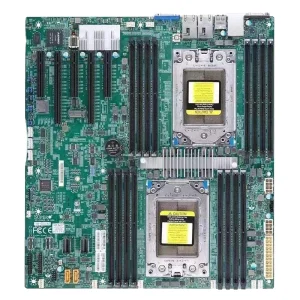
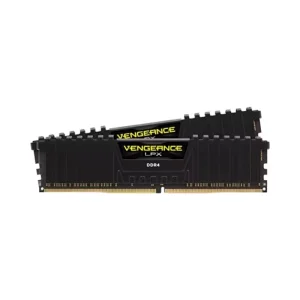
Established in 2016, CoreByte Storage Technology Co., Ltd. is a leading global high-performance infrastructure provider, blending cutting-edge DDR5 memory and DRAM solutions with high-precision transmission media, including specialized Optical Fiber Cables.
Operating a modern manufacturing facility with a dedicated building area of 320㎡, CoreByte delivers robust hardware integrations to OEM system builders, enterprise platforms, and global cloud data centers. In modern hyperscale environments, compute capabilities (DDR5, high-density server motherboards) must be matched by high-bandwidth, low-latency transmission channels. By acting as a key manufacturer and direct exporter of both high-efficiency computing components and physical optical fiber transport media, CoreByte minimizes connectivity bottlenecks for global operators.
With an annual export revenue of over USD 12 million and 9 years of industry experience, CoreByte has established itself as an indispensable OEM/ODM optical and semiconductor supply partner across North America, Europe, Southeast Asia, and the Middle East.
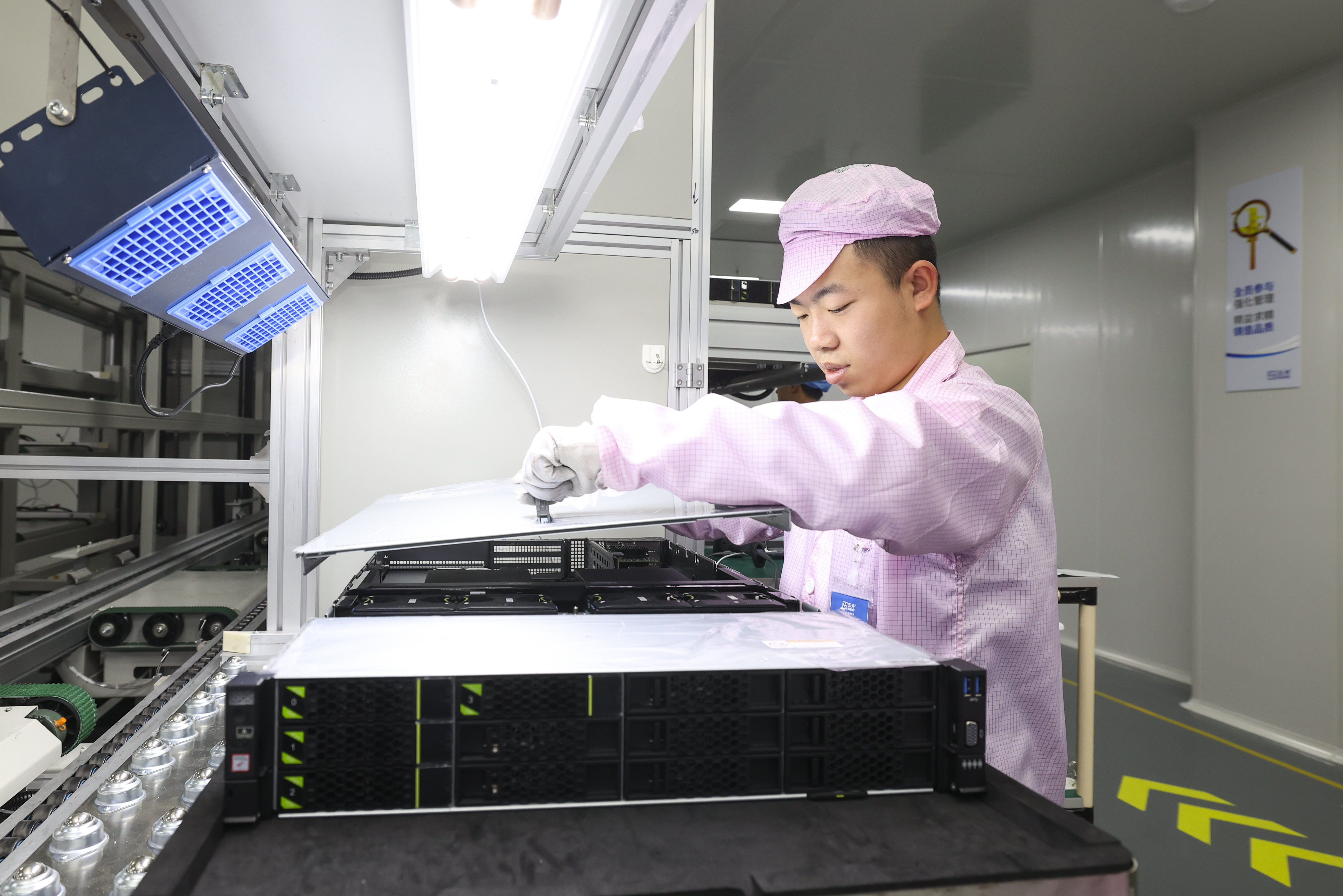
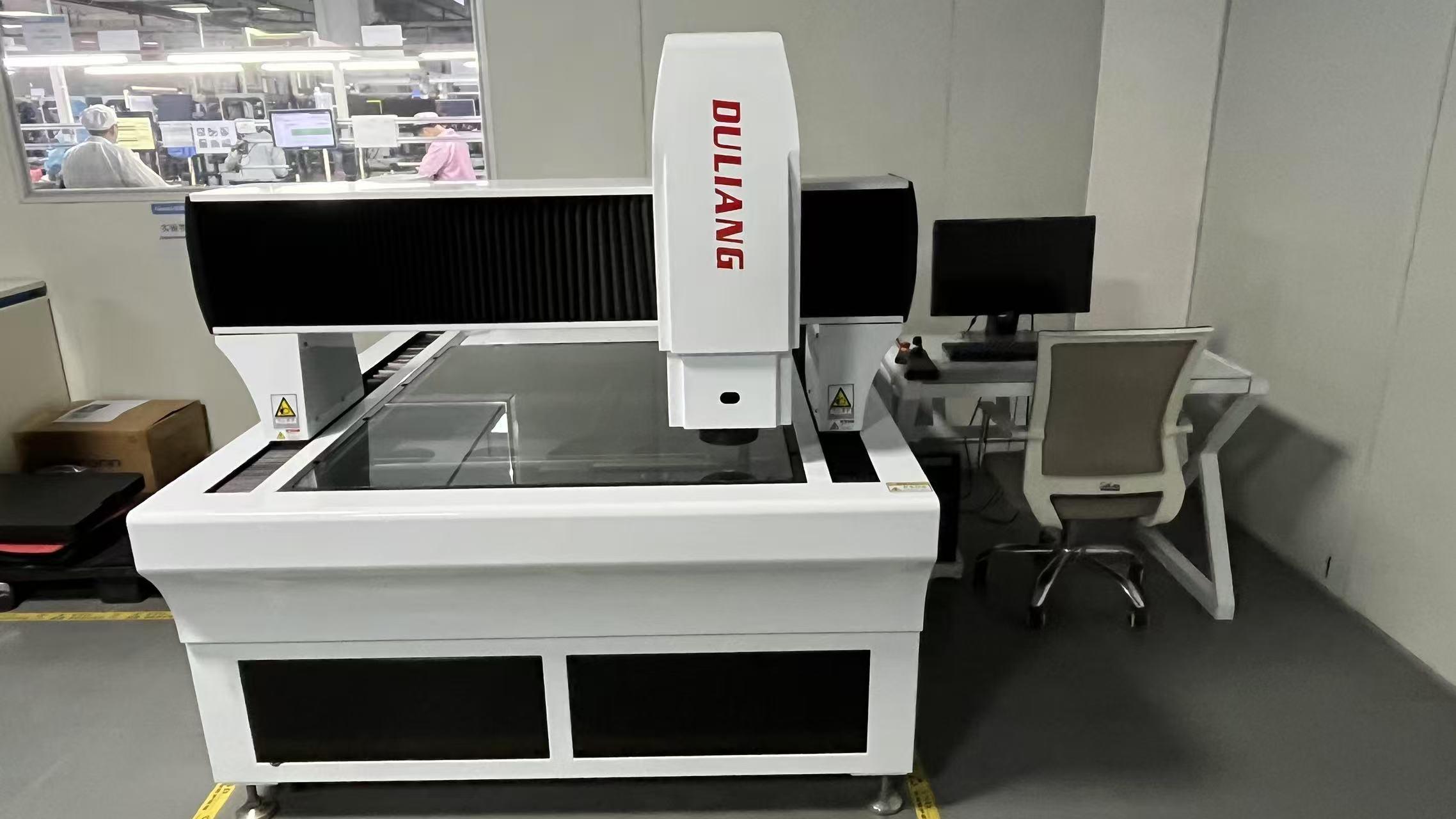
CoreByte operates strict quality assurance networks implementing ISO9001-based quality management systems. By combining automated optical inspection (AOI) and high-temperature aging tests, we guarantee that all network adapters, PCBs, and structural optical elements meet rigorous carrier-grade tolerances.
Our dedicated team of 45 quality inspectors ensures 100% component traceability. Supported by an ecosystem of over 1,200 supply chain partners, CoreByte delivers unprecedented flexibility and rapid turnaround times for customized projects.

In the modern digital era, the demand for bandwidth is growing exponentially. Optical fiber cables form the nervous system of global telecommunications, connecting cities, transcontinental data centers, and industrial machines. CoreByte presents a rigorous analysis of the design parameters, physics, and OEM specifications of high-capacity optical fiber networks.
Attenuation is the critical factor limiting signal reach. Measured in decibels per kilometer (dB/km), our single-mode fiber (SMF) configurations target minimum loss limits: approximately 0.32 dB/km at 1310 nm and less than 0.18 dB/km at 1550 nm. By refining silica purity during the drawing phase, we prevent structural absorption bands caused by residual hydroxyl (OH-) ions.
Dispersion leads to temporal pulse broadening, which limits data rate capabilities over long distances. CoreByte optical fibers utilize precise refractive index profiling to limit chromatic dispersion in the C-band (1530-1565 nm). Furthermore, Polarization Mode Dispersion (PMD) is kept below 0.1 ps/√km, allowing for seamless upgrade paths to 400G and 800G coherent transmission networks.
In high-density environments like FTTH and server racks, tight routing bends are common. CoreByte's bend-insensitive single-mode fibers (complying with ITU-T G.657.A1/A2 and G.657.B3 standards) incorporate a trench refractive index structure. This structure guides escaping light back into the fiber core, allowing for bend radii as small as 5 mm without incurring significant signal dropouts.
Choosing the correct optical core design depends on physical distance requirements, transceiver budgets, and bandwidth targets. Below is a comparative guide showing standard industry specifications for multi-mode and single-mode fibers:
| Fiber Type | Core Diameter (μm) | Wavelength (nm) | Max Attenuation (dB/km) | Typical Applications | Max Link Distance |
|---|---|---|---|---|---|
| OS2 (Single-mode) | 9 / 125 | 1310 / 1550 | 0.4 / 0.3 | Long-haul WAN, Metro Networks, FTTH | Up to 40 km (Standard) |
| OM3 (Multi-mode) | 50 / 125 | 850 / 1300 | 3.0 / 1.0 | Enterprise LAN, Short Data Center runs | 300 meters (at 10 Gbps) |
| OM4 (Multi-mode) | 50 / 125 | 850 / 1300 | 3.0 / 1.0 | High-speed SAN, Cloud Data Centers | 400 meters (at 10 Gbps) |
| OM5 (Wideband MM) | 50 / 125 | 850 to 953 | 3.0 / 1.0 | Short-wavelength division multiplexing (SWDM) | 150 meters (at 100 Gbps) |
As global networks prepare for AI workloads and massive IoT data streams, transmission architectures must evolve past the physical limitations of conventional standard single-core silica fiber.
Conventional single-core fiber is reaching its physical non-linear Shannon capacity limit (roughly 100 Terabits per second per fiber). To overcome this, CoreByte's R&D roadmap focuses on Multicore Fibers (MCF) and Few-Mode Fibers (FMF). MCF routes multiple independent cores within a single 125 μm glass cladding, multiplying the data capacity of a single cable line. FMF guides several spatial modes along a single core, providing a solution for dense, high-capacity interconnects.
As board-level data speeds exceed 112 Gbps and move toward 224 Gbps per lane, traditional copper tracks on motherboards encounter severe attenuation and electromagnetic interference. CoreByte is aligning its R&D with Silicon Photonics and Co-Packaged Optics (CPO). This technology integrates the optical transceivers directly with CPU/ASIC chips, replacing copper circuits with custom optical fiber patch arrays. This shift reduces system power consumption and latency at the physical layer.
Optical cabling demands vary significantly across different industrial sectors. CoreByte designs custom solutions tailored to specific operating environments:
Modern data centers deploy ultra-high-density MTP/MPO ribbon cables to connect spine and leaf architectures. CoreByte's pre-terminated solutions enable rapid deployment with up to 144 fibers per 1U rack space, minimizing cable congestion and optimizing airflow cooling efficiency.
For last-mile fiber-to-the-home deployments, our ruggedized drop cables feature low friction coefficients and high tensile strength. This ensures easy installation in existing conduits while maintaining long-term environmental protection.
In harsh manufacturing sites, electromagnetic interference (EMI) makes copper cables unreliable. CoreByte's heavy-duty optical fibers feature LSZH (Low Smoke Zero Halogen) sheathing and aramid strength members to resist oil, chemicals, and mechanical strain.
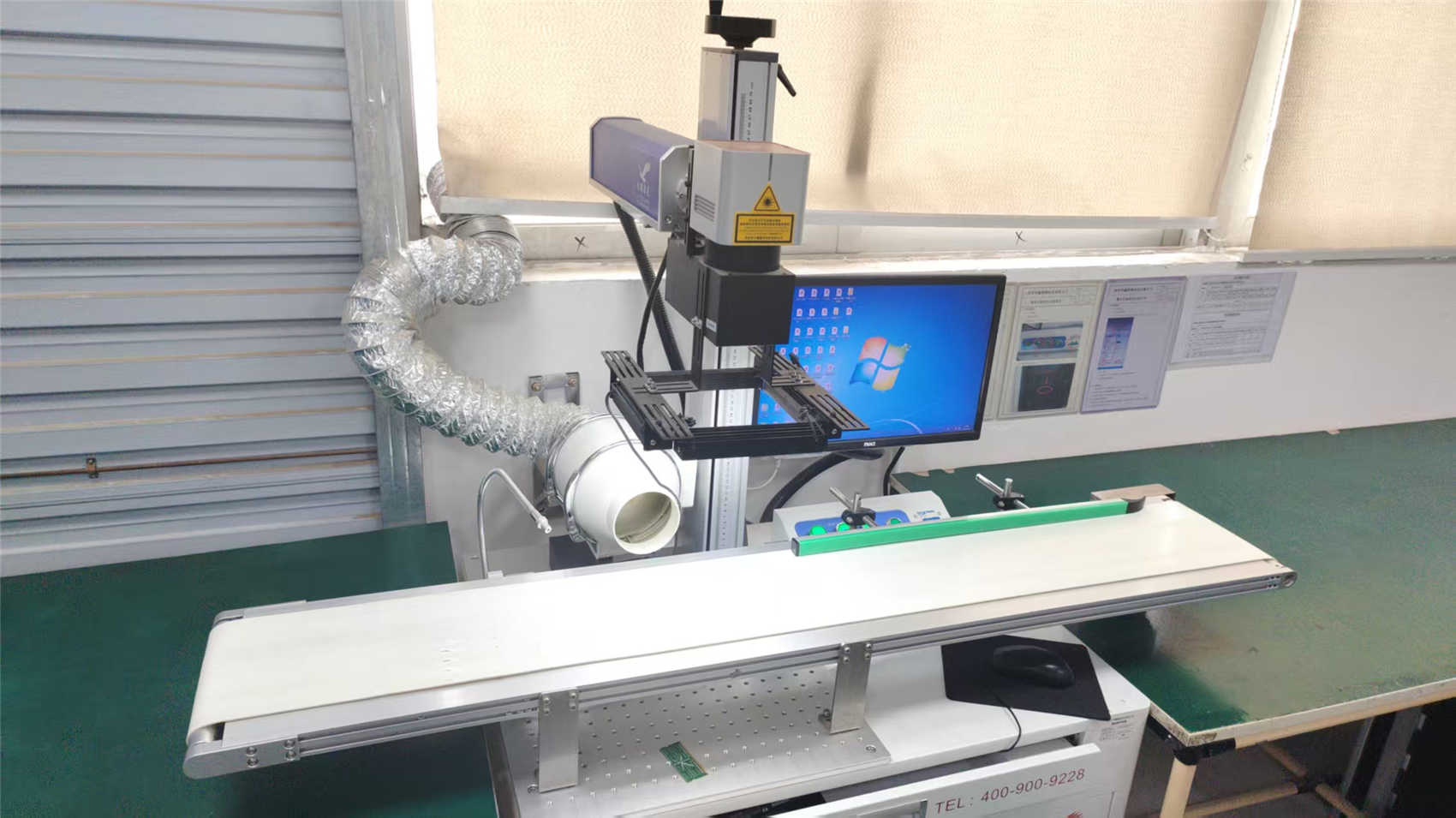
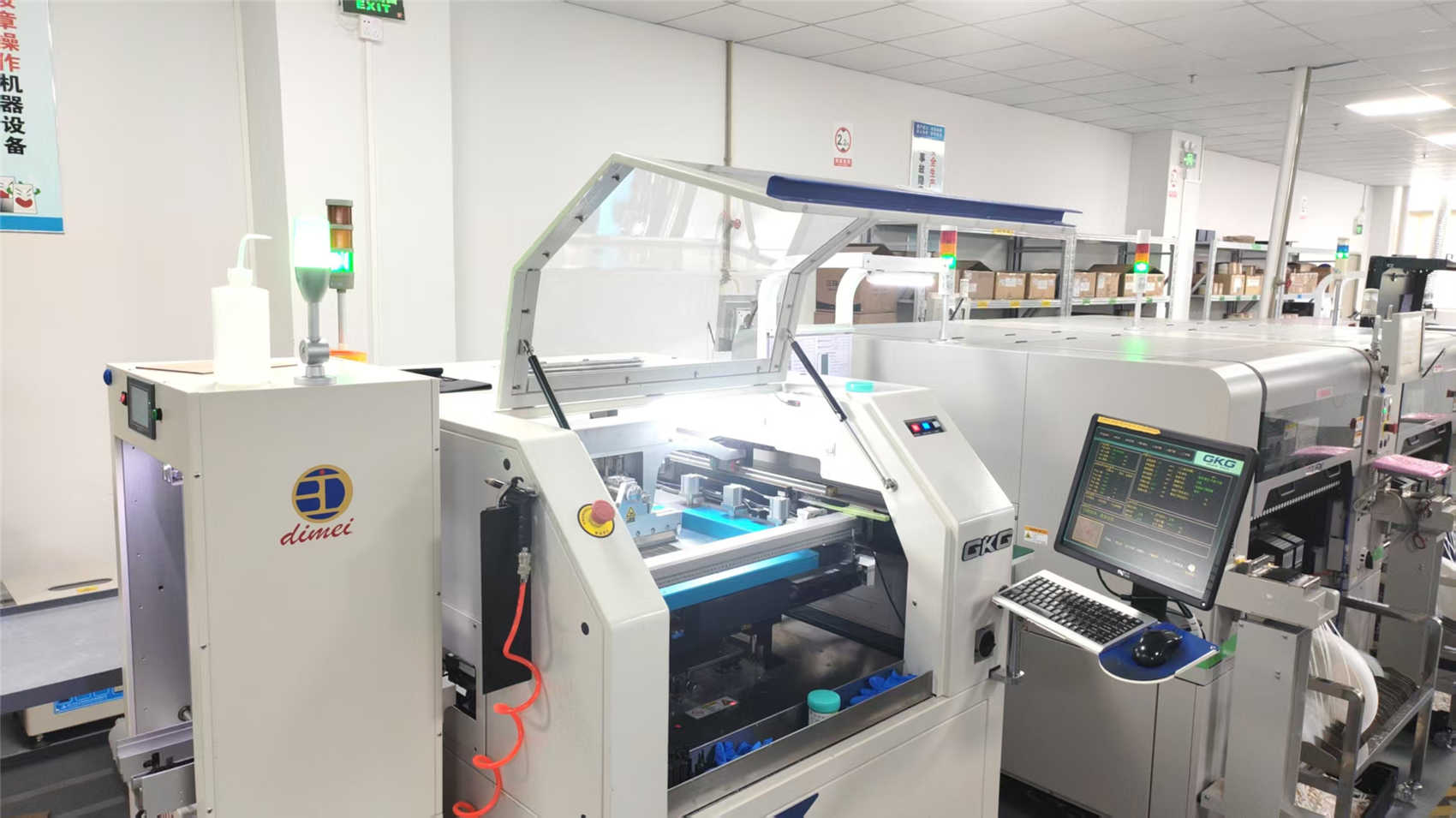
CoreByte's modern manufacturing facilities incorporate Advanced Industry 4.0 methodologies to deliver high precision, consistency, and cost efficiency. Drawing preforms, fiber extrusion, coloring, and connector assembly are monitored by closed-loop automated quality assurance networks.
By using real-time laser measurement gauges, our extrusion lines maintain outer diameter control within ±0.5 μm, minimizing structural geometry flaws. Automated patch-cord polishing stations ensure consistent physical contact (PC/UPC/APC) geometry, reducing insertion loss and return loss variability across high-volume orders.
Supported by a network of over 1,200 supply chain partners, CoreByte manages material supply risks, securing access to high-purity silica preforms, primary coatings, and performance aramid yarns. This logistics integration protects our global customers from raw material supply shocks and localized transit bottlenecks.
Every fiber optic connector assembly undergoes high-precision testing before leaving the factory:
CoreByte optical products comply with global standards, including RoHS, CE, FCC, UL, and the EU CPR (Construction Products Regulation) for cabling safety. We use LSZH and Plenum-rated compounds to meet strict fire-safety regulations in public buildings and commercial spaces.
Supported by 6 years of direct export experience and over 1,200 logistics partners, CoreByte provides customized shipping solutions (including DDP, FOB, CIF, and DAP terms). Our logistics network ensures smooth customs clearance and timely deliveries to North America, Europe, the Middle East, and Southeast Asia.
Our engineering team can customize products to meet specific requirements, including custom fiber counts, jacket materials (PVC, LSZH, PE, OFNP), outer sheath branding, custom lengths, and specialized connectors (MTP/MPO, LC, SC, FC, ST).
When sourcing optical fiber products, procurement managers must evaluate several technical and operational factors to ensure low total cost of ownership (TCO) and reliable long-term performance:
Optical cables are often deployed in inaccessible areas like under-floor spaces or underground conduits. Standardizing on G.657 bend-insensitive fibers with robust water-blocking glass yarn protection reduces physical stress fractures, lowering long-term maintenance costs.
High return loss (typical of APC polishing at ≥60 dB) is critical in high-power laser networks and high-frequency RF systems to prevent back-reflections that can damage transmitters. CoreByte offers custom APC and UPC options tailored to your network type.
Selecting modular patch panels and pre-terminated trunk cables (such as 12-fiber or 24-fiber MTP/MPO connectors) simplifies future network upgrades. This allows network operators to transition from 10G to 40G, 100G, and 400G configurations by changing patch cables rather than re-running main trunk lines.
A: Every batch undergoes insertion loss (IL) and return loss (RL) testing using digital optical power meters. In addition, we use 3D laser interferometers to verify the physical geometry of polished connector end-faces, ensuring low attenuation and reliable matings across all production runs.
A: G.657.A2 fiber features significantly improved bend performance, allowing for a minimum bend radius of 7.5 mm compared to approximately 30 mm for standard G.652.D. This makes it ideal for high-density routing in enterprise server racks and FTTH wall-outlet boxes, without causing signal attenuation from macrobending.
A: We customize the cable outer jacket based on regional fire codes and installation requirements. We supply LSZH (Low Smoke Zero Halogen) for European projects, OFNP (Plenum) for American air-handling spaces, and PVC/OFNR (Riser) for standard vertical riser installations.
A: Standard customized fiber patch cords and trunk runs typically ship within 7 to 15 business days. For bulk raw bulk cable orders or complex multi-fiber assemblies, lead times vary from 3 to 4 weeks depending on raw material specifications and our current factory schedule.
A: Yes, we build MTP/MPO multi-fiber assemblies in Polarity A, Polarity B, or Polarity C configurations according to TIA-568 standards. Our engineering team helps review your optical mapping design to ensure compatibility with your system's transceivers.
 CoreByte