Engineered to optimize thermal resistance, signal integrity, and processing speeds in high-density rack computing environments.
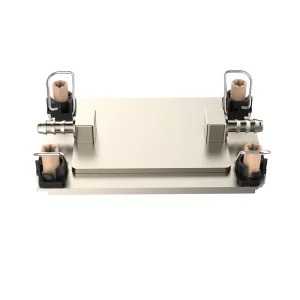
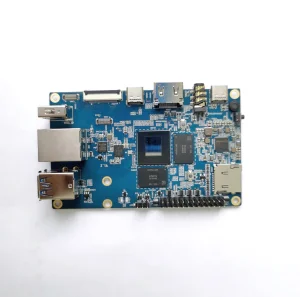
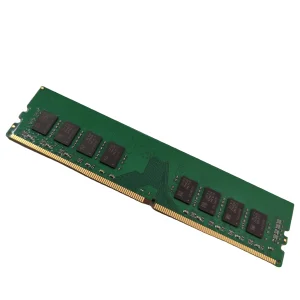
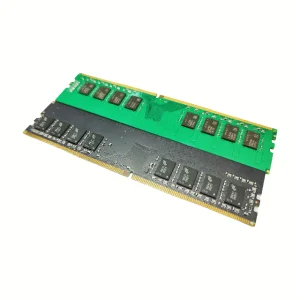
A trusted industrial partner specializing in OEM/ODM memory modules, thermal structures, and logic board manufacturing.
CoreByte Storage Technology Co., Ltd. is a professional DDR5 memory and DRAM solution manufacturer specializing in high-performance memory modules for global OEM, enterprise, and data center applications. Established in 2016, the company has developed strong capabilities in R&D, production, and international trade, focusing on stable, high-speed, and energy-efficient memory products.
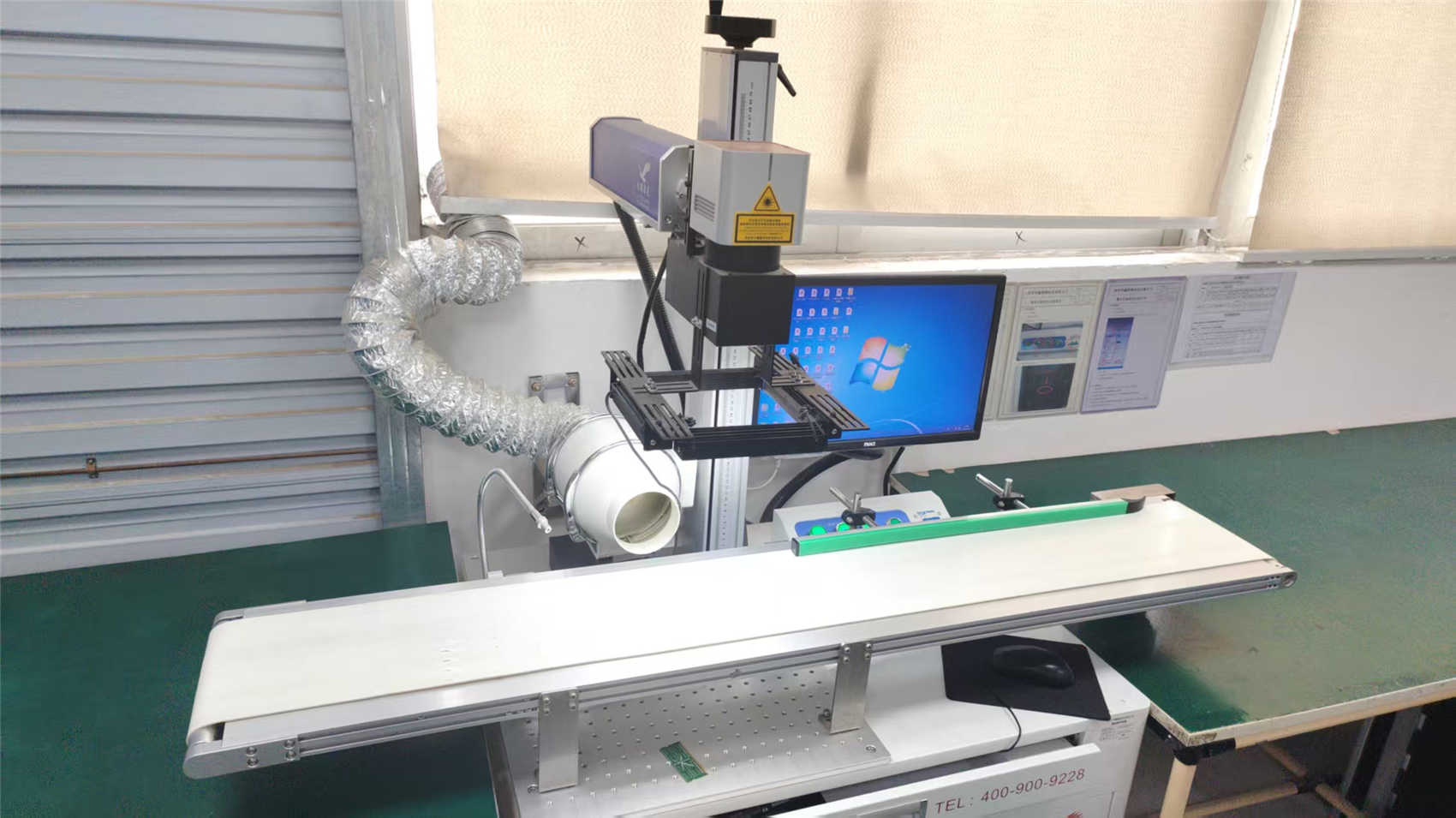
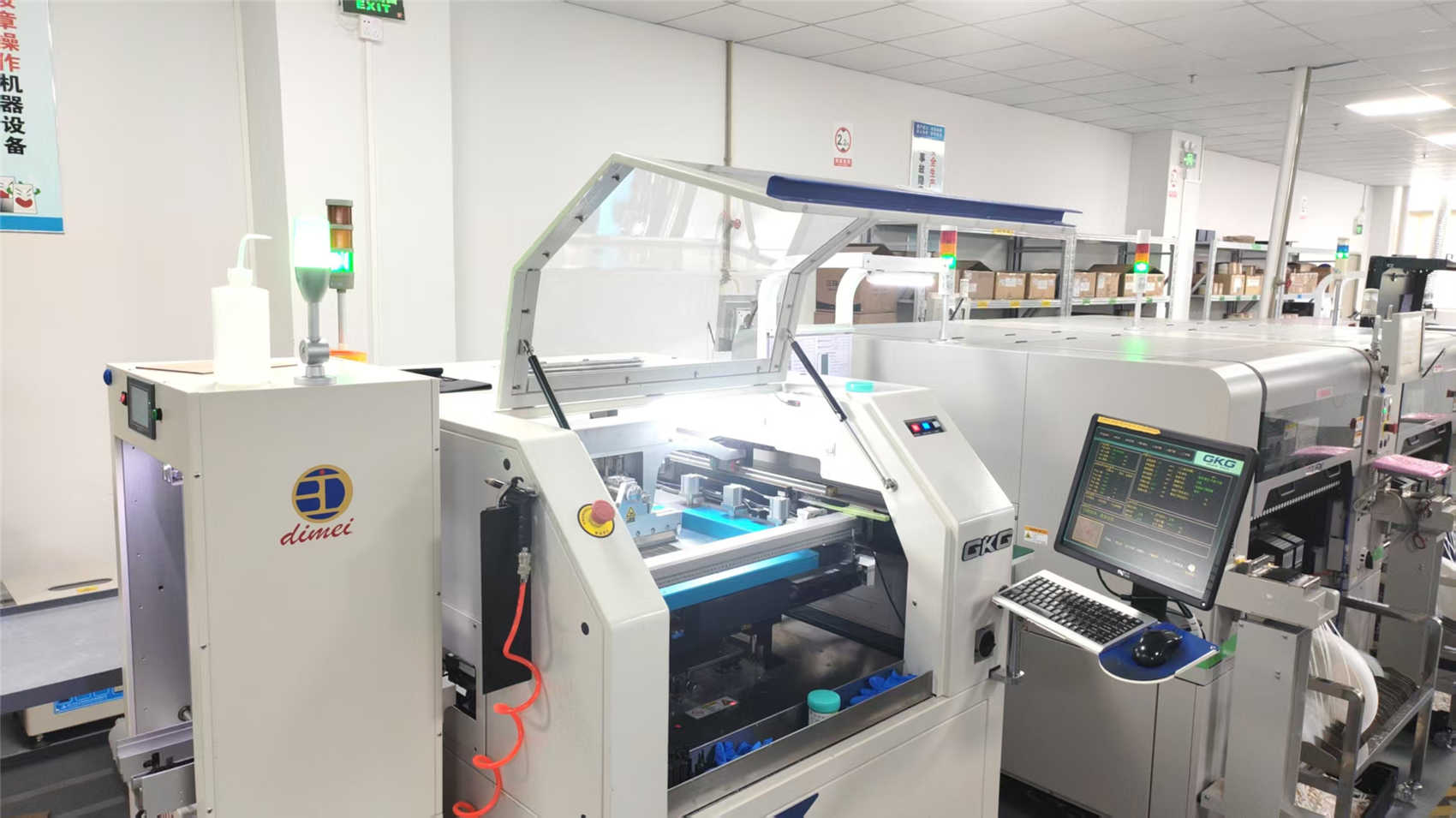
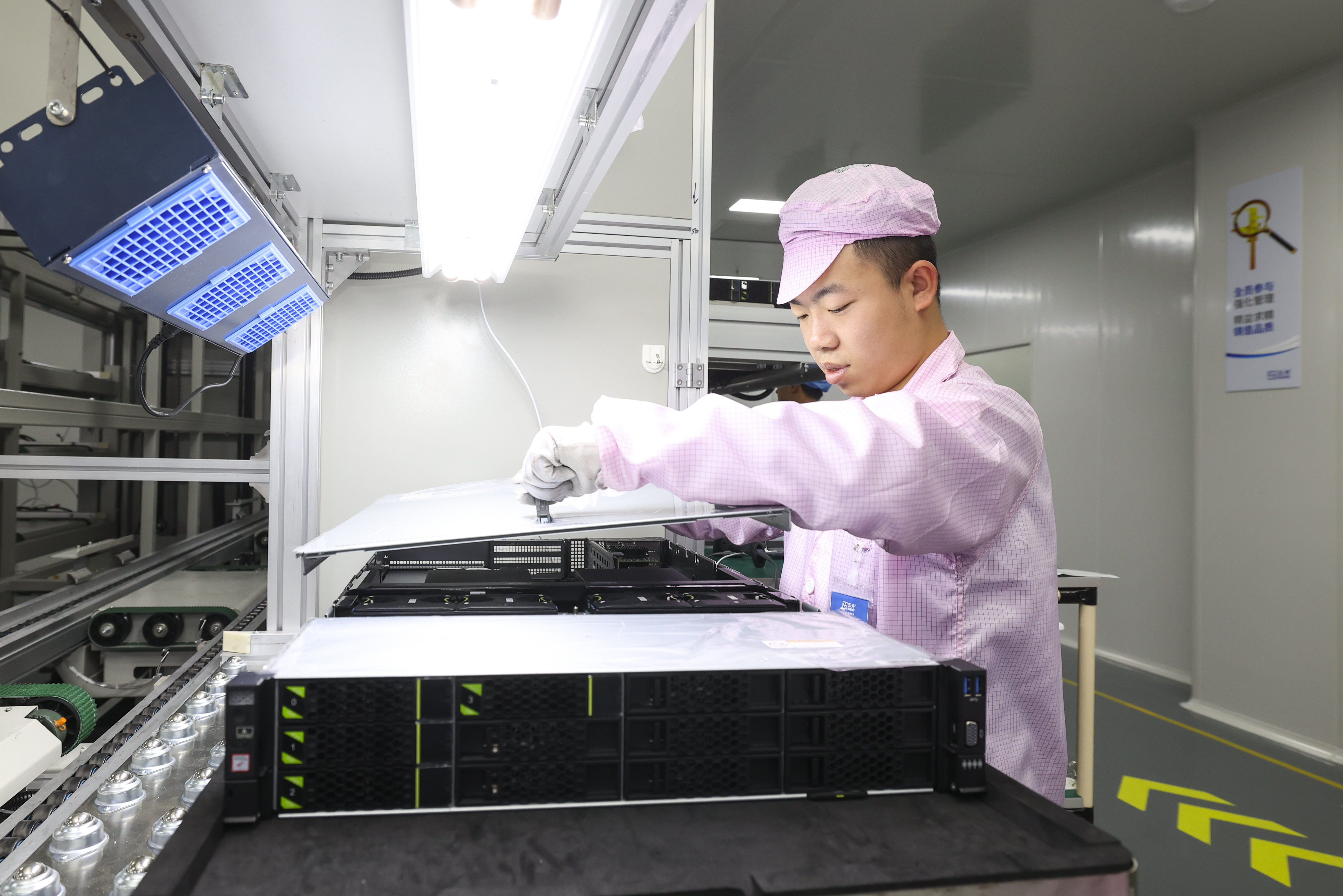
The company operates a modern manufacturing facility with a total building area of approximately 320㎡, equipped with advanced production and testing equipment to ensure strict quality control standards. CoreByte has an annual export revenue of around USD 12 million, with 6 years of export experience and over 9 years of industry experience in memory and semiconductor-related solutions.
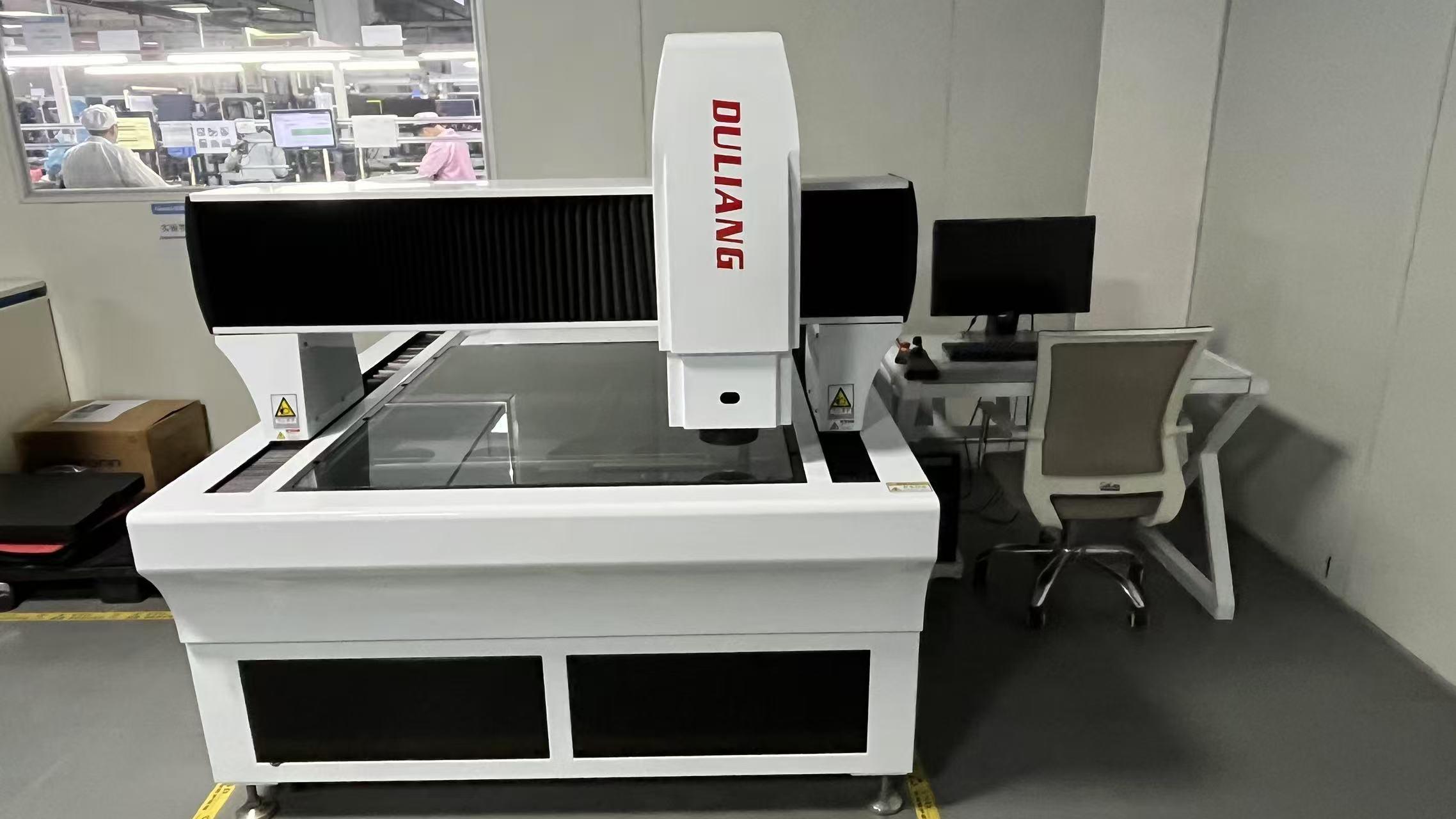
Quality assurance is a core priority at CoreByte. The company implements ISO9001-based quality management systems, combined with automated optical inspection (AOI) and high-temperature aging tests to ensure product stability and compatibility. Our QC team of 45 dedicated inspectors ensures that no sub-par module enters the supply chain.
With a comprehensive network of over 1,200 supply chain partners, CoreByte provides OEM/ODM solutions tailored for server integrators, industrial computer brands, and data center solution providers. This encompasses deep PCB layout optimization, frequency tuning, high-end thermal design (including liquid-cooled systems), and bespoke product branding.
An engineering perspective on why modern server, memory, and signal processing architectures require integrated design paradigms.
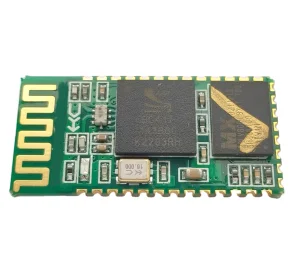
In contemporary computing topologies, the segregation between high-speed digital computing (such as DDR5 or NPU boards) and precise analog signaling is rapidly disappearing. When operating memory modules at speeds upward of 3200MHz, signal attenuation, electromagnetic interference (EMI), and crosstalk represent critical design bottlenecks. The physical interfaces on high-performance memory modules require complex phase-locked loops (PLLs), high-speed differential receivers, and precise impedance termination circuits—all of which are inherently analog in nature. Consequently, designing a robust memory stick is no longer just a digital routing exercise; it requires a deep understanding of analog signal integrity.
For instance, modern DDR5 modules integrate a dedicated Power Management Integrated Circuit (PMIC) directly on the DIMM board. This is a profound shift from older DDR4 architectures, which relied on the host motherboard's power regulation. These PMICs are highly sophisticated analog devices designed to buck down high voltages to 1.1V with extreme noise rejection. As an OEM/ODM provider, CoreByte designs its custom memory circuits to interface flawlessly with these onboard analog controllers, guaranteeing minimal jitter and maximum thermal headroom under variable workloads.
Globally, the integration of computational engines (like CPUs and NPUs) and storage arrays is driven by AI workloads, industrial automation, and deep telecommunications infrastructure. In edge AI applications, architectures like the Rockchip RK3588S require localized, high-speed RAM and rugged motherboards that can run continuous inference models without performance degradation. In contrast, cloud data centers running complex web clusters depend on massive computing blocks such as LGA4677 or SP5 socketed processors. These environments mandate advanced cooling assemblies—including direct-to-chip copper liquid blocks capable of dissipating over 400W of heat—to maintain operational reliability and prevent thermal throttling.
Precise impedance matching and trace length balancing to minimize reflections and crosstalk on DDR4/DDR5 buses.
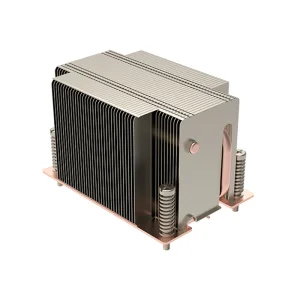
Implementing high-thermal-conductivity copper bases and multi-heatpipe designs to draw heat away from the silicon die.
Strategic multi-layer PCB design featuring dedicated ground planes and localized shielding for analog components.
Ensuring operational reliability across diverse operating conditions and conforming to rigorous international standards.
The global semiconductor supply chain demands high resilience and rapid adaptability. CoreByte maintains stable trade footprints across North America, Europe, Southeast Asia, and the Middle East. Geopolitical and regional compliance standards are central to these operations. Products destined for the European Union strictly follow RoHS and CE directives, ensuring lead-free materials and safe electromagnetic emissions. Meanwhile, hardware shipped to North America conforms to FCC Part 15 and UL safety certifications.
Localized logistics and technical support represent key focus areas. By securing robust supply agreements with chip suppliers (including top DRAM wafer producers and component fabricators) and utilizing a vast logistics network, CoreByte guarantees stable production schedules and handles complex custom clearance requirements. This global presence ensures that clients—from European telemetry hardware manufacturers to North American hyperscalers—receive reliable product support tailored to their specific operating environments.
Our OEM/ODM solutions are utilized across diverse industries, reflecting our engineering versatility:
Anticipating next-generation architecture transitions and emerging physical interface standards.
As the industry transitions to DDR5 and prepares for DDR6, memory architecture is adapting to meet rising signal speeds. Standard signal routing faces physical limits, which demands cleaner board design and higher layer counts (often 8 to 12 layers on high-speed desktop and server boards) to prevent noise coupling. Additionally, power integrity is a growing focus, requiring lower operating voltages (1.1V and below) that demand higher tolerance and minimal ripple from analog power supplies.
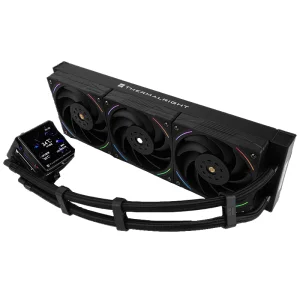
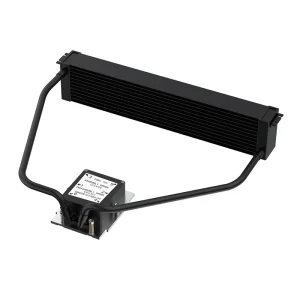
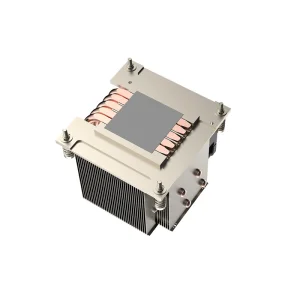
On the thermal side, rising processor power draws—such as those seen in LGA4677 and SP5 architectures—are driving a shift toward liquid cooling solutions. Passive heatsinks are reaching their physical cooling limits under continuous high workloads. CoreByte is active in developing integrated loop systems, hybrid copper-aluminum thermal designs, and thin-profile 1U water blocks. These designs are engineered to handle high heat flux density while maintaining a low server footprint.
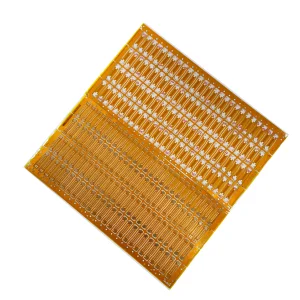
Furthermore, flexible circuit technology (FPC) is expanding from consumer electronics into medical, industrial, and high-reliability aerospace applications. Developing robust single- and multi-layer polyimide FPCs requires balancing physical flexibility with signal integrity. This includes managing trace impedances and selecting appropriate coverlay materials to prevent performance degradation under repeated mechanical stress.
Visualizing CoreByte's modern production assets, quality assurance laboratories, and assembly operations.

Addressing key engineering questions regarding DRAM design, thermal optimization, and custom PCB assembly.
A: Moving power management from the motherboard to the memory module (DIMM) allows for closer and more precise voltage control. It helps reduce noise, voltage drops, and electromagnetic interference. This setup provides cleaner power delivery, supports higher frequencies (such as DDR5 speeds), and simplifies motherboard power routing.
A: Our 1U LGA4677 copper water blocks undergo detailed thermal testing. We measure thermal resistance, flow rates, and pressure drop. The blocks are tested under simulated thermal loads up to 400W using heating elements that match the processor die size. We use thermal imaging to identify hotspots, ensuring heat is distributed evenly across the copper base and cooling fins.
A: When designing flexible PCBs for consumer or industrial applications, we optimize the trace layout by using staggered routing to avoid stacking traces directly above one another. This reduces mechanical stress during bending. We also control trace impedances, use proper polyimide coverlay materials, and apply dedicated ground planes to maintain signal quality while preserving the board's flexibility.
A: Our quality control includes optical inspection, functional testing, and environmental screening. We use Automated Optical Inspection (AOI) to verify component placement and solder joint quality. Modules are then subjected to high-temperature aging chambers to detect infant mortality failures. Finally, they are tested for compatibility across target motherboards and chipsets before packing.
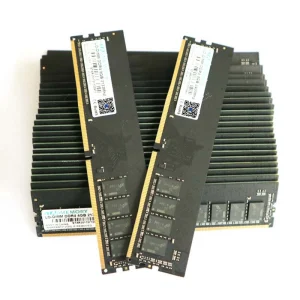
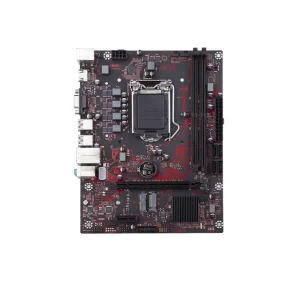
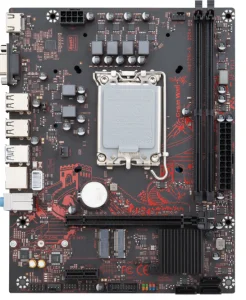
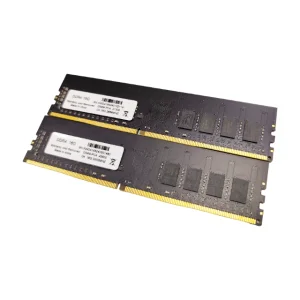
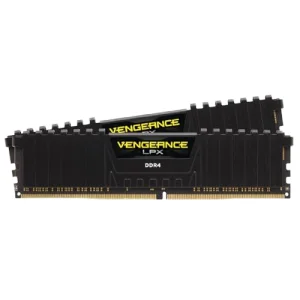
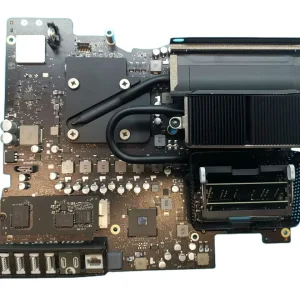
Explore our catalog of high-density motherboard configurations, DDR4 and DDR5 memory modules, and specialized PCB designs.
 CoreByte