Explore our top-performing, CE-certified server and desktop memory configurations, optimized high-frequency motherboards, and complex PCB subassemblies.
As artificial intelligence (AI), machine learning (ML), edge computing, and 5G network fabrics continue to penetrate modern industrial and commercial landscapes, the baseline requirements for server infrastructure have shifted fundamentally. Historically, compute density and physical space were the core optimization parameters. Today, data transmission velocity, electrical conversion efficiency, and extreme thermal resilience dictate the structural viability of modern datacenters.
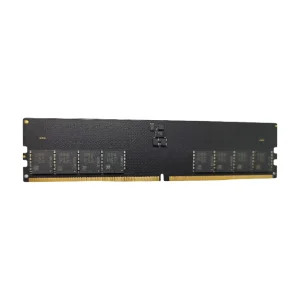
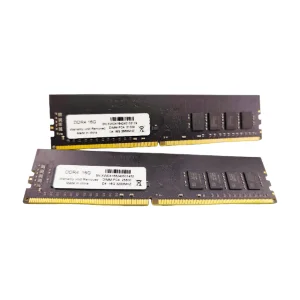
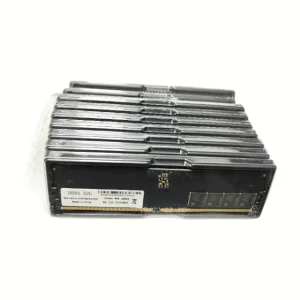
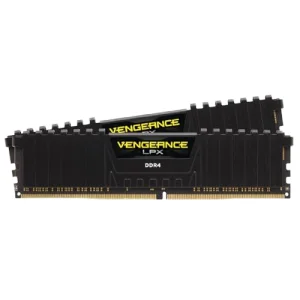
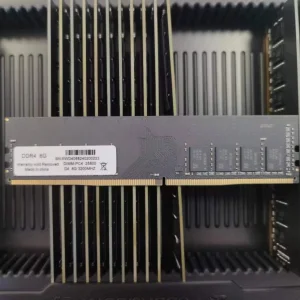
The transition from DDR4 to DDR5 memory architectures is one of the most critical developments in this space. Standard DDR5 memory operates at significantly higher frequencies (starting at 4800MHz and scaling past 5600MHz/6000MHz) while lowering operating voltage (from 1.2V to 1.1V). Crucially, DDR5 integrates on-die Error Correction Code (ECC) and moves the Power Management Integrated Circuit (PMIC) directly onto the DIMM module. This architectural evolution ensures enhanced signal integrity and localized power regulation, which are critical for maintaining operational stability in high-performance computing (HPC) nodes.
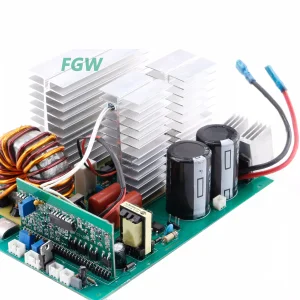
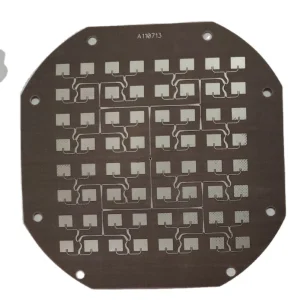
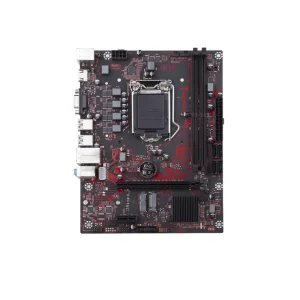
Simultaneously, the physical design of PCBs is shifting. High-speed signal lines require substrates with extremely low dissipation factors and dielectric constants, such as Taconic TLY-5 and specialized aluminum-backed substrates, to prevent signal attenuation and control localized thermal spikes. This is particularly vital in close-coupled CPU sockets, such as the AMD SP5 and Intel LGA4677 ecosystems, where thermal dissipation solutions must manage loads exceeding 350W to 400W per socket.
Moving PMIC power regulation onto the module to maximize power distribution efficiency and support higher data throughput rates exceeding 5600MT/s.
Integrating Taconic TLY-5 laminates and aluminum core substrates to prevent signal integrity degradation and withstand extreme operational temperatures.
Established in 2016, CoreByte has positioned itself as a high-precision DRAM solution manufacturer for global OEM, enterprise, and cloud datacenter applications.
In the high-stakes domain of global server infrastructure procurement, reliability is the ultimate metric. Founded in 2016, CoreByte Storage Technology Co., Ltd. has spent nearly a decade developing robust engineering capabilities in memory module design, semiconductor validation, and high-frequency printed circuit board assembly (PCBA). We serve OEM system integrators, tier-2 cloud service providers, and telecommunications equipment manufacturers across North America, Europe, Southeast Asia, and the Middle East.
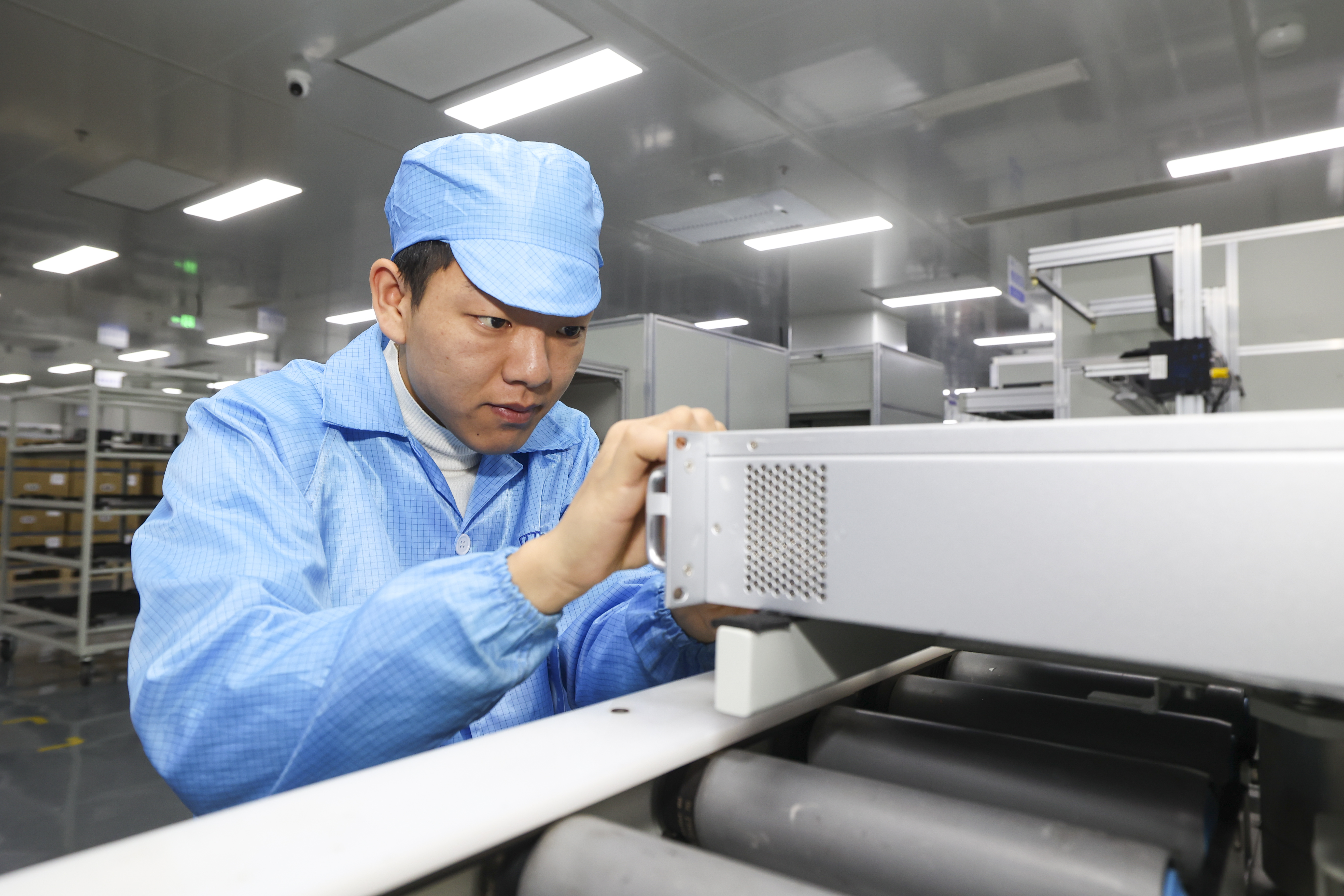
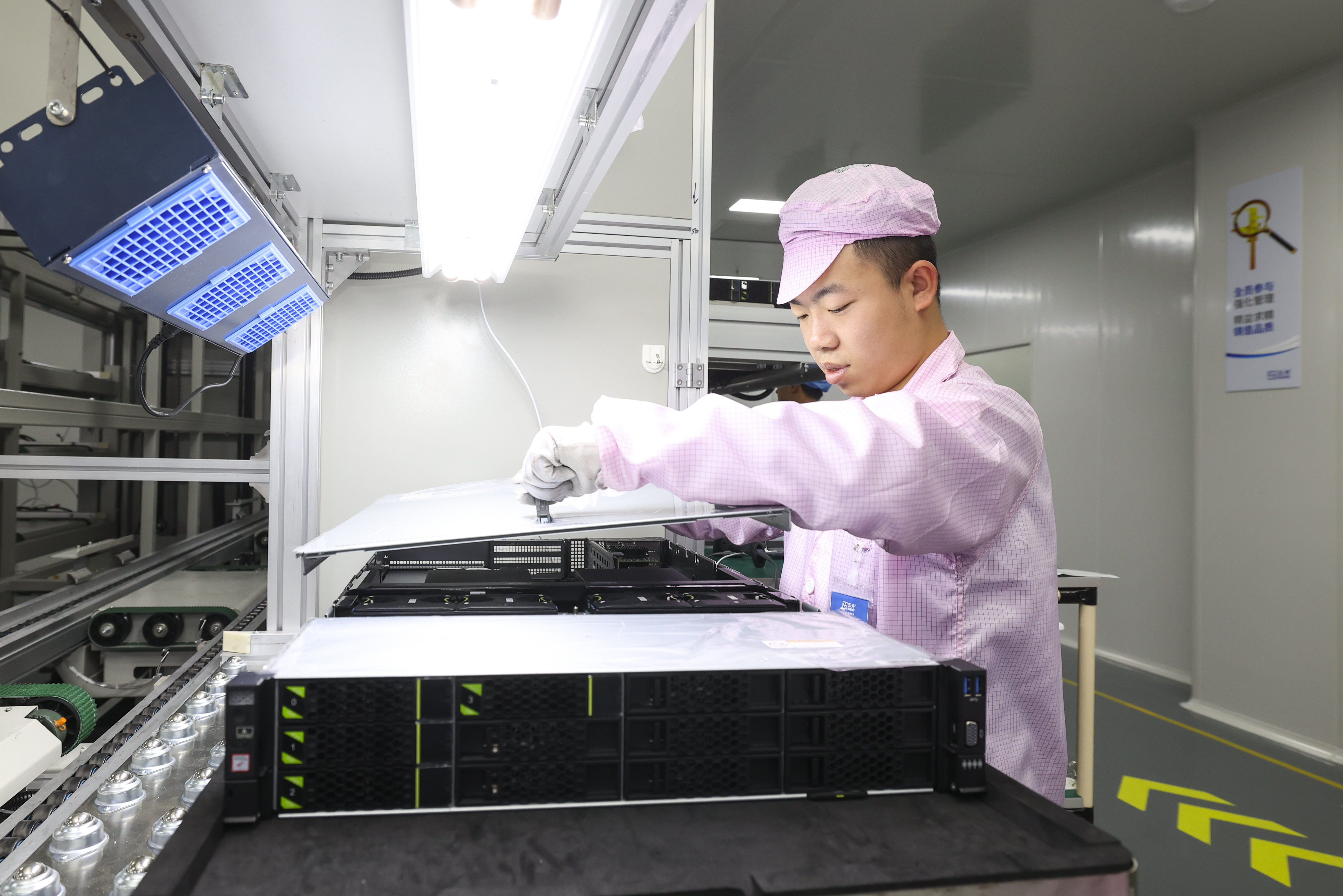
Operating a specialized manufacturing facility featuring ESD-controlled cleanrooms, CoreByte utilizes state-of-the-art SMT lines and high-precision inspection tools. With a strong capital foundation and an annual export revenue of approximately USD 12 million, the company maintains continuous operations, supported by over 1,200 verified supply chain partners. This broad integration safeguards our clients against unexpected chip shortages and material allocation constraints.
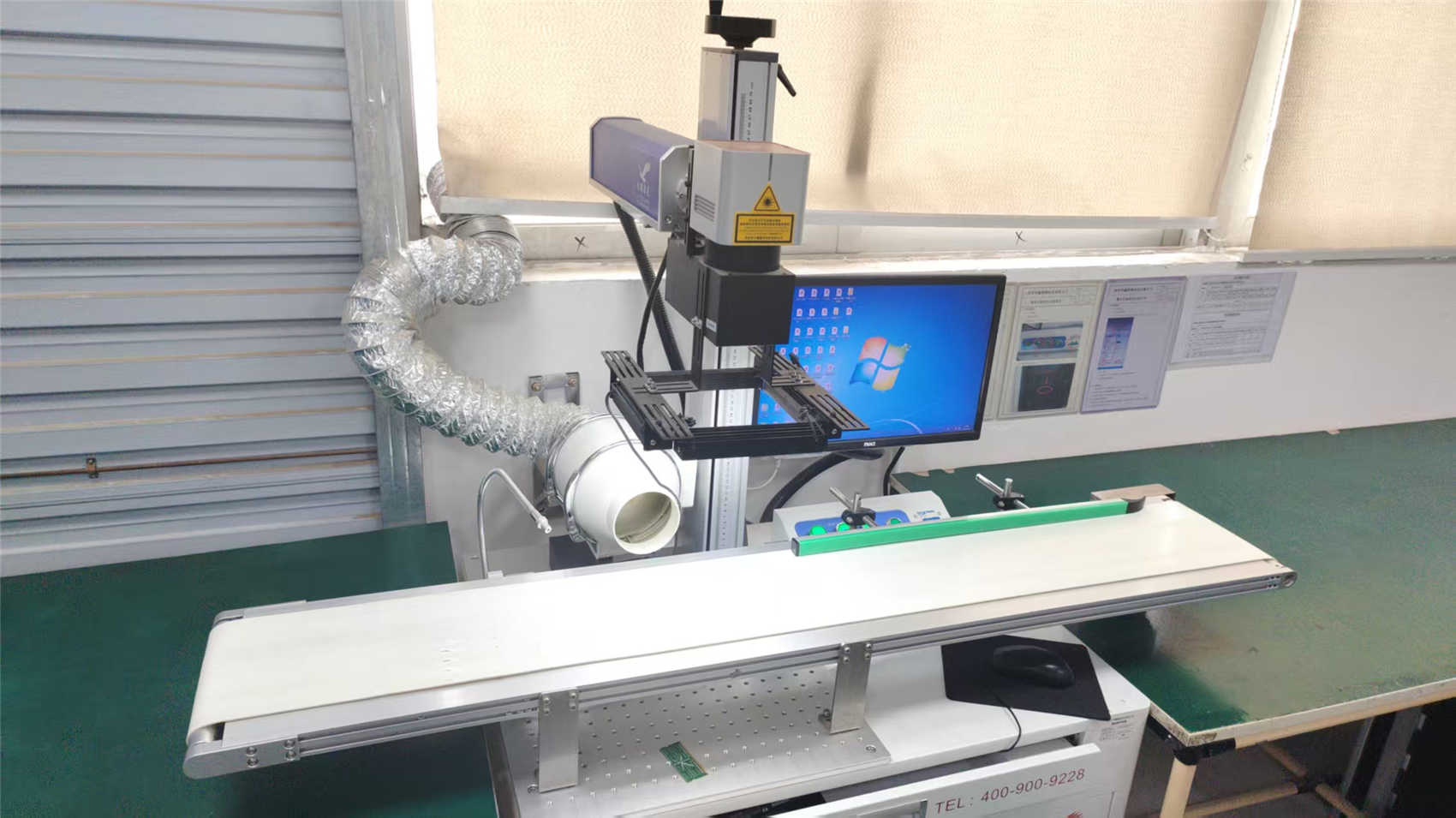
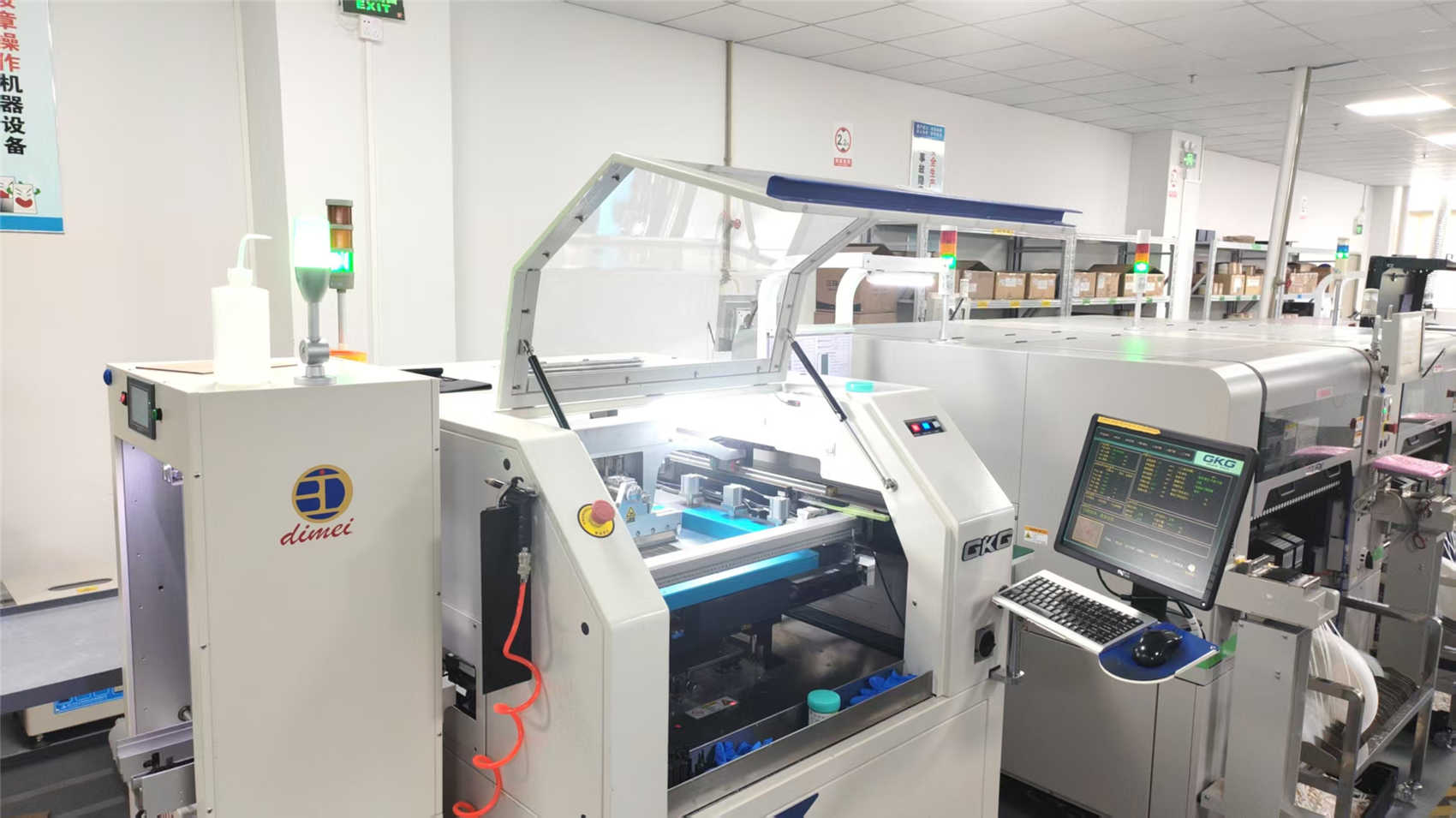
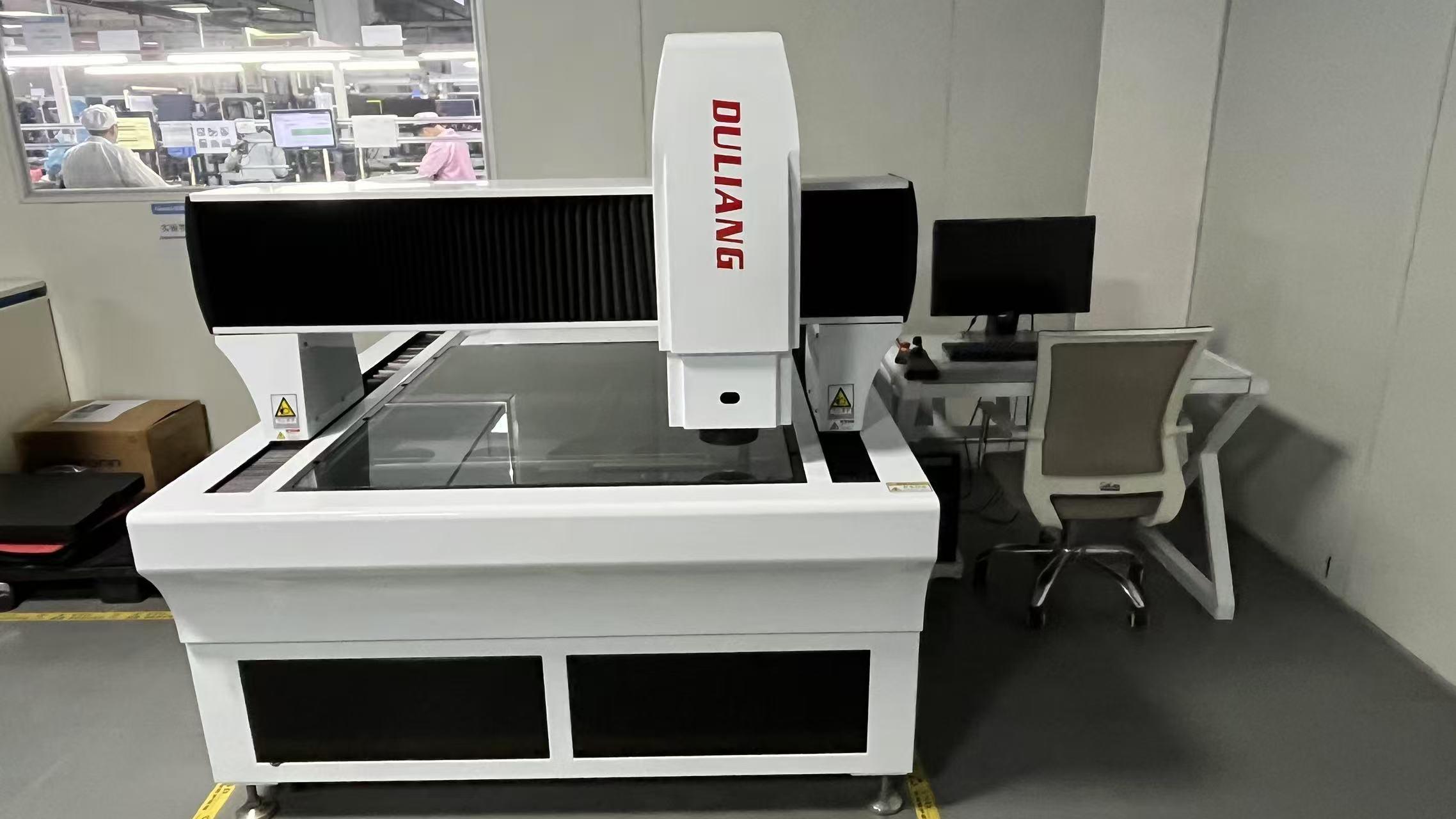
Every DRAM layout and PCB subassembly undergoes comprehensive 3D automated optical inspection to detect solder bridging, voids, and component misalignment down to the micron level.
To eliminate infant mortality failures in industrial chips, we subject all enterprise memory modules to high-temperature dynamic stress tests under simulated server workloads inside climatic chambers.
Our operations adhere to standard operating procedures (SOP) verified by external accreditation bodies, ensuring traceabilities from silicon wafer lots to finished OEM boxes.
Procuring server components from a modern Chinese facility offers significant structural advantages beyond basic unit cost reduction. The integration of Industry 4.0 automation into our electronics ecosystem enables rapid prototype iteration, responsive production scaling, and consistent component sourcing.
At CoreByte, our production floor combines high-speed automated component placement with strict quality assurance systems. Our dedicated 45-inspector quality control team oversees a multi-layered verification process. This begins with checking incoming DRAM ICs from leading silicon fabs, continues through in-line 3D solder paste inspection (SPI), and concludes with automated post-reflow optical verification.
Crucially, because we maintain a tight network of more than 1,200 domestic and international partners, we can source specialty components—such as high-frequency Taconic TLY-5 PCB substrates, high-thermal-conductivity aluminum cores, and high-performance server cooling fans—faster than manufacturers in less integrated regions. This localized supply chain ecosystem ensures short production lead times and helps insulate customers from global logistics disruptions.
Aligning high-frequency electronic assemblies and memory units with the strict safety, regulatory, and functional standards required by international markets.
For procurement teams in the European Economic Area (EEA), CE Certification is a mandatory regulatory requirement. Our products comply with European Electromagnetic Compatibility (EMC) Directive 2014/30/EU and Low Voltage Directive 2014/35/EU, ensuring smooth import customs processing and safe operation in European datacenters.
Industrial environments require hardware that can withstand vibration, humidity, and temperature fluctuations. Our high-frequency PCB assemblies, aluminum-backed circuits, and ECC memory modules are designed for remote IoT nodes, smart factory floors, and decentralized edge computing clusters.
Hyperscale operators need dependable thermal performance and low failure rates. Our passive copper heat sinks, water-cooling kits for SP5 and LGA4677 sockets, and DDR5 REG ECC DIMMs help prevent unexpected system down-time, supporting continuous operation at scale.
A comparative analysis of memory standards and thermal components designed to assist procurement managers and system architects.
| Architecture & Spec | DDR5 Enterprise RAM | DDR4 Enterprise RAM | High-Frequency PCB (Taconic) | Thermal Dissipation Units |
|---|---|---|---|---|
| Primary Data Rates | 4800 MT/s to 6400+ MT/s | 2133 MT/s to 3200 MT/s | N/A (Signal Transmission) | N/A (Liquid / Air cooling) |
| Operating Voltage | 1.1V (Direct PMIC Control) | 1.2V / 1.35V (Motherboard Control) | Dielectric Strength: High | Power Limits: 350W+ Sockets |
| Error Correction | On-Die ECC + Side-band ECC | Side-band ECC (72-bit bus) | Impedance Tolerances: < 5% | Zero-Leakage Quick Connects |
| Main Applications | AI Training, Cloud HPC, DDR5 Nodes | Legacy Enterprise Servers, IPCs | Microwave / RF, High-Speed Backplanes | SP5 (AMD Genoa), LGA4677 Sockets |
| Certification Status | CE, FCC, RoHS | CE, FCC, RoHS | IPC-A-610 Class 3 | Pressure Tested |
Answers to key questions about server memory architecture, PCB engineering, certification, and procurement logistics.
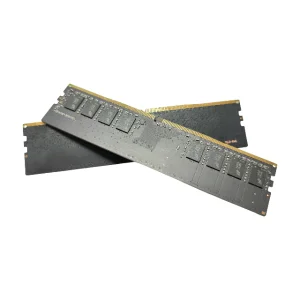
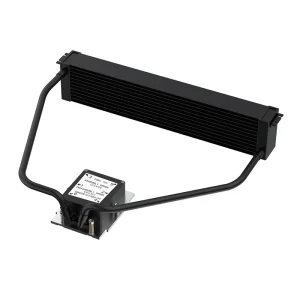
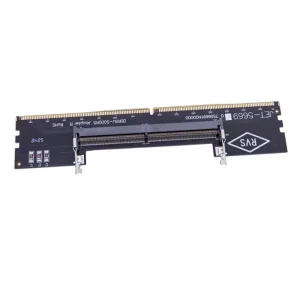
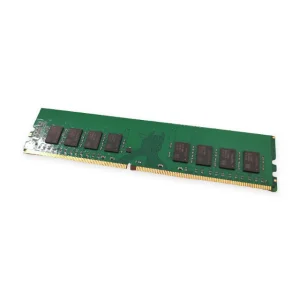
Select from our range of high-efficiency server cooling assemblies, memory adapters, and specialty enterprise modules.
 CoreByte