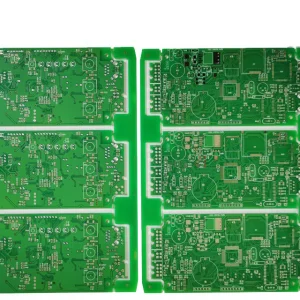
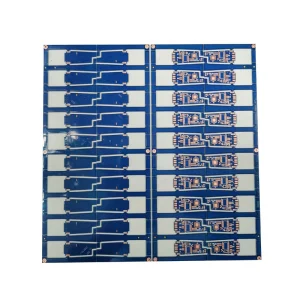
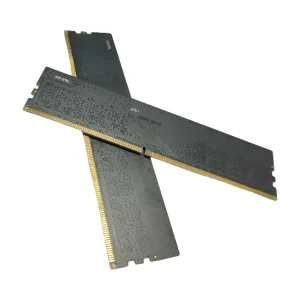
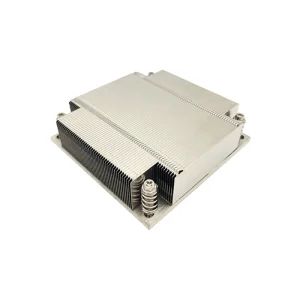
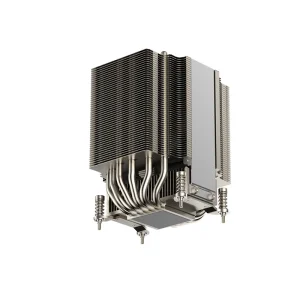
Optimized double-sided and multilayer printed circuit boards engineered to meet the stringent electrical and climatic requirements of localized applications in Russia.
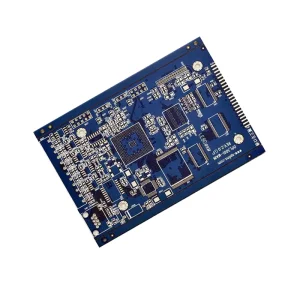
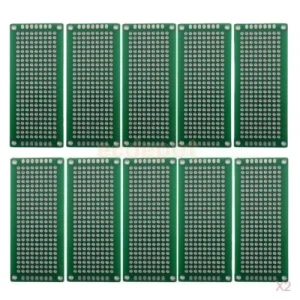
Analyzing import substitution dynamics, local industrial demands, and the supply chain integration between Chinese manufacturers and Russian enterprises.
In recent years, the Russian electronic hardware industry has entered a phase of profound structural transformation. Driven by the imperative of import substitution (Импортозамещение) and the need to secure critical technology infrastructure, local enterprises across sectors like industrial automation, energy management, transport infrastructure, and telecommunications are actively rebuilding their supply networks. Central to this reconstruction is the sourcing of high-reliability Printed Circuit Boards (PCBs) and printed circuit board assemblies (PCBAs) that can withstand demanding operating environments.
Russia's industrial sectors—ranging from the energy grids of the Ural region to Siberian oil and gas telemetry, and urban transit networks in Moscow and St. Petersburg—require electronics that exhibit extreme temperature tolerance, mechanical durability, and long-term chemical stability. As access to European fabrication facilities has contracted, the focus has shifted heavily toward established Chinese manufacturers who possess the capital, technology, and engineering speed to deliver complex, multi-layered boards under rigorous international standards.
Key areas of development include:
On a global scale, the PCB industry is experiencing a rapid technological shift. Traditional single- and double-sided boards are increasingly being replaced by High-Density Interconnect (HDI) PCBs, rigid-flex boards, and systems optimized for high-frequency signal transmission, such as DDR5 and PCIe Gen 5 routing. This transition requires advanced fabrication processes involving microvias, laser drilling, and sophisticated substrate materials (such as high-Tg FR-4, PTFE, and ceramic-filled laminates) that maintain impedance control and minimize signal loss at gigahertz frequencies.
The efficiency advantages of Chinese PCB fabrication plants extend far beyond simple labor cost arbitrage. China has developed the most integrated electronics ecosystem in the world, characterized by:
High-spec PCB fabrication and SMT capabilities engineered to ensure continuous performance under the most punishing industrial conditions.
Supporting design up to 32 layers with controlled impedance matching, high-Tg dielectric materials, and microvia laser drilling for high-speed computing and RF telecommunications.
Offering Immersion Silver, ENIG (Electroless Nickel Immersion Gold), and Lead-Free HASL options to prevent oxidation and ensure reliable solder joints in damp or low-temperature climates.
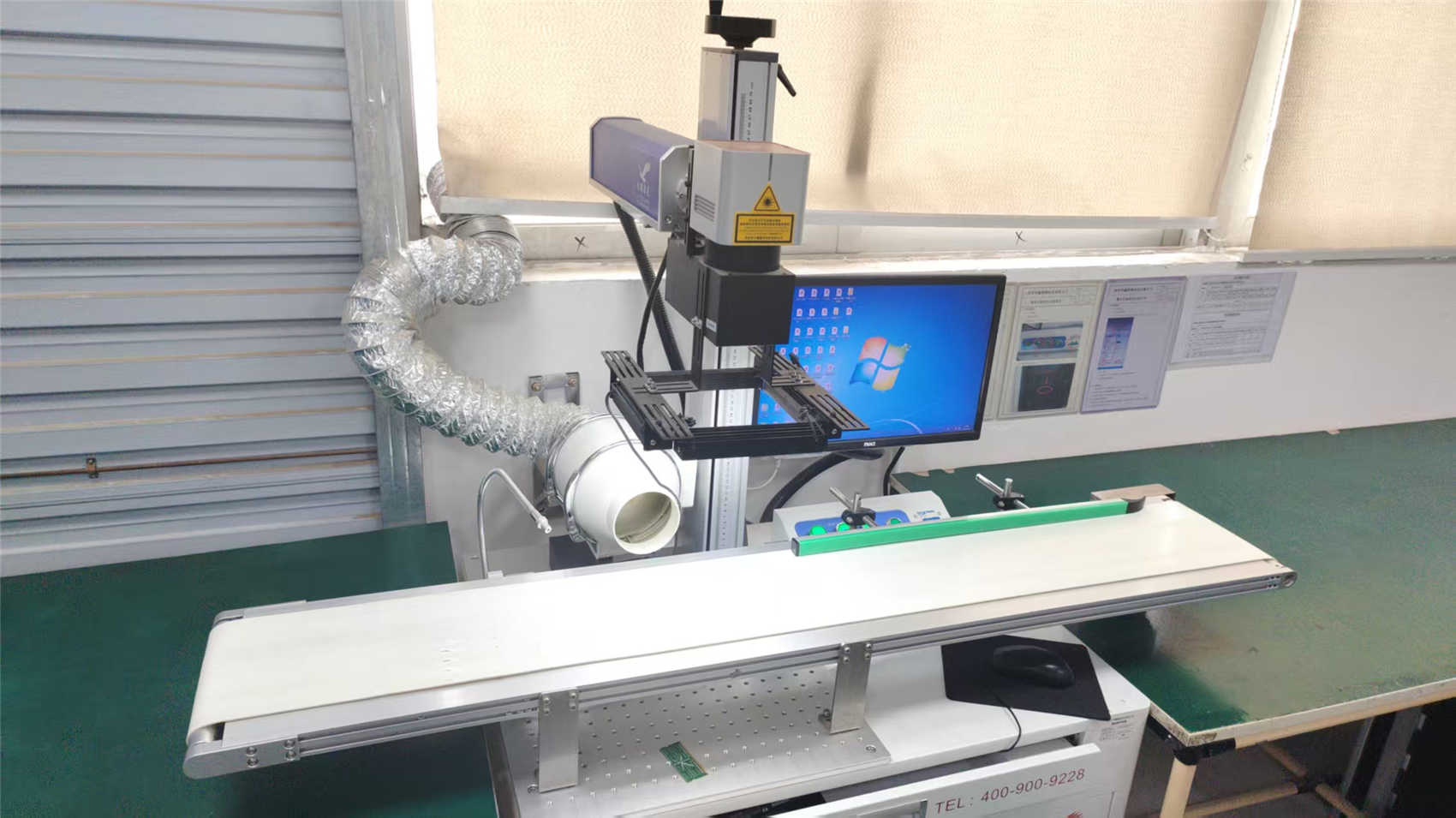
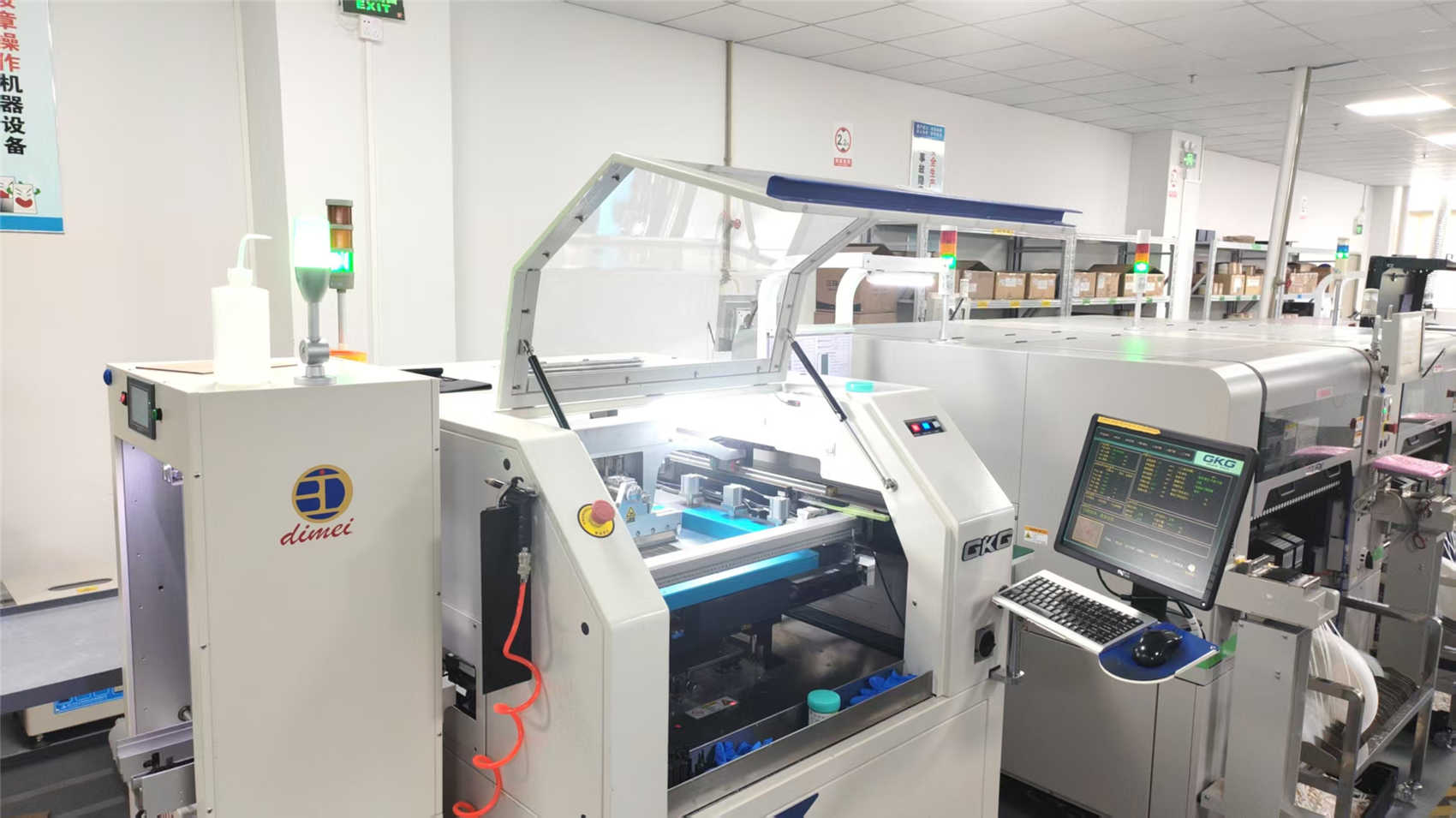
Equipped with high-speed Yamaha and Samsung SMT lines, supporting component placement down to 01005 chips, BGA rework, and manual DIP wave soldering.
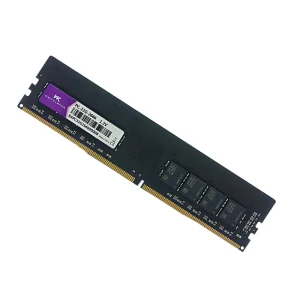
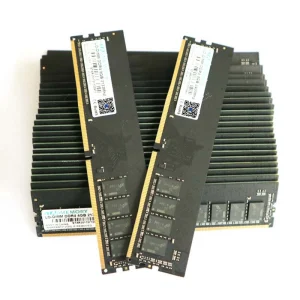
CoreByte Storage Technology Co., Ltd. is a professional DDR5 memory and DRAM solution manufacturer specializing in high-performance memory modules for global OEM, enterprise, and data center applications. Established in 2016, the company has developed strong capabilities in R&D, production, and international trade, focusing on stable, high-speed, and energy-efficient memory products.
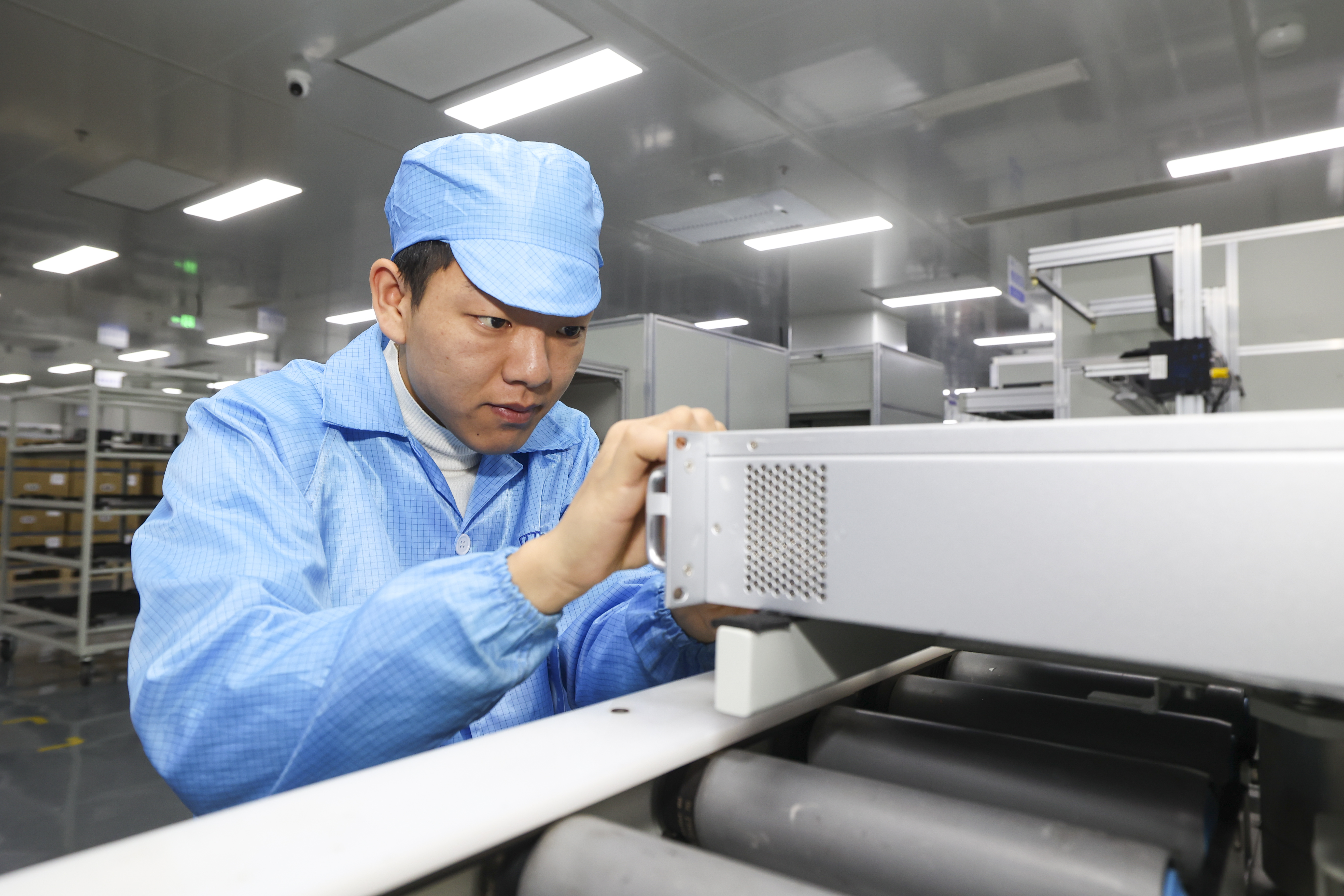
The company operates a modern, highly optimized manufacturing facility with a total building area of approximately 320㎡, equipped with advanced production and testing equipment to ensure strict quality control standards. CoreByte has an annual export revenue of around USD 12 million, with 6 years of export experience and over 9 years of industry experience in memory and semiconductor-related solutions.
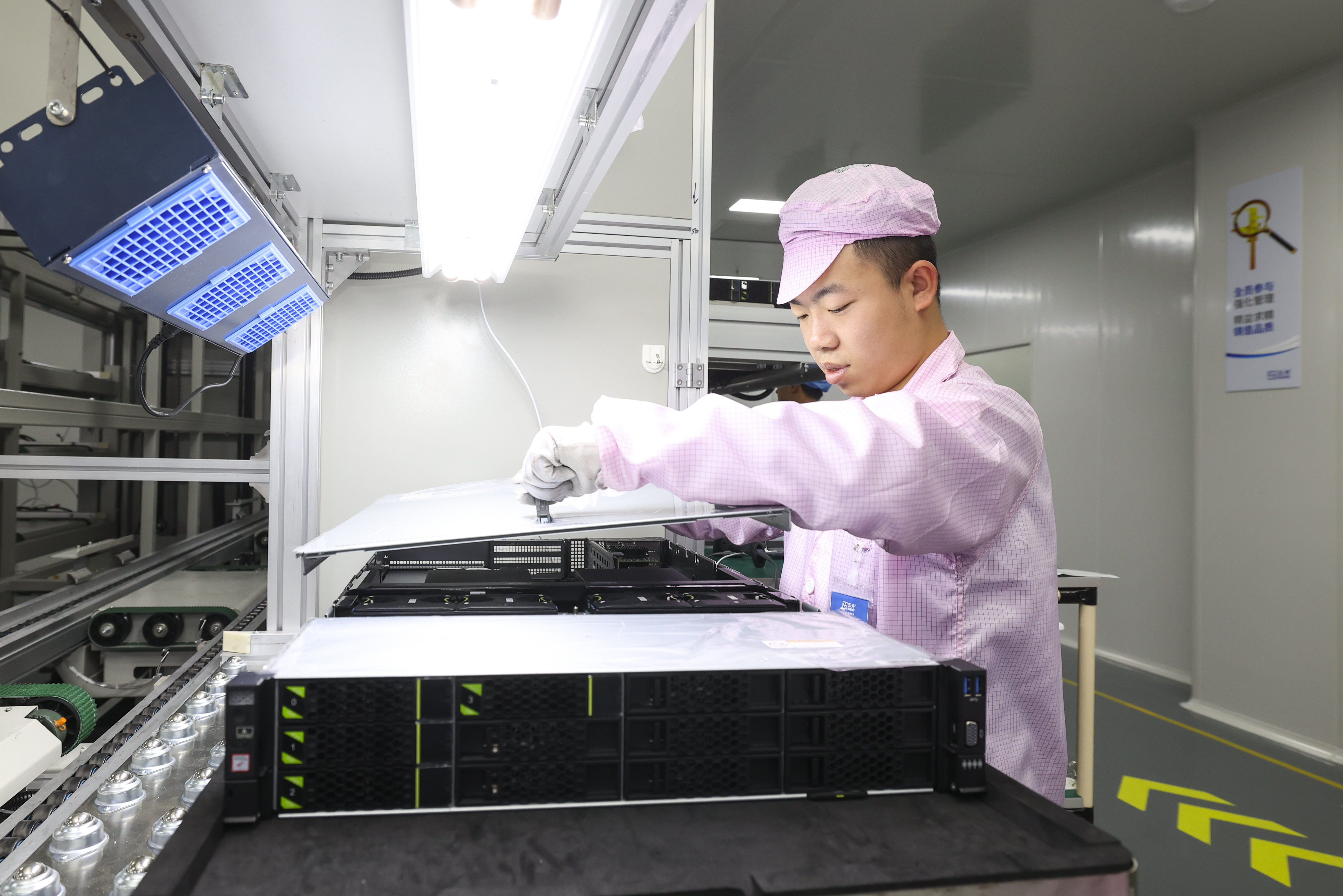
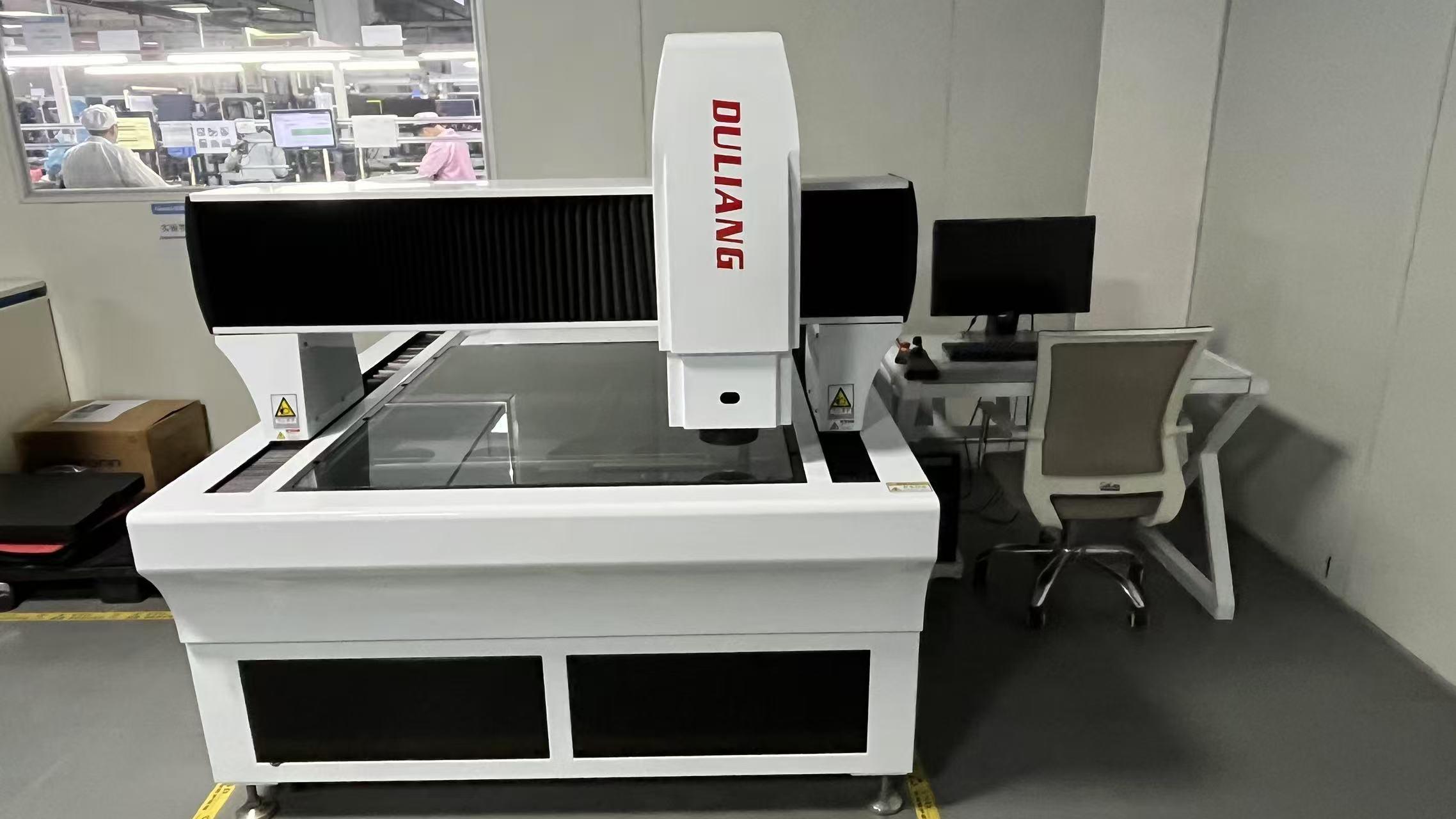
Quality assurance is a core priority at CoreByte. The company implements ISO9001-based quality management systems, combined with automated optical inspection (AOI) and high-temperature aging tests to ensure product stability and compatibility. The quality control team consists of 45 dedicated inspectors, ensuring every batch meets international performance standards.
With strong engineering capabilities, CoreByte offers advanced customization services, including PCB design optimization, frequency tuning, thermal solution adjustment, and branding customization. The company invests heavily in innovation, with 85 R&D engineers and launching approximately 120 new product models annually to meet evolving market demands in AI computing, cloud infrastructure, and high-performance gaming systems.
Established Year
Annual Export Value
R&D Engineers
QA Inspectors
Supply Chain Partners
Understanding how global hardware innovations solve specific industrial and harsh-environment deployment challenges.
Petroleum exploration and extraction sites throughout Western Siberia require electronic controllers to execute drilling telemetry and monitor line pressure under temperatures fluctuating from -50°C to +60°C. General-purpose PCBs break down under these environments due to trace cracking and condensation. Our specialized board manufacturing utilizes ultra-durable High-Tg FR4 laminates combined with conformal coating layers to prevent moisture ingress, oxidation, and mechanical shear caused by thermal expansion cycles.
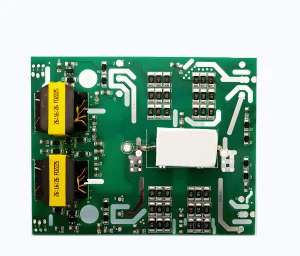
Russian industrial workshops rely heavily on localized machinery like the ZX7 inverter series. These systems demand robust driver boards capable of switching high currents with zero gate-driver noise. This is achieved by utilizing heavy copper PCBs (exceeding 2oz or 3oz outer layer thickness) to handle massive currents without overheating, alongside precise SMT and DIP mounting to secure heavy capacitors, IGBT drivers, and protective heatsinks.
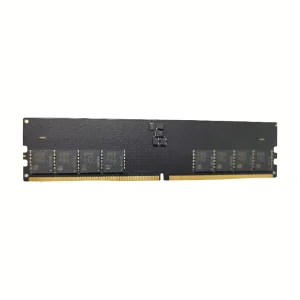
As computational demands rise, localized server farms require dense memory modules (DDR4/DDR5) and thermal management systems capable of maintaining operation 24/7. Modern DDR5 architectures run at speeds exceeding 4800MHz, where even micro-millimeter mismatches in PCB trace lengths cause transmission errors. With 85 R&D engineers, CoreByte optimizes signal line matching and utilizes multi-layer design rules to eliminate cross-talk and maximize bandwidth for server infrastructures.
Detailed insights on logistics, testing standards, component replacement, and localized technical optimization.
Thermal stability is dictated by the Glass Transition Temperature (Tg) of the laminate and the Coefficient of Thermal Expansion (CTE). We recommend using high-Tg materials (Tg > 170°C) and specifying Immersion Silver or ENIG surface finishes to maintain solder-joint flexibility and prevent fracturing. Additionally, high-quality acrylic or polyurethane conformal coating protects the board against humidity condensation during temperature drops.
We work with established freight forwarders specializing in logistics corridors connecting Chinese manufacturing hubs (Shenzhen/Guangzhou) with Russian cities. We utilize direct rail freight (fast transport via Manzhouli/Zabaikalsk border posts) and multimodal sea-land transport (via Vladivostok) to guarantee reliable schedules, complete customs documentation, and seamless import processing.
Yes, our component sourcing team has access to over 1,200 supply chain partners. If a specific western IC, MOSFET, or controller chip is unavailable, our engineers cross-reference electrical metrics to recommend and source highly reliable, functionally equivalent components that drop directly into your existing footprints.
Every batch undergoes standard industrial-grade validation: 100% Automated Optical Inspection (AOI) to find solder Bridge and void defects, Flying Probe/Electrical testing for trace continuity, high-temperature aging chambers to test stress performance over time, and automated X-ray inspection for complex BGA packages.
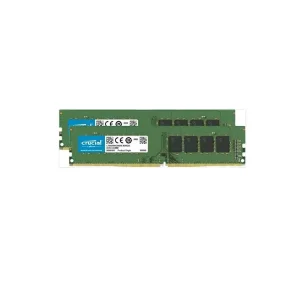
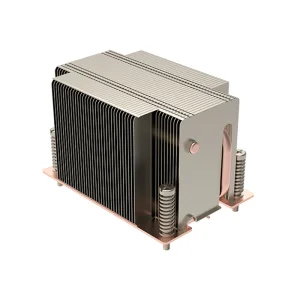
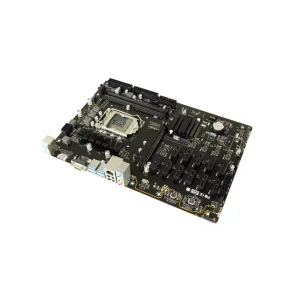
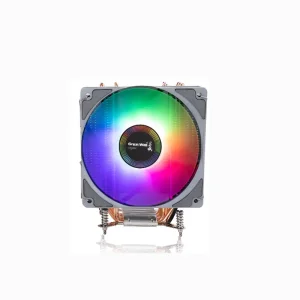
Enterprise memory, high-performance computing components, and thermal dissipation systems designed to complete your industrial assembly needs.
 CoreByte