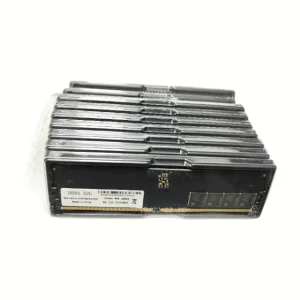
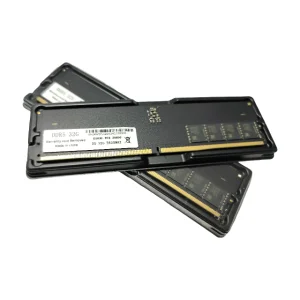
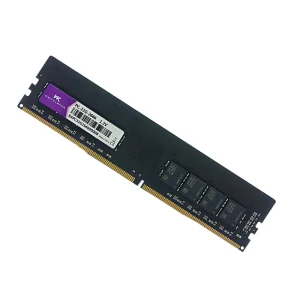
Pre-validated DDR3, DDR4, and DDR5 solutions configured specifically for the high-workload processing systems of the Texas Energy Corridor.
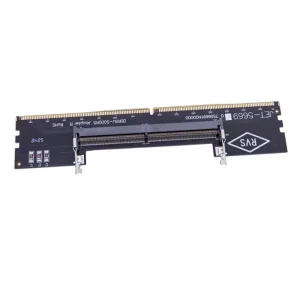
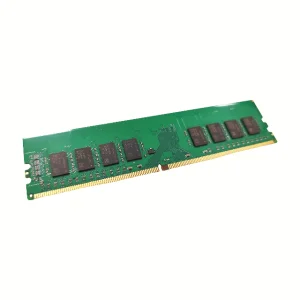
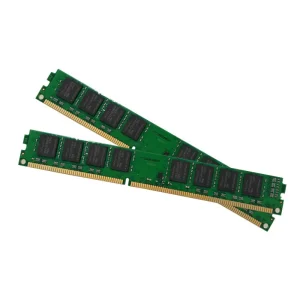
The global dynamic random-access memory (DRAM) market is a critical pillar of modern digital infrastructure. As dynamic application environments scale up, the manufacturing of desktop DDR RAM modules requires an intricate synergy between primary wafer fabs and precision module manufacturers. Raw DRAM chips, fabricated by the world’s leading foundries, must undergo meticulous packaging, circuit architecture optimization, and validation on high-speed Printed Circuit Boards (PCBs) to become robust memory solutions.
For global OEMs, enterprise server farms, and specialized systems integration markets, source consistency is paramount. A major disruption in any subsegment of raw wafer processing affects final memory availability downstream. As an established memory module manufacturer, CoreByte Storage Technology Co., Ltd. orchestrates advanced SMT assembly lines, implementing stringent quality control protocols that bridge raw semiconductor components into industrial-grade modules ready for high-reliability systems.
To survive modern computing workloads, DDR memory modules must incorporate features such as optimized power distribution networks, robust signal lines, and high-frequency stability. Our global distribution channels ensure that system builders from East Asia to North America receive components validated to uniform JEDEC standards, insulating supply chains from volatility and performance variability.
Houston, Texas, is not merely an energy capital—it is an epicenter of high-performance computing (HPC), aerospace engineering, healthcare systems, and expanding data center infrastructures. These industries mandate memory reliability that far exceeds generic consumer standards.
Seismic imaging and reservoir simulation tools process petabytes of raw data. Large-capacity DDR5 ECC modules provide the bandwidth and error-prevention required to sustain multi-day computational runs without crash risks.
Adjacent to NASA Johnson Space Center, aerospace contractors demand memory sub-systems that tolerate strict operating conditions. Low-latency, thermal-managed RAM boards ensure precision engineering models deploy flawlessly.
The Texas Medical Center requires continuous data processing. Next-gen genomic sequencing and real-time medical imaging systems depend on DDR5 RAM to handle memory-mapped database operations.
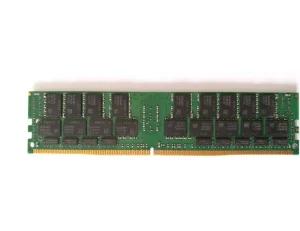
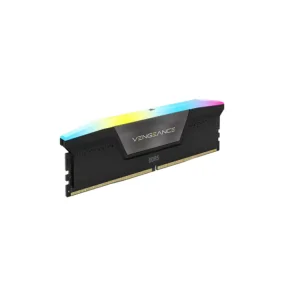
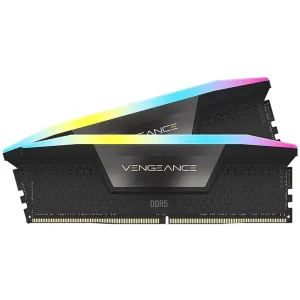
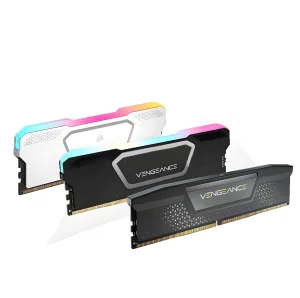
Premium high-speed DDR5 modules designed for heavy workstation loads, hardware virtualization, and advanced industrial operations.
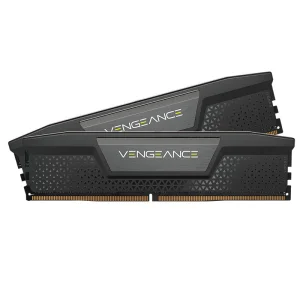
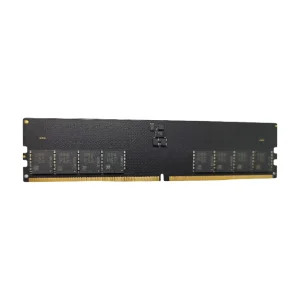
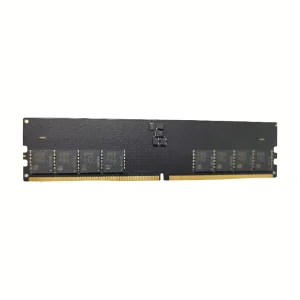
Understanding structural differences between memory standards is essential for infrastructure planning. DDR5 brings fundamental updates in power management and error correction.
| Specification | DDR4 Standard | DDR5 Standard | CoreByte Advantages |
|---|---|---|---|
| Data Rates (MT/s) | 1600 - 3200 MT/s | 4800 - 8400+ MT/s | Custom binning for stable overclock profiles |
| Operating Voltage | 1.2V | 1.1V | Decreased thermal envelope for density setups |
| Power Management | Motherboard Controlled | On-Module PMIC (Integrated Circuit) | Enhanced localized voltage regulation |
| Channel Architecture | Single 64-bit Channel | Dual 32-bit Subchannels | Doubled concurrency for multi-threaded systems |
| Error Correction (ECC) | Requires Sideband ECC (RDIMM) | On-Die ECC + Optional Sideband ECC | Double-layer reliability verification for server lines |
| Maximum Die Density | 16 Gb | 64 Gb | Enables single-module high-density layouts |
Large Language Models (LLMs) and deep neural network training pipelines require continuous, low-latency access to parameter weights stored in active memory. While GPU VRAM remains the primary location for operational tensor calculations, system DDR5 serves as the vital staging area. High-frequency desktop and server DDR5 RAM modules allow for faster host-to-device data transfers via PCIe Gen 5 buses, eliminating data ingestion bottlenecks. CoreByte’s R&D team remains dedicated to engineering 6000MHz+ modules with specialized PMIC controllers to ensure stable, heat-resistant operation under continuous compute loads.
CoreByte Storage Technology Co., Ltd. is a professional DDR5 memory and DRAM solution manufacturer specializing in high-performance memory modules for global OEM, enterprise, and data center applications. Established in 2016, the company has developed strong capabilities in R&D, production, and international trade, focusing on stable, high-speed, and energy-efficient memory products.
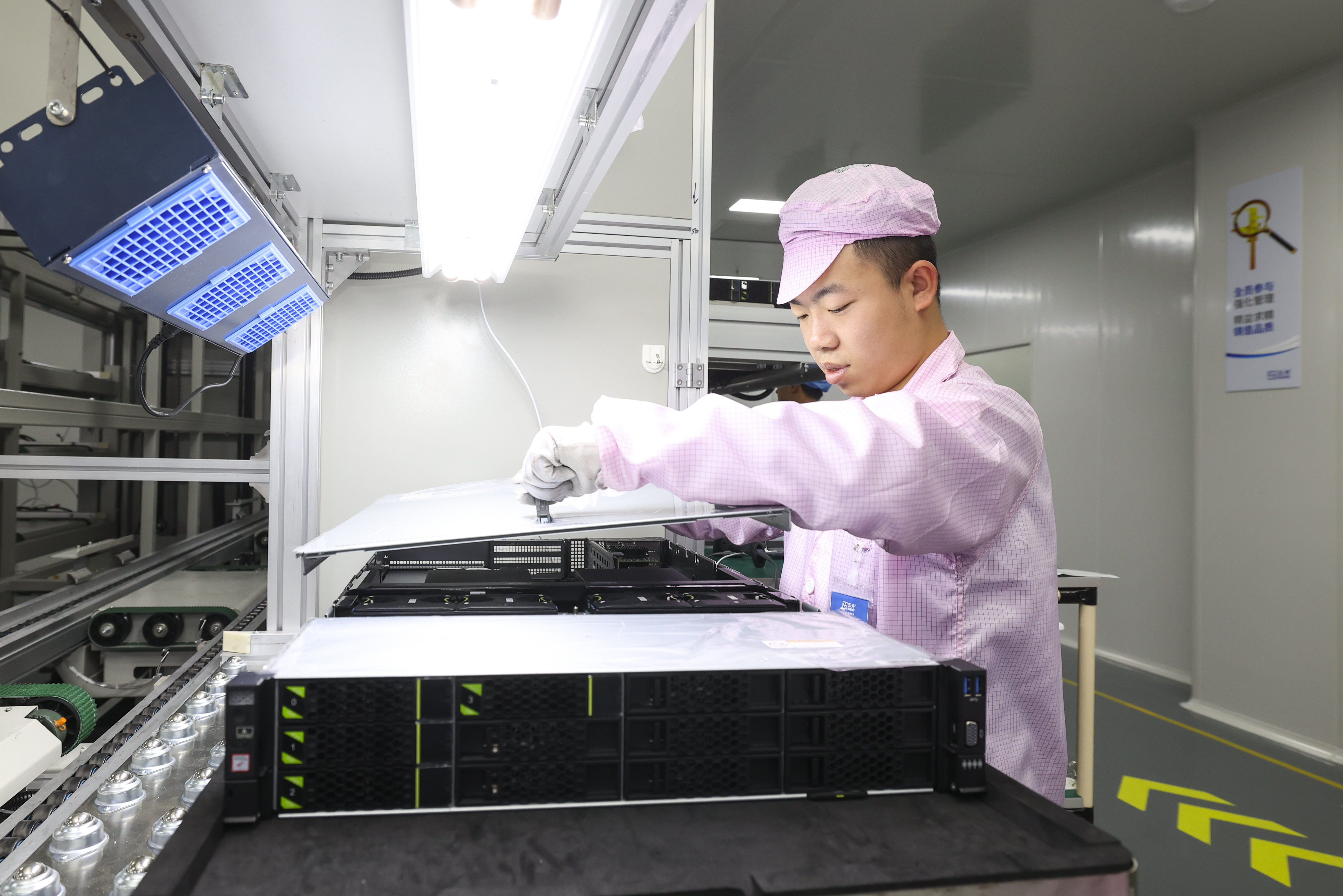
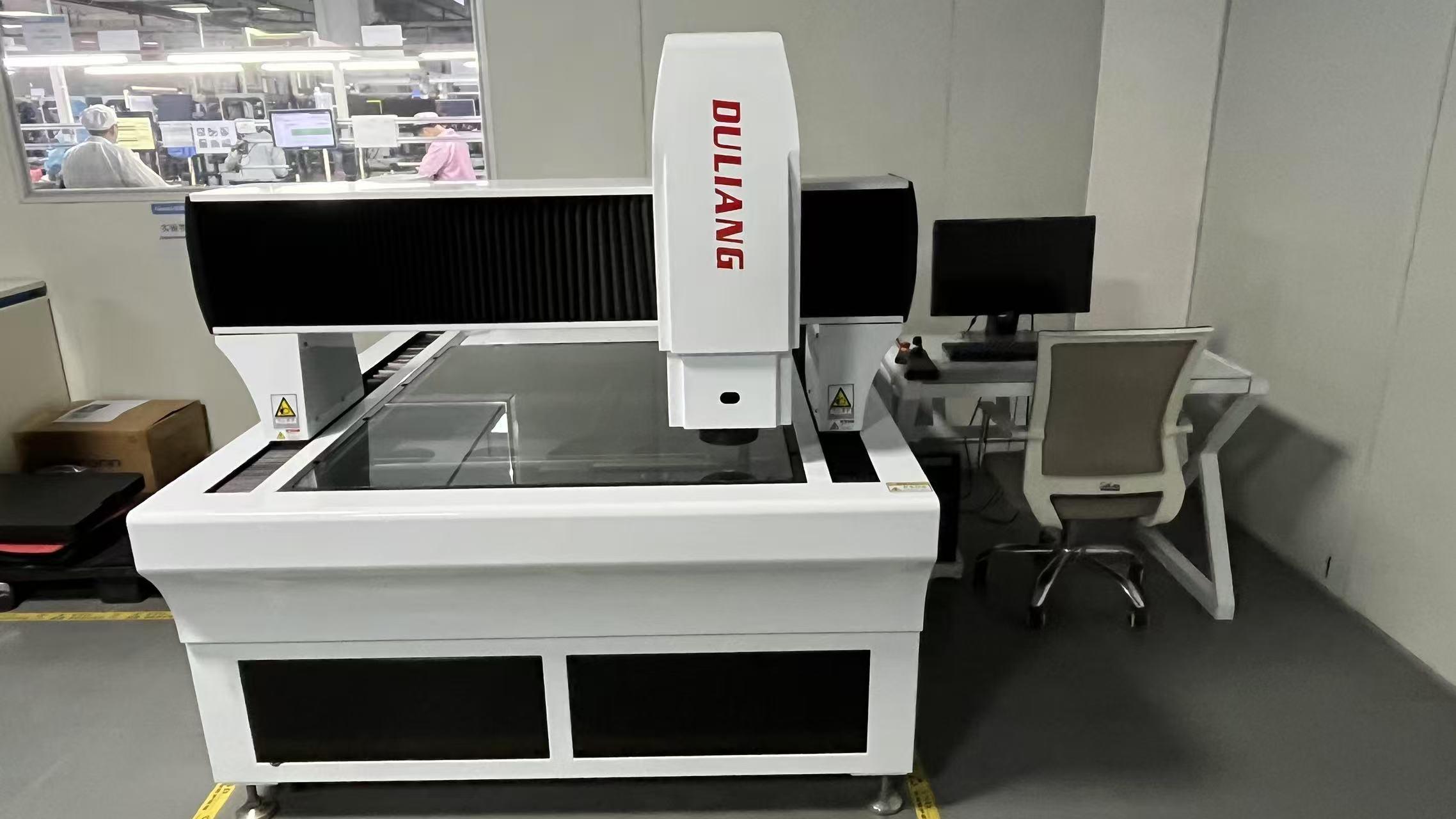
Quality assurance is a core priority at CoreByte. The company implements ISO9001-based quality management systems, combined with automated optical inspection (AOI) and high-temperature aging tests to ensure product stability and compatibility. The quality control team consists of 45 dedicated inspectors, ensuring every batch meets international performance standards.
Operating a modern manufacturing facility with a total building area of approximately 320㎡, we leverage advanced production and testing equipment to ensure strict quality control. CoreByte maintains an annual export revenue of around USD 12 million, backed by 6 years of export experience and over 9 years of industry experience in memory and semiconductor-related solutions.
We work with more than 1,200 supply chain partners, enabling production stability and fast delivery times. With 85 dedicated R&D engineers, we continuously launch approximately 120 new product models annually to meet evolving market demands in AI computing, cloud infrastructure, and high-performance gaming systems.
Our validation process exposes modules to high-temperature thermal chambers, simulating standard operational stress. Memory chips undergo speed-binning to verify they match specified JEDEC or XMP profiles before shipping to partners.
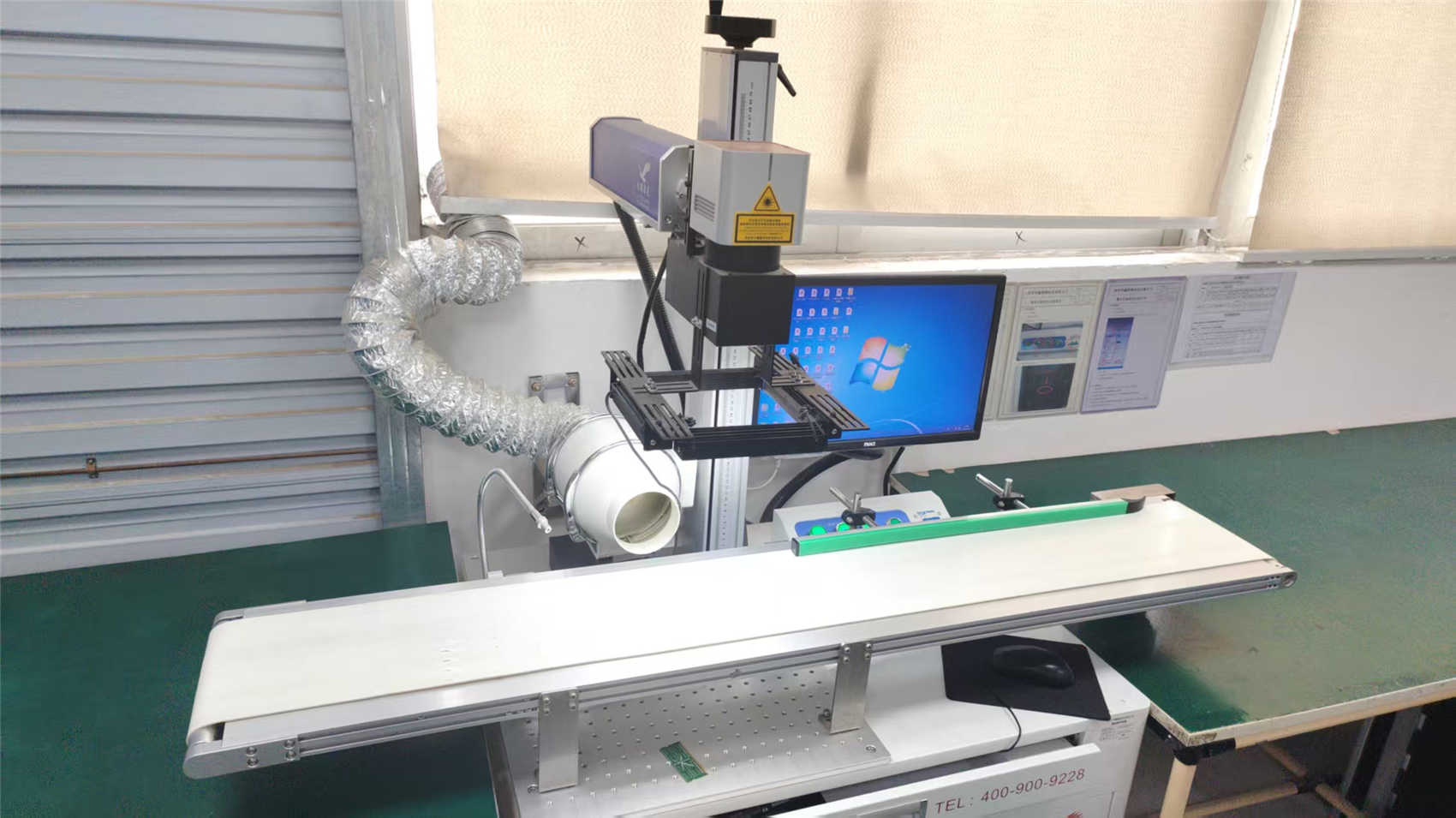
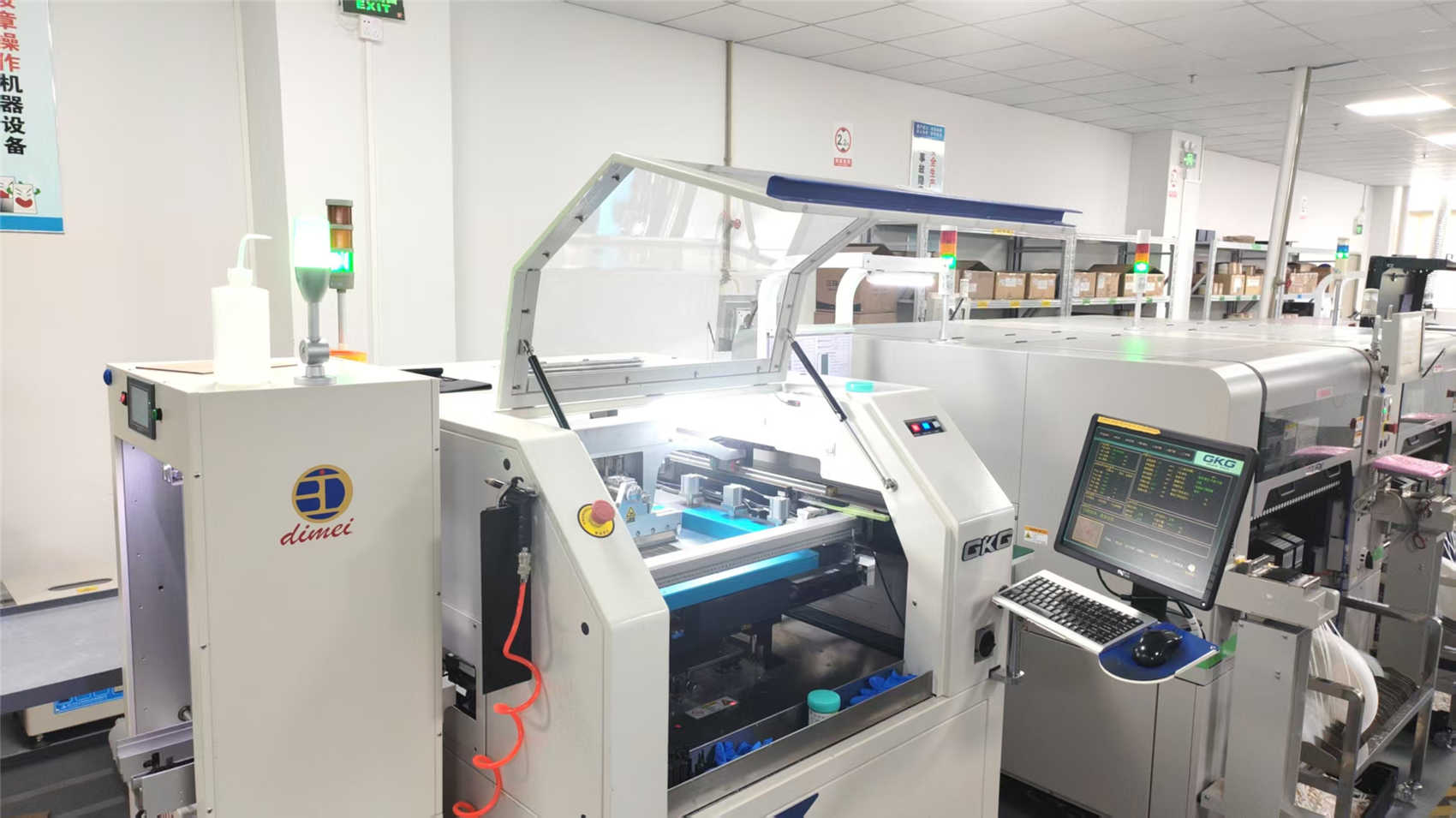
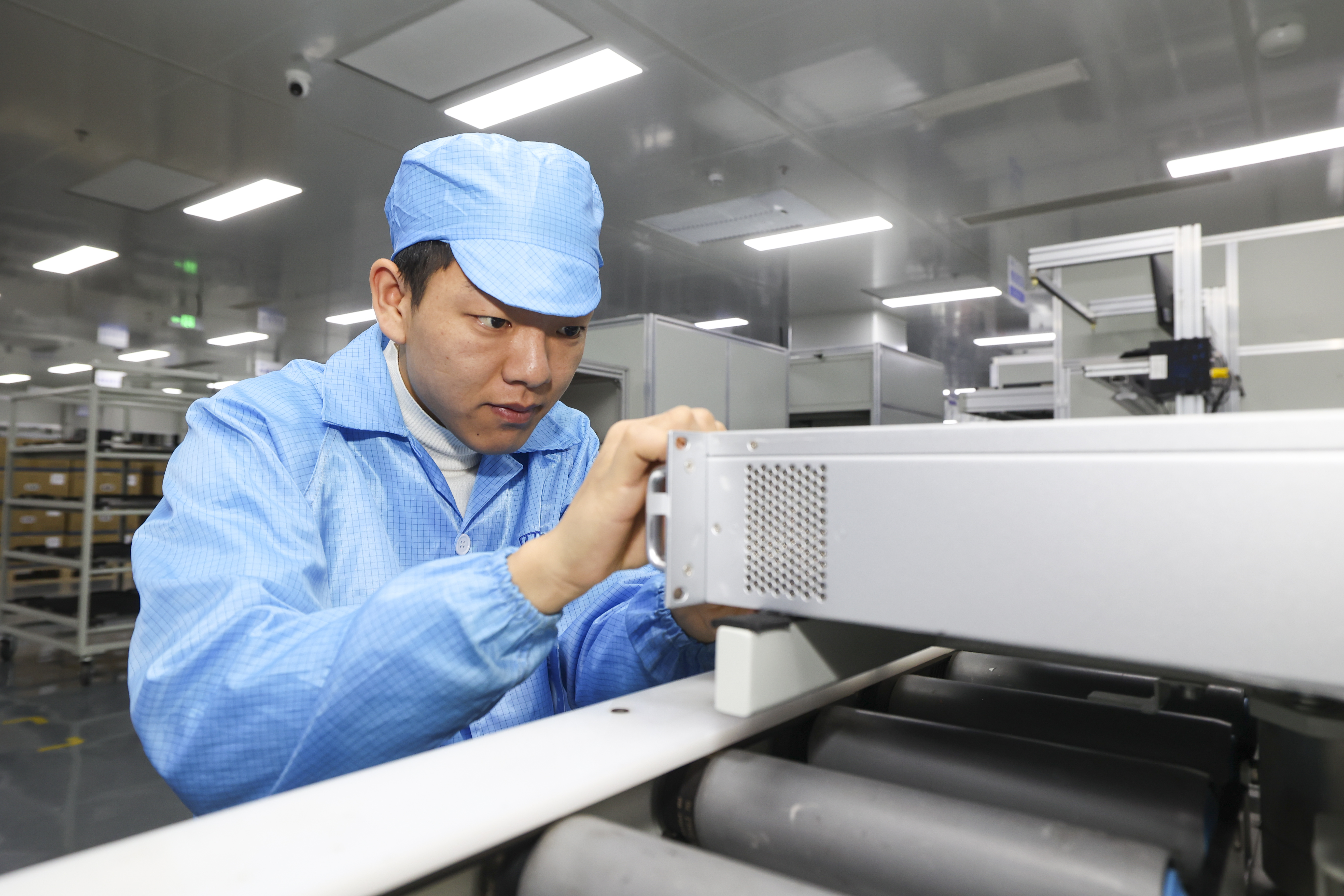
From initial PCB design to customized thermal management, CoreByte delivers tailored solutions for systems integrators and enterprise deployments.
We work with clients to design customized multi-layer PCBs, modify CAS latency profiles, and adjust JEDEC registers to resolve targeted compatibility challenges.
Our solutions feature custom-engineered aluminum and copper heatsinks designed for environments with restricted airflow, including 1U/2U server chassis.
We provide full white-label manufacturing with customized packaging, SPD programming, and tracking serializations for global supply chain visibility.
Expert insights on selecting, installing, and managing high-density memory modules.
DDR5 On-Die ECC (ODECC) is built directly into every DDR5 DRAM die to correct single-bit errors within the cell array before data is output to the host. Sideband ECC (found in ECC RDIMMs and specialized workstations) includes additional data lines to correct transmission errors between the memory module and the CPU. Combining both technologies provides redundant error correction suitable for high-reliability workstation environments.
We maintain a validation library featuring Intel and AMD motherboards and processors. Each production batch undergoes automated optical testing followed by system-level boot tests using target platforms to verify that memory timings conform to JEDEC standards.
DDR4 relies on the motherboard to convert and manage the 1.2V memory power rail. DDR5 shifts power management to an onboard Power Management Integrated Circuit (PMIC) on the module. This layout reduces motherboard design complexity, lowers noise, and improves voltage stability at high frequencies. However, it requires active heat dissipation to prevent thermal throttling on the PMIC.
Integrators can contact our engineering team to discuss target specifications, thermal constraints, and validation requirements. We coordinate sample production, compatibility runs, and delivery schedules to fit manufacturing pipelines.
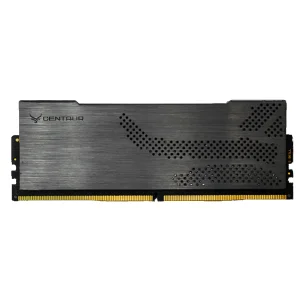
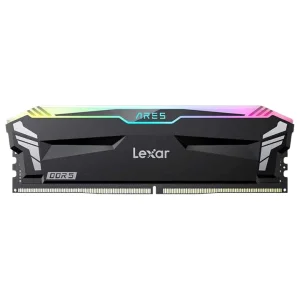
Explore our complete catalog of enterprise-grade, gaming, and specialty memory modules validated for global deployment.
Our engineering and production teams are ready to support your deployment needs. Connect with us to discuss design specifications, volume pricing, and validation requirements.
 CoreByte