Explore our primary collection of thermal management solutions, core processor components, and high-frequency memory systems designed to operate reliably under heavy workloads.
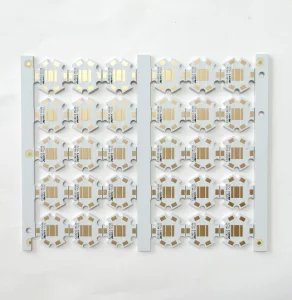
The global transition towards high-performance Solid State Lighting (SSL) has reshaped the PCB manufacturing sector. No longer confined to basic FR4 substrates, modern industrial applications demand high thermal performance, extreme durability, and precise electrical routing. Metal Core Printed Circuit Boards (MCPCBs), particularly aluminum substrates, are now critical components across a wide range of industries including automotive assemblies, telecommunication enclosures, power grid equipment, and computing architectures.
As micro-LED and high-power LED matrices become more common, managing heat generation is the most critical challenge for engineers. High temperatures lead to chromaticity shifts, reduced lumen output, and a shorter product lifespan. Consequently, sourcing reliable substrates with high thermal conductivity is essential for global infrastructure projects. Aluminum-clad laminates have become the industry standard because of their high mechanical strength, dimensional stability, and efficient heat dissipation properties.
By working with CoreByte Storage Technology Co., Ltd., global OEMs gain access to advanced thermal management, high-performance electronics assembly, and customized PCBA services. We support our customers through every stage of development, from initial engineering design and prototype verification to high-volume manufacturing and global logistics.
CoreByte has built a strong global supply chain with more than 1,200 partners. We ensure stable material supply, high production capacity, and reliable global delivery across North America, Europe, Southeast Asia, and the Middle East.
Understanding how Metal Core PCBs transfer heat is essential for designing durable, high-power LED systems.
Our Aluminum PCBs use premium 5052 or 6061 alloy bases. These alloys provide excellent structural rigidity and low thermal expansion (CTE), protecting delicate surface-mount components from solder joint fatigue and mechanical stress.
The dielectric layer acts as an electrical insulator while facilitating rapid heat transfer. With thermal conductivity ratings ranging from 1.0 W/m·K to 3.0 W/m·K, our boards maintain high dielectric breakdown strength to prevent circuit shorting.
Using 1oz to 3oz copper foil layers, our designs maximize electrical efficiency and minimize resistance-induced heating, ensuring stable power delivery to high-density LED arrays and power inverter circuitry.
Standard FR4 circuit boards have a low thermal conductivity of roughly 0.25 W/m·K. This means heat remains trapped near the LED chip. In contrast, Aluminum-backed PCBs can achieve thermal conductivity ratings up to 10 to 12 times higher, allowing heat to flow efficiently into external heatsinks. This keeps the LED junction temperature below the critical 85°C limit, extending the operating life of high-power arrays.
Modern industrial and municipal setups require more than just raw light emission; they demand intelligent control systems and high-speed data processing. For example, modern smart highway light matrices rely on active sensors, wireless transceivers, and backplane microprocessors to adjust brightness levels in real time based on traffic and weather conditions.
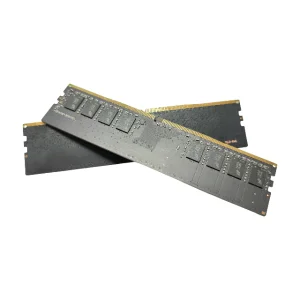
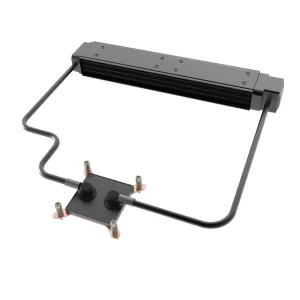
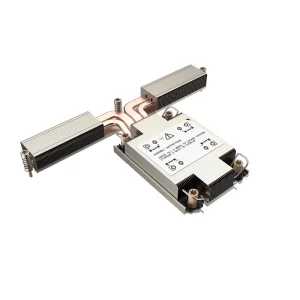
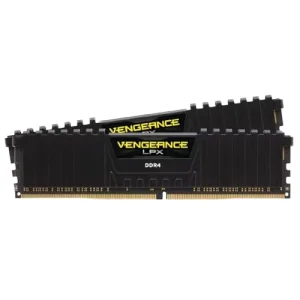
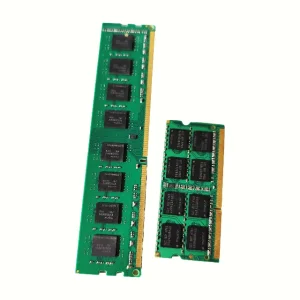
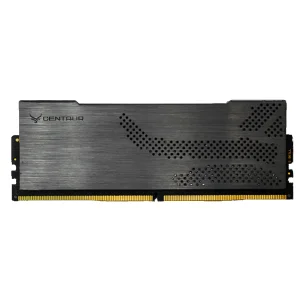
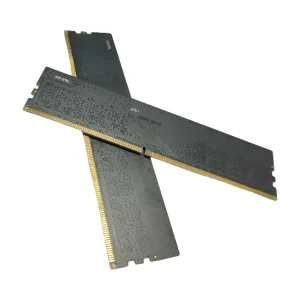
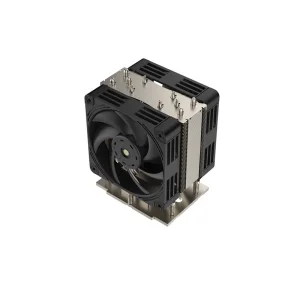
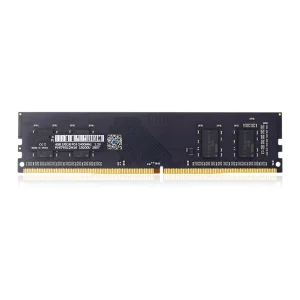
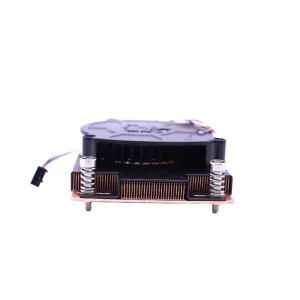
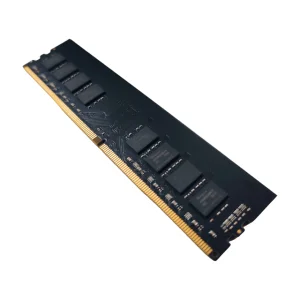
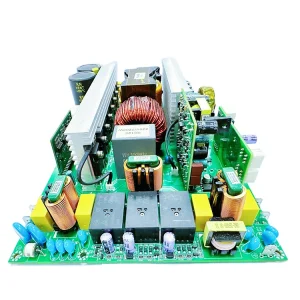
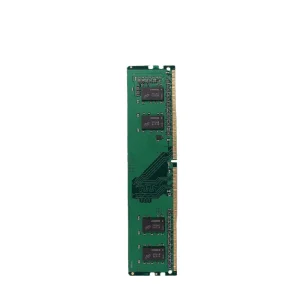
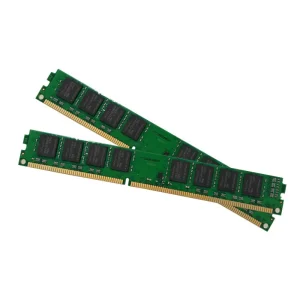
CoreByte specializes in design integration across multiple technological domains. By combining our expertise in memory storage modules (such as DDR4 and DDR5 memory modules), thermal management systems (like high-power CPU coolers and passive extruded heatsinks), and industrial PCBA manufacturing (including photovoltaic inverter assemblies), we offer complete engineering solutions for smart infrastructure projects.
This integrated engineering approach helps prevent common system bottlenecks, such as signal latency between sensors and control units or thermal issues in high-density power enclosures. From solar-powered LED systems using our custom PCBA inverters to high-frequency processing units cooled by our liquid or passive thermal systems, we ensure all components work together seamlessly.
Our custom thermal designs and electronic assemblies are deployed in demanding environments worldwide.
Automotive lighting systems require compact designs and excellent thermal management. Our aluminum PCB designs support high-density LED arrays for automotive headlamps, operating reliably in temperatures ranging from -40°C to +105°C while resisting engine vibrations.
Street lighting and public displays must run continuously for years. We provide aluminum-backed substrates with built-in surge protection, protecting light fixtures against voltage fluctuations and reducing the need for costly field maintenance.
Industrial greenhouse lighting requires custom spectrums and continuous operation in high-humidity environments. Our PCBs feature moisture-resistant conformal coatings and high-efficiency thermal paths, ensuring stable output for agricultural grow operations.
We provide high-frequency memory modules, passive server heatsinks, and custom backplanes for data centers. These components ensure fast data transfer rates and effective thermal management for enterprise servers and AI computing nodes.
Our forward-looking R&D efforts ensure we continue to deliver advanced electronic designs that align with emerging industrial standards.
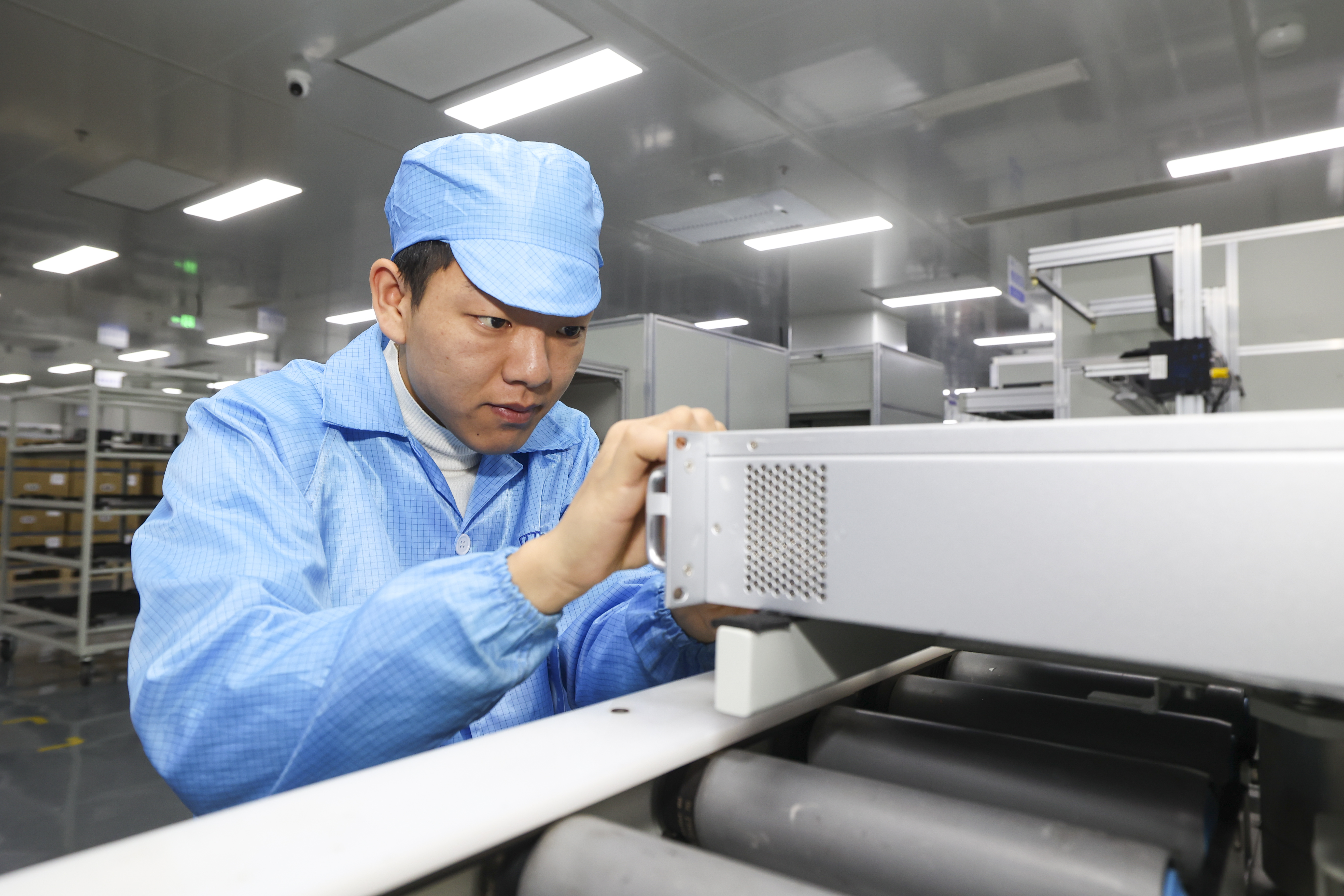
CoreByte Storage Technology Co., Ltd. is a manufacturer specializing in high-performance electronics assembly, advanced thermal management components, and high-speed memory systems. Established in 2016, we provide high-speed, stable, and energy-efficient hardware solutions for industrial applications, telecommunications, and high-performance computing centers.
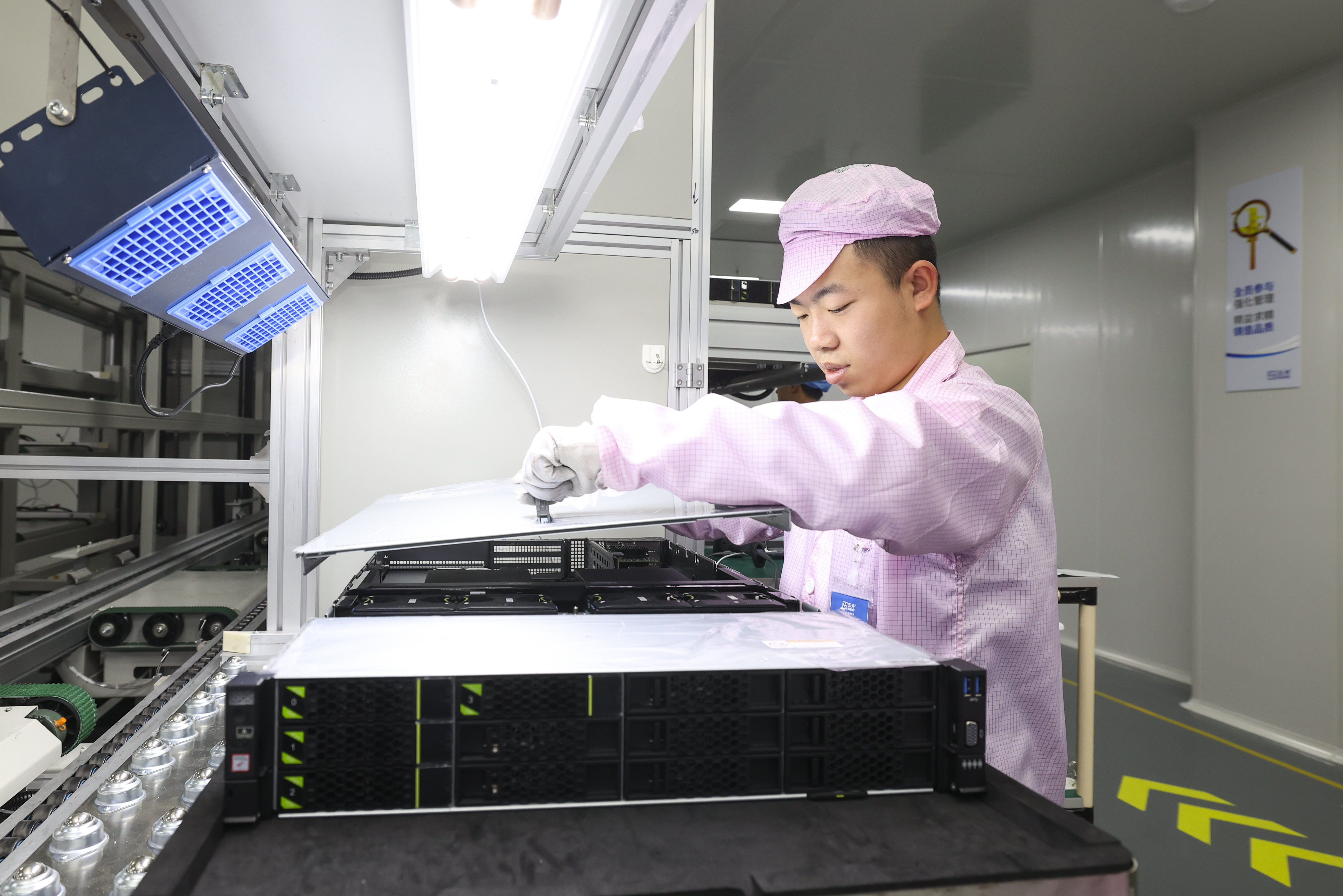
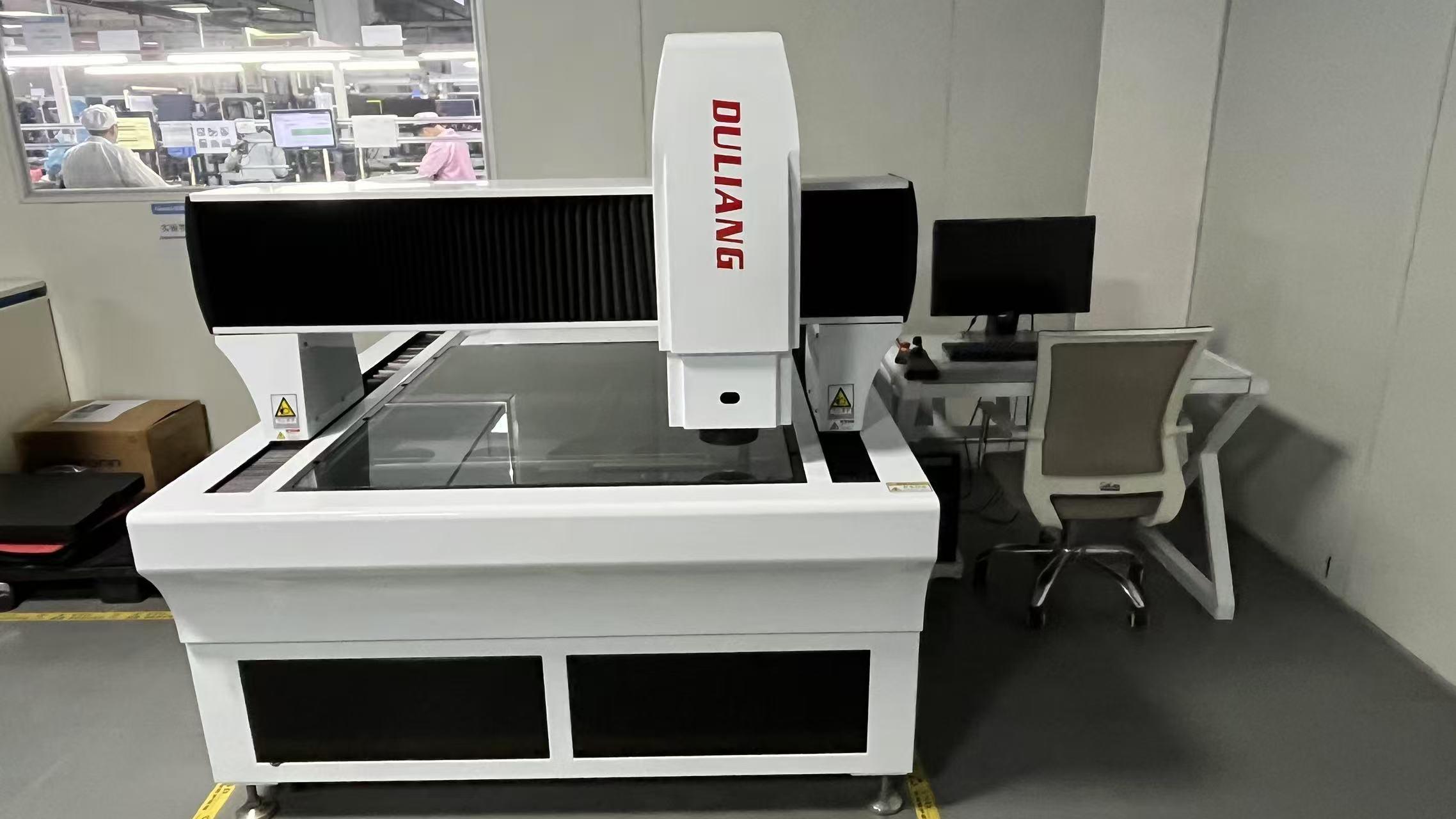
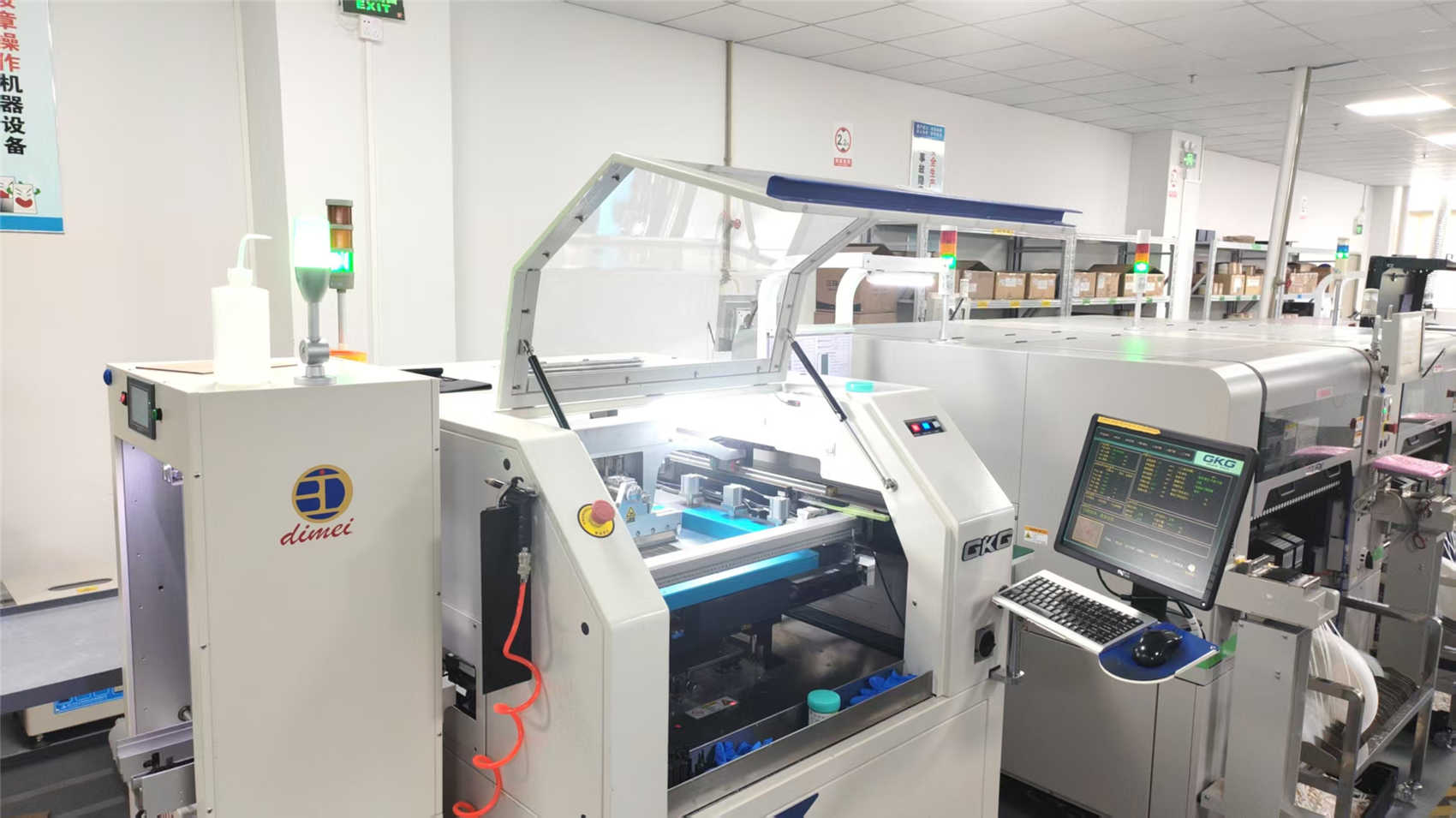
We manage our production processes using an ISO9001-certified system, combined with Automated Optical Inspection (AOI), X-ray testing, and high-temperature aging chambers. These processes ensure that all products meet international quality and performance standards before shipment.
Our engineering team specializes in custom designs, electrical optimization, and thermal layout design. By investing in continuous innovation, we develop and release approximately 120 new models annually, helping our clients stay competitive in their respective markets.
Technical answers to common questions about Metal Core PCBs, thermal design, and order customization.
Our standard aluminum substrates range from 1.0 W/m·K to 3.0 W/m·K, depending on the dielectric material selected. For applications with higher thermal demands, we can provide custom ceramic-filled layers designed to maximize heat dissipation.
Yes. We support custom board profiles, hole patterns, trace routes, and dielectric thicknesses. Our R&D team can optimize your CAD files to improve both thermal dissipation and structural strength.
Standard FR4 substrates can show significant dimensional movement under temperature changes, which can stress solder joints. Aluminum bases are much more dimensionally stable, reducing the risk of component detachment during thermal cycling.
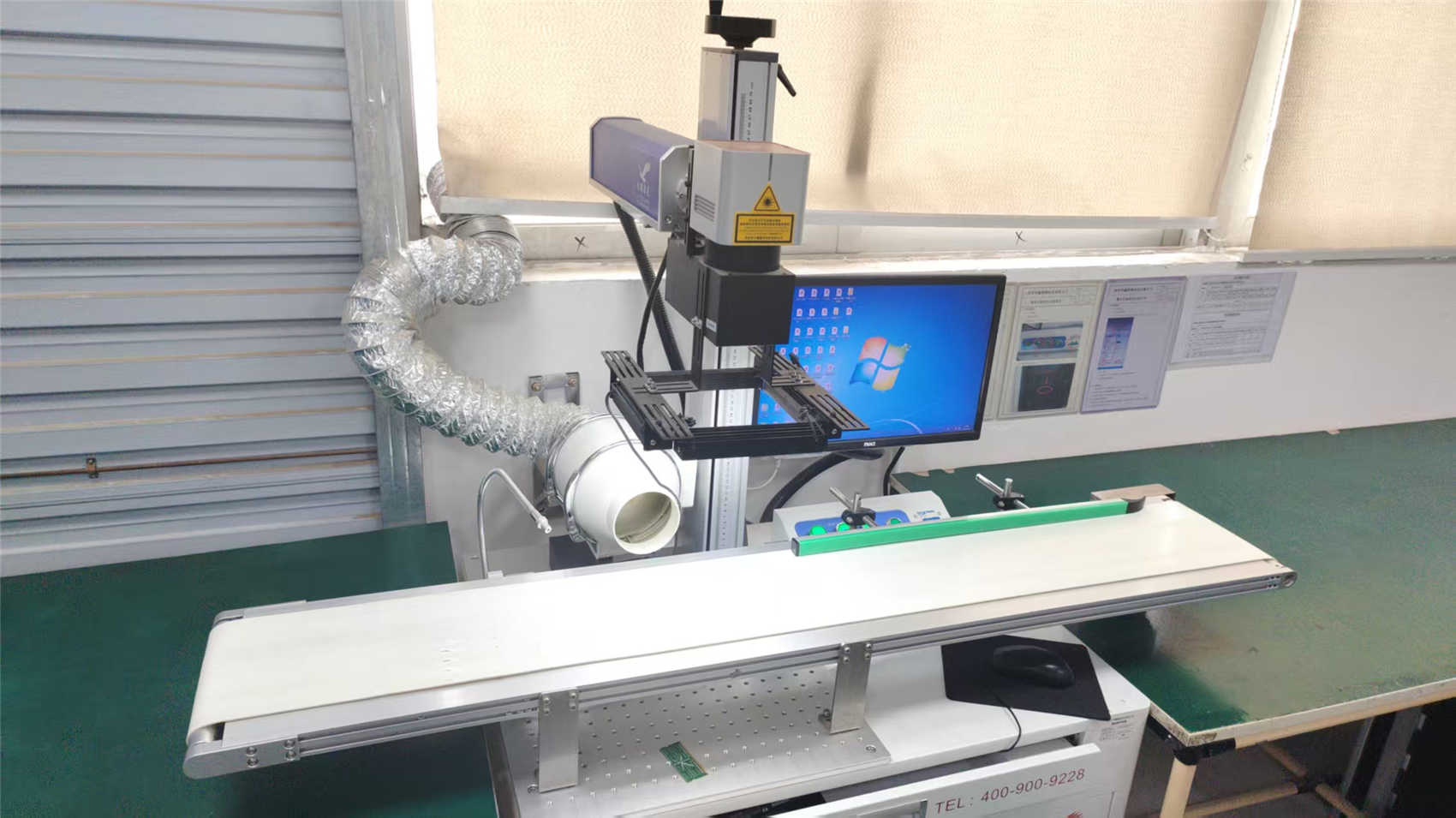
We use a multi-step verification process that includes visual inspections, Automated Optical Inspection (AOI), circuit continuity checks, dielectric breakdown tests, and temperature-controlled burn-in cycles to confirm reliability under load.
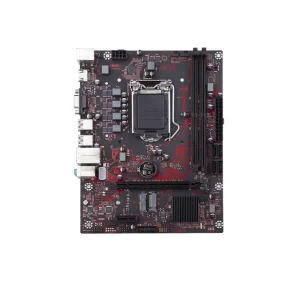
Browse our secondary selection of computing components, industrial power assemblies, and heat dissipation systems designed for continuous operation.
 CoreByte