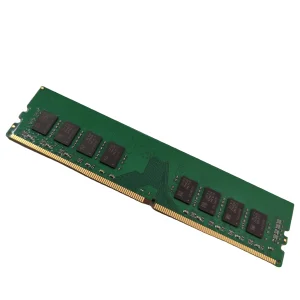
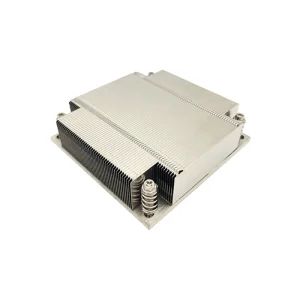
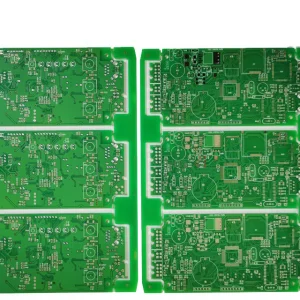
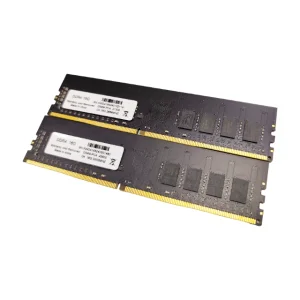
Explore our primary selection of enterprise-grade cooling solutions, PCB prototypes, and high-speed desktop memory configurations engineered for high thermal loads and demanding operational lifespans.
In the contemporary semiconductor and enterprise memory landscape, hardware stability, data processing bandwidth, and thermal dissipation resilience define the dividing line between standard systems and industrial-grade high-availability infrastructure. CoreByte Storage Technology Co., Ltd. (established in 2016) has spent nearly a decade establishing an authoritative benchmark for high-performance memory modules. Specializing in advanced DDR4, DDR5, and custom DRAM solutions, CoreByte operates as a mission-critical partner for global Original Equipment Manufacturers (OEMs), System Integrators (SIs), and hyperscale data center operations.
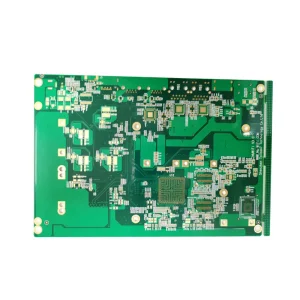
Through our dedicated R&D investments, CoreByte works at the core of the global semiconductor value chain. Our products are engineered to provide maximum processing capability, low latency profiles, and absolute long-term reliability. We control every facet of development, from initial trace routing on multi-layer PCBs to dynamic frequency tuning and extensive thermal verification.
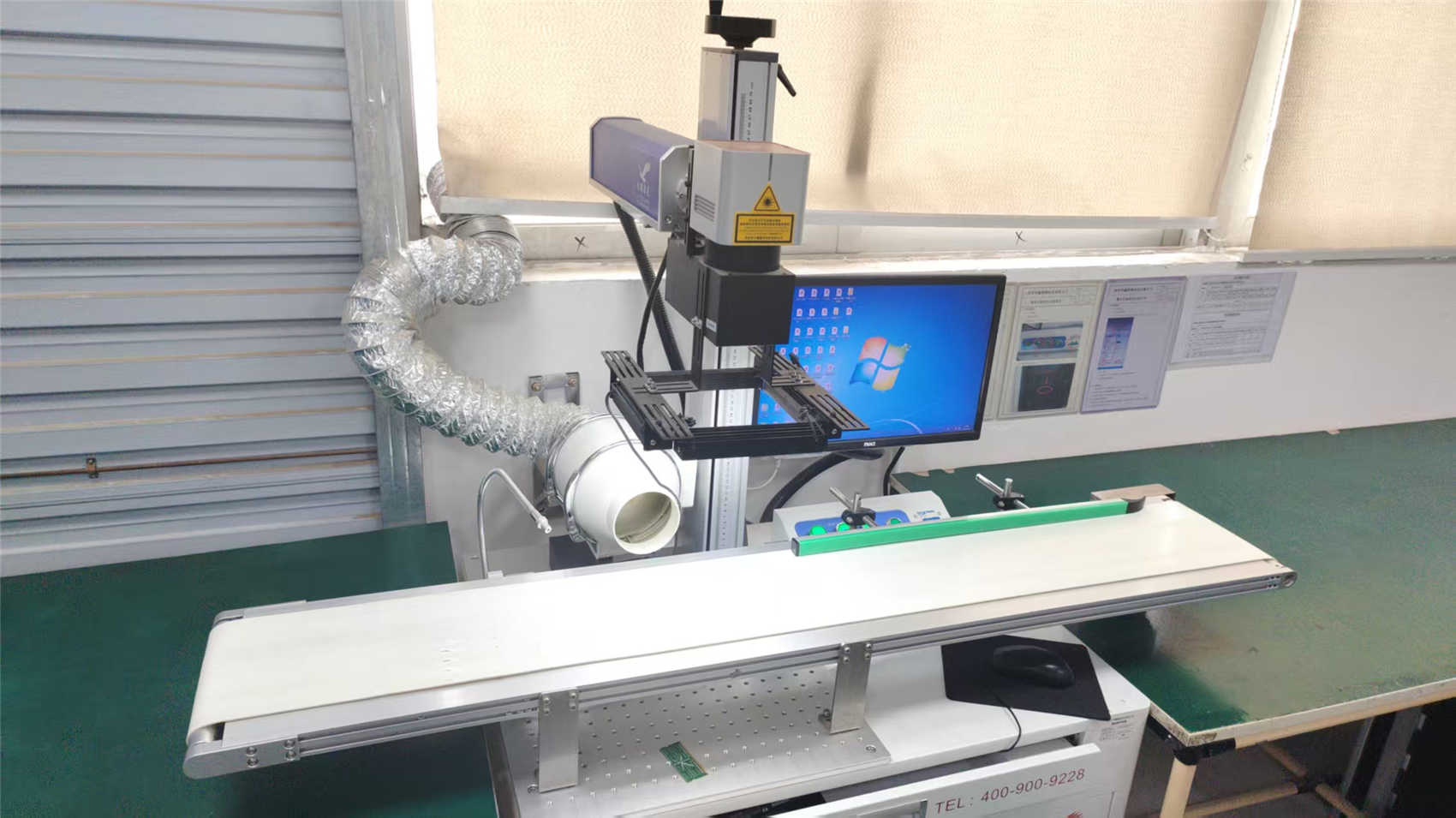
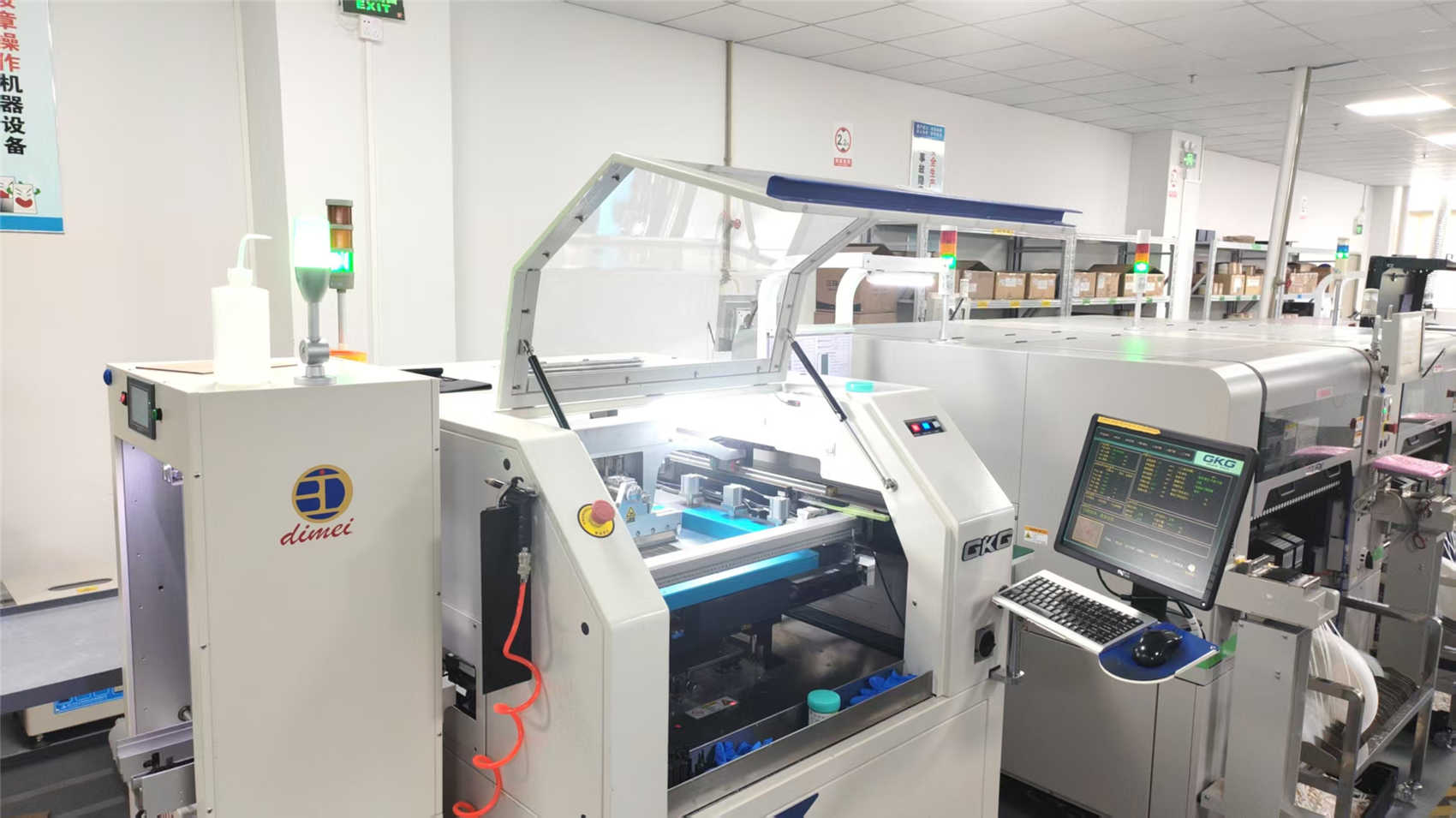
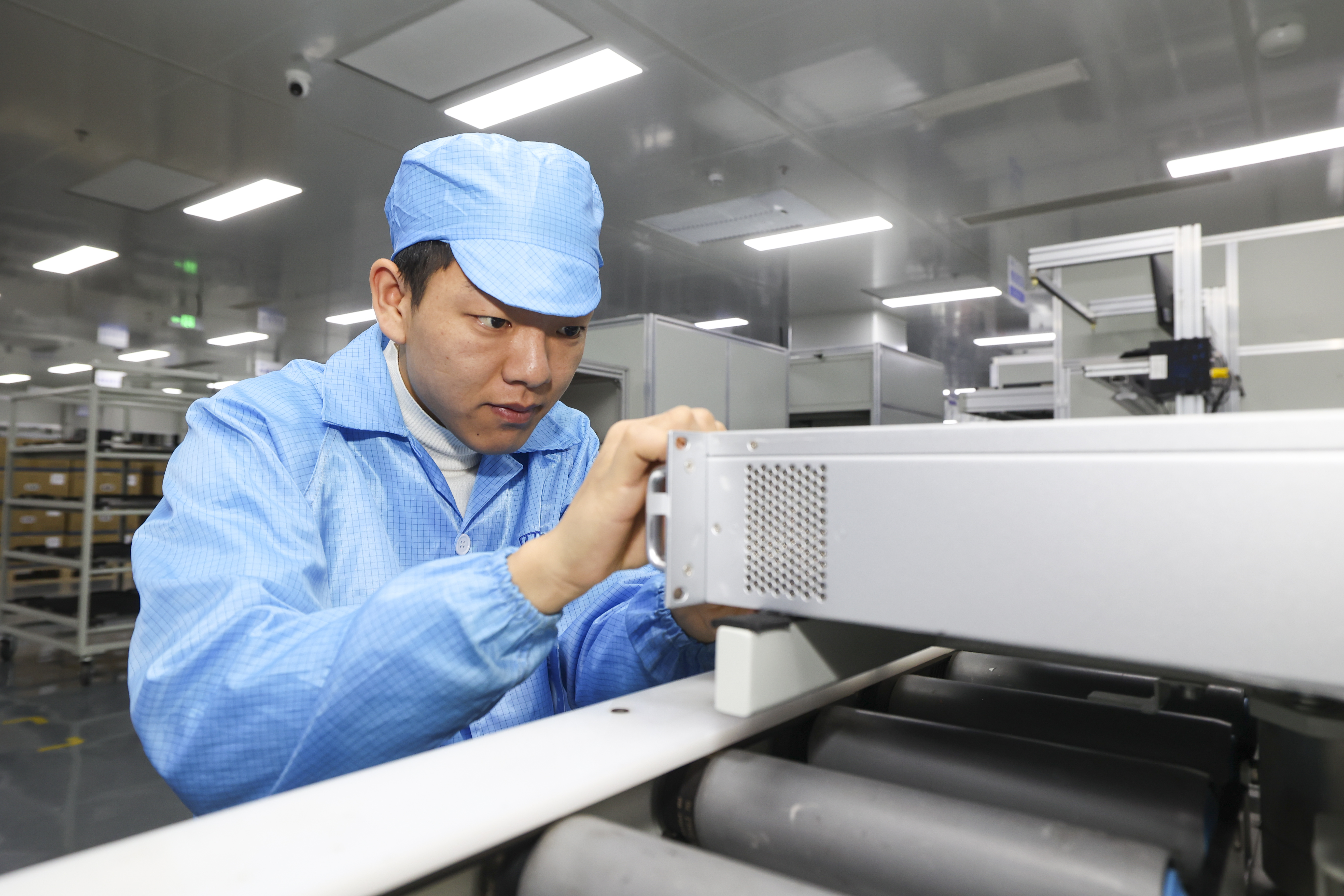
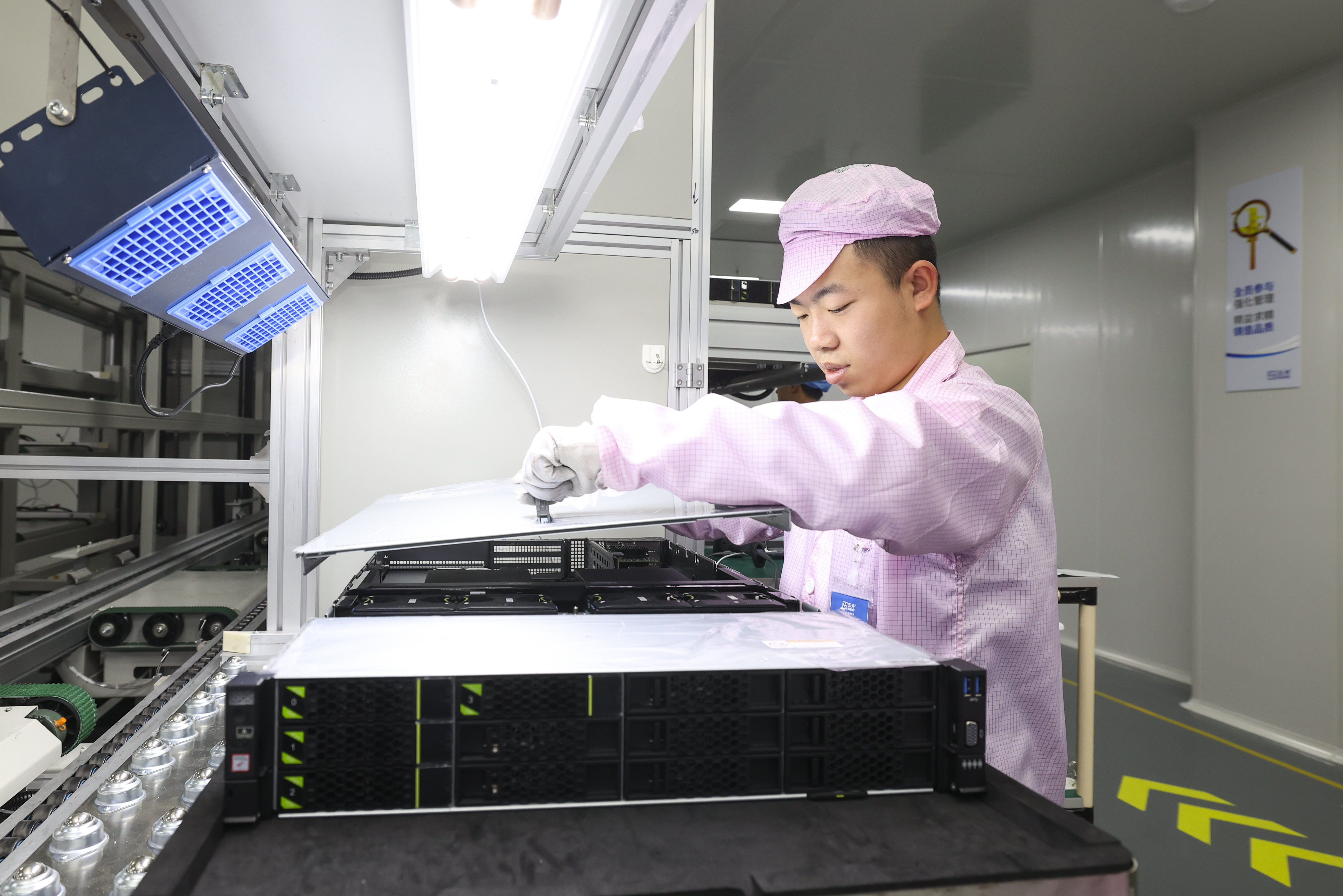
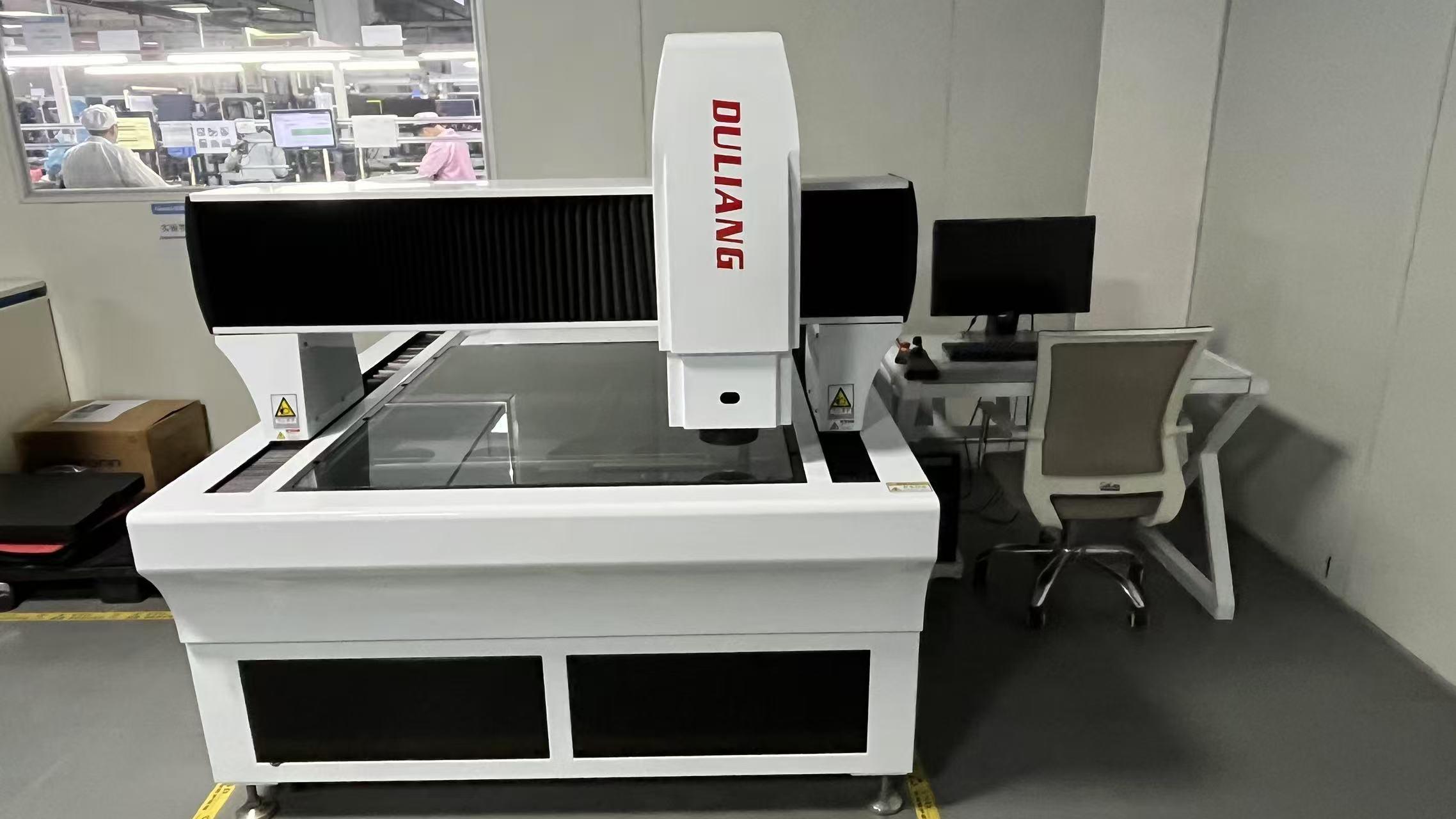
To support global computing applications, our factory floor features cutting-edge Surface Mount Technology (SMT) lines. We enforce a zero-tolerance policy against chip-level degradation. Every memory kit undergoes a multi-layer verification process, including Automated Optical Inspection (AOI), high-temperature aging test loops, and rigorous cross-platform validation. This meticulous process ensures seamless operation with both legacy hardware and modern computing chipsets.
The desktop memory architecture landscape is currently in a state of rapid transition. Driven by the aggressive resource demands of Artificial Intelligence (AI), Edge Machine Learning nodes, and heavy parallel processing workloads, the standard memory requirements have evolved. The transition from legacy DDR3 architectures to DDR4, and now the rise of DDR5, marks a major step forward in frequency, bandwidth, and module efficiency.
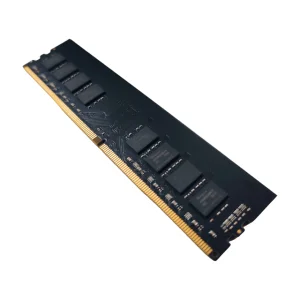
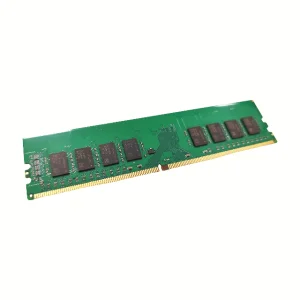
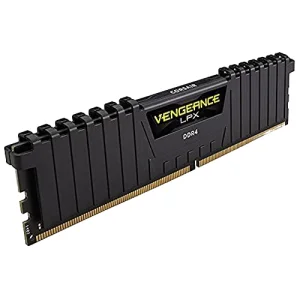
While DDR4 memory modules peaking at 3200MHz remain the workhorse of mainstream commercial systems and office PCs, DDR5 pushes frequencies past 4800MHz, reaching up to 6400MHz and beyond in high-performance environments. This performance boost is achieved through key changes in memory module architecture:
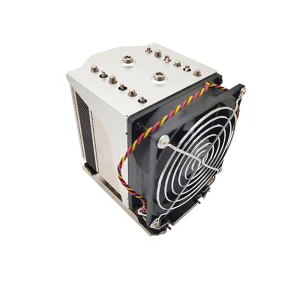
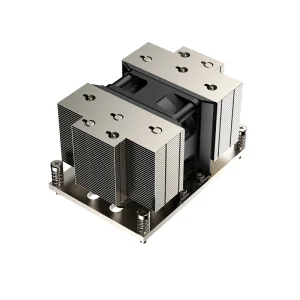
For systems handling large data flows, memory performance isn't determined by raw frequency alone. Effective bandwidth relies on matching memory bus speed with the processor's thermal profile. In high-performance desktops and industrial computers, choosing quality memory modules and pairing them with high-efficiency copper heat pipes (such as 320W or 95W server radiators) is essential to prevent thermal throttling.
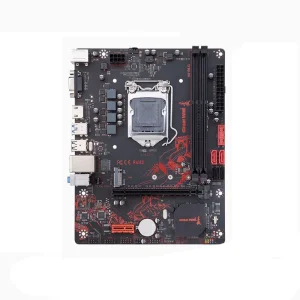
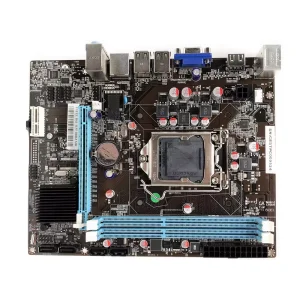
As memory frequencies climb to 3200MHz and higher, trace routing and PCB layout design become critical. Our SMT manufacturing lines utilize 8-layer to 10-layer high-impedance controlled PCBs. This prevents signal degradation, reduces crosstalk, and maintains data stability even in systems operating 24/7. When paired with high-performance desktop motherboards like the H81M-G or H61, our memory modules are designed to maintain signal integrity across long distances.
The global electronics supply chain demands both agility and consistent quality. CoreByte’s manufacturing infrastructure showcases the efficiency of China's modern Factory 4.0 ecosystem. By combining high-precision automation with a strong network of supply partners, we deliver reliable memory products on time, even during global supply shortages.
Our production line uses high-speed pick-and-place equipment capable of placing micro-passives down to 0201 packages with high accuracy. This ensures clean solder joints, low defect rates, and excellent electrical performance.
We perform Automated Optical Inspection (AOI) before and after reflow soldering, followed by X-ray checks on BGA-packaged DRAM chips. We also run high-stress thermal chamber cycles to weed out early component failures.
With over 1,200 supply chain partners, we secure high-quality original ICs, premium multi-layer PCBs, and advanced thermal solutions. This robust network helps us keep pricing competitive and lead times short.
Our production facilities maintain ISO9001 certification. With a dedicated QC team of 45 inspectors, we test every production run to ensure compliance with JEDEC standards. This rigorous control guarantees that when our memory modules arrive at system integration centers in North America, Europe, or Southeast Asia, they perform exactly to specification.
Memory requirements vary across industries. Enterprise buyers, industrial system integrators, and workstation providers need memory configurations tailored to their specific applications.
Factory floors present harsh environments with wide temperature swings, high humidity, and physical vibration. Conventional consumer RAM can suffer from copper migration, corrosion, or joint fatigue. Our industrial-grade memory modules feature thicker gold fingers (30u") and anti-sulfurization resistors. This keeps automation controllers, robot guides, and HMI units running without interruption.
From CAD rendering and 3D modeling to local code compilation, modern workstations demand high memory capacity and bandwidth. Combining 16GB or 32GB DDR4/DDR5 modules with compatible motherboards (like the H81M-G or H61 motherboard series) gives system builders a reliable platform for resource-heavy office systems and performance-focused setups.
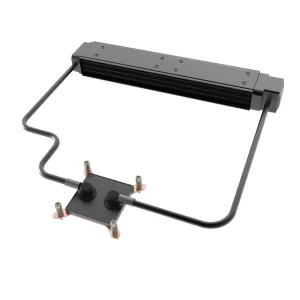
Edge cloud nodes, local storage hubs, and micro data centers require high storage density and solid thermal management. In these compact systems, cooling is just as important as memory capacity. Pairing server memory with high-power cooling solutions—like 320W LGA4189-N96 or 95W LGA115X radiators—ensures components stay cool, maintaining stability under continuous heavy use.
Buying memory modules and cooling hardware at scale requires a clear understanding of technical specifications and compatibility. Below are answers to common questions asked by system developers and sourcing managers.
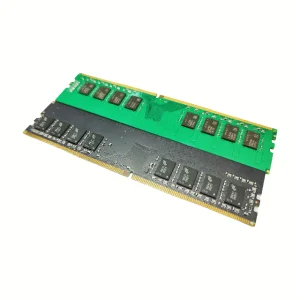
Review our full range of hardware offerings, including multi-layer PCB design services, legacy desktop motherboards, laptop memory modules, and high-speed enterprise RAM strips.
 CoreByte