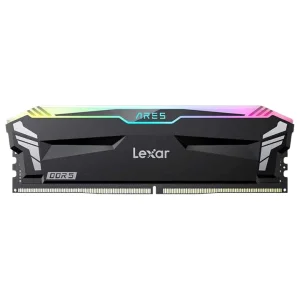
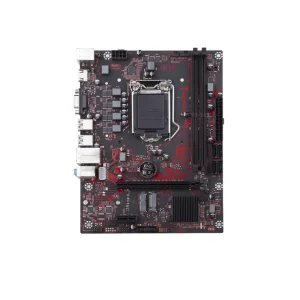
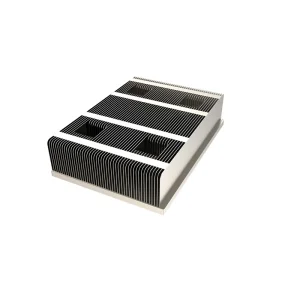
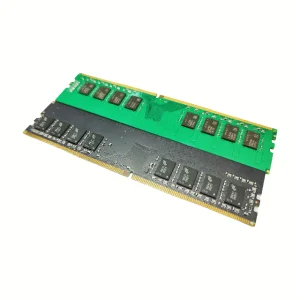
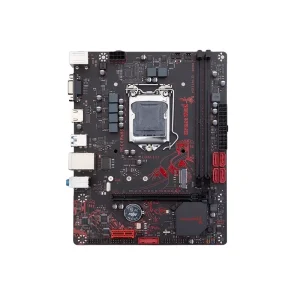
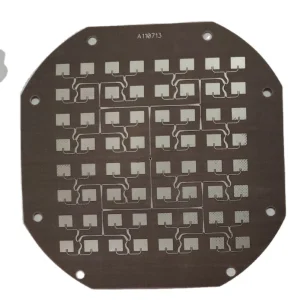
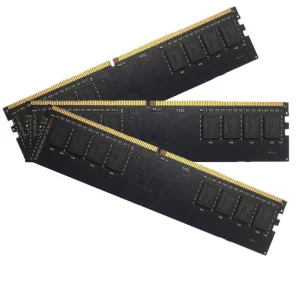
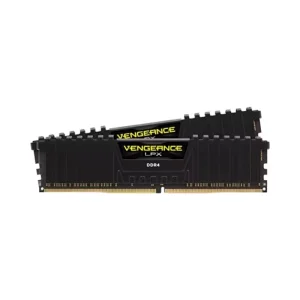
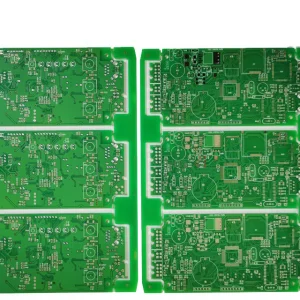
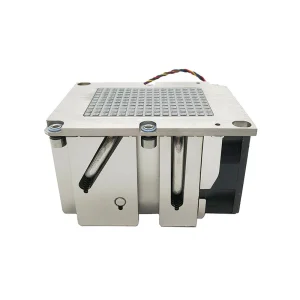
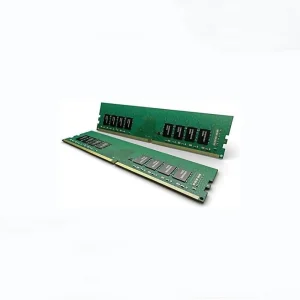
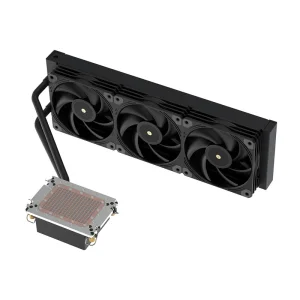
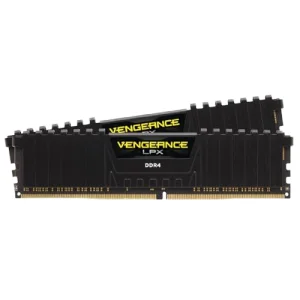
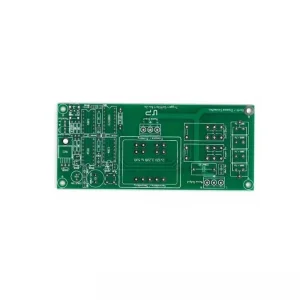
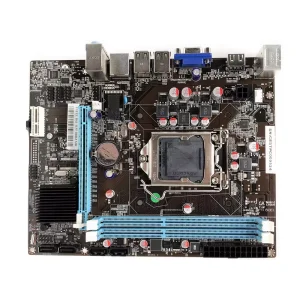
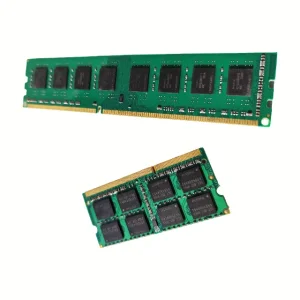
In the era of Artificial Intelligence (AI) and Big Data, the semiconductor and memory storage sector acts as the fundamental backbone of global digital infrastructure. As we navigate 2024, the demand for high-speed, reliable DRAM and memory solutions has shifted from standard consumer upgrades to mission-critical enterprise applications. Companies like CoreByte Storage Technology Co., Ltd. represent the vanguard of this transition, bridging the gap between raw manufacturing power and high-performance engineering.
The global memory market is currently witnessing a paradigm shift. With the proliferation of edge computing, data centers, and IoT devices, the procurement landscape has moved away from "price-only" models toward Total Cost of Ownership (TCO) and Quality Assurance (QA) models. Buyers today seek partners who offer E-E-A-T: Experience in silicon integration, Expertise in PCB design, Authoritative manufacturing standards, and Trustworthy supply chain consistency.
The efficiency of the Chinese semiconductor supply chain is not merely a product of lower labor costs; it is an outcome of vertical integration and operational velocity. For companies like CoreByte, being situated at the heart of this ecosystem allows for rapid iteration cycles.
Established in 2016, CoreByte Storage Technology Co., Ltd. has demonstrated that industrial stability is the most valuable currency in the memory trade. By implementing strict ISO9001-based quality management systems, the company addresses the common pitfalls of cheap, unstable RAM modules that plague the industry.
Annual Export (USD)
Supply Partners
New Models/Year
With 45 inspectors dedicated solely to Automated Optical Inspection (AOI) and high-temperature aging, the brand mitigates the "infant mortality" rate common in silicon components, ensuring that data center downtime is minimized for their global clients.
As we look toward 2025 and beyond, three core trends dominate the memory manufacturing sector:
Always request a factory audit report focusing on AOI (Automated Optical Inspection) logs and thermal cycling test results. Reliable suppliers will provide detailed QA documentation for every batch.
Buying from manufacturers like CoreByte eliminates middleman markups, ensures faster access to the latest product specifications (e.g., the latest DDR5 revisions), and provides direct engineering support for custom PCB designs.
Yes. Professional exporters typically offer heat-spreader branding, firmware adjustments, and specialized packaging tailored to the client's brand identity, allowing for a fully white-labeled product line.
 CoreByte