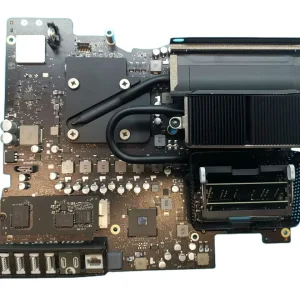
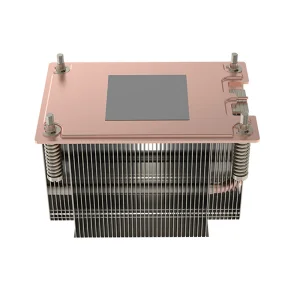
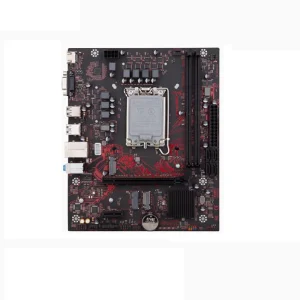
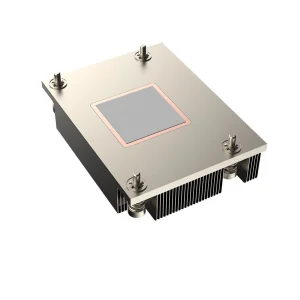
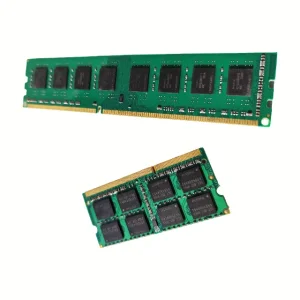
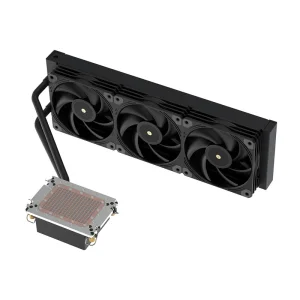
Explore high-performance computing motherboards, DRAM modules, and industrial-grade thermal cooling units powering smart communication nodes.
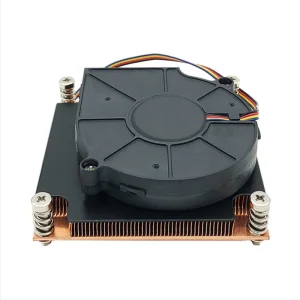
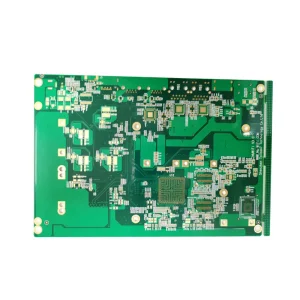
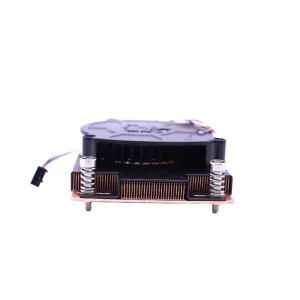
Modern industrial and enterprise applications require unparalleled reliability, continuous connectivity, and zero latency. Wireless communication modules serve as the foundational link that translates raw environmental and mechanical data into actionable intelligence. However, designing and deploying these modules involves navigating a complex ecosystem of RF (Radio Frequency) engineering, multi-layer circuit configurations, thermal dissipation management, and memory bandwidth requirements. Global system integrators are increasingly moving away from off-the-shelf standard products toward highly customized OEM/ODM wireless communication solutions designed to withstand extreme operating conditions.
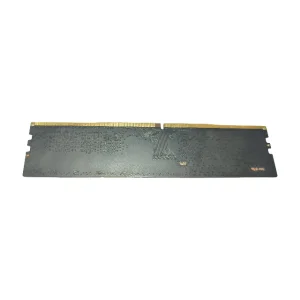
By integrating state-of-the-art baseband processors with optimized peripheral circuits, advanced wireless modules (including 5G, LTE-M, NB-IoT, and Wi-Fi 6/7) enable edge intelligence. To maintain reliable performance under continuous data transmission, these modules must be supported by robust hardware backbones. High-performance DRAM modules cache critical sensor streams, customized multilayer PCBs preserve signal integrity, and specialized copper heat sinks prevent thermal throttling. At CoreByte, we approach wireless module customization as a holistic engineering challenge, aligning RF design with system-level hardware performance.
Why leading global corporations leverage Chinese advanced manufacturing hubs for custom wireless IoT design and rapid scaling.
China hosts the world's most concentrated semiconductor and electronics assembly supply network. From raw substrate manufacturing to active RF components, raw materials are sourced locally, dramatically reducing transport lead times and vulnerability to geopolitical bottlenecks.
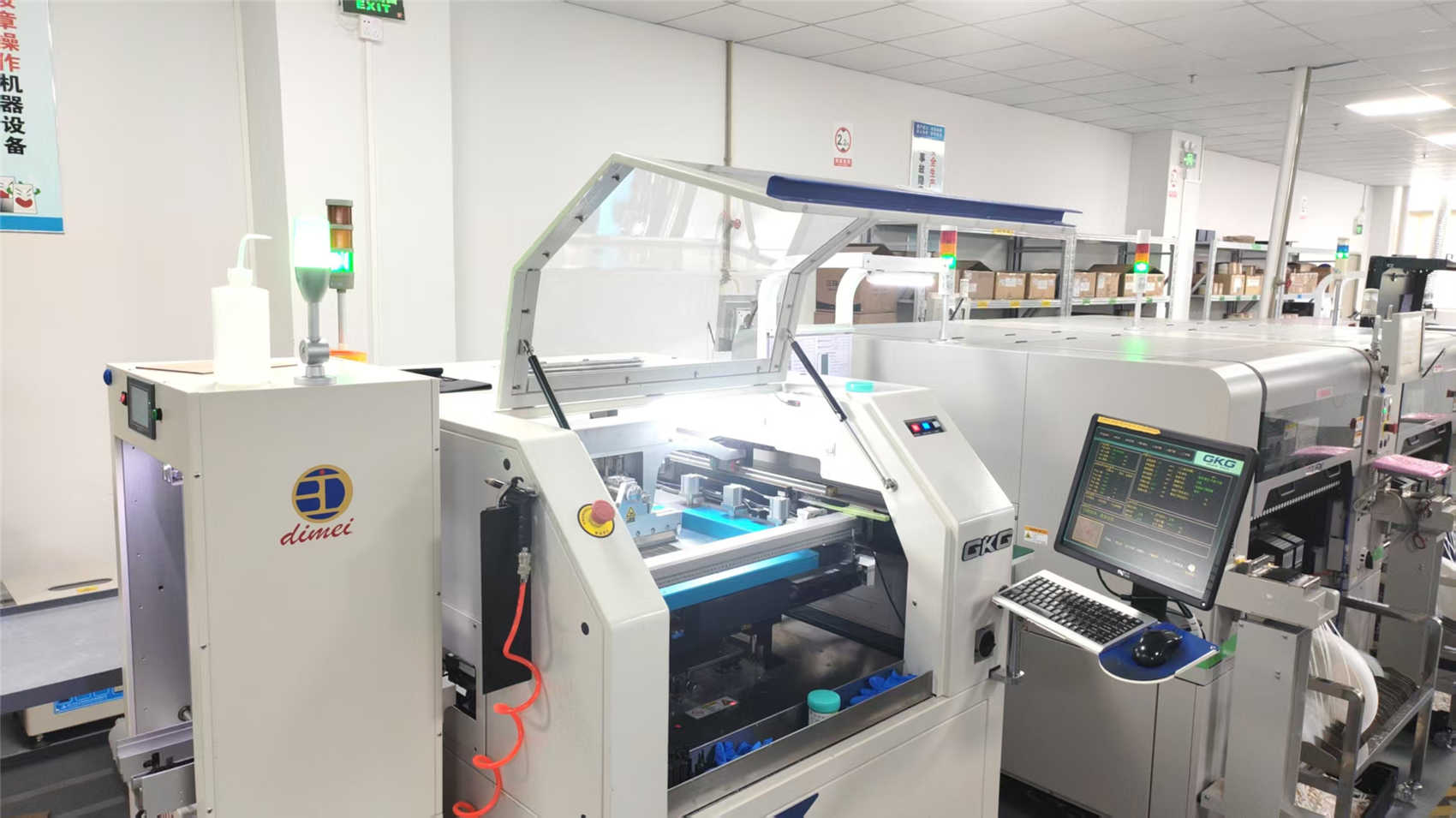
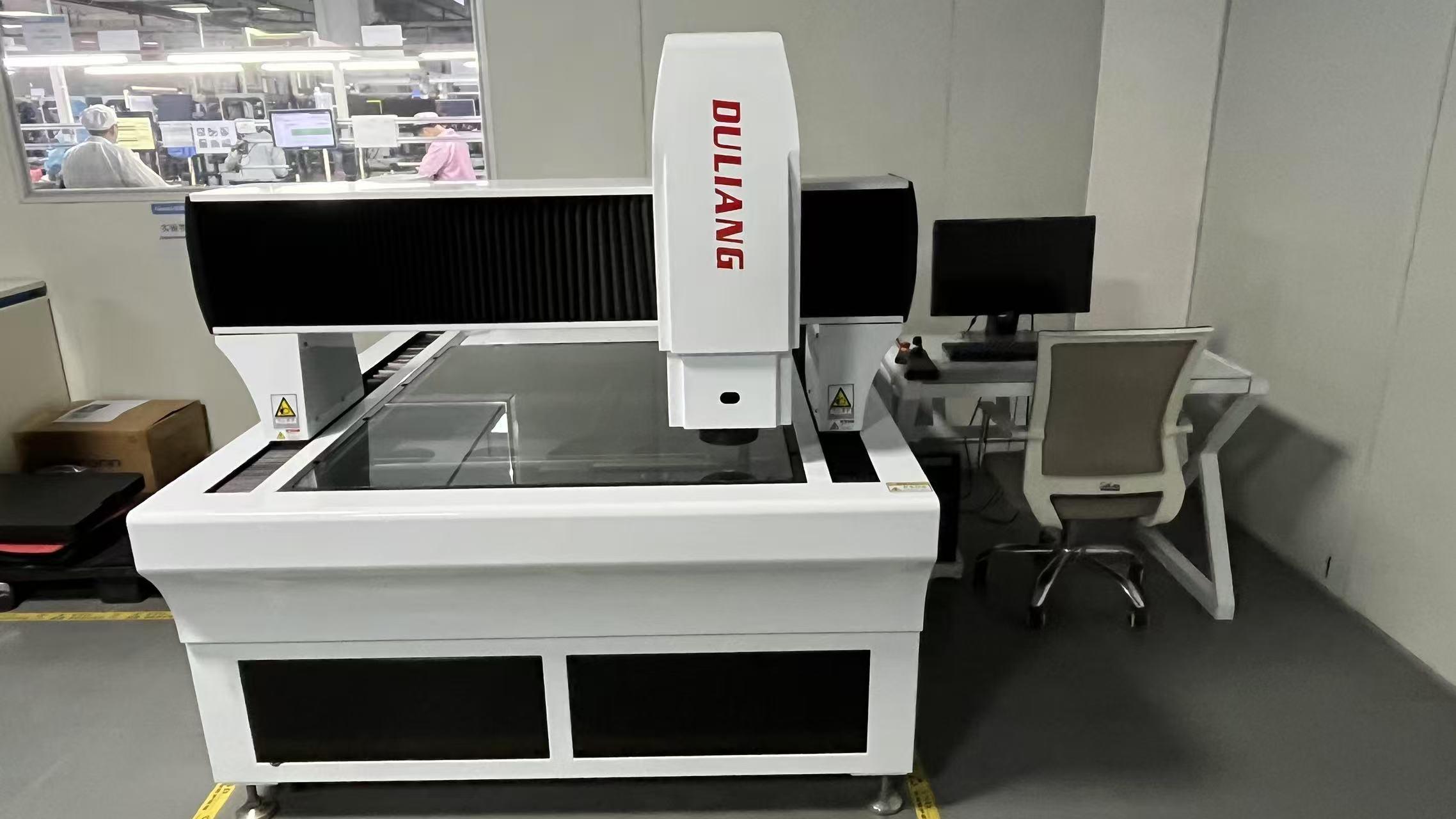
By utilizing highly automated high-speed SMT (Surface Mount Technology) placement systems and 3D automated optical inspection (AOI) setups, factories achieve PPM (Parts Per Million) defect rates that satisfy automotive and military standards.
Chinese development teams excel in modular architecture engineering, facilitating custom alterations to baseband hardware, antenna profiles, operating voltage ranges, and shape factors without prohibitive tooling fees or extended delays.
Corporate Capabilities & Synergy: CoreByte Storage Technology Co., Ltd. is a professional DDR5 memory and DRAM solution manufacturer specializing in high-performance memory modules for global OEM, enterprise, and data center applications. Established in 2016, the company has developed strong capabilities in R&D, production, and international trade, focusing on stable, high-speed, and energy-efficient memory products.
The company operates a modern manufacturing facility with a total building area of approximately 320㎡, equipped with advanced production and testing equipment to ensure strict quality control standards. CoreByte has an annual export revenue of around USD 12 million, with 6 years of export experience and over 9 years of industry experience in memory and semiconductor-related solutions.
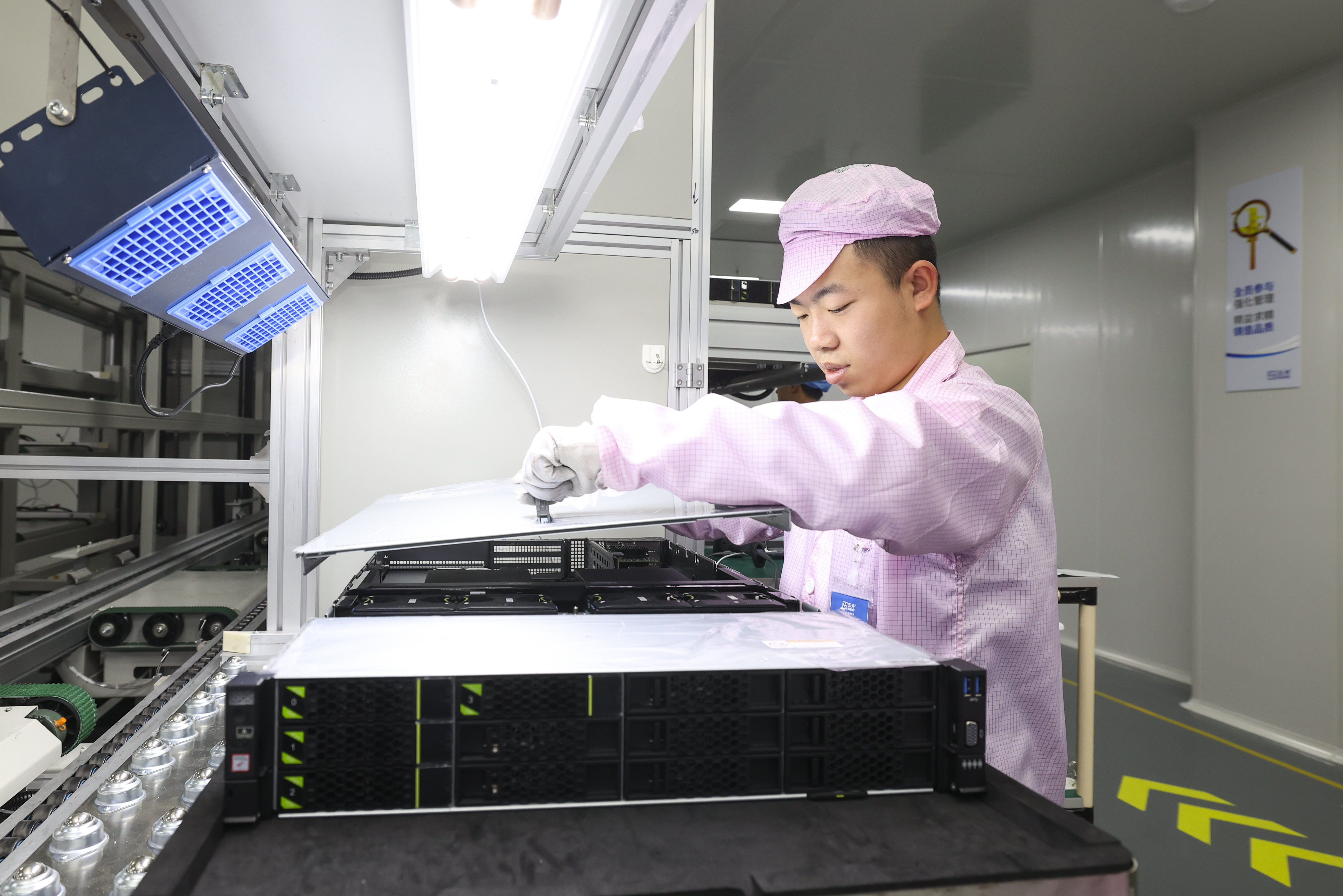
Quality assurance is a core priority at CoreByte. The company implements ISO9001-based quality management systems, combined with automated optical inspection (AOI) and high-temperature aging tests to ensure product stability and compatibility. The quality control team consists of 45 dedicated inspectors, ensuring every batch meets international performance standards.
Its primary customers include OEM system integrators, server manufacturers, industrial computer brands, and data center solution providers. With strong engineering capabilities, CoreByte offers advanced customization services, including PCB design optimization, frequency tuning, thermal solution adjustment, and branding customization. The company invests heavily in innovation, with 85 R&D engineers and launching approximately 120 new product models annually to meet evolving market demands in AI computing, cloud infrastructure, and high-performance gaming systems.
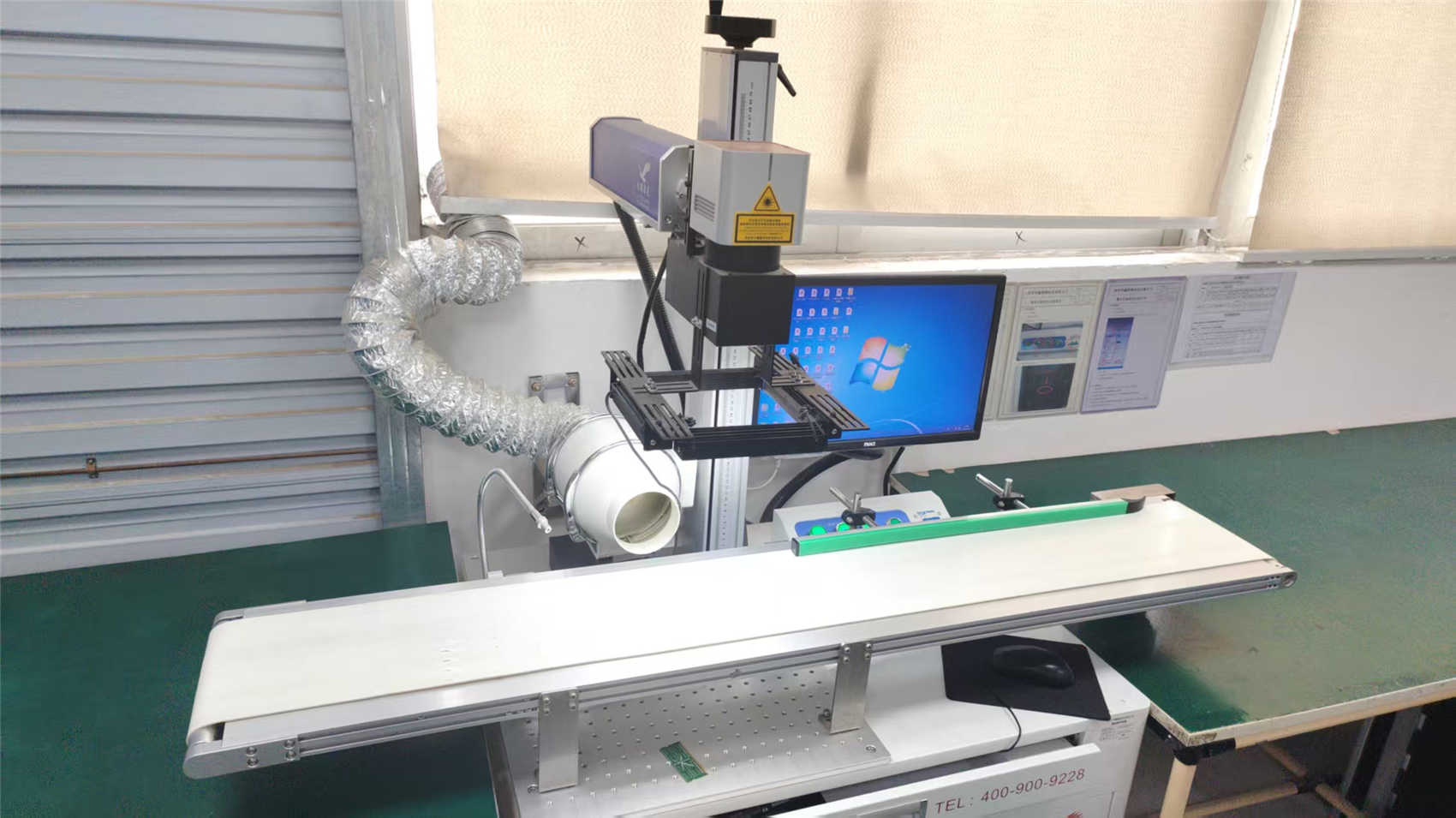
To sustain optimal performance at the edge, wireless IoT systems must be constructed using top-tier components. CoreByte's design and testing process uses advanced laboratory environments and inspection frameworks to validate all memory chips, controller interfaces, and PCB designs against strict thermal and electrical thresholds.

How next-generation wireless specifications are integrating with edge computing and high-density memory topologies.
5G RedCap bridges the gap between high-speed broadband 5G and low-power LPWAN modules. It provides the low latency and reliability benefits of 5G while maintaining a smaller footprint, lower power footprint, and reduced material cost, making it ideal for industrial routers, wearable devices, and smart grids.
Modern wireless modules are no longer simple communication pipes. They are increasingly integrated with microprocessors and low-power hardware accelerators to execute machine learning inference at the edge, reducing overall backhaul traffic and preserving critical bandwidth.
As transmission frequencies increase (such as mmWave and Wi-Fi 7), component power densities rise exponentially. This demands robust physical motherboards, multi-layer PCB traces with matched impedance, and highly conductible copper thermal components to maintain system uptime.
How integrated wireless components, PCB structures, memory systems, and active cooling solutions function in real-world environments.
In automated factories, wireless control nodes link heavy industrial robotics, conveyor networks, and AGVs (Automated Guided Vehicles). Reliability in these environments is paramount; signals must traverse electromagnetic interference (EMI) while preserving microsecond latency.
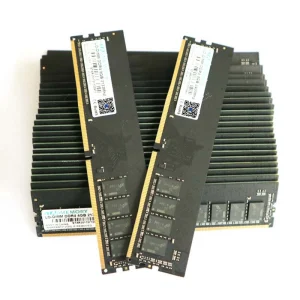
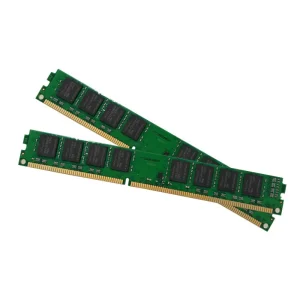
Hardware Synergy: Systems utilize custom multi-layer PCBs optimized for high signal isolation, coupled with industrial DDR4/DDR5 memory that has undergone high-temperature aging tests, and copper heatsinks to dissipate heat from high-speed CPU units.
Edge telecom nodes and remote cells compile vast amounts of regional user data, running local network routing and cellular data processing directly on site. This prevents long-distance backhaul to central cloud data centers.
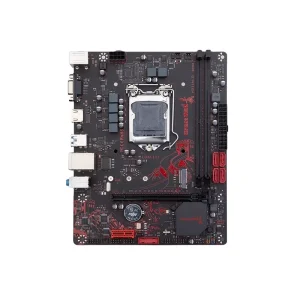
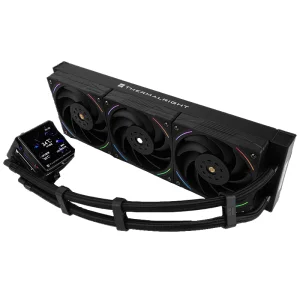
Hardware Synergy: Server motherboards like the B760M-G or specialized server sockets are integrated with passive copper heat pipes and active cooling fans (like the LGA4677 or SP3 server cooling blocks) to sustain operations 24/7 without thermal throttling.
Connected vehicles require continuous high-speed cellular communication to interface with municipal traffic lights, pedestrian detection arrays, and other vehicles. This demands automotive-grade components certified for wide thermal ranges.
Hardware Synergy: Incorporates specialized memory solutions featuring ECC (Error-Correcting Code) to prevent data corruption under vibration, built on robust motherboard architectures optimized to fit compact vehicle compartments.
Smart meters and solar power distribution yards operate in remote, outdoor environments, requiring low-bandwidth, long-range wireless links (NB-IoT/LTE-M) to report energy consumption and battery grid status.
Hardware Synergy: Low-power power bank PCBs with Wi-Fi control microcontrollers operate efficiently under extreme temperature shifts, supported by highly durable passive cooling mechanisms that operate without mechanical fans.
An authoritative framework for evaluating wireless module manufacturers and their surrounding hardware ecosystems.
Global buyers must ensure that the baseband silicon, RF transceivers, and passive components are sourced from tier-one manufacturers. Verify that the factory implements strict quality management under ISO9001 standards and provides full component traceability. CoreByte utilizes a network of over 1,200 partners to maintain continuous component availability.
Deploying wireless solutions requires meeting regional regulatory standards, including FCC (US), CE (Europe), RoHS, PTCRB, and GCF. A capable OEM/ODM partner must assist with antenna certification, EMI/EMC compliance testing, and carrier-specific approvals, reducing time-to-market and regulatory liability.
Wireless modules deployed in industrial fields face thermal shifts, moisture, and vibration. Procurement teams should require evidence of High-Temperature Aging Tests, thermal shock profiling, vibration testing, and Automated Optical Inspection (AOI) to verify weld reliability on multi-layer PCBA layouts.
Avoid sourcing components in isolation. A wireless module's performance is tied to the memory cache speed, the stability of the host motherboard, and the effectiveness of the thermal assembly. Work with providers who offer comprehensive design customization, from PCB layout optimization to heat sink engineering.
Technical answers addressing the most common questions in enterprise wireless hardware integration.
Discover high-capacity DRAM modules, passive copper servers, and custom PCBA prototypes designed for persistent infrastructure operations.
 CoreByte