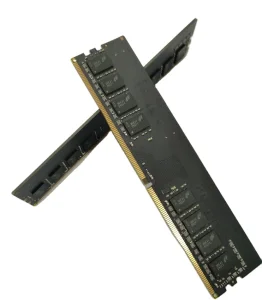
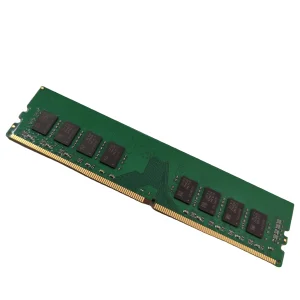
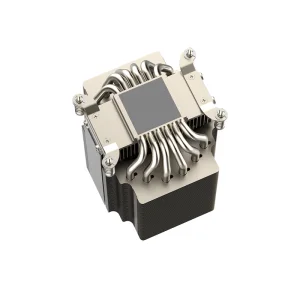
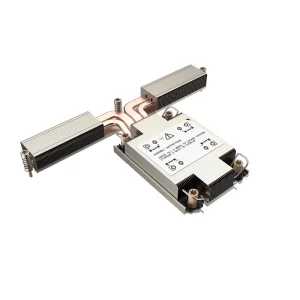
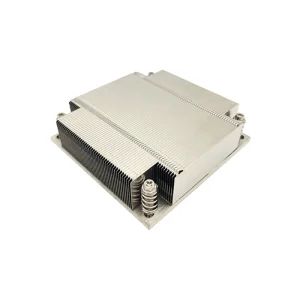
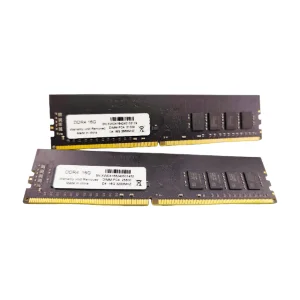
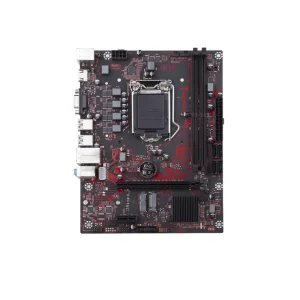
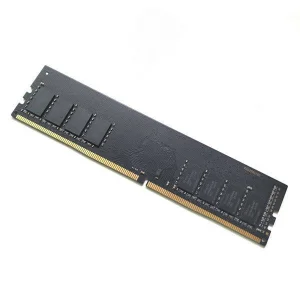
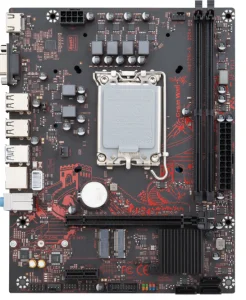
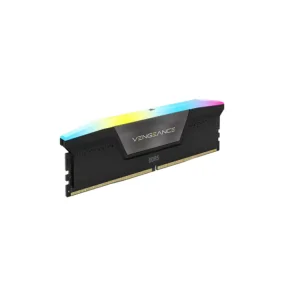
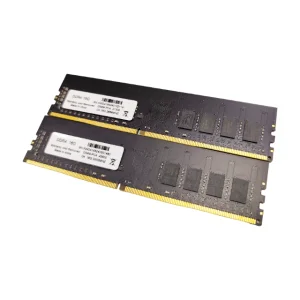
Browse our selection of fully compatible enterprise DDR4 memory modules, server cooling solutions, and specialized processors.
The global data storage landscape is undergoing an unprecedented shift. Driven by AI computing, Big Data engines, Edge infrastructures, and High-Performance Computing (HPC), solid-state drives (SSDs) and DRAM architectures have graduated from mere hardware commodities to critical pillars of business operations. As systems demand ultra-low latencies and robust durability, selecting the right partner in the OEM/ODM SSD Drives Manufacturers & Exporters space has become a vital strategic move for purchasing managers, hardware designers, and systems engineers worldwide.
In recent years, the market has witnessed a structural transition from older SATA interfaces to advanced non-volatile memory express (NVMe) standards via PCIe channels. Enterprise architectures require high throughput, massive IOPS capability, and strict Quality of Service (QoS) guarantees. A parallel trend is occurring in the DRAM market, where the transition from DDR4 to DDR5 brings wider bus widths, higher burst lengths, and integrated Power Management Integrated Circuits (PMIC) on the DIMM. This transition dramatically increases memory bandwidth, crucial for feed-forward machine learning algorithms and high-density virtualization setups.
At the intersection of these storage advancements stands CoreByte Storage Technology Co., Ltd. Established in 2016, CoreByte has carved out a stellar reputation as a highly reliable DDR5 memory and DRAM solution manufacturer. Leveraging over 9 years of industry experience and 6 years of export expertise, CoreByte has steadily integrated its core memory module capabilities with advanced solid-state storage solutions. This synergy allows us to deliver high-performance, cost-effective OEM and ODM configurations tailored to meet the exacting standards of our partners in North America, Europe, Southeast Asia, and the Middle East.
As a premier OEM/ODM supplier, our engineering focus extends beyond basic board-level assembly. Modern storage architectures require customizable firmware, optimized controller logic, and advanced thermal cooling setups. When system integrators ask for custom SSD drives, they look for optimized performance profiles suited to their software environment.
We customize controller configurations (such as Silicon Motion, Phison, or Marvell platforms) to optimize write amplification factors (WAF), adjust over-provisioning (OP) rates, and enable custom ECC LDPC levels.
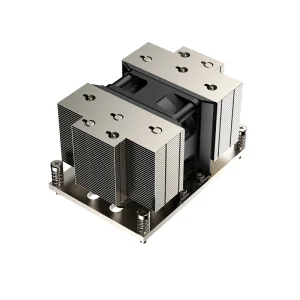
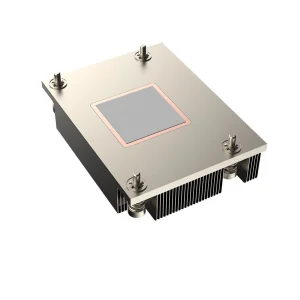
High-speed SSDs generate substantial heat. We design integrated copper, aluminum, or passive heatsinks matched with high-conductivity thermal pads to prevent thermal throttling under continuous, intense workloads.
For mission-critical data center deployments, we offer hardware-based PLP. Integrated capacitors ensure data in transit within the volatile cache is written safely to the non-volatile NAND flash during power drops.
This custom engineering mindset is supported by our massive research investment. CoreByte launches approximately 120 new product models annually, designed to address the challenges of AI computing, low-latency edge nodes, and ruggedized industrial equipment. With our 85 dedicated R&D engineers, we continuously test the limits of modern interfaces—including PCIe Gen 4x4 and the emerging PCIe Gen 5x4 protocols—to deliver maximum sequential and random throughput.
To build reliability in the memory and storage industry, manufacturers must deliver consistent, traceable quality. A single chip failure can lead to severe operational losses in high-density environments. Our commitment to the E-E-A-T framework (Experience, Expertise, Authoritativeness, and Trustworthiness) is represented by our strict testing procedures.
Our processes adhere strictly to ISO9001 guidelines, establishing end-to-end trace documentation from raw wafer receipt to final assembly shipment.
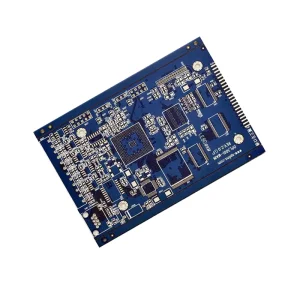
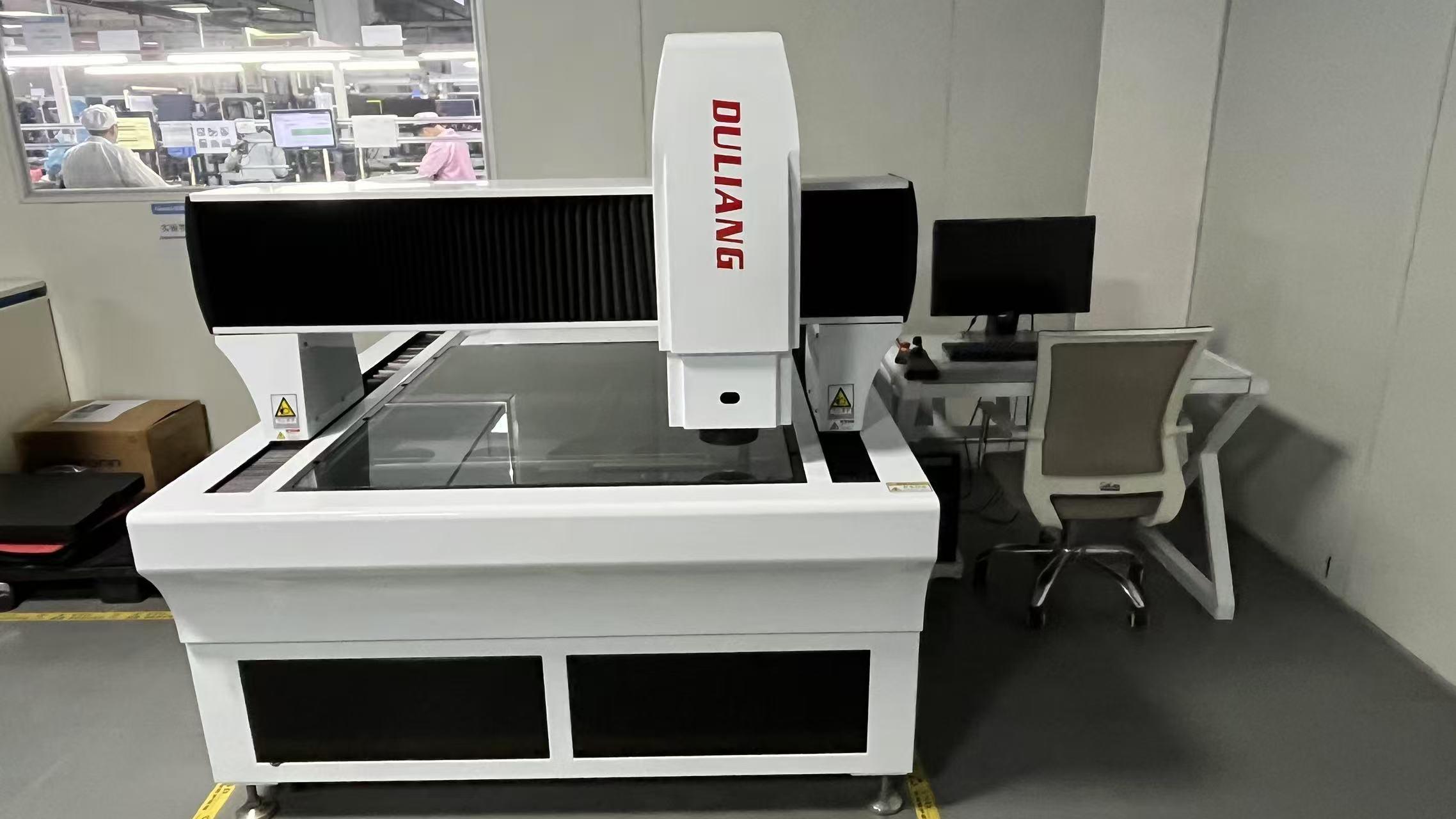
Advanced AOI systems detect minute alignment and solder joint defects on dense PCBA designs, preventing early device failure.
We subject every SSD and DRAM module to prolonged high-temperature environments, forcing weak components to fail early in our factory rather than at your site.
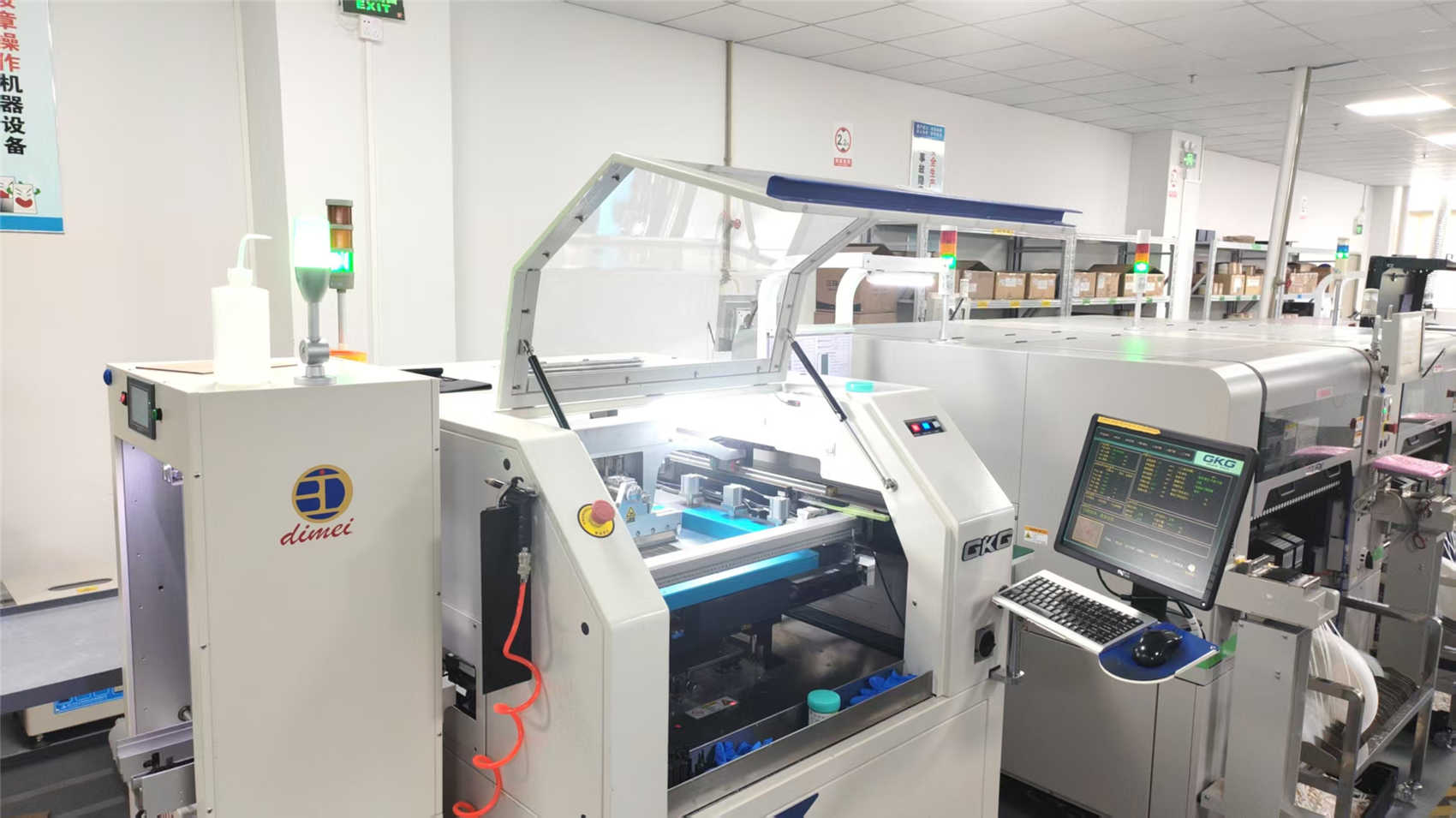
CoreByte's modern production facilities feature a total building area of approximately 320㎡. Designed for maximum efficiency, it integrates automated SMT placement machines with state-of-the-art testing systems. Our quality control team includes 45 dedicated inspectors, ensuring every batch meets international performance standards.
Moreover, a storage manufacturer's strength is only as good as its supply chain. CoreByte has built relationships with over 1,200 supply chain partners. This strong network guarantees a steady supply of high-grade original Flash NAND (TLC/QLC) wafers and original DRAM chips. This supply security translates to price stability, quick turnaround times, and consistent quality for our global customers.
Solid state drives are not a one-size-fits-all product. Different applications require specific balances of speed, reliability, and cost. Below is how our OEM/ODM custom services match different computing platforms:
Requires high random read/write speeds, high DWPD (Drive Writes Per Day) ratings, and active PLP protection. Our custom NVMe PCIe SSDs offer sustained IOPS performance under multi-tenant virtualization loads.
Operating in extreme temperatures, vibrations, and high humidity. We supply industrial-grade wide-temperature (-40°C to 85°C) SSDs featuring conformal coating protection and physical shock resistance.
Next-generation autonomous factories need localized processing to handle data-heavy image sensor streams. Our M.2 and U.2 NVMe drives deliver high local throughput for machine vision applications.
These customized SSD storage solutions are designed to pair with our high-grade memory modules, like our DDR5 32GB 6000MHz modules or high-compatibility DDR4 16GB 3200MHz modules. This combined memory and storage offering allows system integrators to source their complete hardware platform from a single partner, simplifying compatibility testing and streamlining the supply chain.
The storage industry is constantly evolving, driven by the persistent demand for higher density, faster speeds, and lower carbon footprints. CoreByte's R&D department closely monitors key innovations to ensure our solutions remain future-proof:
1. The Rise of 3D NAND Technology: Standard planar NAND has given way to multi-layer 3D NAND configurations. We are incorporating 176-layer and 232-layer TLC/QLC NAND architectures into our ODM drives, delivering larger capacities in standard form factors like M.2 2280 or EDSFF (Enterprise & Datacenter Storage Form Factor).
2. PCIe Gen 5.0 and Beyond: Doubling the bandwidth of PCIe 4.0, PCIe 5.0 delivers transfer speeds up to 32 GT/s per lane. Our technical roadmap includes developing high-end enterprise SSD controllers that leverage Gen 5 bandwidth, allowing next-gen CPUs to run data-intensive tasks without storage bottlenecks.
3. CXL (Compute Express Link) Integration: The convergence of processing memory and storage is key to handling massive AI training sets. We are actively researching CXL memory expansion modules to help server operators dynamically pool memory, reducing latency and hardware overhead.
4. Sustainable Green Storage: As power costs rise, data center operators prioritize performance-per-watt metrics. Our firmware engineers continuously optimize active power consumption and deep sleep modes, helping our clients reduce energy use and heat generation.
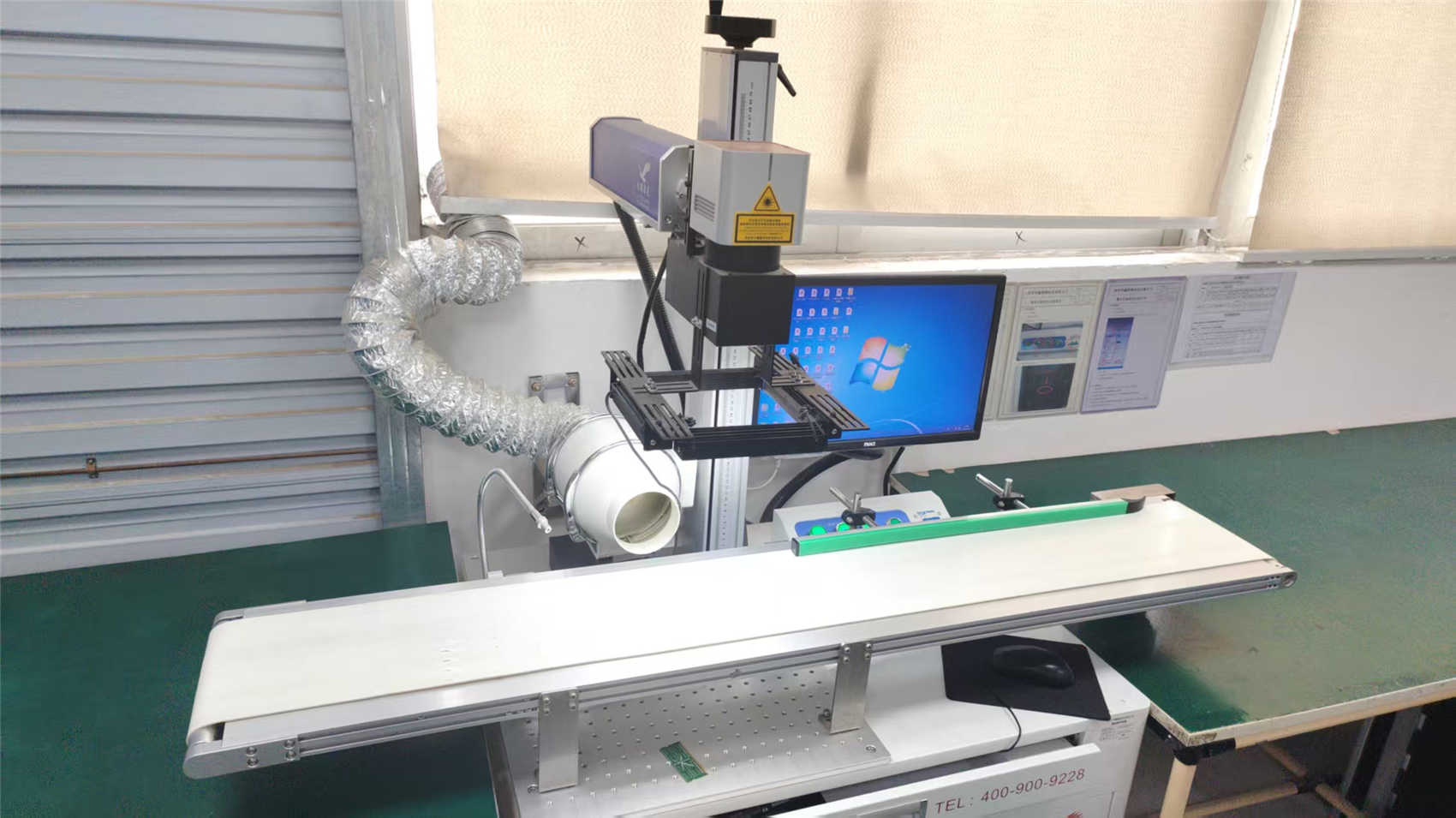
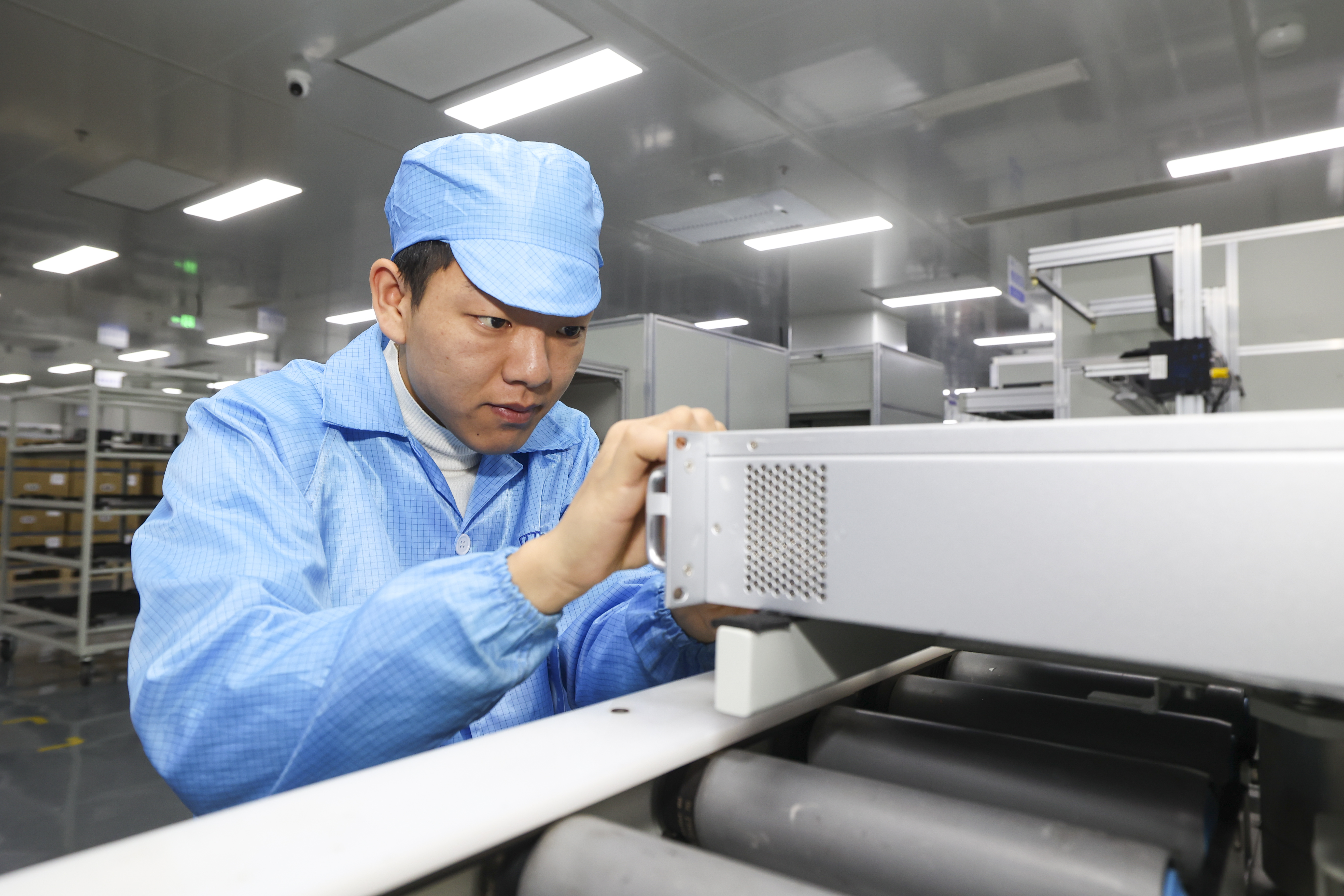
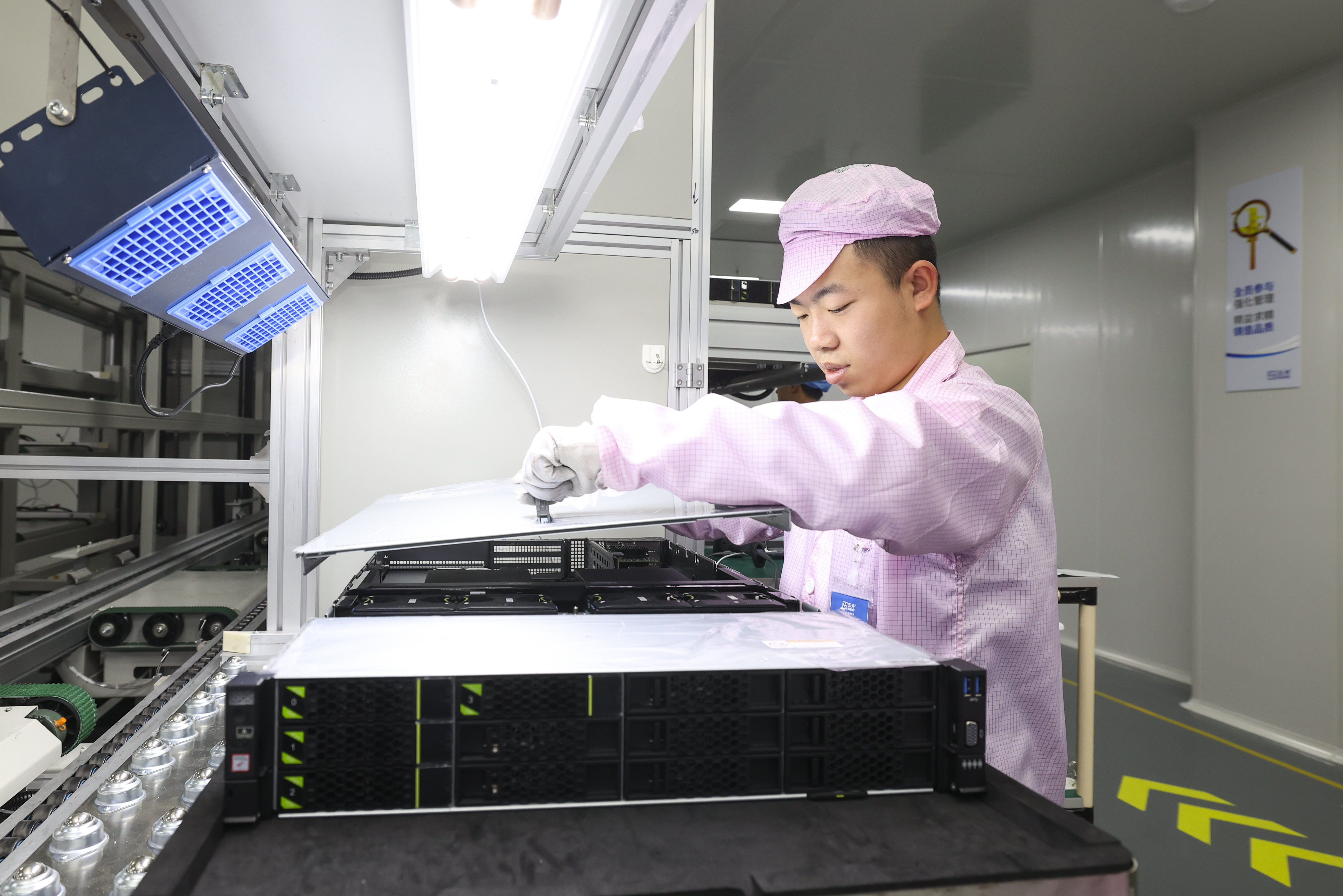
Transparency builds trust. Below is an inside look at our advanced manufacturing lines, quality control hubs, clean rooms, and shipping stations.
We answer the most common questions asked by system architects, sourcing managers, and IT buyers looking for reliable OEM/ODM SSD options.
Explore our high-performance desktop memory, advanced motherboards, cooling components, and custom PCBs.
 CoreByte