As processing demands in hyper-scale data centers, AI acceleration grids, and industrial energy sectors expand exponentially, the foundational architecture of the Printed Circuit Board (PCB) and system memory modules must evolve symmetrically.
This whitepaper establishes the engineering pathways, quality assurances, and factory models required to design and deploy modern compute assemblies. Navigating structural high-frequency layout constraints, extreme thermal envelopes (TDP > 400W), and physical component sourcing strategies demands a highly integrated manufacturing partner. Through structural validation, automated assembly line optimization, and tight testing paradigms, CoreByte Storage Technology Co., Ltd. stands as a benchmark manufacturer in the global electronic manufacturing services (EMS) sector.
For global procurement teams, evaluating an OEM/ODM circuit board partner goes far beyond raw manufacturing prices. Key indicators include raw material traceability (e.g., sourcing original DRAM dies from premium Tier-1 silicon wafer fabs), high-precision Surface Mount Technology (SMT) tolerances, multi-layer high-frequency circuit verification, thermal analysis, and localized trade compliance.
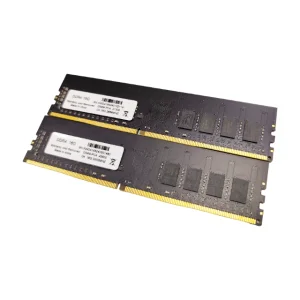
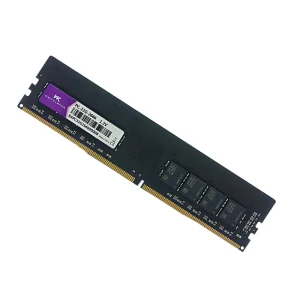
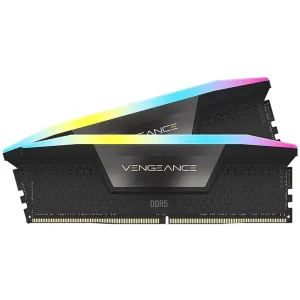
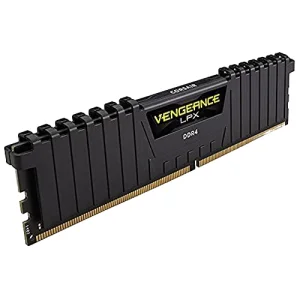
The semiconductor space is experiencing a massive migration toward higher frequency channels, smaller node structures, and optimized local power management structures. When examining DDR4 vs. DDR5 memory architectures, the layout designer faces entirely new mechanical and electrical challenges.
Moving speeds from 2400MHz up to 6800MHz requires advanced trace length matching, differential impedance tuning (typically 85-95 ohm targets), and multi-layer stack-up techniques to eliminate inter-channel crosstalk.
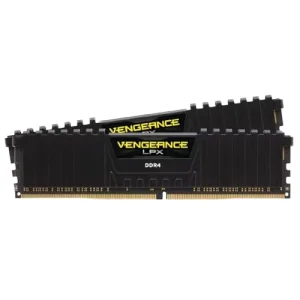
DDR5 modules transition power management off the motherboard directly onto the module PCB via a dedicated PMIC (Power Management IC). This reduces motherboard power delivery routing but introduces dense local thermal hotspots.
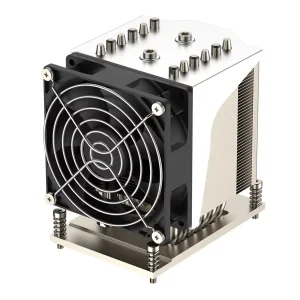
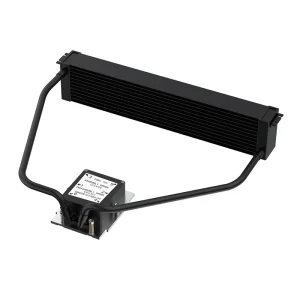
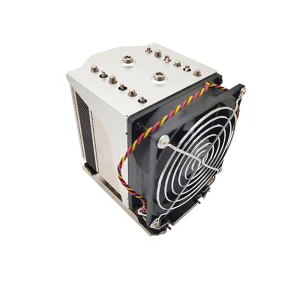
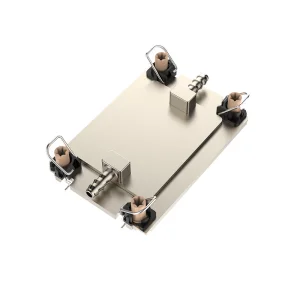
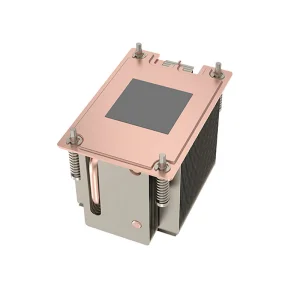
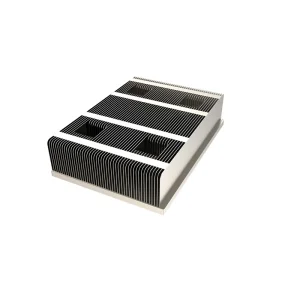
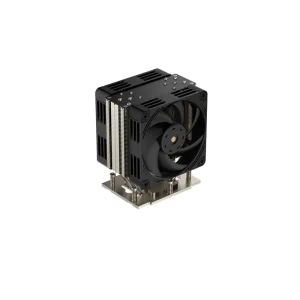
Server platforms housing high-power Intel LGA4189 or AMD SP5 chips demand sophisticated air or liquid cooling systems capable of managing 300W to 400W TDP, ensuring continuous, throttling-free enterprise execution.
CoreByte’s engineering teams continuously optimize PCB track layouts using cutting-edge EDA software, guaranteeing impedance deviation remains under ±5%. In parallel, thermal engineering plays a key role in preventing memory cell failure and system crashes. The integration of high-conductivity aluminum backplates and direct-contact copper vapor chambers ensures that enterprise-grade memory strips operate consistently under high thermal loads.
To support high-speed signal pathways without signal degradation, CoreByte selects raw glass-epoxy substrates with low dissipation factors (Df < 0.002) and tight dielectric constants (Dk). Our high-speed multilayer stack-ups run trace layouts between ground plane shields to reduce EMI emission, adhering to modern telecom and server standards.
CoreByte Storage Technology Co., Ltd. represents the peak of modern Chinese high-efficiency manufacturing. The combination of local components, mechanical tooling shops, raw PCB suppliers, and automated assembly operations provides an unmatched cost-to-performance ratio.
Spanning an optimized, high-density 320㎡ advanced diagnostic and assembly center, our production workflow utilizes fully automated SMT (Surface Mount Technology) assembly lines. Our lines are capable of placing components down to 01005 passives and fine-pitch BGAs with high reliability.
Additionally, our robust supply network of over 1,200 verified industrial partners allows for rapid procurement of high-conductivity aluminum alloys (for heavy-duty LED and power PCBs), FR-4 variants, and reliable cooling interfaces. This protects our global buyers from component shortages and minimizes supply chain vulnerabilities.
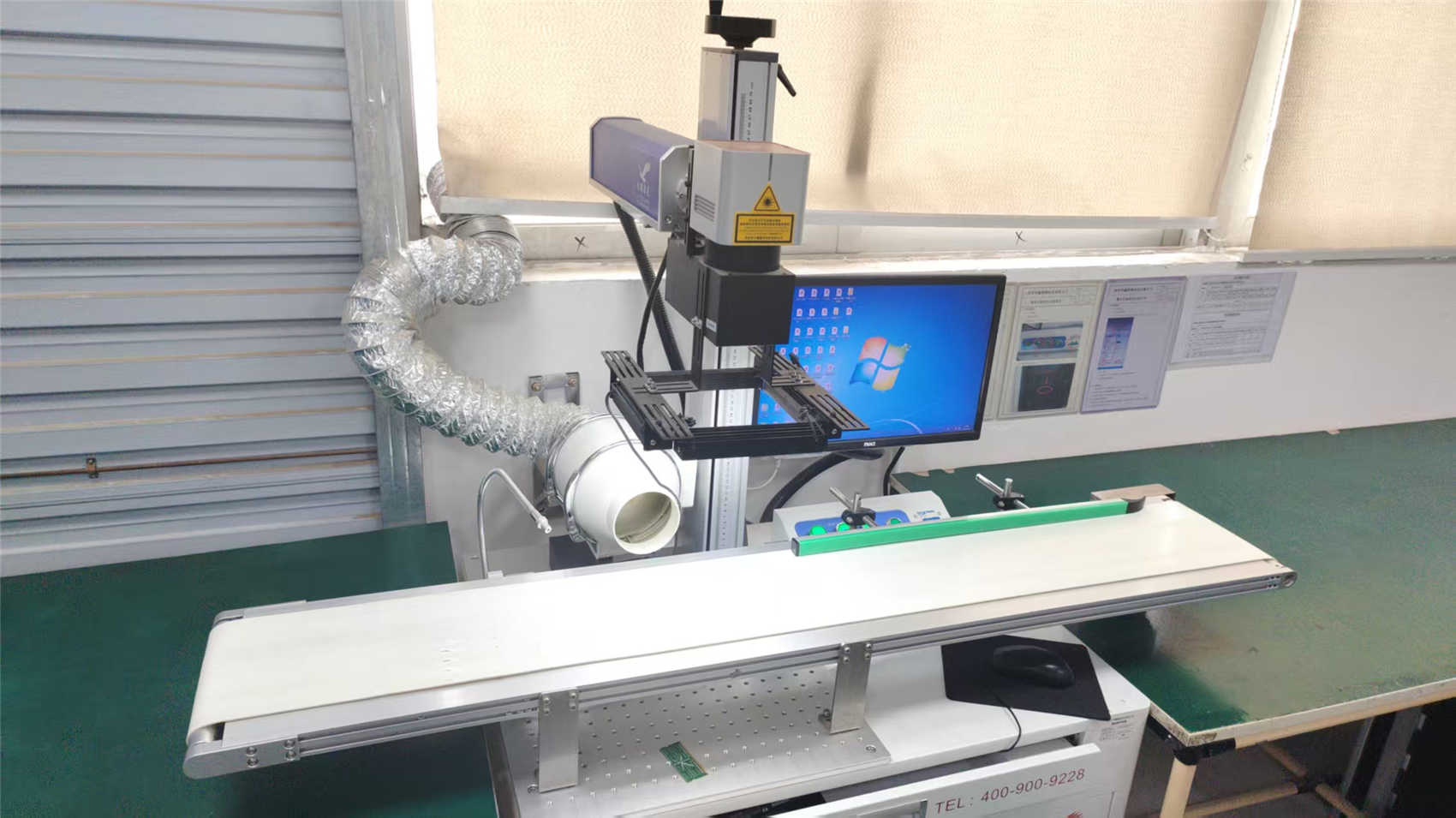
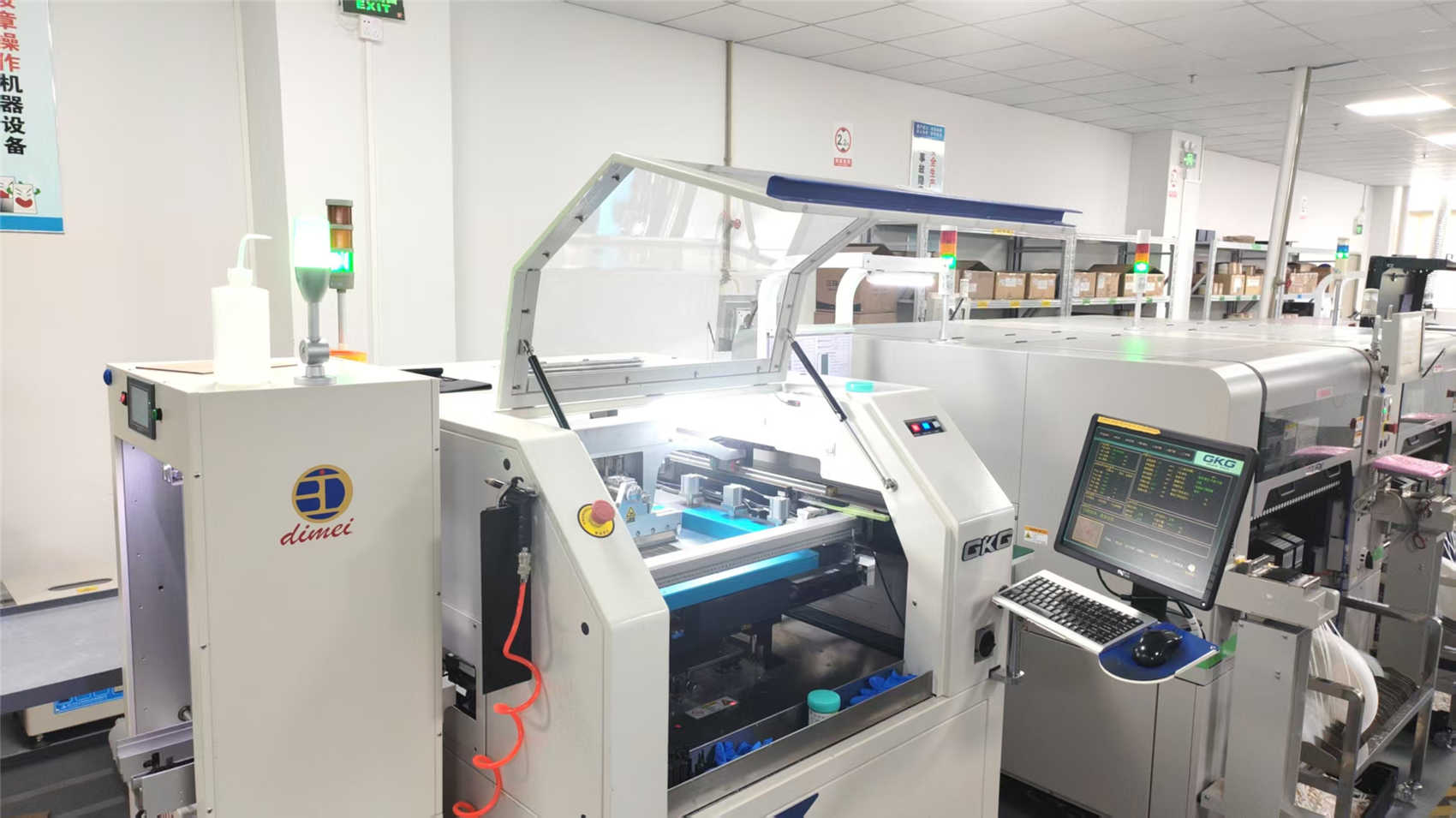

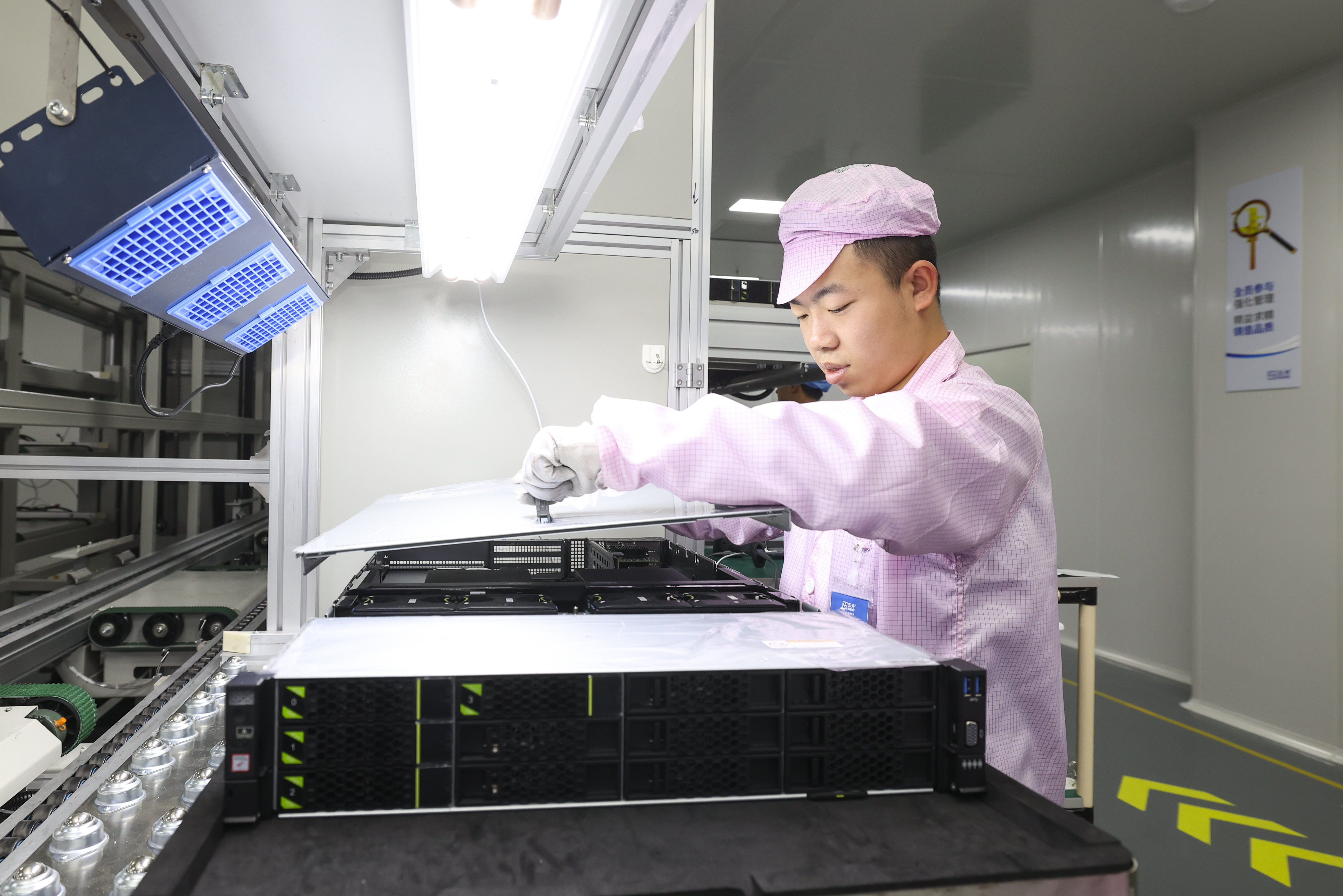
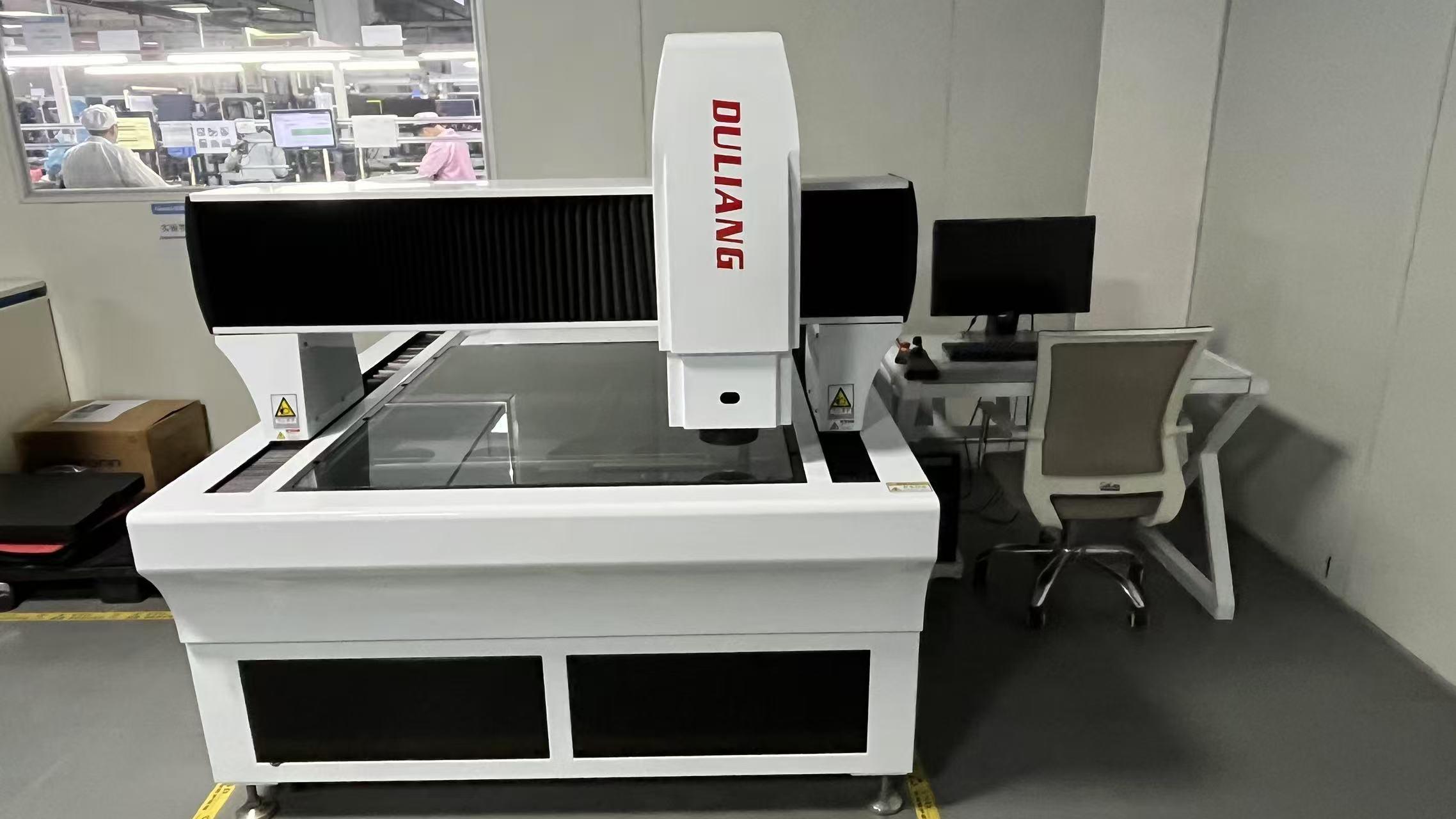
To ensure reliable electrical paths and longevity, we apply key inspection protocols:
OEM/ODM PCB customization involves diverse application profiles across various industrial settings. The technical requirements vary based on the specific use cases:
| Application Sector | Core Assembly Types | Primary Engineering Focus |
|---|---|---|
| AI Data Center Servers | DDR5 ECC Modules, LGA4189 & SP5 Heat Sinks, High-Layer Motherboards | High-density signal routing, trace impedance control, and advanced thermal management (300W+ heat loads) |
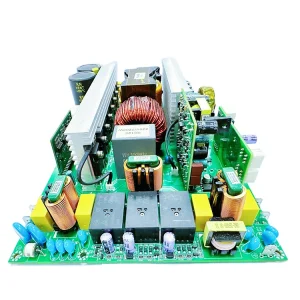
| Renewable Photovoltaics | Solar Inverter PCBAs, High-Power Converters | Thick copper tracks (up to 4oz), high-voltage isolation, and prolonged outdoor thermal endurance |
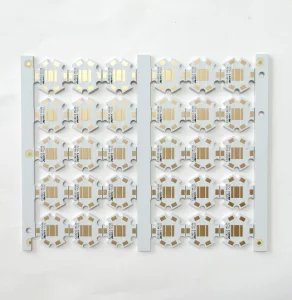
| Industrial Lighting Systems | T6 Aluminum PCB, 5050 / 3535 LED substrates | High thermal conductivity dielectric layers (1.5 - 3.0 W/m-K) to prevent LED degradation |
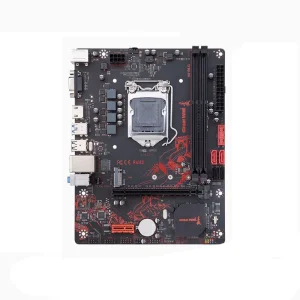
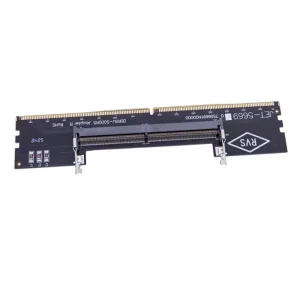
| Enterprise Computing | H81M Desktop Motherboards, DDR3/DDR4 Standard Memory modules | Cost-to-performance optimization, reliable longevity, and drop-in component compatibility |
In solar power generation, inverter control boards operate under harsh thermal conditions. Standard FR-4 substrates fall short because of high ambient temperatures and rapid cycling. CoreByte solves this issue by using heavy copper layers alongside ceramic-filled, high-conductivity glass prepregs. This layout resists thermal fatigue and ensures consistent performance throughout the lifetime of the inverter system.
Bridging international barriers requires clear engineering alignment. CoreByte employs 85 R&D specialists who interface directly with overseas client designs. We accept standard layout formats—such as Gerber RS-274X, ODB++, and Altium Designer project packages—ensuring seamless communication during the Design for Manufacturability (DFM) phase.
Our products meet international regulatory requirements, including the EU RoHS directive for lead-free solder, REACH environmental standards, CE marks, and FCC electromagnetic emissions tests. This guarantees trouble-free entry through customs in North American, European, Southeast Asian, and Middle Eastern markets.
We maintain strict intellectual property (IP) protection protocols. Our secure design databases prevent layout data leaks, providing peace of mind for original brand manufacturers (OBMs) and OEM partners who trust us with custom designs and proprietary engineering files.
 CoreByte