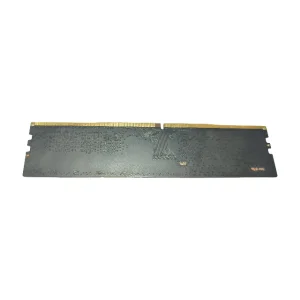
As artificial intelligence (AI) models expand exponentially and high-performance computing (HPC) environments transition to dense multi-chip architectures, thermal management has shifted from a peripheral consideration to a primary bottleneck in enterprise computing. The thermal design power (TDP) of modern server CPUs now regularly exceeds 350W to 400W, while advanced GPUs demand upward of 700W to 1000W per chip. In this landscape, generic cooling mechanisms fall short. Custom OEM Server Cooling Solutions are critical to avoiding thermal throttling, ensuring hardware longevity, and optimizing Power Usage Effectiveness (PUE) in modern data centers.
CoreByte Storage Technology Co., Ltd. addresses this gap by combining semiconductor routing expertise with advanced thermal engineering. Leveraging our robust background in custom high-speed memory systems, customized PCB layout designs, and specialized heat dissipation systems, we develop bespoke high-density server coolers. Our capability ensures that critical components—from performance-tuned DDR5/DRAM modules to high-TDP processor sockets like AMD SP5 and Intel LGA4189—operate reliably within their safe thermal limits.
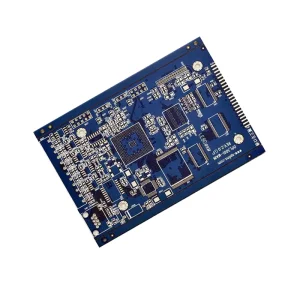
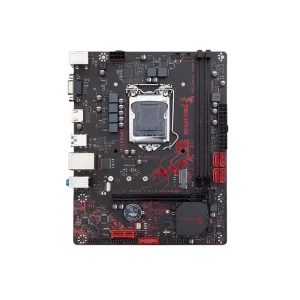
"Information Gain Insight: True thermal efficiency is achieved when cooling solutions are designed concurrently with the server motherboard's SMT PCBA routing. Isolating cooling design from component layout leads to sub-optimal airflow, uneven heat distribution, and localized hotspots that degrade performance and lead to premature hardware failure."
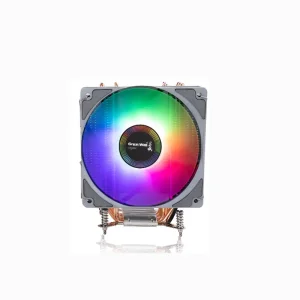
Modern thermal design requires a balanced approach. While liquid cooling is gaining significant traction for high-density setups, advanced air cooling remains highly viable for standard 2U and 4U enterprise server chassis through optimized copper-aluminum engineering.
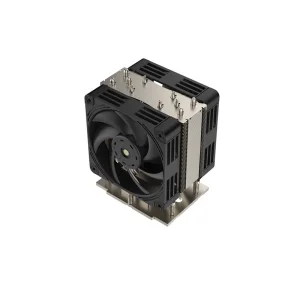
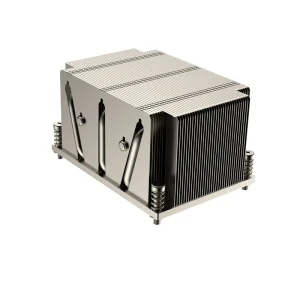
Air cooling relies on maximizing surface area and thermal conductivity. For sockets like AMD's SP5 (LGA 6096) and Intel's LGA4926 / LGA4189, we design multi-heat-pipe assemblies with up to 5 or 6 sintered copper heat pipes. These designs feature:
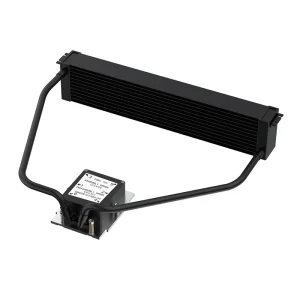
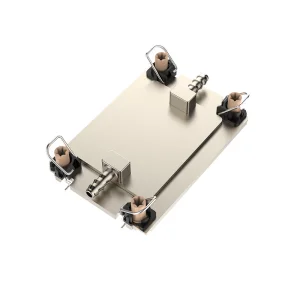
For high-density computing clusters where air cannot keep up, liquid cooling is the industry standard. Direct-to-Chip (D2C) liquid cold plates deliver liquid coolant directly to the CPU base plate. Heated fluid is then piped to an external Heat Exchanger or Cooling Tower, resulting in significant thermal performance improvements:
| Thermal Management Feature | Advanced Air Cooling (e.g., LGA4926 2U) | Direct-to-Chip Liquid Cooling (e.g., LGA4189 Water Block) |
|---|---|---|
| TDP Support Limit | Up to 300W - 350W | 400W - 1000W+ |
| Space Allocation | Requires significant vertical fin space (2U to 4U height) | Compact water block profiles, fits low 1U servers |
| PUE Impact | Moderate (requires high-RPM system fan arrays) | Low (reduces facility air conditioning loads) |
| Maintenance Lifecycle | Extremely low maintenance (fan replacement only) | Requires periodic coolant checks & loop monitoring |
| Primary Application | Standard enterprise racks, legacy data centers | AI training clusters, supercomputing, cloud nodes |
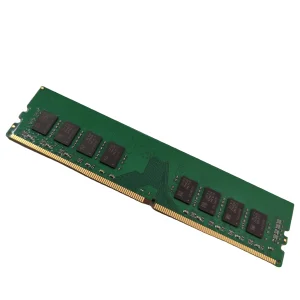
We leverage our background in high-performance memory (DDR5/DRAM) manufacturing to design cooling setups that account for memory-channel heat dissipation, ensuring stable signaling and high throughput.
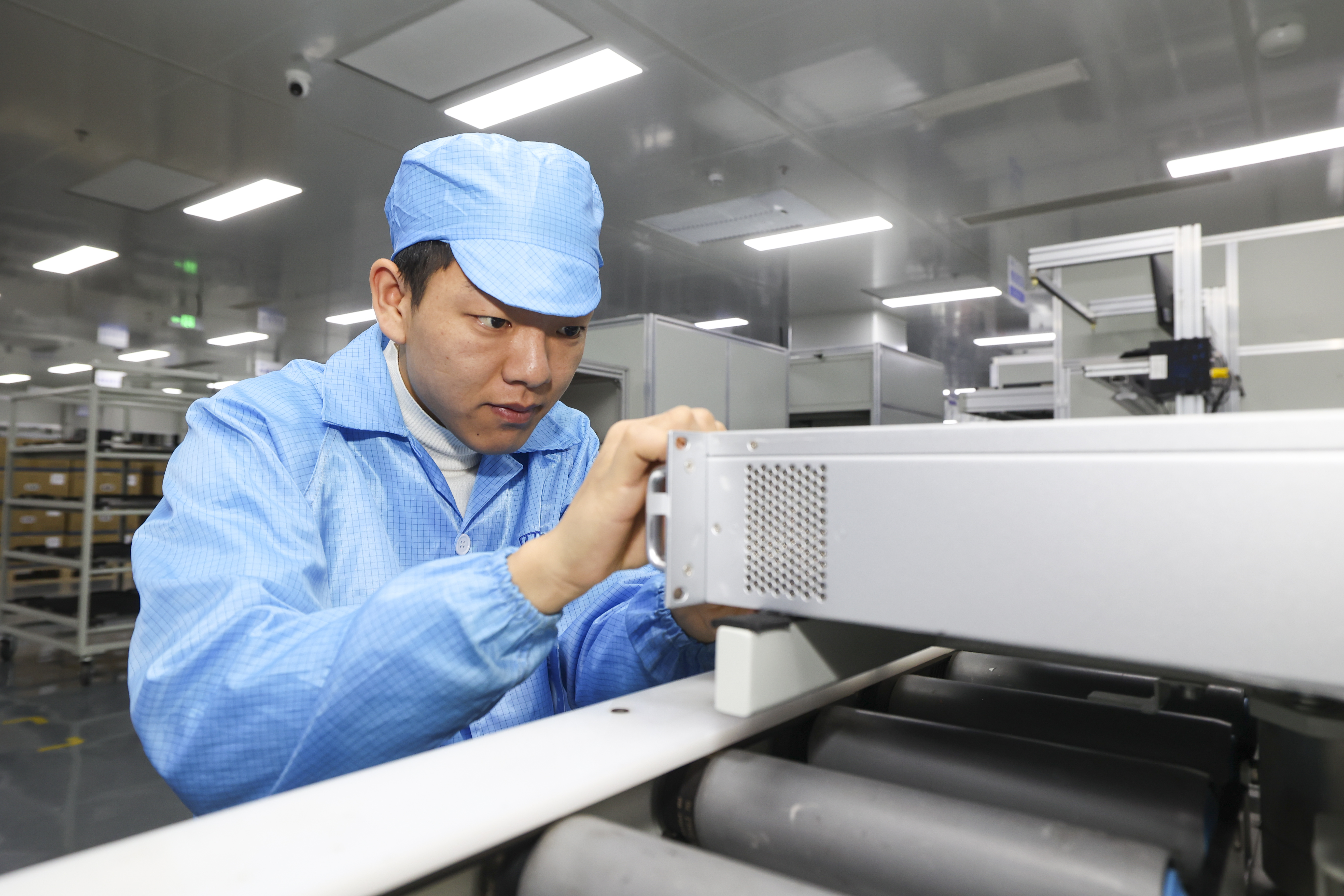
Our production facilities utilize Automated Optical Inspection (AOI) and high-temperature aging tests, producing components from advanced multi-layer PCBs (FR4 KB6160) to complex heatsink brackets.
With an established network of 1,200+ partners and 6+ years of international trade history, we export robust enterprise hardware to markets across North America, Europe, Southeast Asia, and the Middle East.
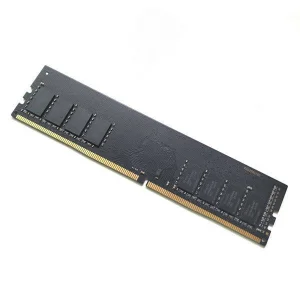
As server applications transition to DDR5 memory architectures, power distribution moves directly onto the memory module itself via the Power Management Integrated Circuit (PMIC). This transfer improves power control but introduces localized thermal challenges. PMICs and sub-channels on high-density DDR5 memory modules generate significant heat, which can lead to memory bit errors and data corruption if left unaddressed.
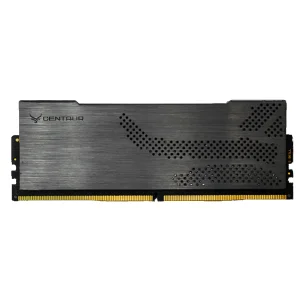
CoreByte's R&D team designs low-profile aluminum heat spreaders and specialized thermal interface materials (TIMs) that integrate cleanly with server CPU coolers. This prevents heat overlap between memory slots and the processor socket, ensuring high-speed stability up to 5600MHz under continuous high loads.
Server cooling challenges vary widely based on the deployment environment and regional parameters. Our custom designs address these diverse needs:
In mature data centers throughout North America and Europe, efficiency metrics are strictly regulated. Operators target a Power Usage Effectiveness (PUE) close to 1.1. In these facilities, server systems must support dynamic power states and variable fan speeds. Custom water cooling blocks, like our copper-base LGA4189 400W blocks, enable direct liquid cooling integration, allowing operators to reduce chiller electricity demands and capture waste heat for district heating networks.
At the edge, servers are deployed outside of climate-controlled data centers, facing dusty, humid, or high-ambient-temperature environments. Standard coolers are prone to clogging or bearing failure in these conditions. To counter this, we design solutions with dual-ball-bearing fans rated for high static pressure, paired with dust-resistant heat sinks and anti-corrosion coatings. Our immersion silver SMT PCBA boards offer increased resistance to atmospheric moisture and sulfur compound corrosion, ensuring reliability in industrial applications.
Within 1U network appliances, space constraints prevent the use of standard high-volume cooling designs. For these applications, we develop low-profile, multi-tube copper-aluminum cooling blocks with angled vapor chambers. These designs direct heat away from the CPU toward the server's chassis exhaust path without blocking adjacent PCIe cards or RAM slots.
Located in China's high-tech manufacturing corridor, our production facility combines design agility with scalable volume output. Our supply chain features:
As silicon TDPs project to exceed 1000W by the late 2020s, server thermal architectures are undergoing significant changes. Our engineering team is currently developing next-generation thermal solutions in the following areas:
Copper offers roughly twice the thermal conductivity of aluminum (385 W/m·K vs. 205 W/m·K), making it highly effective for rapidly drawing heat away from high-TDP processor dies. Aluminum is lighter and dissipates heat to the passing air efficiently. Combining a copper base block with aluminum fins provides an optimal balance of thermal transfer speed, overall heat dissipation, weight, and production cost.
We design memory modules and heatsinks using overlapping 3D CAD modeling. By keeping memory profiles within standard JEDEC heights (including low-profile DDR5 designs) and positioning heatpipes on air coolers to avoid memory slots, we prevent mechanical interference while ensuring that warm exhaust from the CPU cooler does not heat the memory subsystem.
All SMT assemblies, memory modules, and high-TDP coolers undergo automated optical inspection (AOI) to identify soldering anomalies, followed by high-temperature aging tests under full load for extended periods. This thermal cycling process ensures that joints, thermal interfaces, and silicon components perform reliably under high-stress server room workloads.
Yes. We provide full customization of baseplate mounting systems for standard Intel/AMD sockets, custom ARM systems, and unique hardware layouts. Our R&D team can optimize brackets to ensure proper thermal contact and pressure distribution across the CPU die.
Prototype lead times generally range from 2 to 4 weeks depending on the complexity of the design. This timeline includes thermal simulation modeling, mock-up sample machining, and initial thermal chamber verification before shipping samples for customer evaluation.
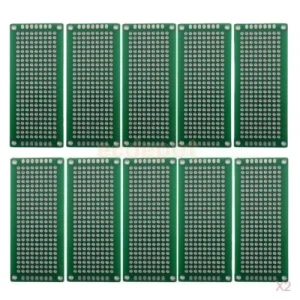
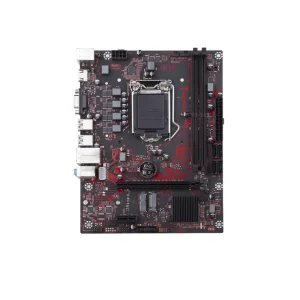
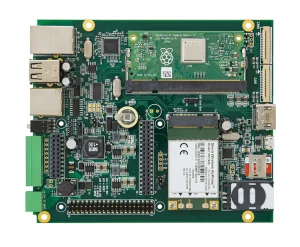
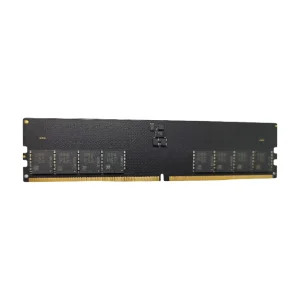
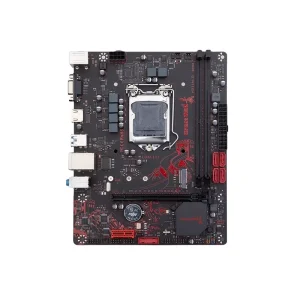
CoreByte Storage Technology Co., Ltd. is a specialized manufacturer of DDR5 memory and DRAM solutions, producing high-performance memory modules for global OEM, enterprise, and data center applications. Founded in 2016, the company has developed integrated capabilities in R&D, manufacturing, and international trade, focusing on stable, high-speed, and energy-efficient memory architectures.
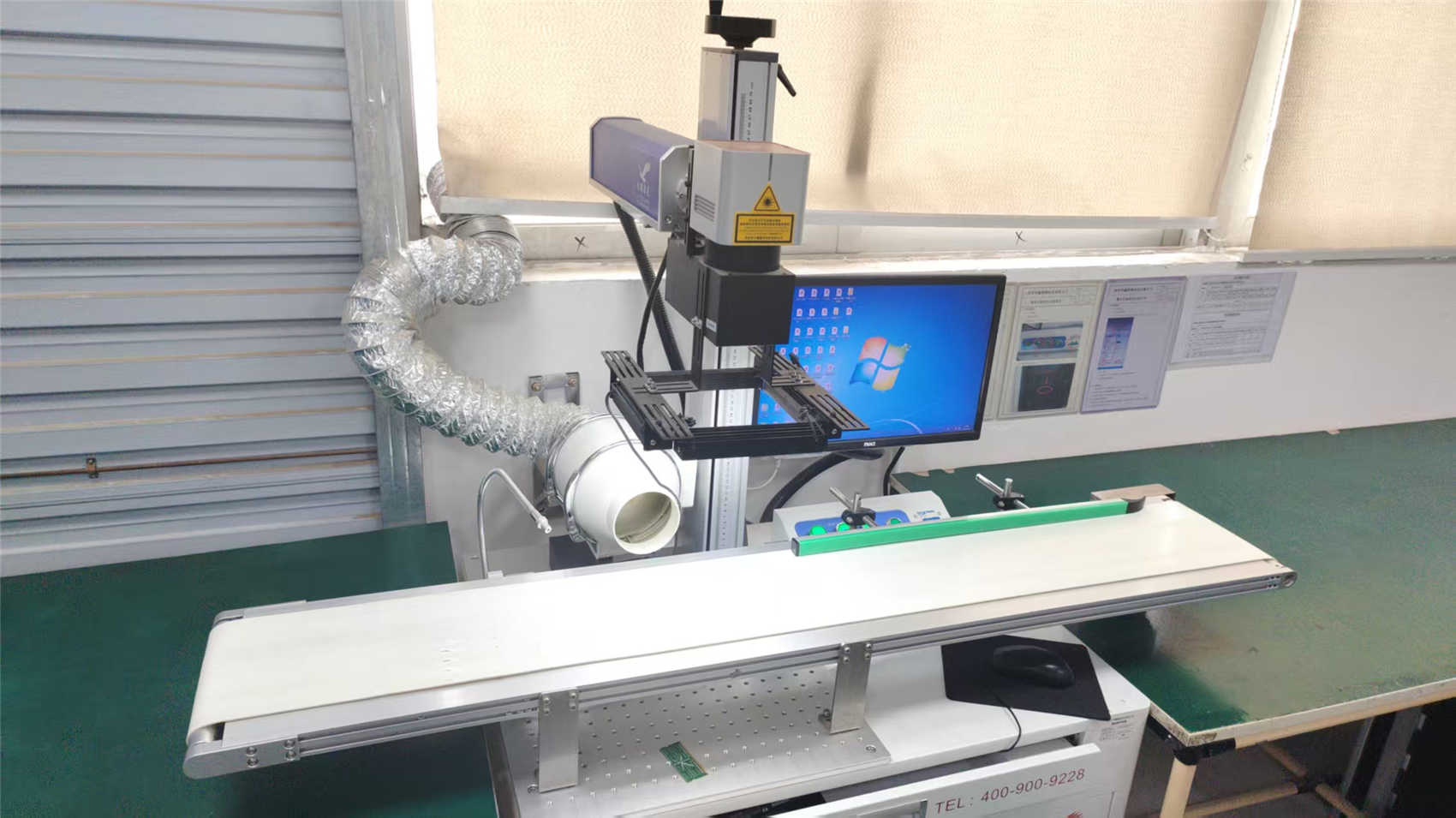
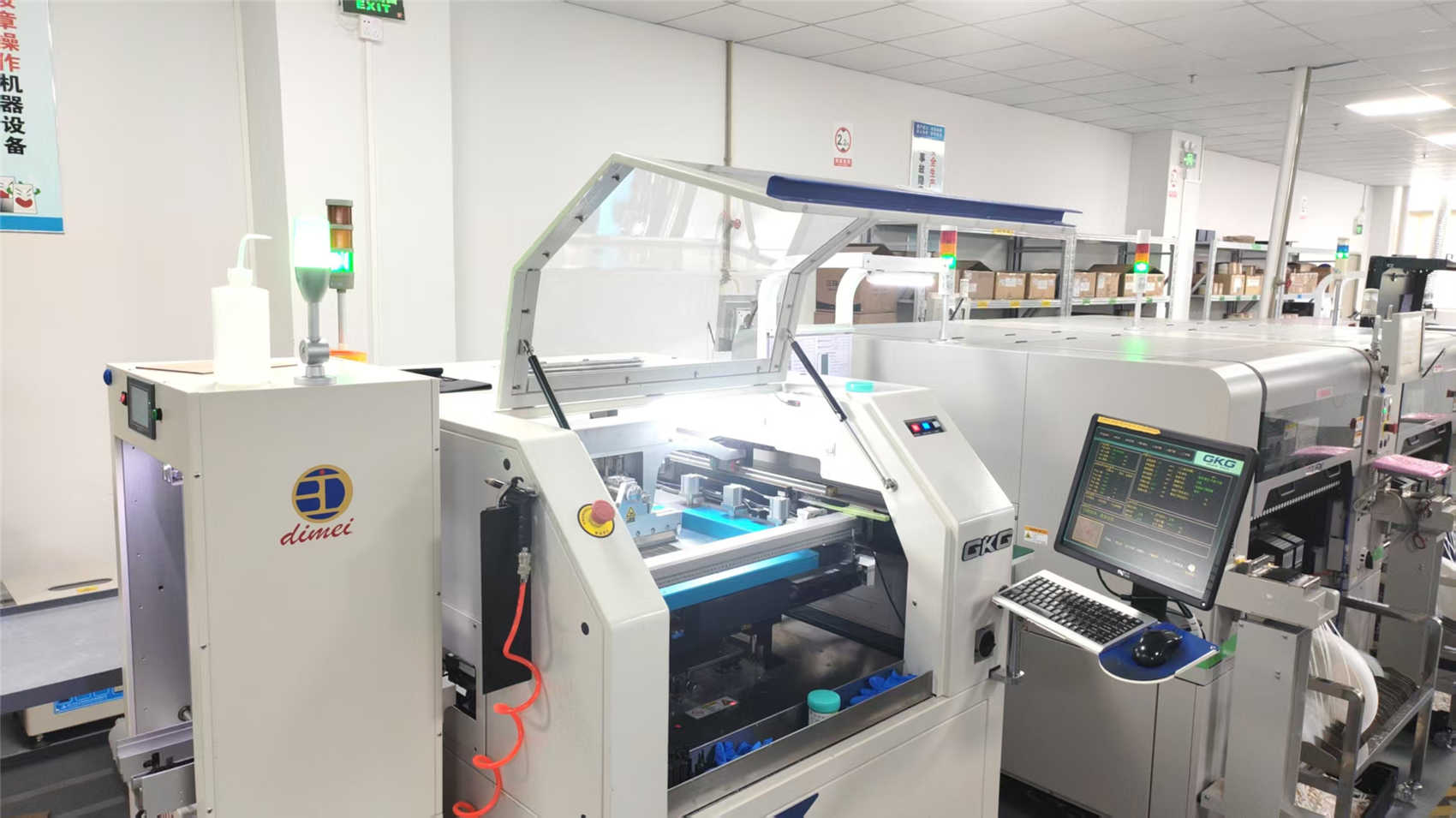
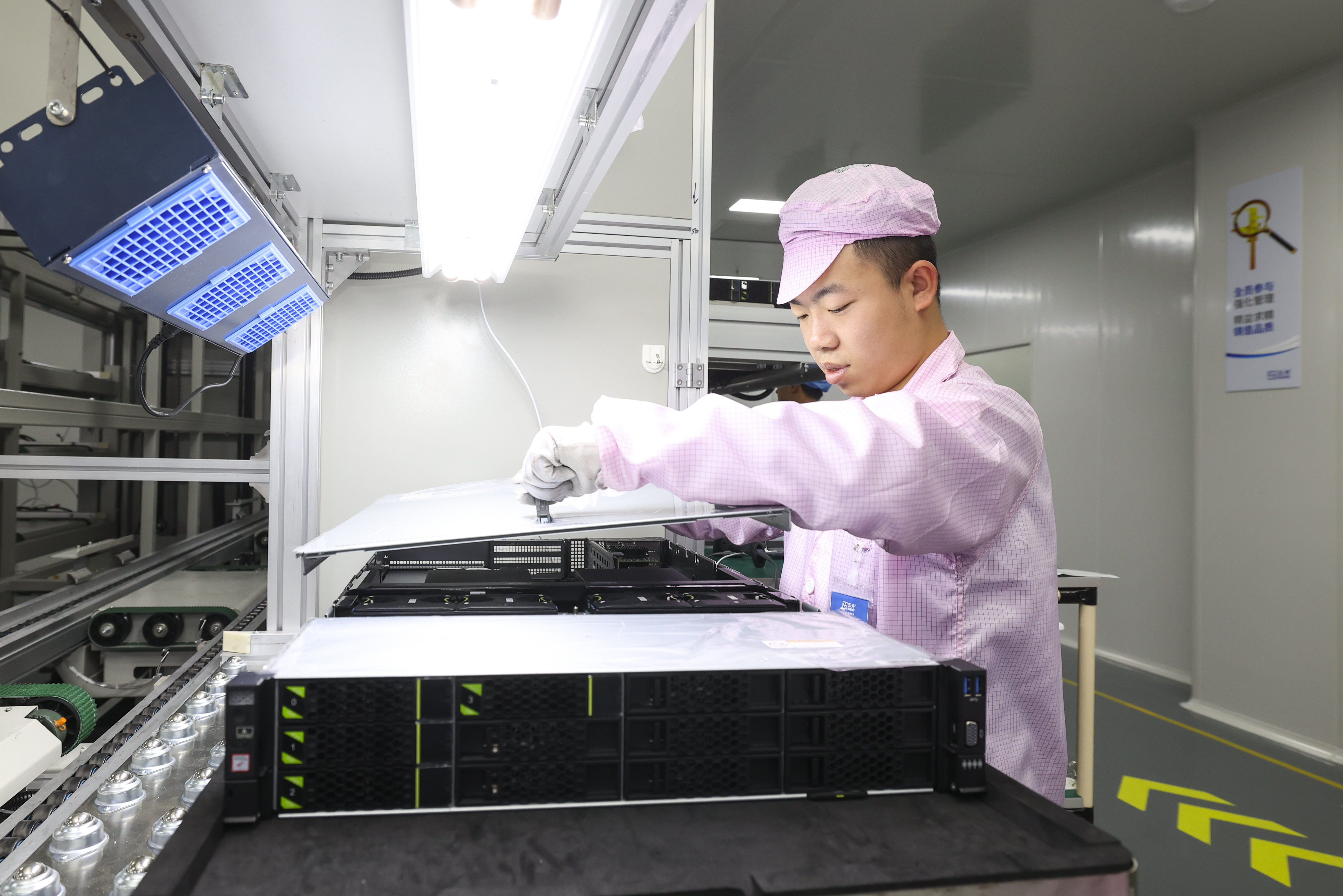
Our modern manufacturing facility features a building footprint of approximately 320㎡ and is equipped with automated SMT, DIP, and assembly lines. CoreByte maintains an annual export volume of approximately USD 12 million, supported by 6 years of export experience and 9 years of industry experience in high-reliability semiconductor packaging and systems.
Quality assurance is integrated throughout our production processes. CoreByte operates an ISO9001-certified quality management system, employing automated optical inspection (AOI) and high-temperature dynamic testing chambers to ensure the stability and compatibility of every production lot. Our quality division is staffed by 45 inspectors, verifying that all output meets relevant international performance and reliability criteria.
We maintain a customer-focused approach, supplying key infrastructure regions across North America, Europe, Southeast Asia, and the Middle East. Operating a partner network of more than 1,200 suppliers, we maintain consistent access to raw materials and shipping routes for stable delivery timelines.
Our client base includes OEM system integrators, server builders, industrial motherboard brands, and cloud service providers. Through our design and engineering resources, we provide tailored integration services, including custom PCB layout adjustments, signaling rate tuning, custom thermal dissipation designs, and OEM branding configurations. We invest continuously in engineering design, supported by 85 R&D engineers who launch approximately 120 new product variations annually to meet shifting performance requirements in AI computing, network nodes, and high-frequency workstation applications.
 CoreByte