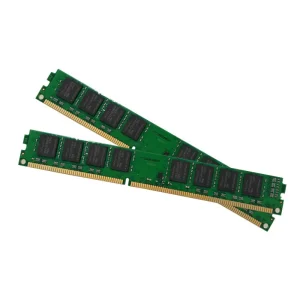
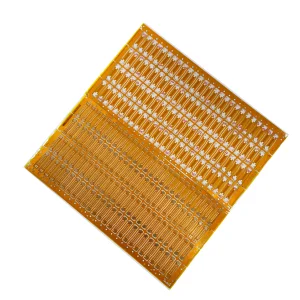
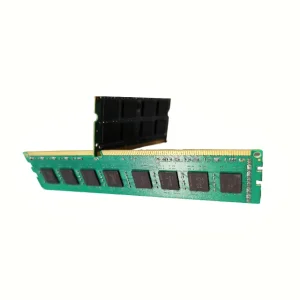
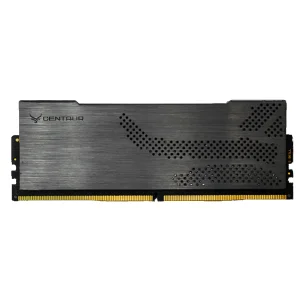
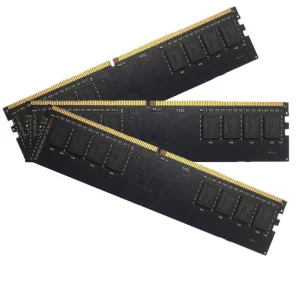
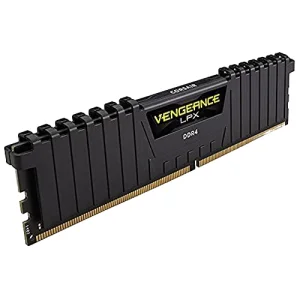
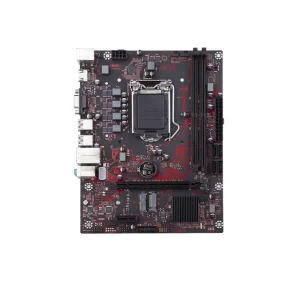
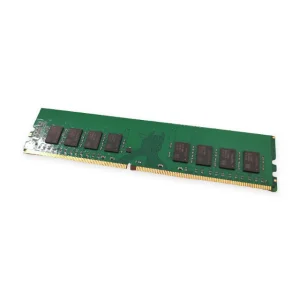
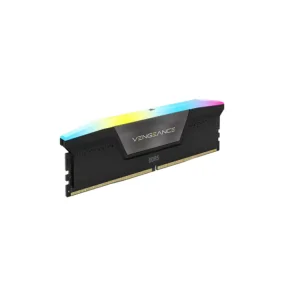
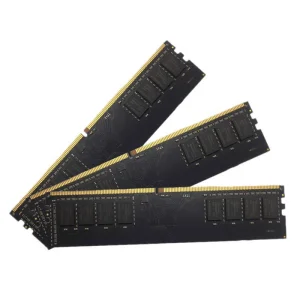
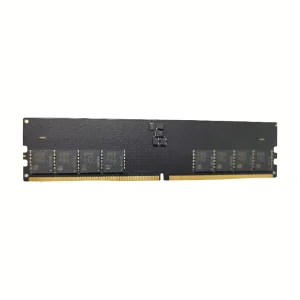
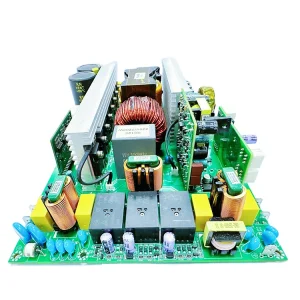
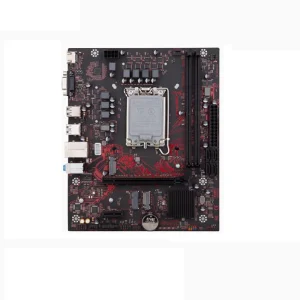
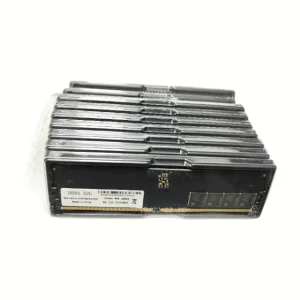
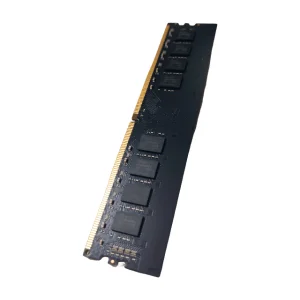
Explore our top-tier semiconductor memory modules, customized PCBs, and integrated device cooling substrates engineered for intensive operations.
How top-tier system designers utilize structural heat dissipation to achieve 99.99% operational uptime in data centers and high-power electronics.
As microprocessors, high-speed DRAM modules (like enterprise DDR5 and DDR4 lines), and power conversion electronics scale to sub-nanometer nodes, the heat flux density generated at the die level has escalated to unprecedented levels. Modern high-frequency electronics operate near thermal limit thresholds, making heat sinks the foundational gatekeeper of system longevity and reliability.
Globally, procurement systems have transitioned from buying off-the-shelf catalog cooling components to partnering directly with comprehensive manufacturing platforms. A high-efficiency thermal program must balance conduction metrics (thermal conductivity $k$ of base alloy matrices), convection interfaces (engineered surface area profile), and fluid flow dynamics to achieve minimum thermal resistance ($R_{th}$).
From aluminum extrusion networks in Southern China to custom copper-bonded skived fin facilities, navigating the wholesale ecosystem requires a deep mechanical understanding of materials science, structural constraints, and localized supply configurations.
Analyze the exact manufacturing methodologies implemented in Chinese production facilities to select the correct price-to-performance profile for your hardware stack.
The industry benchmark for standard thermal management. Raw aluminum billets are heated and forced through precision dies to form continuous linear profiles with integrated longitudinal fins. This method delivers high mechanical rigidity, solid thermal conductivity, and the lowest cost-per-gram ratio.
Best suited for standard desktop memory heat spreaders, board-level regulators, and general power electronics. CNC secondary operations are utilized for localized mounting modifications and hole patterns.
A specialized process where fins are sliced directly from a solid block of copper or aluminum using a sharp, oscillating tool. Because the fins and the base plate are part of the same physical piece of metal, there is zero joint resistance—delivering superior heat transfer efficiency compared to bonded or soldered assemblies.
This process enables extremely high fin density, thinner fins, and high aspect ratios, which are critical for high-airflow server rack units and forced-convection CPU cooling configurations.
Integrating heat pipes and vapor chambers directly into the base plate configurations. Liquid coolant sealed inside copper envelopes evaporates at hot spots, migrates to cool regions, condenses, and returns to the heat source via capillary action through internal metal wicks.
Essential for high-TDP server motherboards (like B760M and H510M systems operating under heavy multi-threaded loads) and modern ultra-performance DRAM modules running overclocked profiles.
Understanding how CoreByte Storage Technology integrates advanced thermal architecture into high-performance computing hardware.
Established in 2016, CoreByte Storage Technology Co., Ltd. has grown into a premier manufacturer of high-performance DDR5 memory, DRAM solutions, and integrated thermal architectures for global OEM, enterprise, and cloud data center environments. With over 9 years of deep industry expertise and 6 years of robust international trade experience, CoreByte has established a reliable, high-capacity hardware supply chain network.
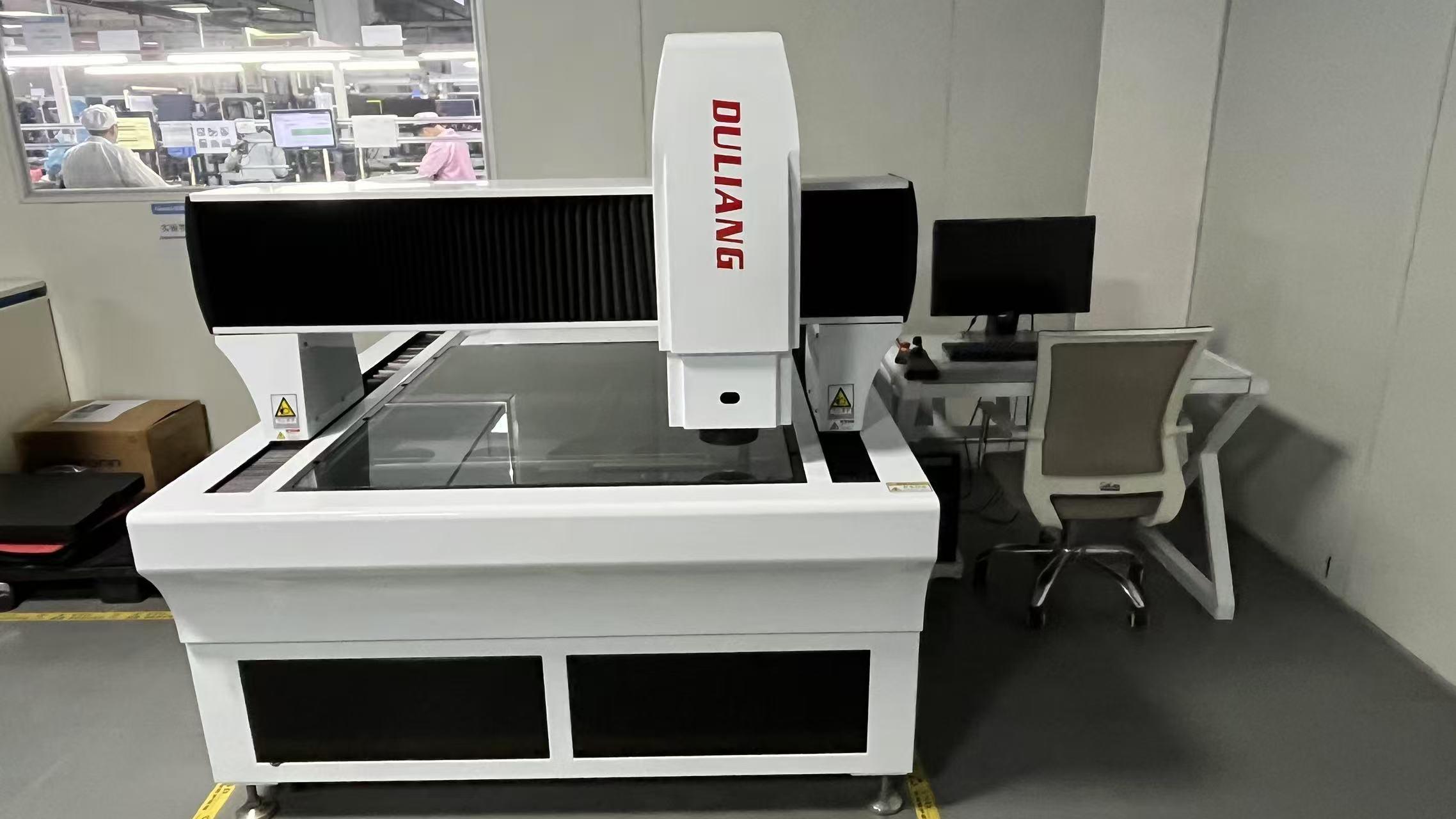
Operating out of a modern, specialized electronics validation and assembly facility (approx. 320㎡) utilizing state-of-the-art automated optical inspection (AOI) systems and thermal aging chambers, CoreByte delivers zero-defect components. Our specialized engineering division handles custom heatsink design, ensuring optimal heat dissipation on multi-layer PCBs, high-speed RAM modules, and industrial power assemblies.
Backed by a strong team of 85 dedicated R&D engineers, CoreByte launches approximately 120 new product models annually, driving performance boundaries in AI compute environments, high-density server designs, and industrial automation control systems.
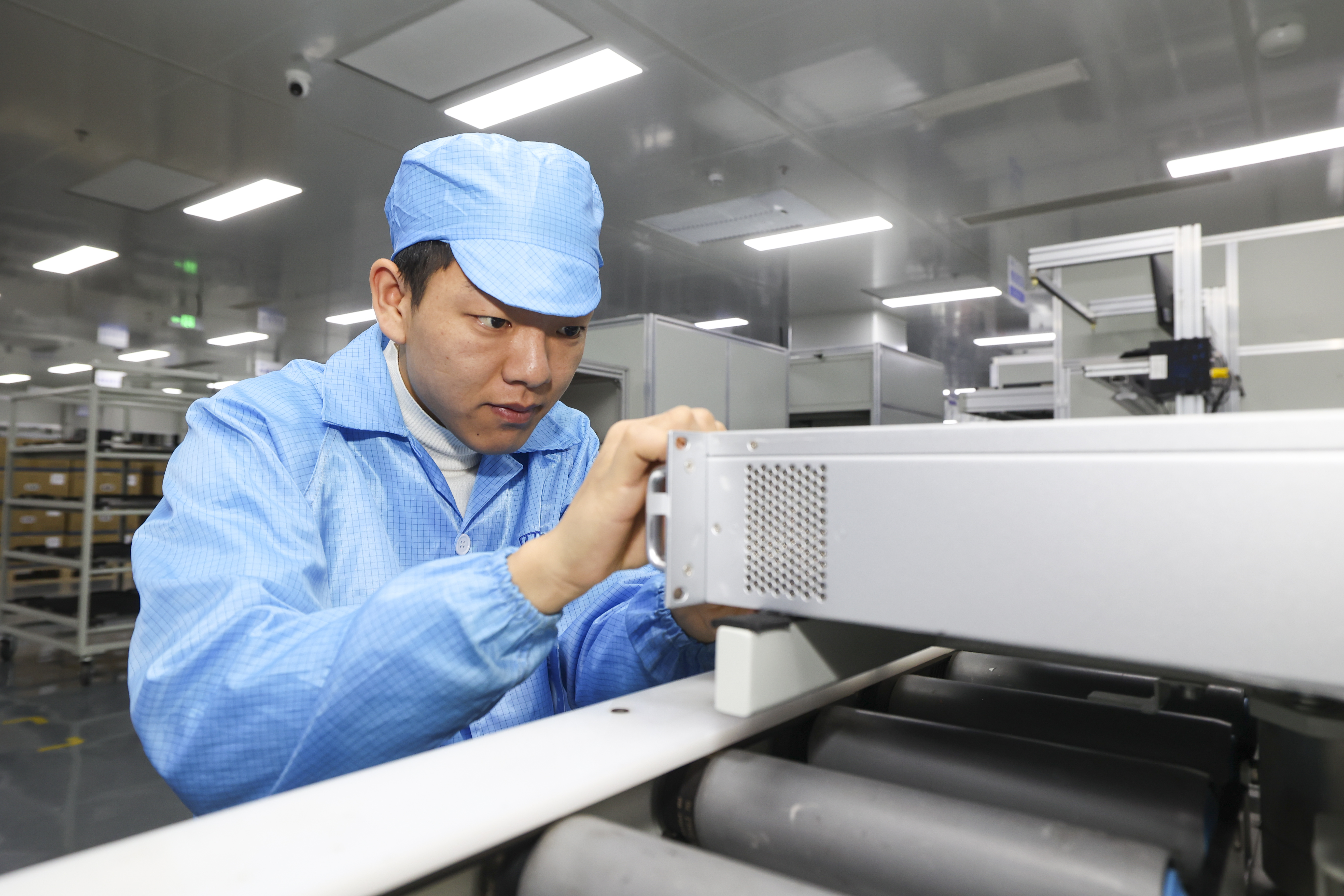
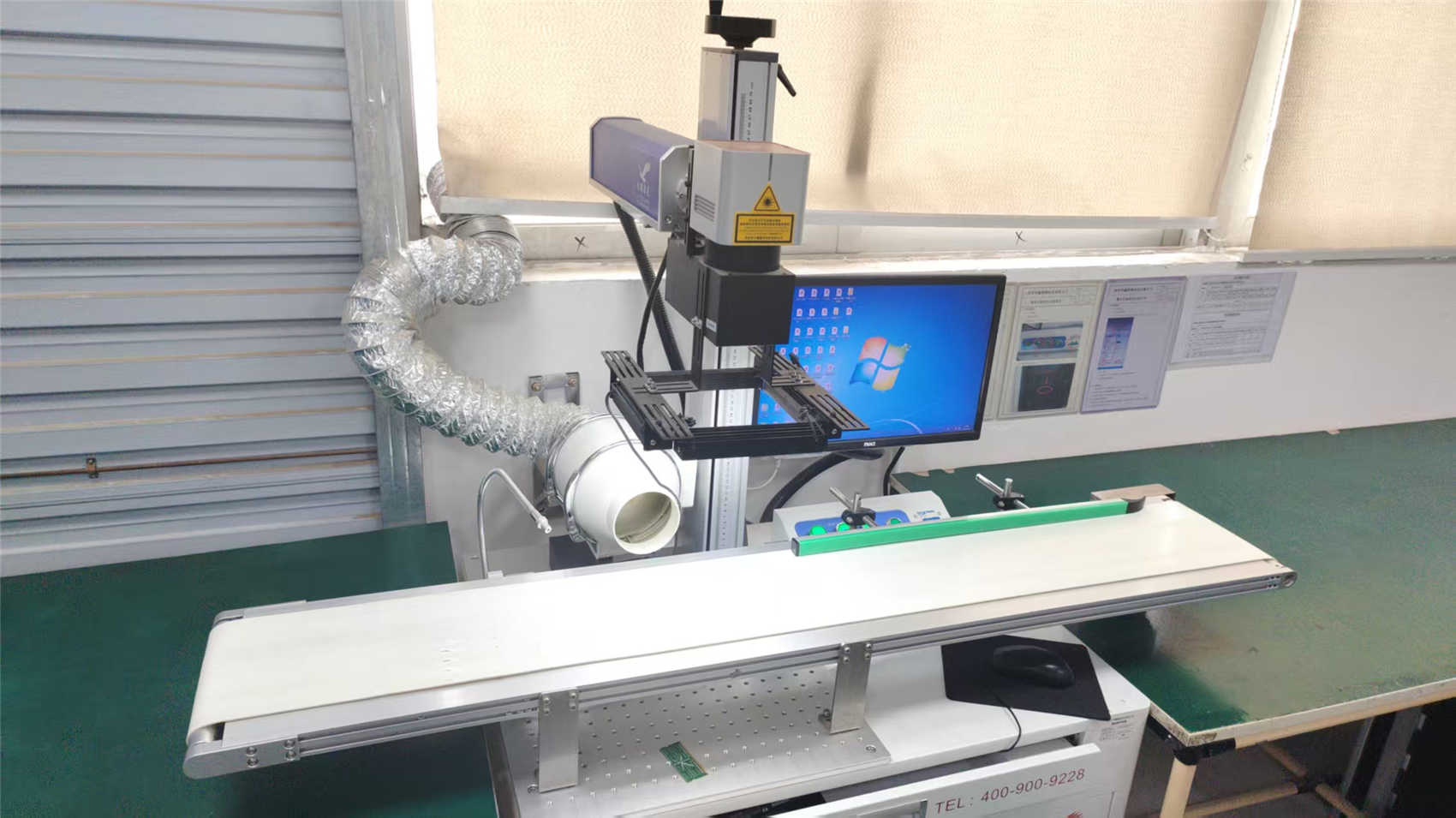
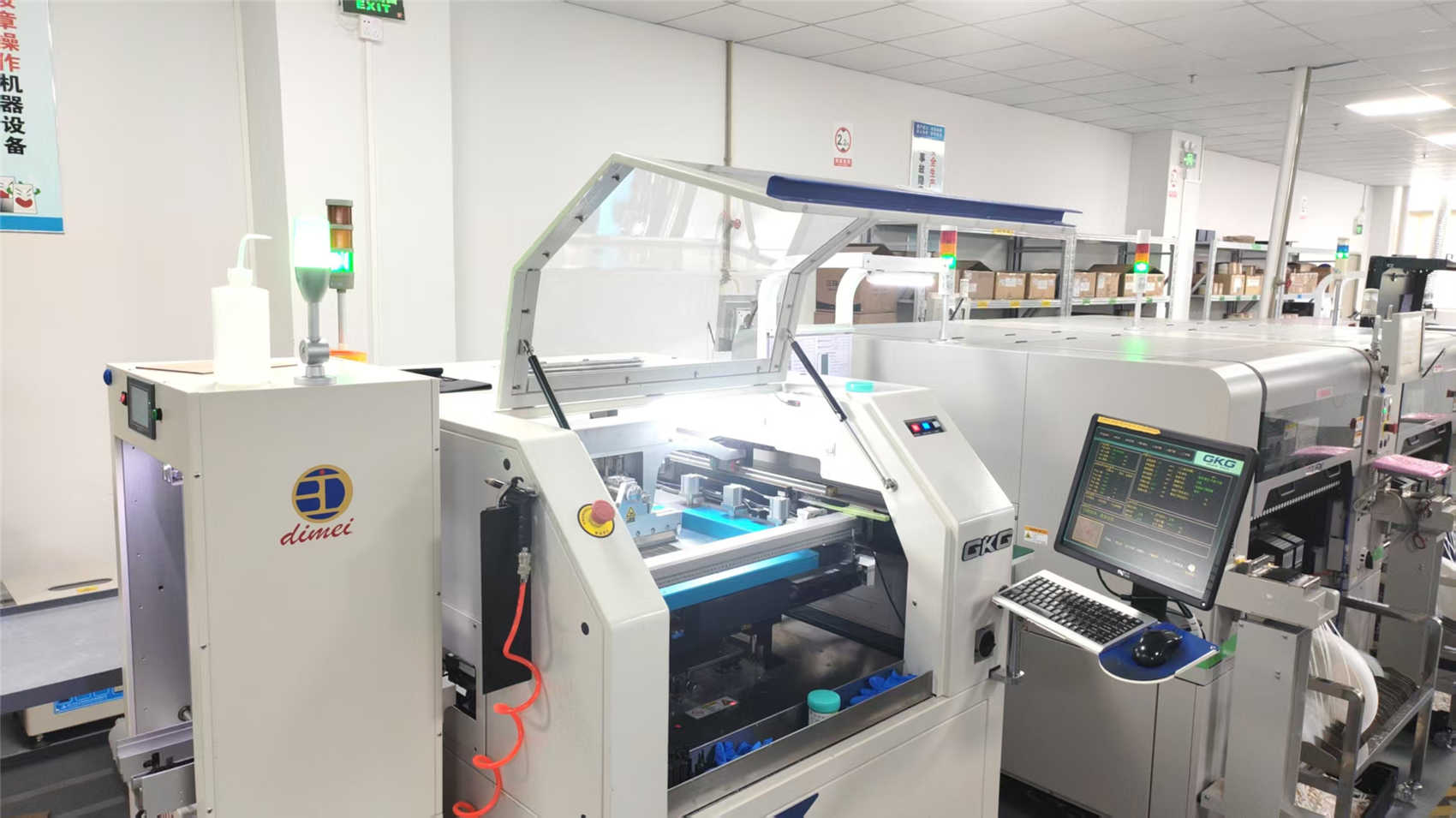
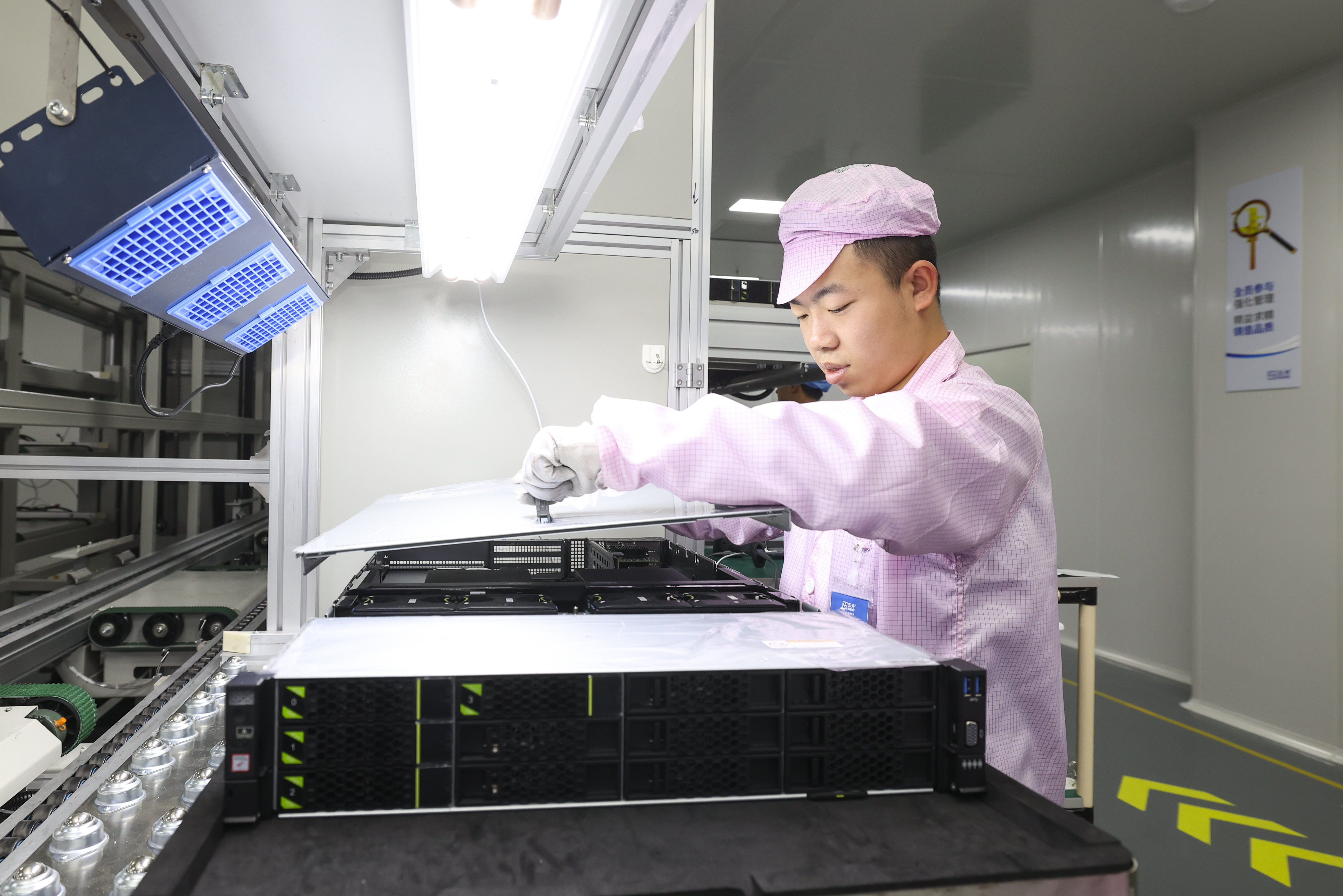
Engineered thermal systems specifically optimized for computing infrastructures, green energy, and high-frequency consumer electronics.
Data centers demand continuous operation without thermal throttling. Memory architectures, from high-performance DDR4 to high-capacity DDR5 server modules, require specialized low-profile heat spreaders. These spreaders optimize air channel velocity between densely packed DIMM slots, maintaining junction temperatures below critical limits even under continuous load.
Photovoltaic (PV) inverters undergo severe thermal cycling under high electrical loads. Direct thermal bonding to thick aluminum heat sinks is crucial. Our custom engineering designs focus on heavy die-cast assemblies and thick copper cladding to protect switching IGBT modules and prevent power conversion efficiency drops.
With space constraints in modern thin-and-light laptops, flexible PCBs (FPC) and high-density logic boards require structural cooling solutions. Combining ultra-thin graphite sheet laminations with micro-stamped copper foils provides directional thermal paths, redirecting heat away from user touchpoints and sensitive battery cells.
Motherboards operating in harsh industrial environments rely on passive thermal design to prevent particle intake from cooling fans. Designing massive, pin-fin casted heat sinks that mount directly to the CPU and VRM topologies ensures reliable heat transfer through natural convection currents.
To ensure seamless performance in global markets (including North America, Europe, Southeast Asia, and the Middle East), all thermal and memory architectures undergo strict testing protocols.
Our manufacturing processes follow structured ISO9001 guidelines to maintain consistency in metallurgy, mechanical tolerances, and interface flatness across every production batch.
AOI systems verify PCB assembly integrity and solder fillet profiles, preventing component shifting or bridge defects on complex boards before final assembly.
Components undergo continuous operation under high-temperature stress inside specialized environmental chambers to identify and eliminate early-life component failures.
All physical materials comply with RoHS and REACH standards. This ensures hazardous substance control and allows hassle-free integration into consumer and enterprise products worldwide.
Detailed technical answers to common questions about heat sink design, material choices, and manufacturing processes.
Copper offers excellent thermal conductivity ($k \approx 390 \text{ W/m·K}$), which is nearly double that of extruded aluminum ($k \approx 200 \text{ W/m·K}$). This makes copper ideal for high-flux environments where heat needs to spread quickly from small components. However, copper is heavier and more expensive. Many advanced cooling solutions use a hybrid design: a copper base plate to quickly absorb localized heat, coupled with lightweight, cost-effective aluminum fins to dissipate it to the air.
Skived fin heat sinks are ideal for space-constrained designs that require high thermal performance. Since the fins are sliced directly from the metal base, there is no thermal interface joint resistance. Skiving also allows for thinner fins and tighter fin spacing, maximizing the surface area within a compact volume. Extruded heat sinks, while more cost-effective for high-volume production, have manufacturing limits on fin density and aspect ratios.
Heat pipes and vapor chambers use two-phase liquid-to-vapor transition cycles to transfer heat quickly. They act as "superconductors," moving heat away from localized hot spots to cooler regions of the fin array. Integrating two-phase cooling is highly effective for high-power processors (TDP > 150W) and densely packed server memory arrays where standard metal conduction cannot keep up with heat generation.
Anodizing is the most common surface finish for aluminum heat sinks. It creates a protective oxide layer that resists corrosion and provides electrical insulation. Choosing a black anodized finish also improves thermal emissivity, slightly increasing heat dissipation through radiation. For solderable designs, electroless nickel plating is often applied to ensure proper bonding to copper cores or PCBs.
For high-performance DDR5 memory modules operating at 6000MHz and above, the power management integrated circuits (PMIC) generate localized heat directly on the module. CoreByte designs custom-molded, slim aluminum heat spreaders embedded with high-performance thermal interface materials (TIM). This ensures even heat distribution across the DRAM chips and PMIC, preventing thermal throttling and maintaining stable data transmission.
Explore our full line of enterprise DDR5/DDR4 DRAM modules, power inverter boards, and motherboard solutions designed for global system integration.
 CoreByte