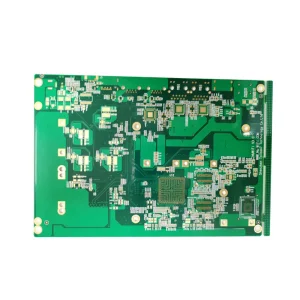
In the modern era of computing, telecommunications, and automated industrial networks, multilayer printed circuit boards (PCBs) act as the central nervous system of complex electrical assemblies. As signal speeds escalate and structural boundaries contract, the electronics industry has transitioned rapidly from simple dual-layer boards to complex, high-density, multi-layered configurations. Today, high-frequency multilayer PCBs—frequently exceeding 10 to 30 layers—are mandatory in high-performance computing, cloud storage architectures, telecommunications base stations, aerospace instrumentation, and high-reliability automotive systems.
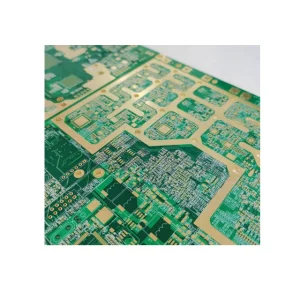
The global demand for high-reliability multilayer boards is driven by the paradigm shift towards artificial intelligence (AI), edge computing, and high-frequency RF applications. These applications demand minimal signal degradation, zero circuit impedance variations, and highly complex power distribution networks (PDNs). To support components like PCIe Gen 5/6 architectures, DDR5 memory subsystems, and high-frequency multi-gigabit transceivers, multilayer PCBs must employ state-of-the-art dielectric materials and advanced high-density interconnect (HDI) manufacturing methods.
China has transitioned from a high-volume PCB assembler to the global epicenter for precision multilayer board engineering. Chinese manufacturing hubs combine raw material availability with highly integrated supply chains, allowing rapid delivery of complex multilayer designs. Key structural advantages of China-based manufacturers include:
Selecting the appropriate substrate material is critical to managing signal attenuation, thermal expansion, and mechanical stresses. The table below outlines the core properties of primary laminates used in high-reliability multilayer PCB manufacturing.
| Substrate Material | Dielectric Constant (Dk @ 10GHz) | Dissipation Factor (Df @ 10GHz) | Glass Transition Temp (Tg) | Primary Application Area |
|---|---|---|---|---|
| Standard FR-4 | 4.2 - 4.5 | 0.015 - 0.020 | 130°C - 140°C | Consumer electronics, standard power supplies, general controllers. |
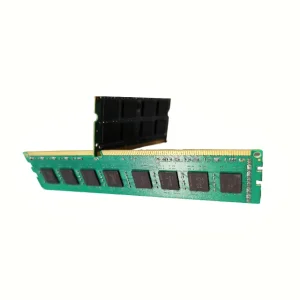
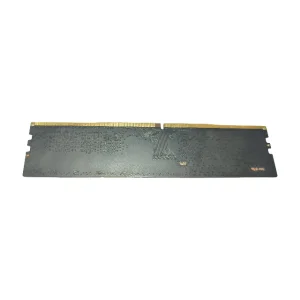
| High-TG FR-4 (e.g. Shengyi TG170) | 3.9 - 4.1 | 0.012 - 0.015 | 170°C - 180°C | High-density memory modules, industrial server motherboards, LED systems. |
| Rogers RO4350B / RO4003C | 3.48 - 3.55 | 0.0021 - 0.0037 | >280°C | Microwave / RF transceivers, radar systems, high-speed telecom routers. |
| PTFE/Teflon Substrates | 2.1 - 2.6 | 0.0009 - 0.0012 | N/A (Softens) | Military communication networks, high-frequency aerospace arrays. |
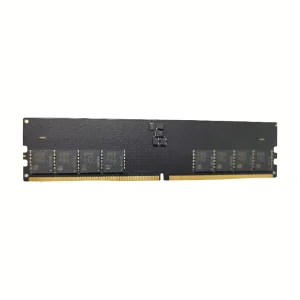
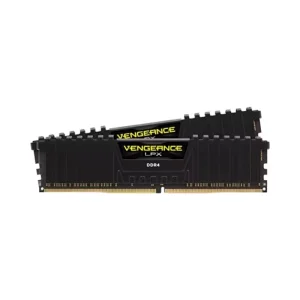
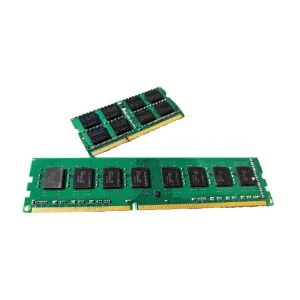
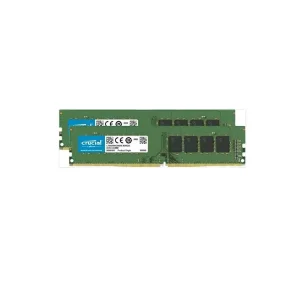
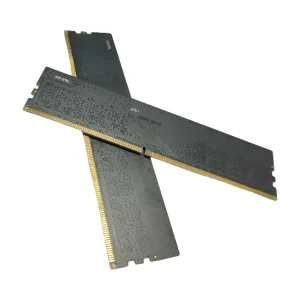
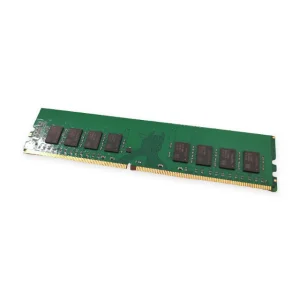
CoreByte Storage Technology Co., Ltd. is a professional DDR5 memory and DRAM solution manufacturer specializing in high-performance memory modules for global OEM, enterprise, and data center applications. Established in 2016, the company has developed strong capabilities in R&D, production, and international trade, focusing on stable, high-speed, and energy-efficient memory products.
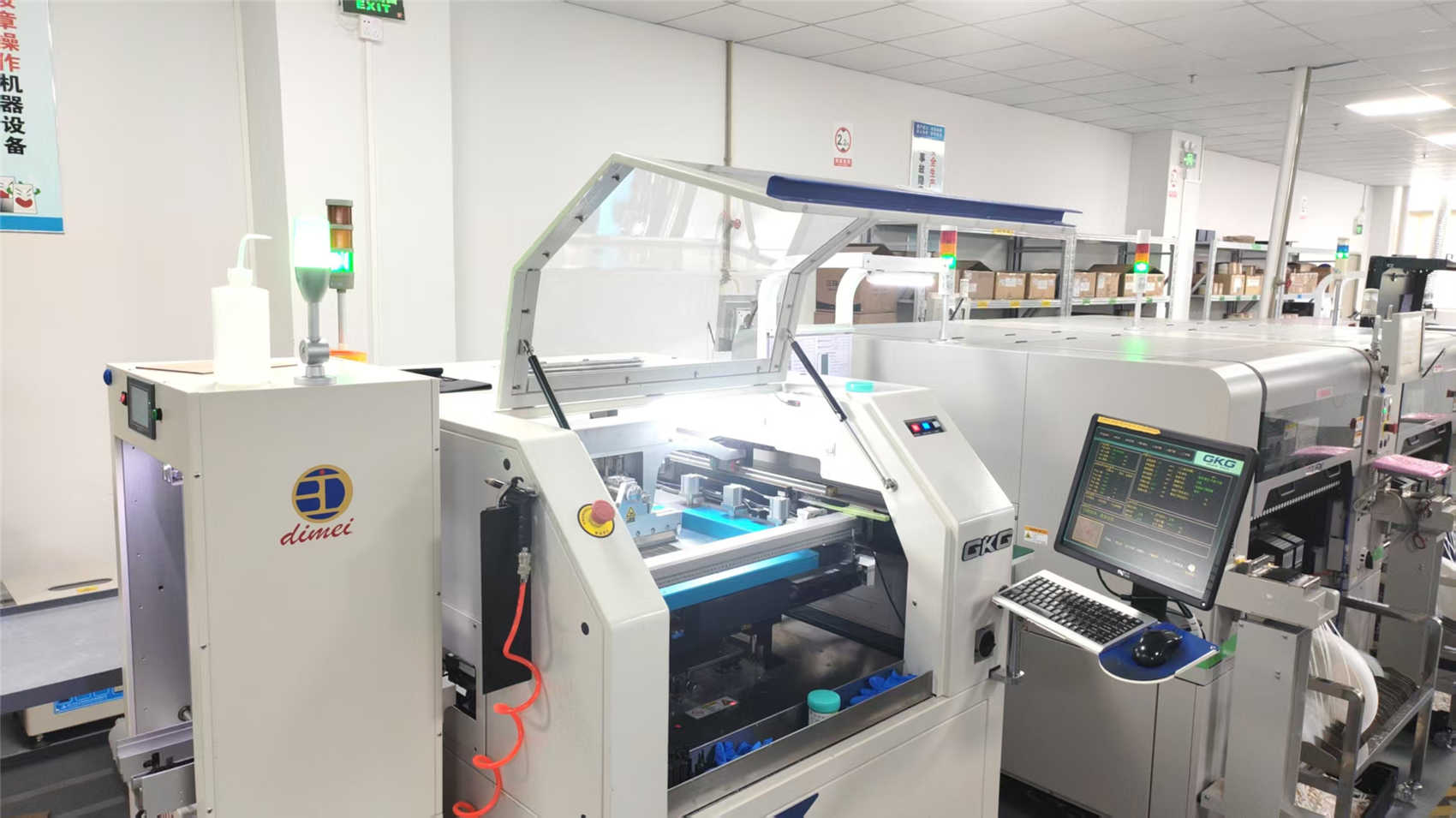
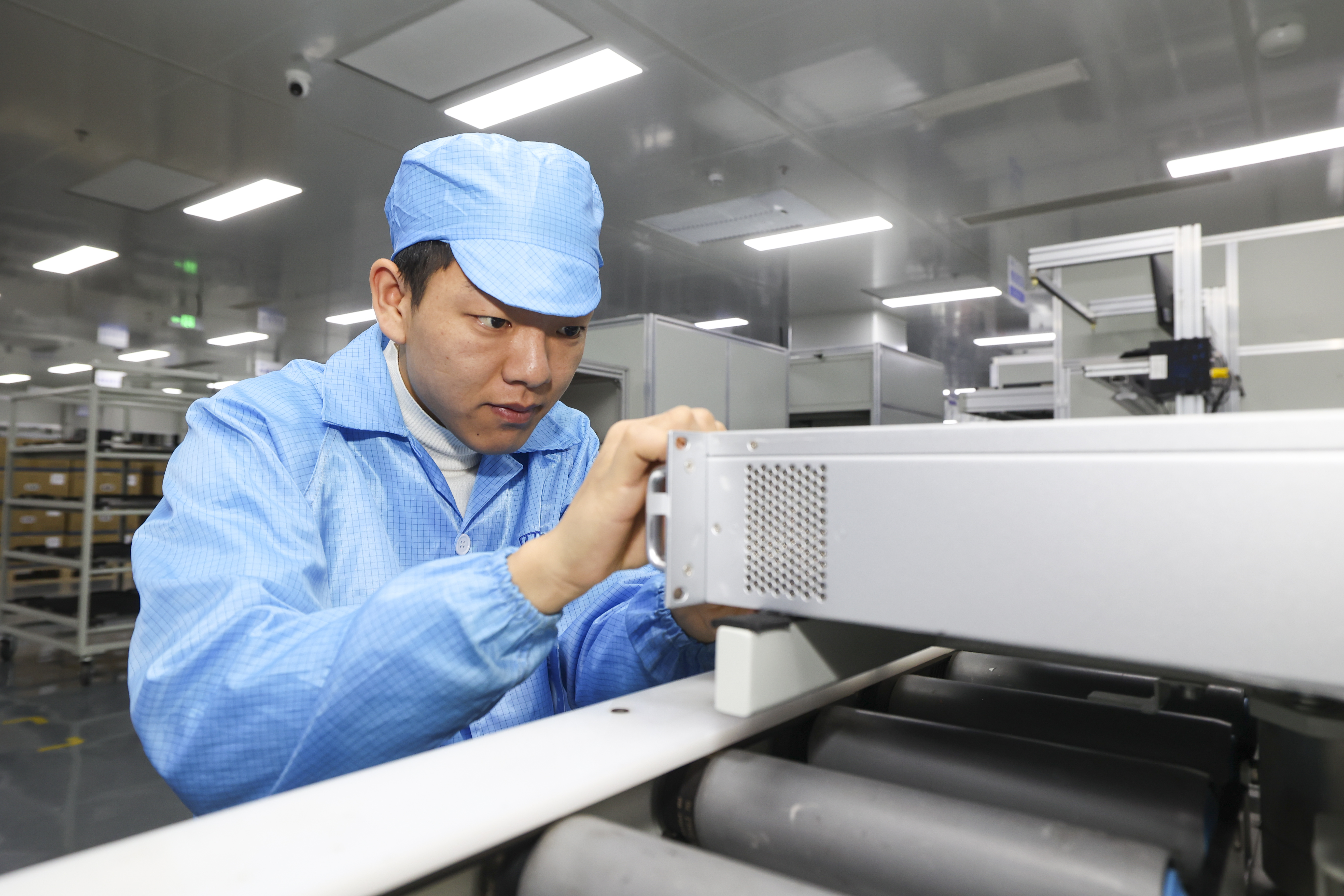
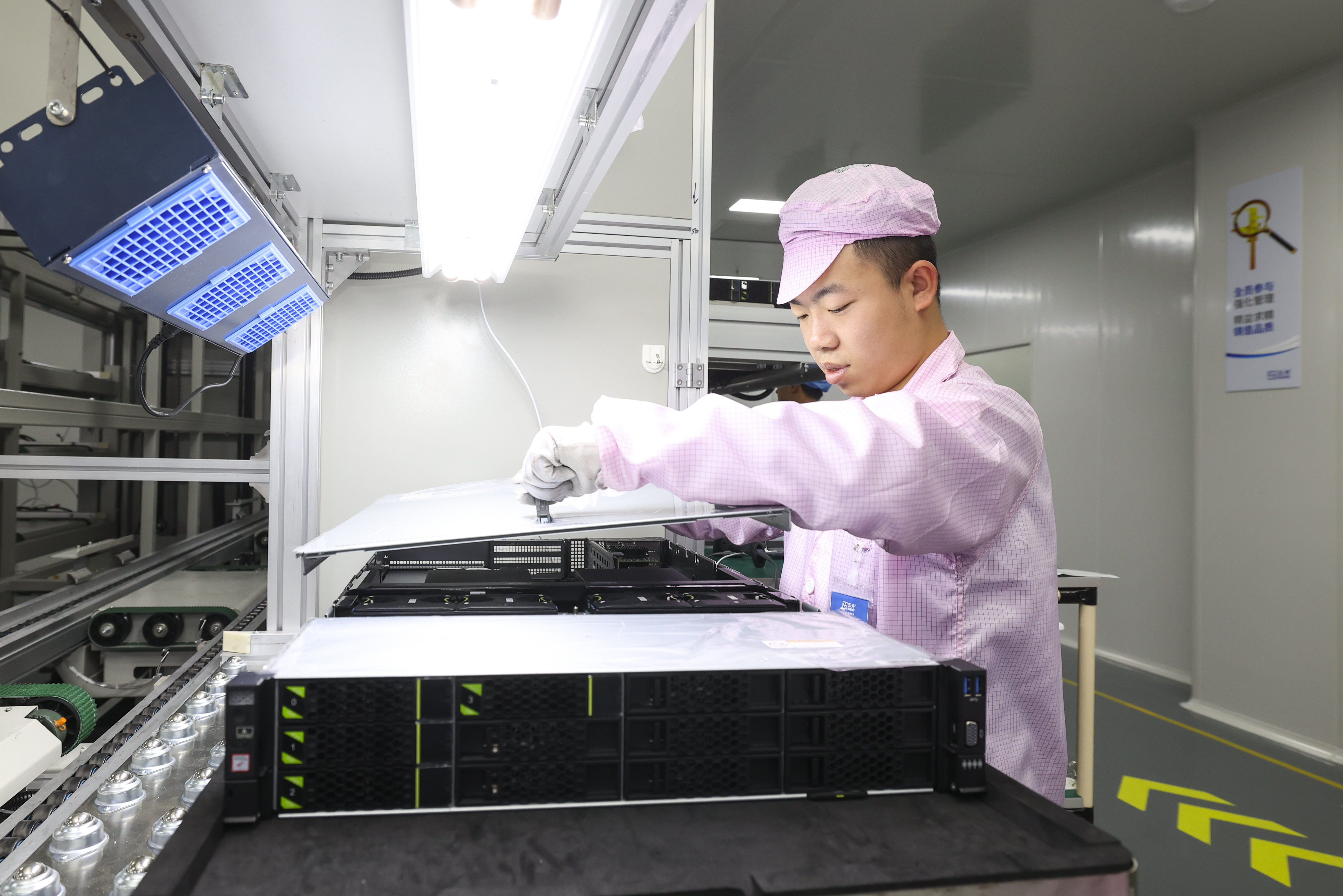
The company operates a modern manufacturing facility with a total building area of approximately 320㎡, equipped with advanced production and testing equipment to ensure strict quality control standards. CoreByte has an annual export revenue of around USD 12 million, with 6 years of export experience and over 9 years of industry experience in memory and semiconductor-related solutions.
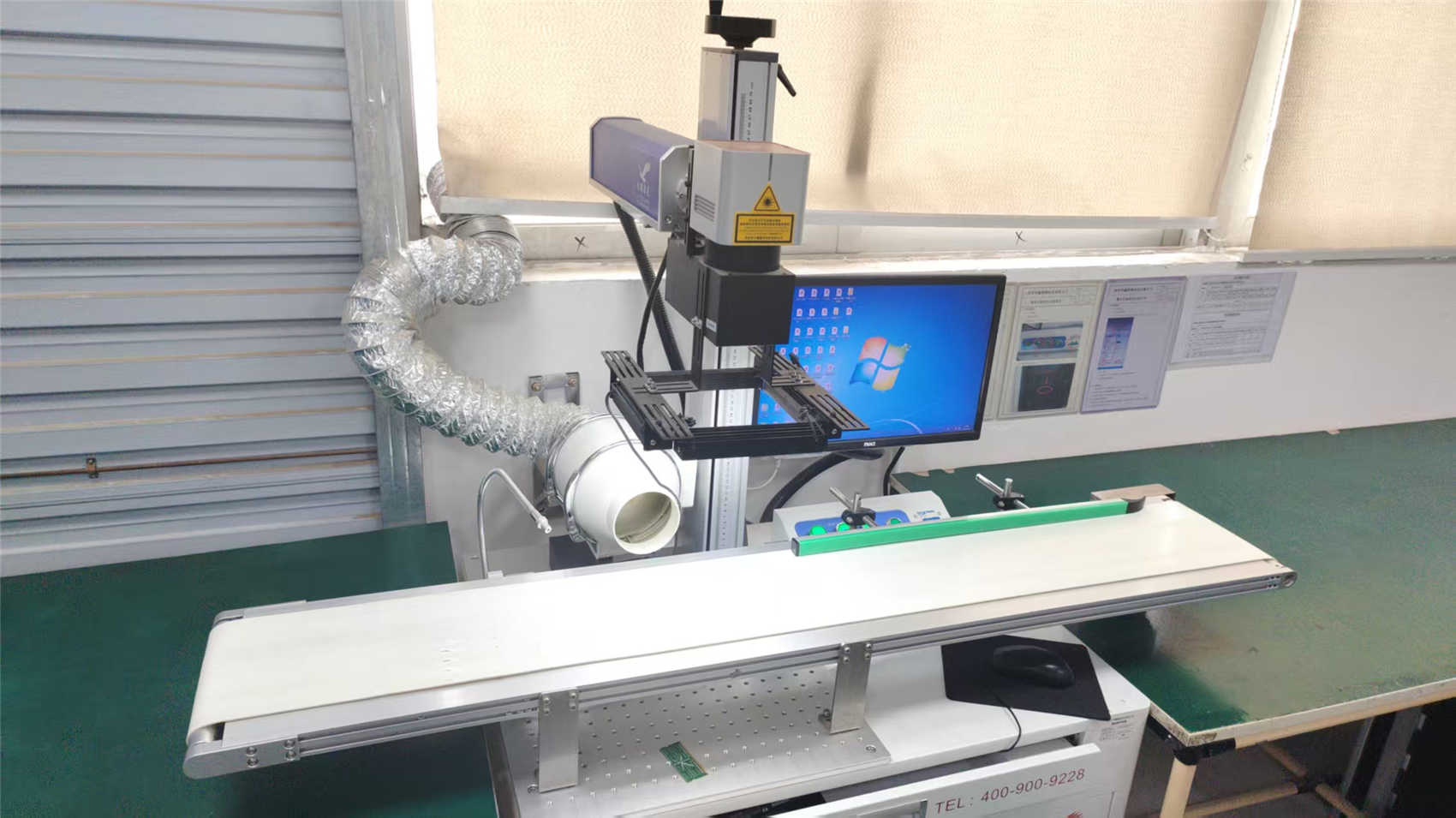
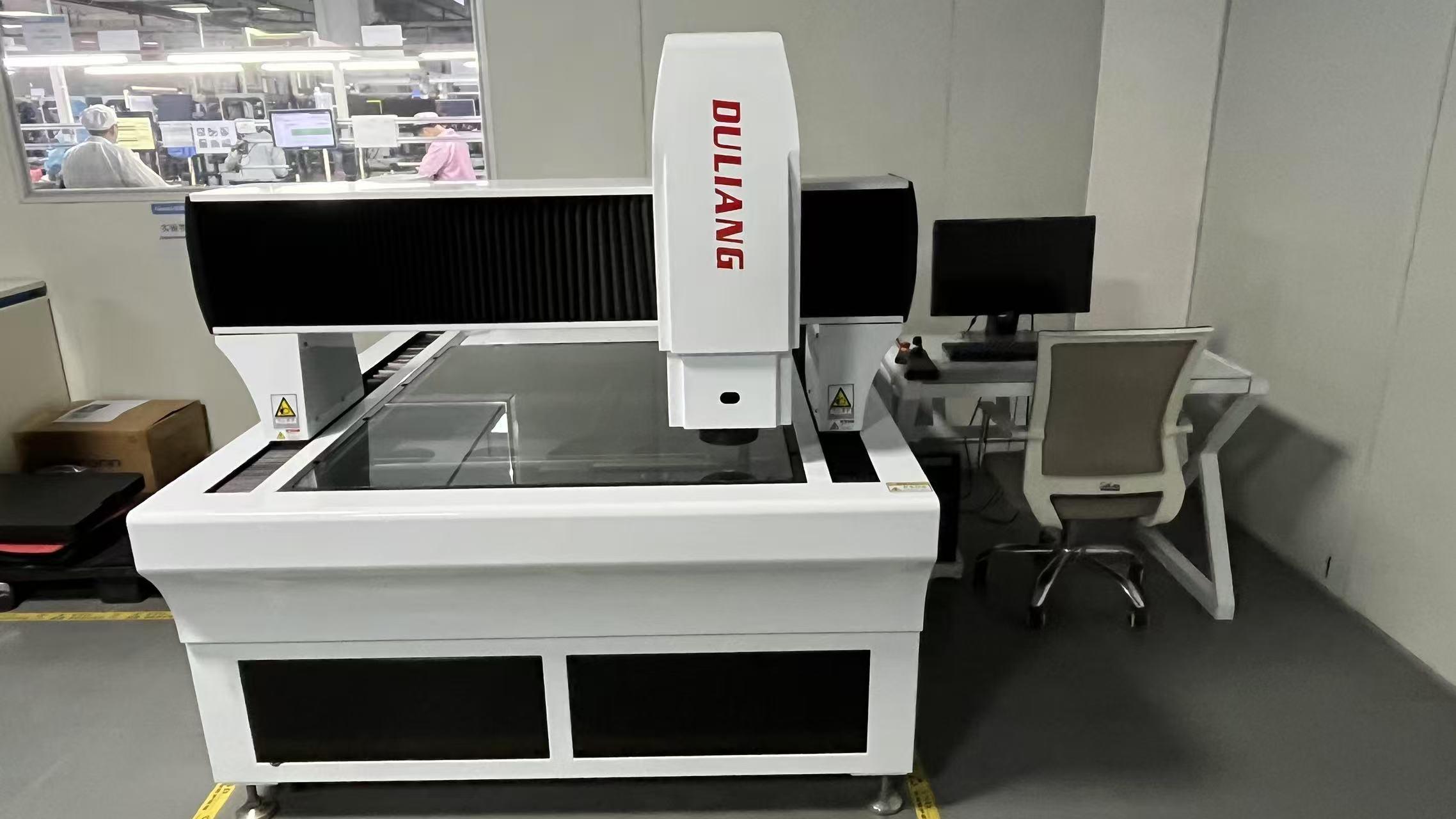
Quality assurance is a core priority at CoreByte. The company implements ISO9001-based quality management systems, combined with automated optical inspection (AOI) and high-temperature aging tests to ensure product stability and compatibility. The quality control team consists of 45 dedicated inspectors, ensuring every batch meets international performance standards.
CoreByte maintains a strong trade-oriented business background, serving key markets including North America, Europe, Southeast Asia, and the Middle East. The company has established a reliable global supply chain network with more than 1,200 supply chain partners, supporting stable production and fast delivery.
Its primary customers include OEM system integrators, server manufacturers, industrial computer brands, and data center solution providers. With strong engineering capabilities, CoreByte offers advanced customization services, including PCB design optimization, frequency tuning, thermal solution adjustment, and branding customization.
The company invests heavily in innovation, with 85 R&D engineers and launching approximately 120 new product models annually to meet evolving market demands in AI computing, cloud infrastructure, and high-performance gaming systems.
CoreByte continues to strengthen its position as a trusted global DDR5 memory supplier, committed to delivering reliable, high-speed, and cost-effective memory solutions to customers worldwide.
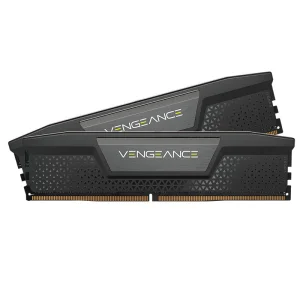
Multilayer structures support DDR5 routing, PCIe Gen 5 high-speed lines, and high-frequency processors. Our expertise in high-power dissipation circuits ensures minimum crosstalk and stable power grids for intensive calculation loads.
Reliability is paramount in medical hardware. Multilayer PCBs with custom ENIG surface finishes ensure long-term stability and high-integrity signal routes in delicate systems like MRI scanning tables and patient monitors.
Modern vehicles rely on radar sensors and complex Advanced Driver Assistance Systems (ADAS). Utilizing high-frequency mixed-pressure boards provides structural thermal cycling resistance up to 150°C and minimizes high-frequency loss.
 CoreByte