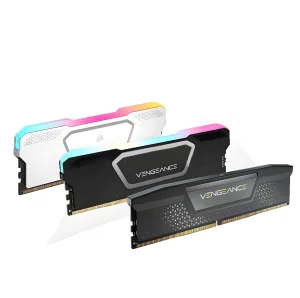
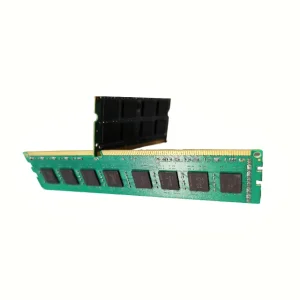
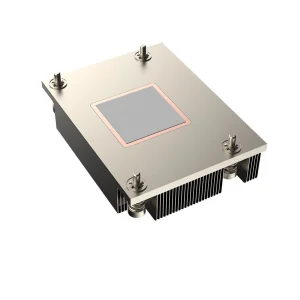
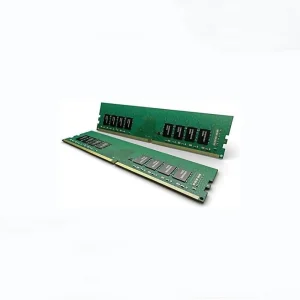
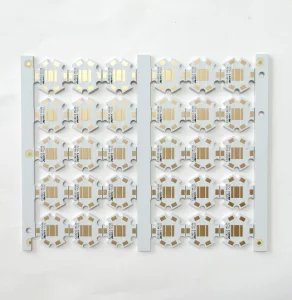
Explore our cutting-edge DDR5/DDR4 high-speed modules and thermal solutions engineered for performance-critical architectures.
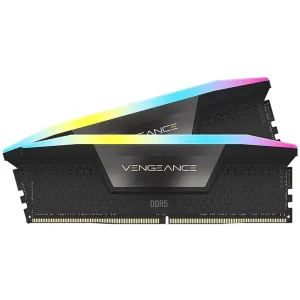
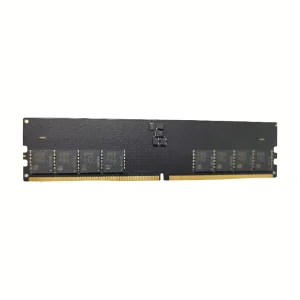
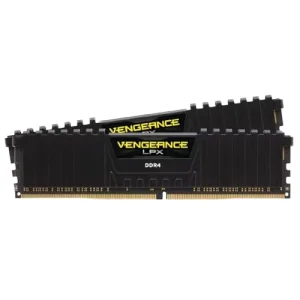
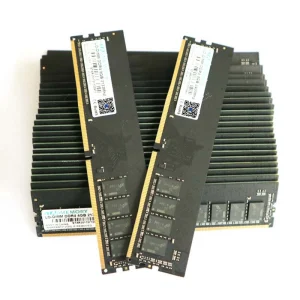
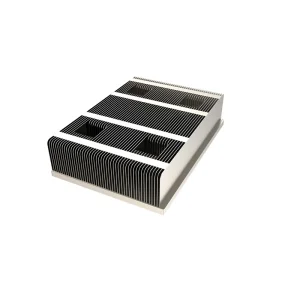
Established in 2016, CoreByte Storage Technology Co., Ltd. has positioned itself at the vanguard of DRAM innovation and semiconductor solutions. With nearly a decade of intense market presence, our core mission centers on delivering high-integrity memory modules and advanced server cooling technologies tailored for OEMs, cloud integrators, and high-performance computing centers worldwide.
Operating from a state-of-the-art facility featuring 320㎡ of cleanroom environments and high-precision SMD lines, we manage assembly, testing, and distribution processes under rigorous ISO9001-based quality workflows. We balance technical proficiency with highly agile manufacturing timelines, outputting an annual export volume valued at USD 12 million.
By bridging the gap between chip level architecture and final systems application, CoreByte ensures every DDR4, DDR5, and custom server thermal solution is thoroughly validated for long-term endurance, thermal dissipation limit, and cross-platform motherboard compatibility.
Our facilities implement **Automated Optical Inspection (AOI)** and high-temperature aging chambers to eliminate early-stage component failure. Backed by **45 dedicated inspectors**, our validation process complies fully with JEDEC standards.
Our team of **85 R&D engineers** pushes boundaries to introduce approximately **120 new models annually**. We specialize in high-frequency validation, specialized PMIC configuration, and tailored heat spreader designs.
The global electronics supply chain has transformed from a focus on "just-in-time" delivery to a matrix of resilience, reliability, and security. Enterprise procurement departments, data center infrastructure engineers, and automotive electronics purchasers face unprecedented challenges in securing long-term supplies of high-reliability components. Chief among these challenges are component lifecycle management, physical layer signal integrity at higher data rates, and the integration of power management sub-systems.
Data centers and telecom equipment operate 24/7/365. Standard commercial DRAM cannot withstand these thermal and duty cycle profiles. Procurement teams require component suppliers that detail their Mean Time Between Failures (MTBF) and carry out 100% burn-in testing.
Counterfeit component mitigation and strict traceability have become major security criteria. Enterprises expect complete transparency on die sources (such as Micron, Samsung, SK Hynix) and clear trace documentation from initial wafer processing to final module assembly.
As chip densities scale up, heat output expands exponentially. Memory modules and server processors require co-designed heatsinks, high-conductivity copper bases, and optimized mechanical spacing to avoid localized thermal throttling.
To meet these procurement requirements, CoreByte combines international procurement protocols with localized agility. Leveraging over **1,200 supply chain partners**, we stabilize material lead times for critical components (such as passives, PCBs, and specialized PMICs) and secure wafer allocations even during tight global supply periods. This ensures our clients receive uninterrupted shipments, safeguarding production schedules and reducing buffer-stock overheads.
High-quality electronic components do not operate in isolation; they must form part of broader industrial ecosystems. Modern application environments demand a systems-level design approach where motherboard layouts, memory protocols, and cooling systems work together to optimize performance.
Large-scale AI model training and inference require massive data throughput and ultra-low latency. Standard memory setups quickly become systems bottlenecks. CoreByte’s DDR5 Avenger and server-class RAM ranges address this need by providing frequencies up to **6800MHz**, featuring **on-die ECC (Error Correction Code)** and sub-channel architectures.
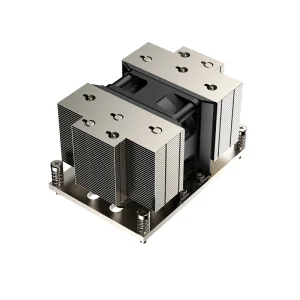
To prevent system instability, our memory modules are matched with custom passive copper-based 1U heat sinks. These heat sinks are designed to sit within high-density server chassis, maintaining low component temperatures and preventing signal attenuation or thermal runaway.
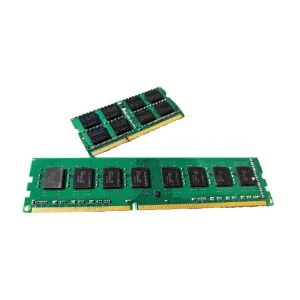
Deployments in edge locations, factory automation terminals, and telecommunications towers demand mechanical durability and resistance to extreme temperatures. Our SODIMM memory options, industrial-grade ECC modules, and high-frequency DDR4 sticks are treated with conformal coatings to protect against moisture and particulate matter.
Combined with our high-thermal-conductivity aluminum PCB substrates, these modules are optimized to handle severe vibrations and wide thermal ranges (from -40°C to +85°C), ensuring long system runtimes in rugged settings.
The semiconductor landscape is driven by continuous scaling and speed improvements. As JEDEC finishes defining future DDR6 standards and server architectures move toward CXL (Compute Express Link), the design of memory and thermal solutions must keep pace. CoreByte is aligning its design and testing processes to support these next-generation requirements:
Moving beyond 8400 MT/s requires advanced impedance matching and precise signal tracking. We are currently testing prototypes to ensure physical layer stability at these speeds.
Designing memory expanders that sit on the PCIe bus to allow dynamic pooling of DRAM resources across large-scale server clusters.
Upgrading server cooling from passive solid copper to active vapor chambers, supporting TDP loads exceeding 350W within 1U and 2U heights.
Integrating halogen-free substrates and energy-efficient PMICs to align with global environmental and green data center directives.
Additionally, our R&D efforts are focused on the integration of smart thermal solutions. Future server coolers will feature embedded micro-sensors to provide real-time thermal telemetry directly to data center orchestration software, enabling predictive cooling adjustments and reducing overall energy consumption.
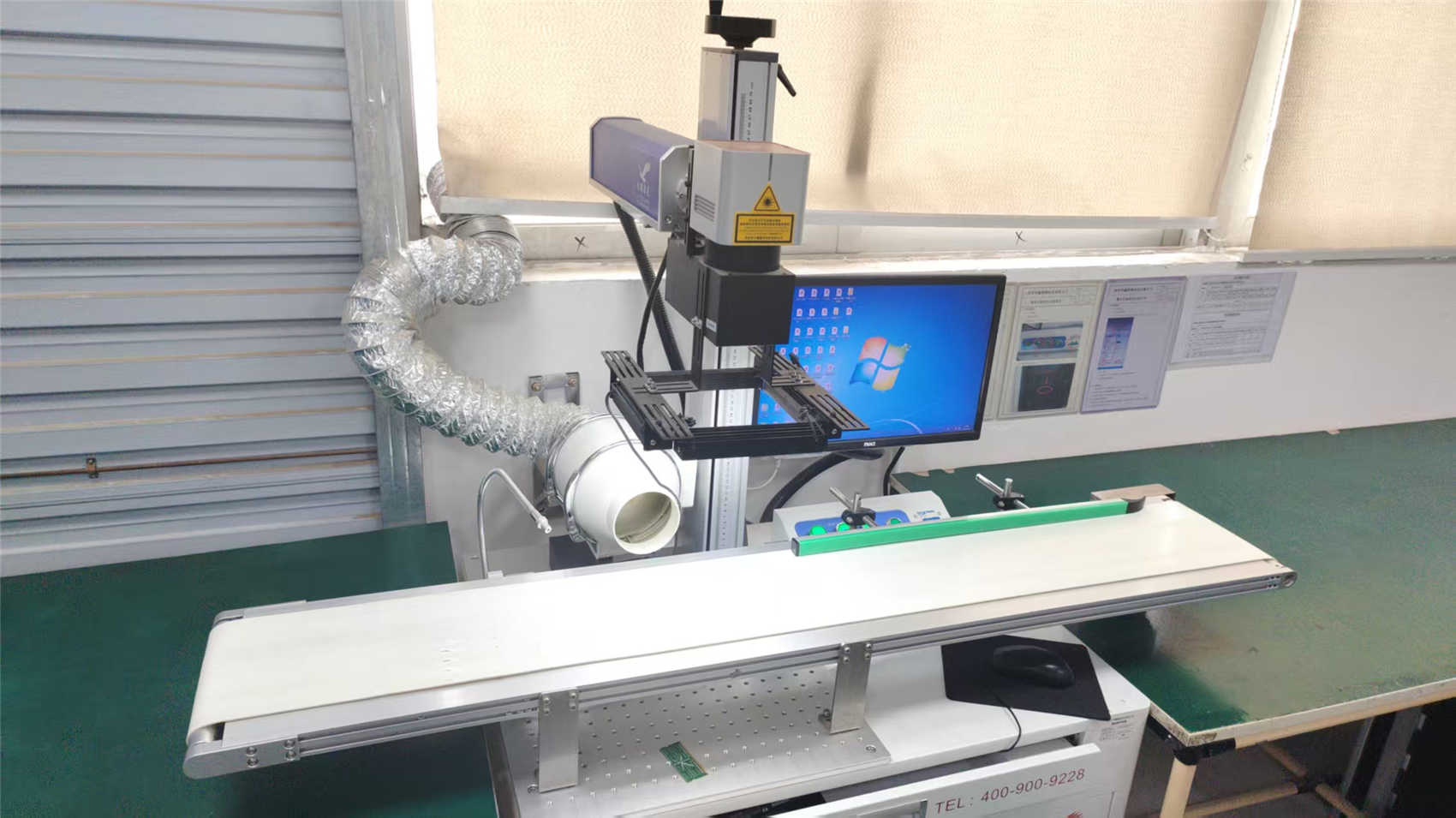
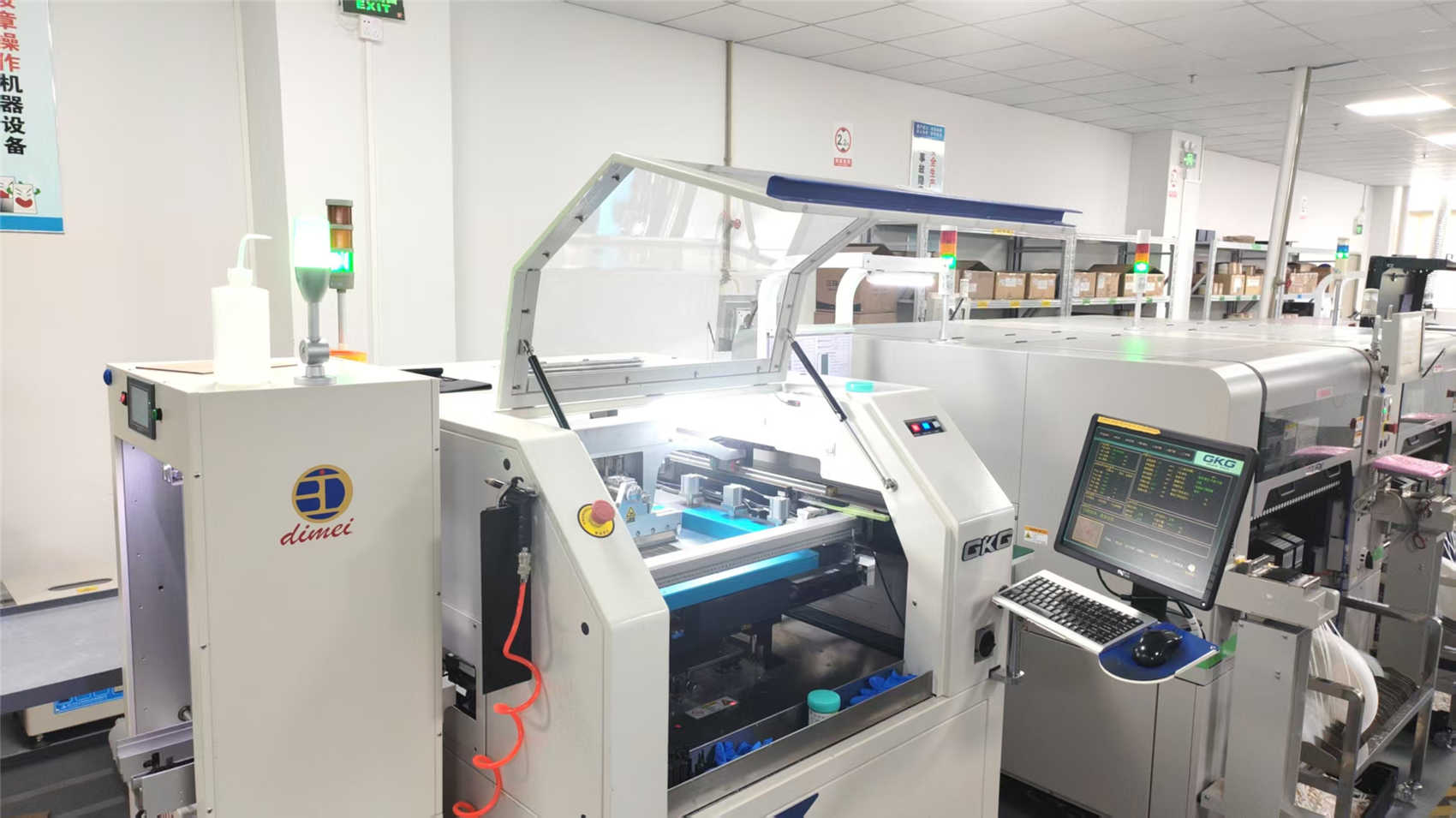
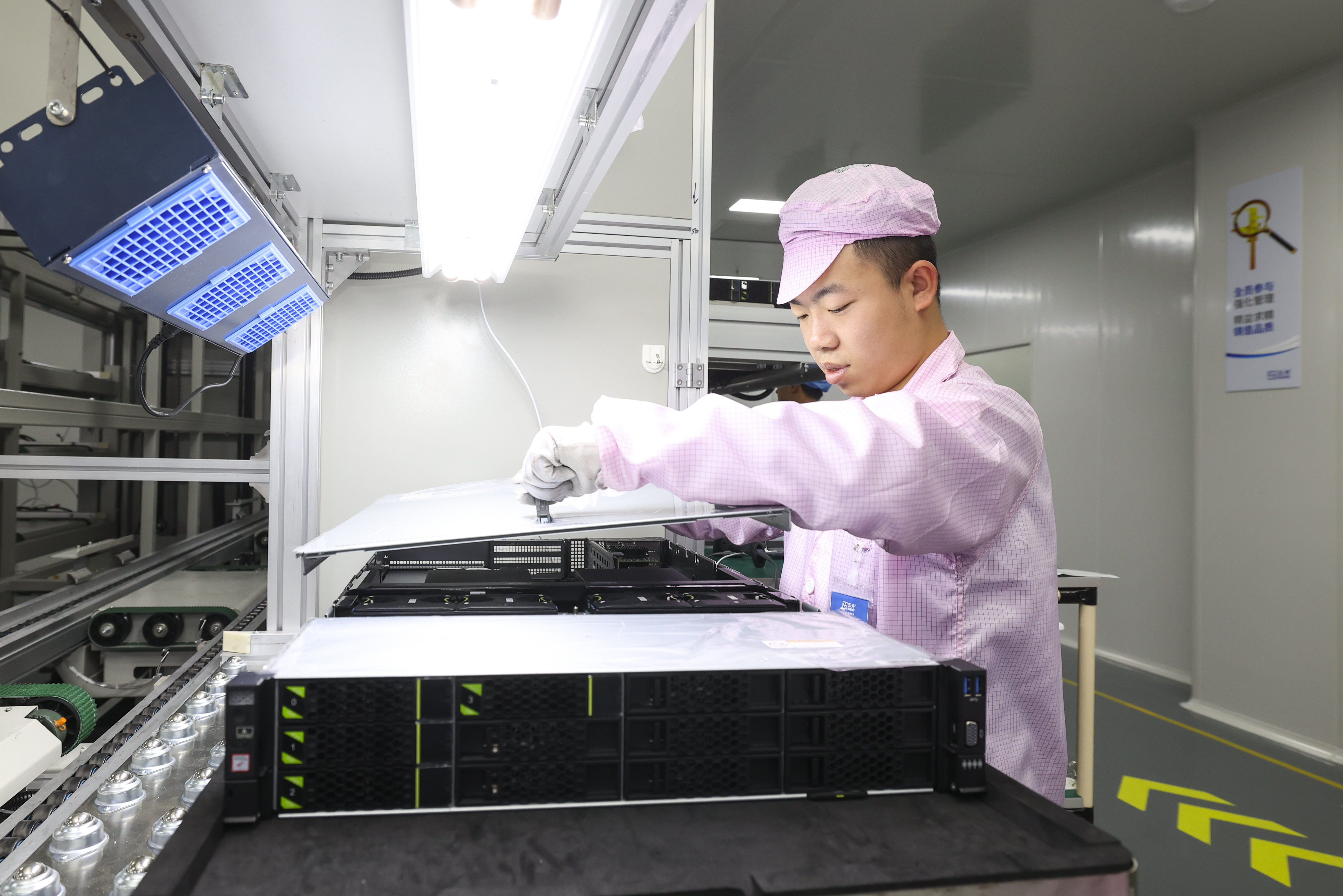
Take a closer look at our production and testing setups, managed under strict ISO9001 guidelines to ensure quality at scale.
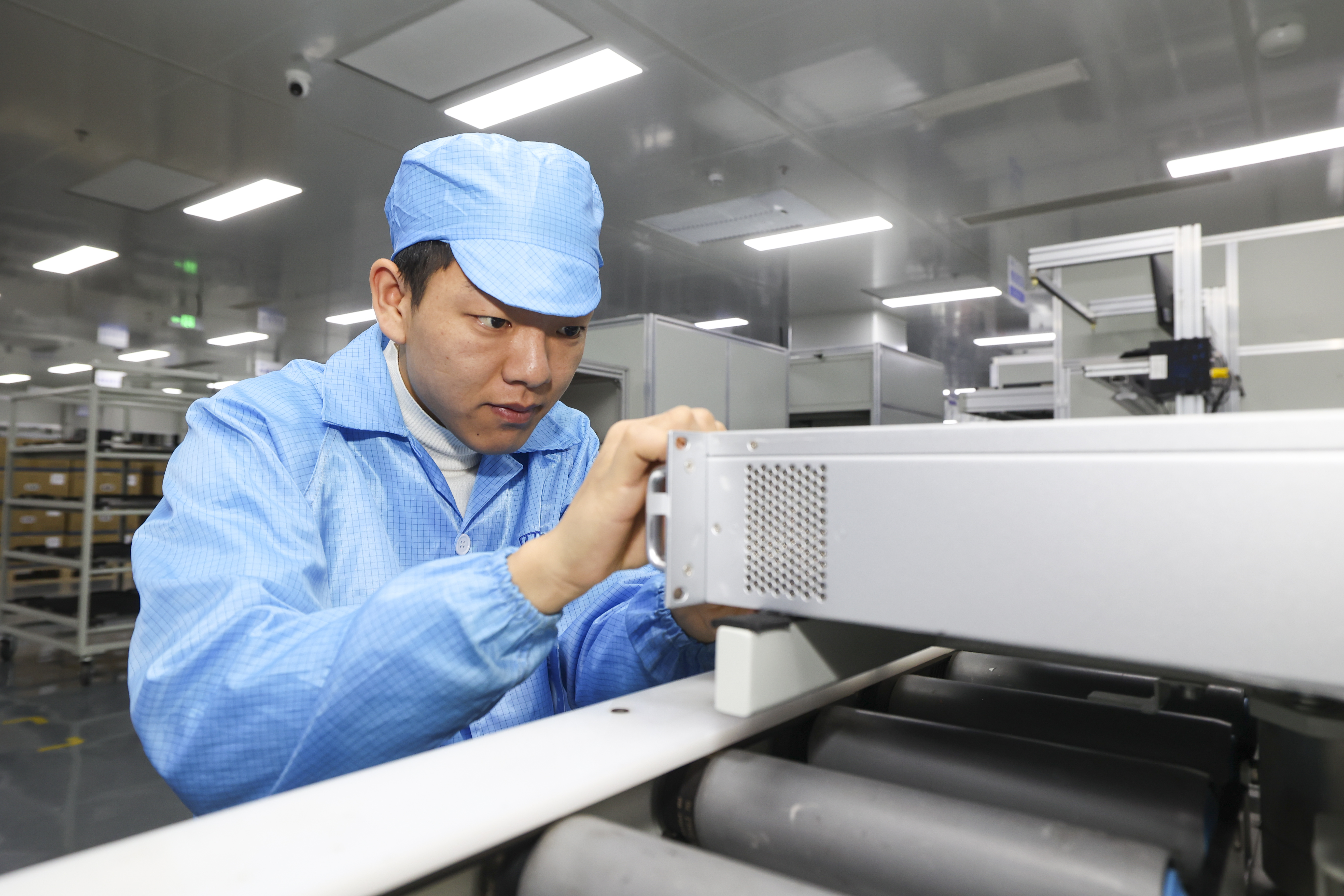
At CoreByte Storage Technology Co., Ltd., quality control is built directly into our manufacturing workflow. Every memory stick and cooling component passes through a multi-stage validation process. This begins with optical inspection of incoming raw materials and extends to **Automated Optical Inspection (AOI)** post-surface-mount assembly. Finally, every unit undergoes high-temperature stress testing to simulate the demanding workloads of modern servers.
With **45 dedicated quality control inspectors** tracking manufacturing metrics, we maintain low return rates (RMA) and high yield performance. Our products are designed for compatibility across platforms from major motherboard and processor brands, including Intel, AMD, and ARM architectures.

Exporting globally requires strict adherence to regional environmental and safety regulations. All CoreByte products comply with international directives, including **CE, FCC, RoHS, and REACH**. This ensures that our memory modules and thermal management products can be integrated into consumer, commercial, and industrial systems in North America, Europe, Southeast Asia, and the Middle East without legal or compliance barriers.
We perform ongoing chemical analysis and substrate testing to verify that our components are free of hazardous materials, supporting our customers' environmental goals and product safety requirements.
Securing components is only the first step. Integrating high-speed DRAM modules or complex server coolers into specialized systems requires expert engineering support. CoreByte provides localized technical support, including access to **Field Application Engineers (FAE)**.
Whether you need assistance with custom PCB routing to optimize signal integrity at 6400MHz, or you need to run fluid dynamics simulations for a 1U passive heatsink, our design team is available to help shorten your design cycles and accelerate your time-to-market.
Get professional answers to technical and supply-chain questions about memory and thermal integration.
DDR5 memory modules introduce several architectural improvements over DDR4. Crucially, DDR5 relocates power management from the motherboard to the module itself using a Power Management IC (PMIC), allowing for cleaner power delivery and reduced voltage drop. Furthermore, DDR5 features dual 32-bit subchannels (plus ECC) instead of a single 64-bit channel, doubling access efficiency. Built-in On-Die ECC addresses single-bit errors inside the DRAM array, improving overall reliability at higher densities.
Our high-speed DDR5 modules, like the Avengers RGB series, feature custom-extruded aluminum heat spreaders that route heat away from the DRAM chips and PMIC. For server deployments, we recommend combining our memory modules with passive copper-based heatsinks. These designs use direct-contact bases to lower thermal resistance, maintaining low component temperatures and preventing speed reductions.
Yes. Backed by 85 R&D engineers, we offer full design customization. This includes tweaking the physical design of PCBs to fit tight enclosures, adjustment of memory timing parameters, custom programming of the SPD EEPROM, and developing bespoke heatsinks for non-standard motherboard layouts.
Every production batch undergoes three main testing phases. First, Automated Optical Inspection (AOI) checks for component alignment and solder joint quality. Next, modules are subjected to heat chamber tests to detect early component wear. Finally, we perform functional testing across a wide range of consumer and server motherboards (including Intel and AMD platforms) to verify compatibility and signal integrity under full computing load.
We work with over 1,200 supply chain partners globally, allowing us to source raw materials and passives from multiple regions. This dual-sourcing strategy reduces the risk of single-source production delays. In addition, our experienced logistics team handles customs compliance and export documentation, enabling smooth delivery to North America, Europe, the Middle East, and Asia.
Explore our DDR4 ECC server modules, active thermal configurations, and specialty substrates designed for demanding operations.
 CoreByte