In the rapidly evolving landscape of interactive media, high-performance edge computing has bridged the gap between raw hardware capabilities and immersive user experiences. As a leading specialized manufacturer of core computing sub-systems and custom systems, CoreByte Storage Technology Co., Ltd. stands at the forefront of this industrial shift. Our focus on engineering high-frequency DDR5 memory, complex PCB layers, and cooling configurations guarantees the stable execution of compute-intensive gaming, AI, and industrial rendering tasks.
Modern gaming consoles are no longer isolated consumer electronics. They represent highly sophisticated, CE-certified edge computational devices that require advanced data throughput, low latency memory architectures, and exceptional thermal properties. Understanding these requirements, CoreByte integrates its proprietary design methodologies across memory bus layouts, thermal management systems, and specialized motherboard PCBA fabrication to offer custom computing platforms that comply with rigorous international safety and efficiency regulations.
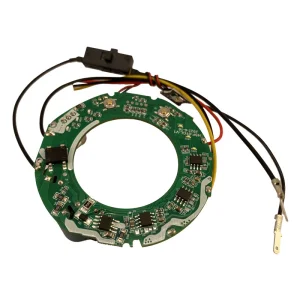
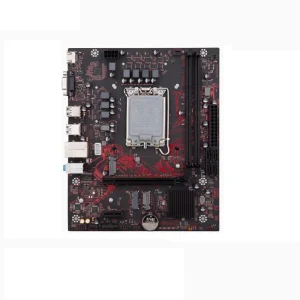
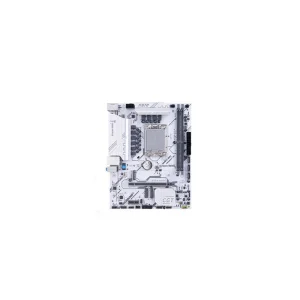
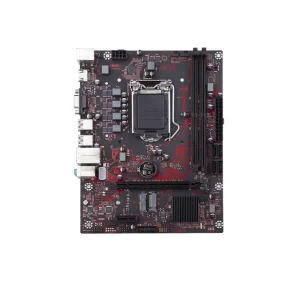
From high-speed controllers to complex multi-layer motherboard configurations (including Intel H610 and B760M-G architectures), we design custom PCBs optimized for signal integrity, EMI mitigation, and robust electrical distribution.
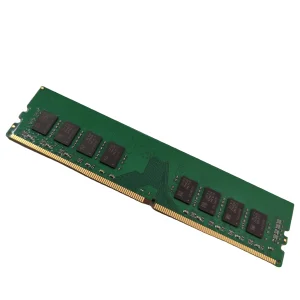
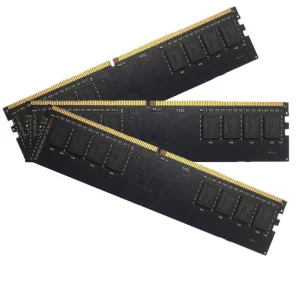
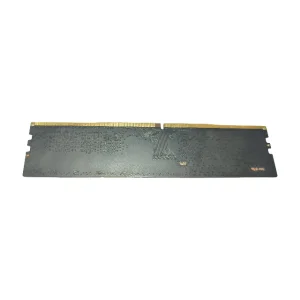
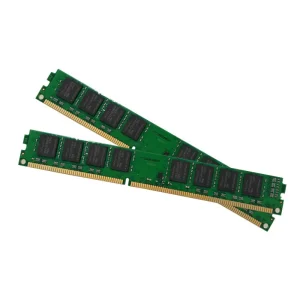
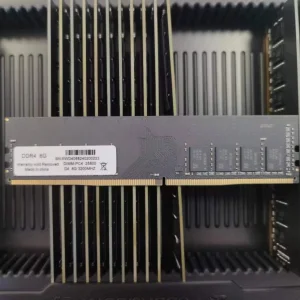
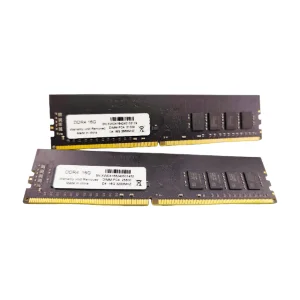
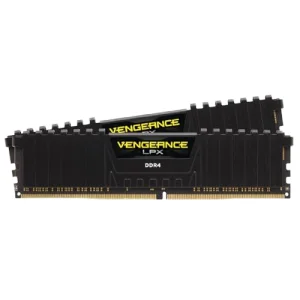
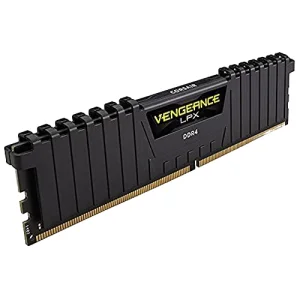
Leveraging our deep heritage in manufacturing DDR4 and DDR5 memory modules (from 1600MHz up to extreme 6000MHz Intel XMP profiles), we ensure that computing cores have direct access to wide and fast memory bandwidth arrays.
All hardware architectures undergo electromagnetic compatibility (EMC) testing and safety evaluations (LVD) to conform with European Union CE directives, making them ready for immediate distribution across global channels.
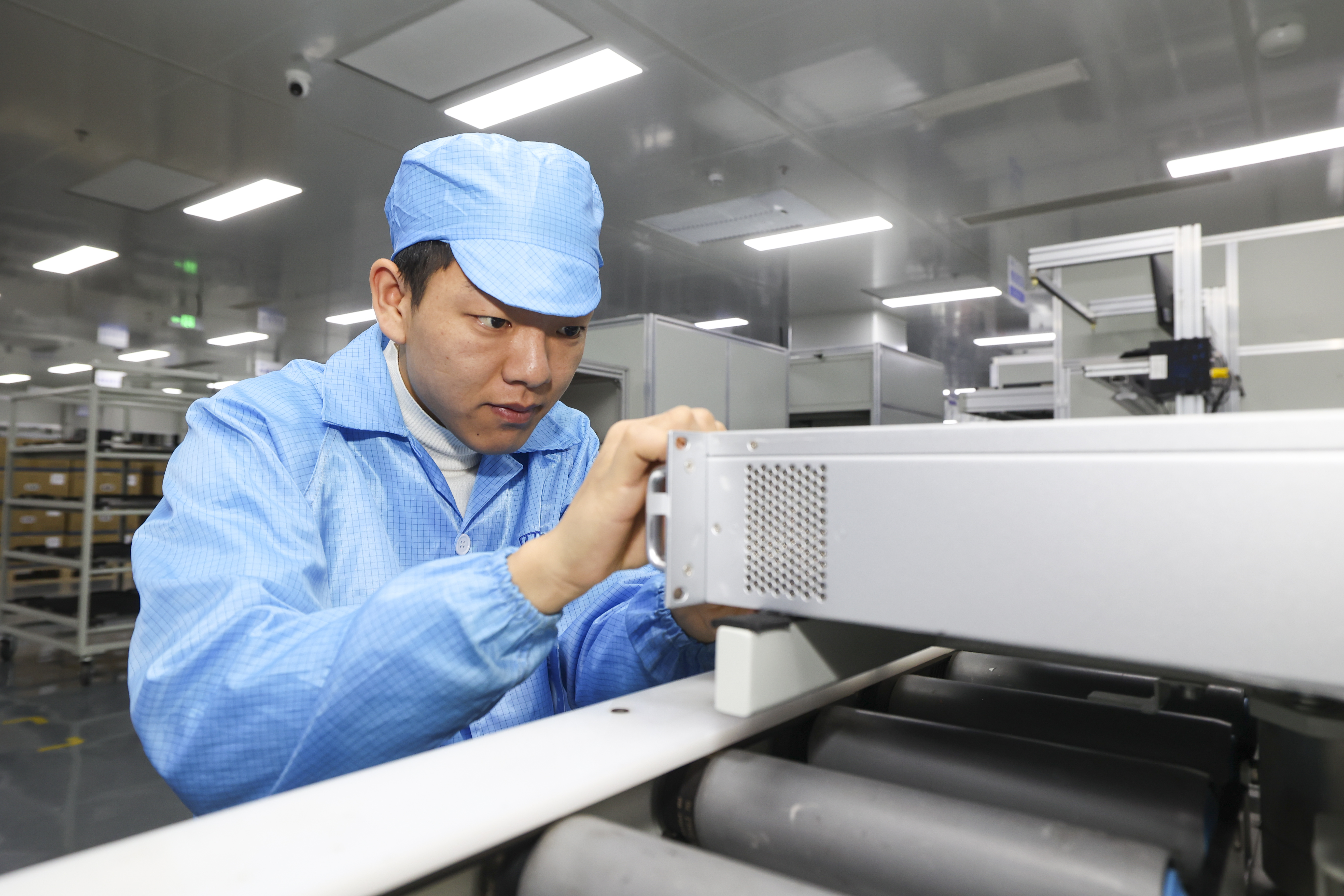
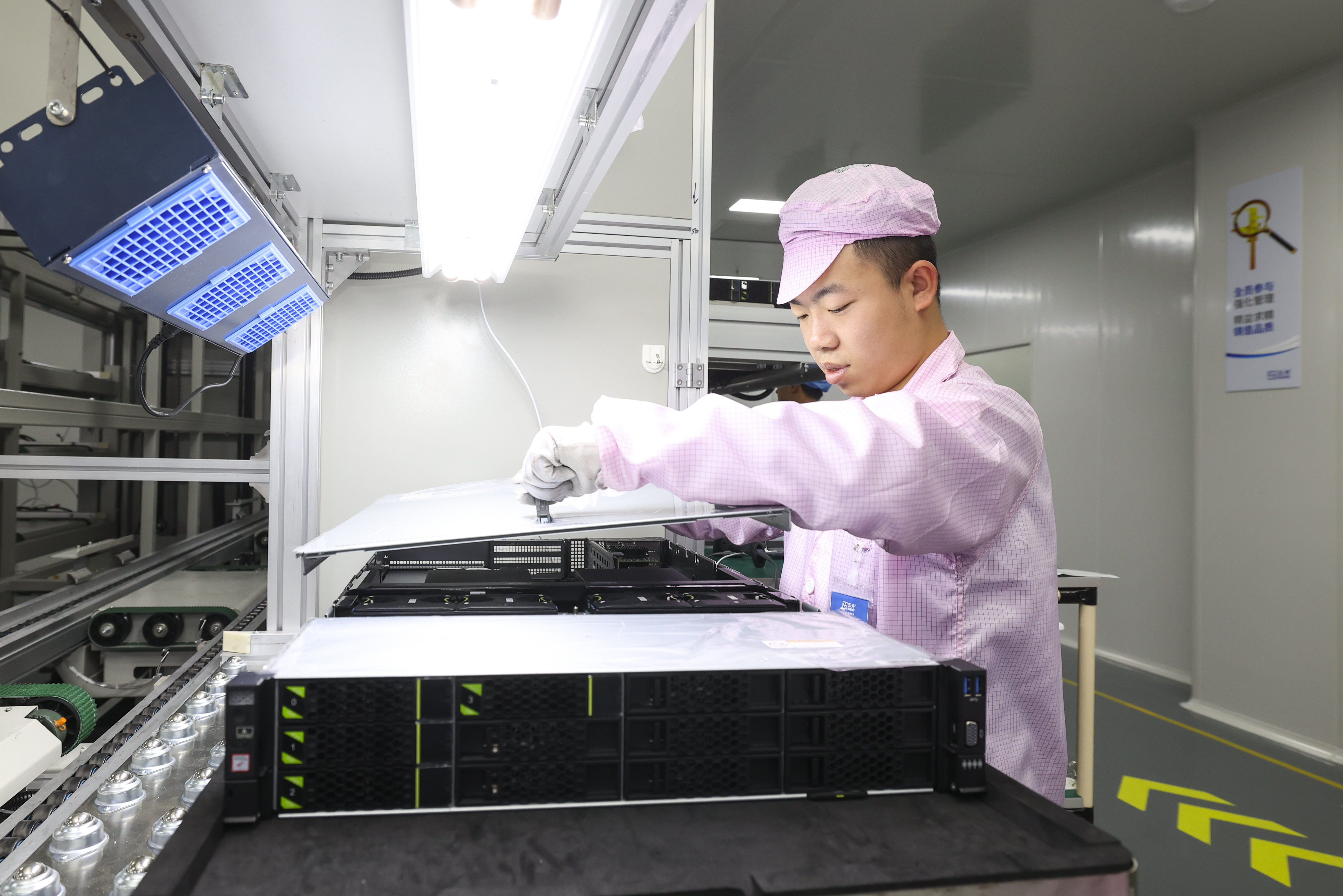
Operating in international commercial markets demands more than functional hardware. It requires absolute reliability, long-term availability, and regulatory adherence. By maintaining an ISO9001-based quality management system, CoreByte implements strict controls over the entire fabrication life cycle—from wafer sorting and silicon packaging down to final assembly line quality checks.
Europe represents a critical segment for interactive entertainment, commercial simulators, and edge data networks. Our CE-compliant system architectures satisfy the essential requirements of the Electromagnetic Compatibility (EMC) Directive 2014/30/EU and the Low Voltage Directive (LVD) 2014/35/EU. By eliminating electrical interference (EMI) through advanced PCB grounding layers and utilizing shielding gaskets within the structural chassis, our systems deliver continuous operation without disrupting local networks or peripheral devices.
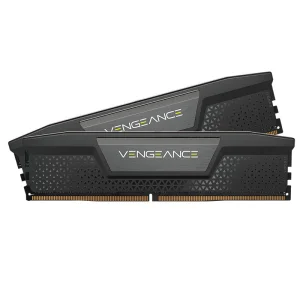
As gaming applications pivot toward real-time physics simulations and AI-driven graphics upscaling, memory bandwidth has become the primary bottleneck. We utilize low-power, high-performance DRAM components to build customized memory structures. Our high-frequency solutions, such as the DDR5 6000MHz series with pre-configured Intel XMP 3.0 parameters, enable smooth frame timing and eliminate macro-stuttering in high-fidelity simulation and gaming applications.
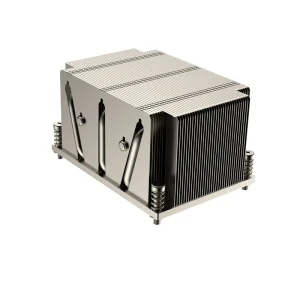
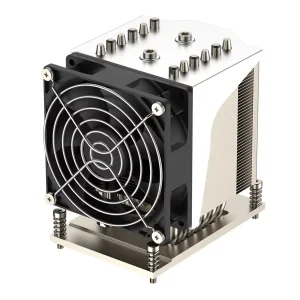
To maintain prolonged computational efficiency under harsh commercial environments, thermal performance is strictly monitored. CoreByte designs custom cooling systems, including our 300W server-grade heatsinks using 5 copper heat-pipes designed for LGA4926 structures. This ensures that even under constant 100% CPU load, system heat is efficiently dissipated, preventing thermal throttling and extending the lifespan of capacitors and power phases.
Our hardware solutions are designed to fit seamlessly into diverse commercial scenarios. The modular layout of our motherboards and memory kits allows integrators to scale systems according to specific regional and environmental requirements.
Ideal for theme parks, professional driver training centers, and flight simulation facilities. These environments demand 24/7 reliability, redundant storage structures, and high-frequency memory to process rapid physics state changes in real time.
Modern retail setups rely on digital signage and point-of-sale systems that require integrated hardware to handle high-resolution video streams and local AI analytics. Our custom PCBA form-factors fit into slim, space-constrained enclosures.
Cloud-based streaming platforms and remote rendering centers utilize our custom server DRAM modules and motherboard integrations to host virtualized gaming instances, maximizing user density per rack unit.
As semiconductor architectures continue to shrink and data rates push past the limits of traditional signal paths, our R&D roadmap focuses heavily on next-generation computing technologies:
With the upcoming transition toward DDR5 frequencies exceeding 8400MT/s, signal trace designs must adapt to limit crosstalk and electromagnetic emission. Our engineers are currently testing Compute Express Link (CXL) technologies to allow unified memory resource pools across CPUs and custom accelerators, drastically improving efficiency in compute-heavy edge scenarios.
We are integrating on-board, AI-assisted self-diagnostic chips on our customized high-speed control boards. These smart circuits pre-emptively identify electrical anomalies, thermal spikes, and storage degradation, reporting hardware health telemetry to operators before physical failures occur.
CE Certification confirms that the system meets EU safety, health, and environmental protection requirements. This process involves strict testing for Electromagnetic Compatibility (EMC) under Directive 2014/30/EU and Electrical Safety under the Low Voltage Directive (LVD) 2014/35/EU.
Yes, we provide extensive OEM/ODM customization services. Supported by our 85 R&D engineers, we optimize PCB layouts, adjust trace routing for high-speed signal integrity, modify thermal management systems, and develop bespoke motherboard designs based on specific industrial requirements.
We apply ISO9001-based quality control procedures, utilizing Automated Optical Inspection (AOI), manual diagnostic checks, and high-temperature aging chambers to test every memory component under realistic stress conditions before shipping.
We manufacture high-capacity CPU coolers, including 300W server heatsinks with multi-copper-pipe architectures. These solutions are structured to handle high heat generation, keeping hardware operating at optimal temperatures even during continuous performance cycles.
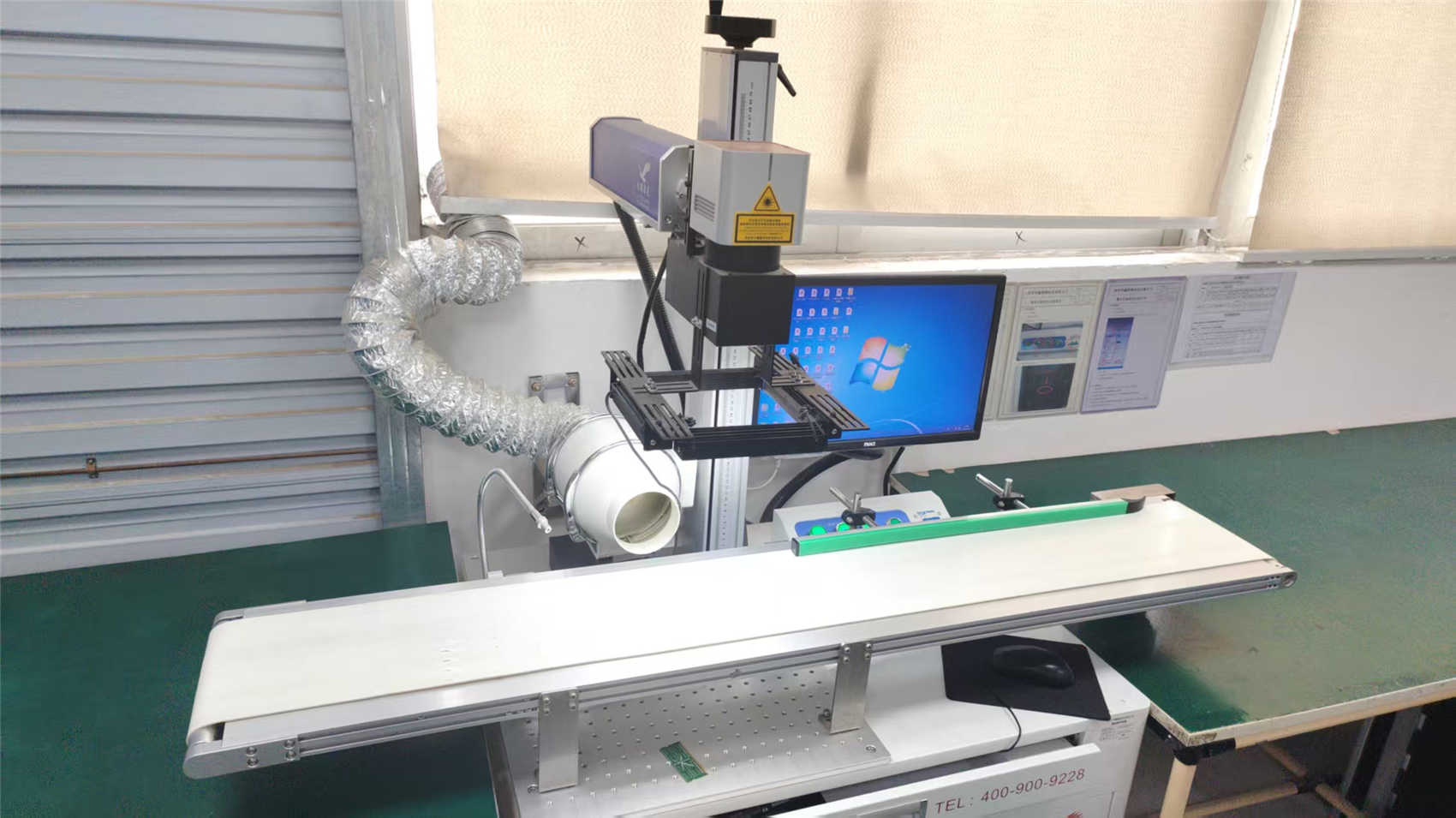
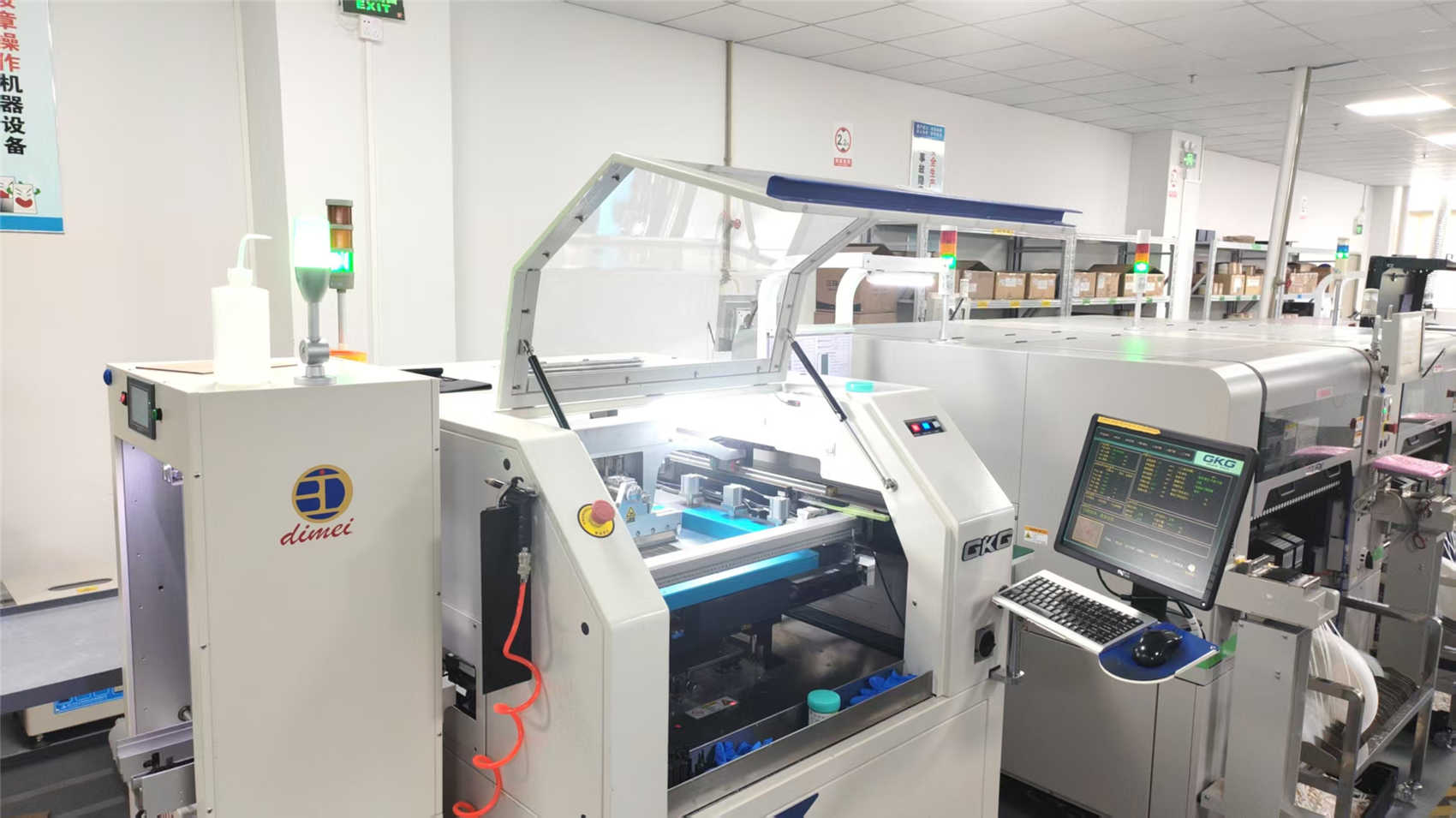
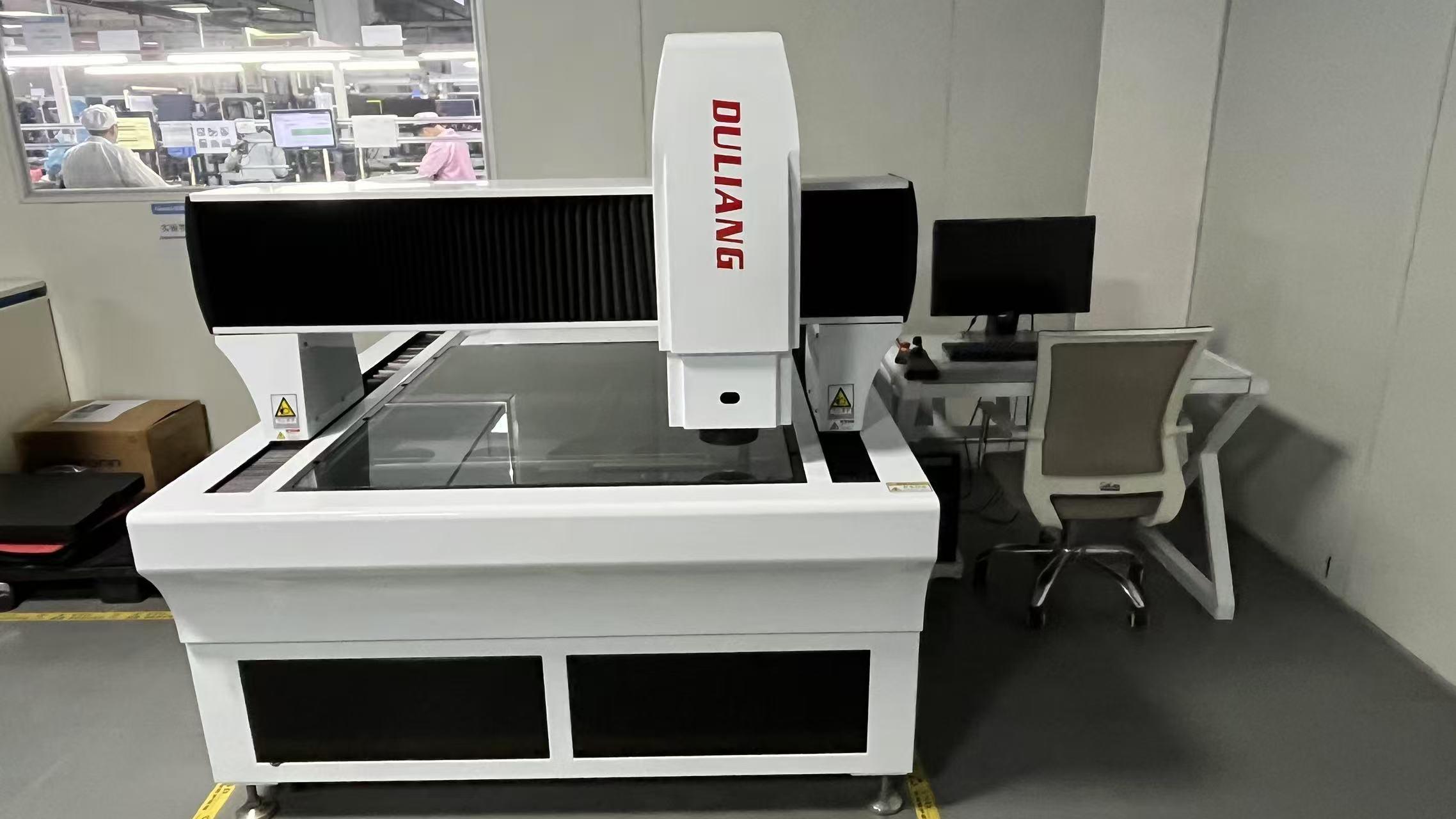
Our facility uses automated optical inspection (AOI) lines, dedicated reliability testing setups, and advanced surface-mount technology (SMT) machinery to maintain strict ISO9001 quality compliance.
 CoreByte